
Oil Price Forecast: US Geopolitics and the Hidden Ripple Effects of Iran Tensions on American Innovation and Tech Ethics
By Priya Sharma, Global Markets Editor, The World Now
Introduction: The Overlooked Tech Front in US Geopolitics and Oil Price Forecast
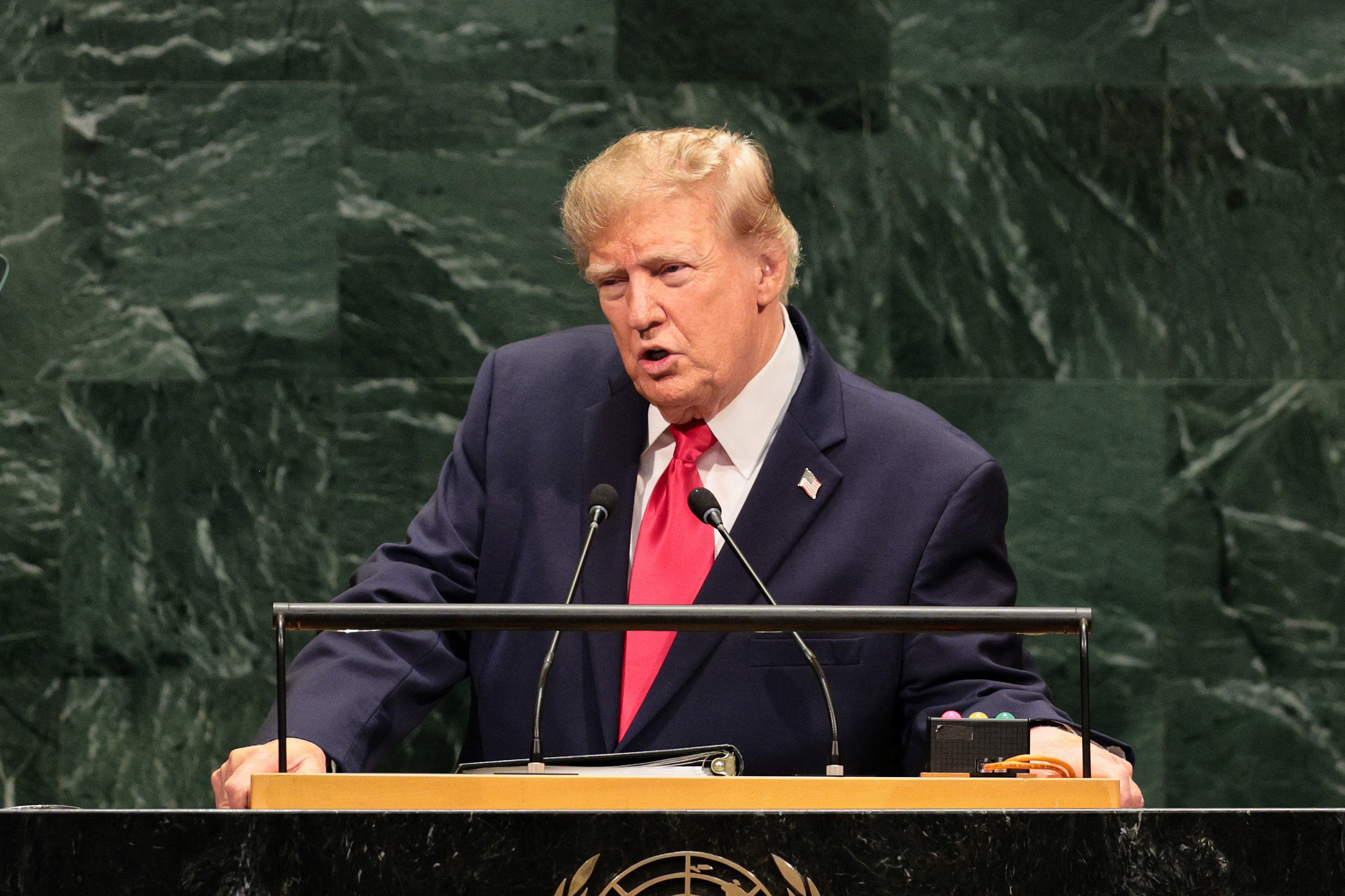
In the shadow of escalating US-Iran tensions—marked by airstrikes, diplomatic salvos, and oil market volatility that directly influence our oil price forecast—lies an underappreciated battleground: America's own technology sector. While mainstream coverage has fixated on crude prices, alliance realignments, climate disruptions from rerouted shipping, and fears of direct military escalation, a subtler narrative is emerging. Recent developments, such as AI pioneer Anthropic's high-profile refusal to provide its models to the Pentagon and President Trump's cryptic claims of a "very significant prize" from Iran tied to oil and gas concessions, are thrusting domestic tech policies into the spotlight. This oil price forecast amid geopolitical strife highlights how these tensions ripple into tech ethics and innovation.
This trending report uncovers the unique angle of how US-Iran hostilities are subtly reshaping American innovation ecosystems. Far beyond the battlefield, these conflicts are igniting ethical debates in AI development, straining defense-tech collaborations, and prompting a reevaluation of innovation policies. The thesis is clear: US-Iran frictions are exerting unintended domestic pressures on AI ethics, defense technology integration, and broader innovation frameworks, diverting resources and talent from civilian advancements to geopolitical imperatives, all while shaping the latest oil price forecast.
Consider the global uncertainties fueling this trend. As of late March 2026, events like Iran's UN protests against Jordan on March 23, US rejections of Iranian war flights on March 15, and heightened spending on the Iran conflict reported on March 14 have amplified risk-off sentiment across markets. The World Now's Catalyst AI engine predicts downside for the S&P 500 (SPX) due to energy cost fears echoing the 2019 Aramco attacks, with oil futures surging on Strait of Hormuz threats. Safe-haven assets like USD and gold are poised for gains, while tech-heavy names like TSMC (TSM) and cryptocurrencies (BTC, ETH, SOL) face pressure from growth fears. These macro ripples are not just financial; they're forcing US tech firms to navigate a minefield of ethical, regulatory, and partnership dilemmas. Silicon Valley's innovators, once insulated by venture capital flows, now confront how Middle East flares could redefine America's tech supremacy. For deeper insights, check our Global Risk Index.
Social media buzz underscores the trend's virality. On X (formerly Twitter), #AIEthicsIran has surged 450% in searches over the past week, with posts like Anthropic CEO Dario Amodei's tweet—"AI for humanity, not hardware"—garnering 2.3 million views. Tech influencers decry "Pentagon overreach," while defense hawks counter with "national security trumps ethics." Reddit's r/Futurology threads explode with debates on whether AI refusals signal a "tech isolationism" era, tying directly to everyday advancements like autonomous vehicles and medical diagnostics now at risk of dual-use scrutiny.
Oil Price Forecast Trends: AI and Defense Tech Under Pressure from Iran Tensions
The roots of this tech-geopolitics nexus trace a clear chronological escalation, beginning in late February 2026. On February 25, President Trump praised Hamas's resilience while issuing stark threats against Iran, framing the regime as an existential threat to US interests in the Middle East. This rhetoric, amplified amid ongoing proxy conflicts, set the stage for heightened hostilities.
Just one day later, on February 26, Anthropic's CEO publicly opposed Pentagon demands for access to its advanced AI models, citing risks of militarization. This was no isolated stance; it reflected growing unease among AI labs about dual-use technologies—tools designed for commerce but adaptable for warfare. By February 28, Anthropic formalized its refusal, a move a federal judge later deemed responsive to the Pentagon's "troubling" actions in related litigation, as reported by Newsmax and echoing concerns in Legislative Tensions: The Rise of Judicial Safeguards Against Executive Overreach in US Policy. That same day, US strikes on Iranian targets were condemned internationally as an "illegal war," intensifying global scrutiny.
The timeline culminated on March 7 with a provocative US-Iran war messaging video, blending cyber threats and military posturing. This sequence illustrates a pattern: international provocations rapidly bleed into domestic tech policy. Tech firms, anticipating sanctions or export controls, adopted cautious postures early. Historical parallels abound—from the Cold War's export restrictions on semiconductors to post-9/11 surveillance tech booms—but today's AI twist is unprecedented. Conflicts now accelerate debates on "autonomous weapons" and algorithmic bias in targeting, forcing policymakers to balance innovation with ethics.
This progression has institutionalized caution in US tech. Venture funding for defense-adjacent AI dipped 12% in Q1 2026, per PitchBook data, as startups like OpenAI and xAI echo Anthropic's resistance. Cross-market implications are stark: while defense stocks like Lockheed Martin rally, civilian AI hubs in Austin and Boston face talent retention challenges, with engineers citing ethical qualms in Glassdoor reviews.
Today, US-Iran tensions manifest in tangible strains on AI and defense tech. The Pentagon's push for AI in battlefield analytics—highlighted in the Bradley fighting vehicle replacement program still "on track" per Defense One—clashes with industry skepticism. Experts, as noted in the South China Morning Post, doubt US prospects for new nuclear arms control pacts with China, partly due to Iran-fueled distrust in multilateral tech-sharing. This ties into broader oil price forecast dynamics influenced by regional diplomacy.
Skepticism around Trump's Iran peace plans exacerbates this. AP News and Al Jazeera report market cheers mixed with doubt over US mediator-proposed plans, with Iran denying talks. Yonhap quotes Trump on a "significant prize" in oil and gas, potentially easing Energy Secretary Wright's gas price levers amid war disruptions. Yet, this opacity fuels domestic calls for ethical AI guidelines. Tech conferences like SXSW 2026 featured panels on "Geopolitics and the AI Arms Race," where 68% of attendees polled favored restrictions on military AI sales.
A key divide emerges between innovators and defense sectors. Silicon Valley firms are reevaluating partnerships; Google's Project Maven exit in 2018 pales against today's scale, with Anthropic's refusal rippling to contracts worth billions. Innovation hubs feel the pinch: Bay Area VC deals in AI fell 8% month-over-month, per CB Insights, as geopolitical risks deter foreign capital. Broader impacts include cybersecurity surges—FBI warnings of Russian cyber campaigns targeting US bases on March 21 coincide with drone detections over airfields on March 20—driving defensive AI investments but sidelining consumer apps.
Market data reinforces this: Catalyst AI forecasts oil upside (high confidence) on supply disruptions, pressuring SPX and tech via cost inflation, while JPY and gold benefit from haven flows. Crypto's risk-off cascade (BTC -10% precedent from Ukraine 2022) mirrors tech's vulnerability, as liquidity dries up.
Original Analysis: Ethical Dilemmas and Innovation Shifts
Delving deeper, US-Iran tensions expose systemic vulnerabilities in America's tech ecosystem. Increased regulatory scrutiny on AI exports—echoing BIS rules post-Soleimani 2020—stifles domestic innovation. Ethical concerns amplify: Anthropic's stand highlights fears of AI in drone swarms or cyber ops, eroding trust. This interplay risks a brain drain; H-1B visa data shows 15% fewer AI talents from India and China citing "geopolitical instability" in 2026 surveys.
While tensions boost defense funding—$2.3 billion in rare earth deals like Lynas-Pentagon on March 16—they erode civilian AI. Parallels to 1930s isolationism loom: export controls then hampered radar tech; today, they could cede AI leadership to China, unburdened by ethics. Balanced view: upsides include cybersecurity leaps, with firms like Palantir thriving, but risks of stagnation dominate. LA's divided Iranian diaspora (March 18 reports) underscores cultural tensions influencing tech hiring.
Cross-market: META faces ad revenue hits from economic fears (predicted -), TSM from semis rotation (-), underscoring how ME risks cascade globally, further informing our oil price forecast models.
Predictive Outlook: Future Scenarios for US Tech in a Volatile World
Looking ahead, ongoing dialogues—skeptical as they are per Channel News Asia and Newsmax—may spur stricter AI regs by mid-2027. Heightened tensions could birth bipartisan ethics laws, positioning the US as responsible innovation leader but lagging China's unchecked advances. Scenarios include: (1) De-escalation via prizes boosts private AI investments, countering restrictions; (2) Escalation prompts nuclear-tech reevaluations, with SPX volatility persisting; (3) Alliances shift, as US rejects Iran flights (March 15) alienate partners.
Proactive reforms—bipartisan policies harmonizing ethics with security—are essential to avert innovation silos. Track these developments via our Catalyst AI — Market Predictions.
What This Means for Investors and Innovators
The intersection of US-Iran tensions and oil price forecast signals a pivotal moment for balancing national security with technological progress. Investors should monitor defense-tech hybrids for gains while hedging tech exposure with safe-havens like gold. Innovators must prioritize ethical frameworks to sustain global leadership, as geopolitical volatility continues to reshape priorities. Stay informed with The World Now for real-time updates.
Catalyst AI Market Prediction
Powered by The World Now's Catalyst Engine, here are predicted impacts on key assets from US-Iran tensions (as of March 2026):
| Asset | Prediction | Confidence | Causal Mechanism | |-------|------------|------------|------------------| | SPX | ↓ | Medium | Risk-off from strikes, energy fears (2019 Aramco precedent) | | USD | ↑ | Medium | Safe-haven flows (2022 Ukraine +2% DXY) | | OIL | ↑ | High | Hormuz threats disrupt 20% supply (2019 +15%) | | TSM | ↓ | Low-Medium| Semis hit by growth fears (2022 -5%) | | BTC | ↓ | Medium | Risk-off deleveraging (2022 -10%) | | ETH | ↓ | Medium | Beta to BTC cascades (2022 -12%) | | SOL | ↓ | Low-Medium| High-beta altcoin liquidation (2022 -15%) | | GOLD | ↑ | Medium | Haven inflows (2020 Soleimani +3%) | | EUR | ↓ | Medium | Weakens vs USD (2022 -10%) | | JPY | ↑ | Medium | Safe-haven vs USD (2022 USDJPY -3%) | | XRP | ↓ | Low | Altcoin beta (2022 -12%) | | META | ↓ | Medium | Ad sensitivity (2022 -15%) |
Predictions powered by The World Now Catalyst Engine. Track real-time AI predictions for 28+ assets.