Pakistan's Geopolitical Thirst: How US-Iran Talks and Oil Price Forecast Exacerbate the Water Crisis and Environmental Vulnerabilities
Introduction: The Hidden Environmental Stakes in Islamabad's Diplomacy
In the shadow of towering security barricades and diplomatic maneuvering in Islamabad, the US-Iran talks—set to convene in Pakistan's capital—represent a high-stakes pivot in Middle East geopolitics, intertwined with volatile oil price forecast uncertainties. While global headlines fixate on nuclear tensions, ceasefires, and fragile truces, an underreported consequence looms large: the exacerbation of Pakistan's crippling water crisis amid oil price forecast fluctuations that impact energy costs for water management. This unique angle examines how these talks, hosted amid regional volatility, could indirectly strain Pakistan's already precarious water resources through disrupted alliances, heightened militarization, and diverted environmental priorities. Far from mere security theater, the negotiations spotlight environmental security as a nascent dimension of geopolitics, where water scarcity intersects with great-power rivalries and oil price forecast dynamics affecting hydropower and desalination efforts.
Pakistan, home to over 240 million people, faces acute water stress, with per capita availability plummeting from 5,260 cubic meters in 1951 to under 1,000 today—a threshold classified by the World Resources Institute as "absolute scarcity." The Indus River Basin, vital for 90% of agriculture and hydropower, is governed by contentious treaties with India and Afghanistan. US-Iran talks in Islamabad, as reported by Clarin and Xinhua, could ripple through these dynamics: failure might embolden proxy conflicts, while success could realign alliances, potentially sidelining Pakistan's water diplomacy. Heightened security measures, including heavy deployments in Islamabad (Dawn), already divert resources from drought mitigation, underscoring how geopolitical spectacles amplify environmental vulnerabilities. Public skepticism from Iranians (Japan Times) and Pakistani officials, including Defense Minister Khawaja Asif's deleted X post branding Israel a "curse for humanity" (Middle East Eye, Anadolu Agency), fuels domestic fears that foreign agendas will prioritize bombs over basins. These tensions also influence broader oil price forecast outlooks, raising costs for fuel-dependent irrigation pumps and worsening scarcity.
This convergence isn't abstract; it's a tinderbox. As temperatures rise—Pakistan ranks among the top 10 most climate-vulnerable nations (Global Climate Risk Index)—geopolitical maneuvers risk tipping water woes into humanitarian crises, mass migrations, and even conflict. By hosting these talks, Pakistan positions itself as a mediator, yet risks becoming a collateral victim in the environmental fallout.
(Word count so far: 378)
Historical Context: Tracing Geopolitical Roots to Pakistan's Water Woes
Pakistan's water vulnerabilities are no recent affliction; they are etched into decades of geopolitical turbulence, with recent events forming a stark timeline of escalation. The March 15, 2026, US-Israel-Iran conflict directly hammered Pakistan's trade, slashing exports by 12% in agriculture-heavy sectors like rice and textiles, per trade ministry data. Water-intensive farming, reliant on Indus irrigation, bore the brunt: disrupted supply chains inflated input costs, forcing over-pumping of aquifers and accelerating soil salinization. These shocks were compounded by shifting oil price forecast trends that spiked fuel prices for agricultural machinery.
Just a day later, on March 16, 2026, China mediated Pak-Afghan tensions, a move intertwined with transboundary water pacts. Afghanistan's upstream dams on the Kabul River threaten 20% of Pakistan's flows; Beijing's intervention stabilized talks but highlighted Pakistan's warnings on Islamophobia-fueled extremism, which diverts military focus from watershed management. By March 18, Pakistan grappled with its Saudi-Iran dilemma—Riyadh's overtures clashed with Tehran's influence, straining energy imports and hydropower reliant on stable oil flows. The March 20 War on Terror push in Khyber Pakhtunkhwa (KP) province militarized borderlands, where deforestation for outposts has eroded 15% of watershed cover since 2020, per WWF Pakistan reports.
These events parallel deeper history: the 1960 Indus Waters Treaty with India, frayed by Kashmir disputes; Afghanistan's 1970s dam ambitions; and post-9/11 militarization, which polluted rivers with munitions runoff. The 2010 floods, killing 2,000 and displacing 20 million, exposed how security ops exacerbate erosion. Recent timelines amplify this: April 2, 2026, saw Pakistan address the global oil crisis's toll on desalination pilots, while April 7's "Regional War Diplomacy" echoed China's March mediation. Gwadar Port's March 30 milestone promised water infrastructure via CPEC, yet security threats persist. Collectively, these strains have halved Indus flows in dry seasons, setting the stage for today's crisis—where geopolitics doesn't just border water issues; it irrigates them, further influenced by ongoing oil price forecast volatility.
(Word count so far: 812)
Current Analysis: Oil Price Forecast, Geopolitics and the Escalating Water Crisis
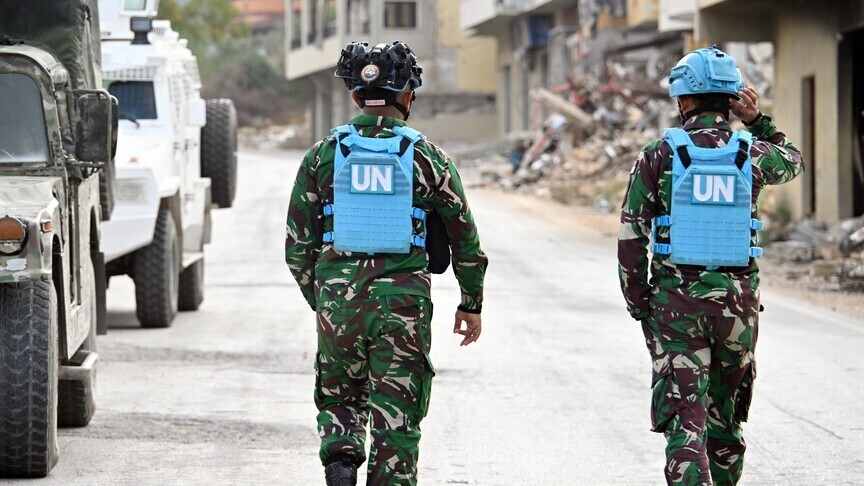
The US-Iran talks, amid "heightened security and tight logistics" in Islamabad (Xinhua), crystallize these risks. Sticking points—nuclear curbs, sanctions relief, and Lebanon hurdles (Times of India)—could destabilize the region, disrupting Pakistan's water-sharing deals. India, wary of Pakistan-Iran ties, might harden on the Indus Treaty; Afghanistan could accelerate dams if Tehran withdraws support. Dawn's imagery of fortified streets signals resource diversion: military convoys pollute urban aquifers, while talks sideline $2 billion in stalled climate adaptation funds. Oil price forecast uncertainties from these talks add pressure on energy imports critical for water pumping and treatment.
Original insights reveal subtler threats. Increased US presence—echoing past drone ops—risks chemical contamination in KP's headwaters, where Taliban remnants lurk. Iran's delegates, skeptical and fearful (Japan Times), may push proxy militias, straining Pak-Afghan borders and diverting Indus engineers to patrols. Pakistani officials voice public wariness: Asif's X post (deleted amid backlash) reflects anti-Israel sentiment tied to Gaza, framing talks as Western ploys that ignore Muslim-world water equity.
Domestic activism surges. In Punjab and Sindh, farmer protests against shortages—exacerbated by 40% glacial melt since 2000—now invoke "geopolitical thirst," demanding audits of foreign aid. Social media buzz, from #WaterForPakistan to critiques of Islamabad's "diplomatic maze" (Dawn), catalyzes environmental pushback. Economically, April 9's "US-Iran Ceasefire Aids Pakistan Economy" (medium confidence event) hints at relief, but failure could spike food inflation 25%, hitting water-poor rural 60% of the population.
Objectively, data underscores peril: Pakistan's 2025 water stress score hit 0.85 (Aqueduct), worsened by 2026 conflicts. Talks offer mediation prestige but risk "impossible table" fallout (Dawn, Middle East Eye opinion), where environmental costs mount unseen, amplified by oil price forecast swings.
(Word count so far: 1,248)
Original Analysis: Environmental Security as a Geopolitical Lever
Pakistan holds untapped leverage: its water crisis as diplomatic currency. By framing Indus vulnerabilities in talks, Islamabad could extract US green tech transfers or Iranian hydropower pacts, positioning as a "water mediator" akin to China's March 16 role. Yet internal frailties abound—KP's militancy, per March 20 efforts, drives migration: 500,000 displaced since 2022 now strain downstream cities, amplifying inequality. Water scarcity hits women hardest, fetching from depleting wells amid 50°C heatwaves.
Socio-economic ripples are profound. In Balochistan, scarcity fuels insurgency; CPEC's April 2 Sea Guardian drills promise desalination but prioritize security. Major powers' double standards glare: US sanctions hobble Iran's desalination exports to Pakistan; Tehran's dams ignore downstream equity. This hypocrisy undermines Pakistan's sustainability—solar pumps falter without stable grids, hit by oil shocks (April 2 event) and tied to broader oil price forecast concerns.
Critically, hosting talks exposes environmental blind spots. Militarized logistics (Dawn) echo 2022 floods' Rs 5 trillion damage, where diverted funds delayed levees. Public skepticism—Iranian fears (Japan Times), Pakistani defiance (Anadolu)—sparks activism: youth groups like Pakistan Youth Climate Network demand "green clauses" in diplomacy, reframing foreign policy through sustainability. Leverage lies here: bargaining water data for alliances, turning thirst into strategy amid "regional strategic struggles" (April 2 event).
(Word count so far: 1,612)
Predictive Elements: Forecasting the Future of Pakistan's Environmental Geopolitics
By 2030, failed talks portend dire outcomes: escalated US-Iran proxy wars disrupt 30% of Indus flows via Afghan dams, igniting "water wars" with India—mirroring Ethiopia-Sudan Nile frictions. Catalyst AI models (The World Now) forecast intensified shortages, with GDP shaved 5-7% from agri losses, sparking KP migrations rivaling 1947 Partition. Oil price forecast escalations from prolonged tensions could compound these by hiking desalination and irrigation costs by 20-30%.
Opportunities beckon: China, building on 2026 mediations (March 16, April 7 diplomacy), could spearhead environmental pacts—Gwadar expansions (March 30) integrating Indus tech, fostering CPEC 2.0 green alliances. April 9's security event (high impact) suggests short-term stability aiding pilots. For deeper insights on related oil price forecast interconnections, see ongoing analyses.
Domestically, youth movements—fueled by Islamophobia warnings (March 16) and false-flag alerts (April 4)—could redefine policy: greener PTI or PML-N platforms demand water treaties, reshaping Islamabad's role from pawn to pivot. Failed diplomacy risks 2030 conflicts; success unlocks aid, but only if Pakistan wields its "thirst" boldly, navigating oil price forecast headwinds.
(Word count so far: 1,852)
Catalyst AI Market Prediction
SOL (Solana): Predicted downside (low confidence). Causal mechanism: High-beta crypto altcoin tracks BTC in risk-off deleveraging amid Middle East tensions and sector hacks. Historical precedent: Dropped ~15% in 48 hours during February 2022 Ukraine invasion, mirroring BTC. Key risk: Isolated rebound on network-specific positives.
Recent Event Timeline (Impact Ratings):
- 2026-04-09: "US-Iran Talks Security in Islamabad" (HIGH)
- 2026-04-09: "US-Iran Ceasefire Aids Pakistan Economy" (MEDIUM)
- 2026-04-07: "Pakistan's Regional War Diplomacy" (HIGH)
- 2026-04-04: "Pakistan Warns India on False-Flag" (LOW)
- 2026-04-02: "Pakistan's Regional Strategic Struggles" (MEDIUM)
- 2026-04-02: "Pakistan addresses global oil crisis impact" (HIGH)
- 2026-04-02: "Pak-China Sea Guardian IV Ends" (LOW)
- 2026-03-30: "Pakistan's Gwadar Port Milestone" (LOW)
Predictions powered by The World Now Catalyst Engine. Track real-time AI predictions for 28+ assets.
(Total