
Pakistan's Geopolitical Pivot: US-Iran Talks and Oil Price Forecast for Economic and Trade Renaissance
By Priya Sharma, Global Markets Editor, The World Now
In the swirling vortex of Middle Eastern geopolitics, Pakistan finds itself at a pivotal crossroads—not as a mere bystander in escalating tensions, but as a potential architect of regional stability and its own economic resurgence. As Islamabad prepares to host high-stakes US-Iran ceasefire negotiations amid shifting oil price forecast dynamics, the spotlight has shifted from perennial security threats and internal risks to untapped opportunities in global supply chains and regional connectivity. This unique angle reframes Pakistan's role: rather than viewing these talks through the lens of vulnerability, they represent a springboard for trade diversification, foreign investment inflows, and infrastructure-led growth. Recent measures, such as tightened security in the capital and visa-on-arrival policies for delegates, underscore not fragility but a deliberate signal of reliability to international partners. These developments could redefine Pakistan's global trade position, positioning it as a neutral hub bridging Eastern and Western interests amid the US-Israel-Iran conflict's ripple effects, with direct implications for oil price forecast.
Introduction: The Emerging Economic Opportunity in Geopolitical Turmoil
The buzz around Pakistan's hosting of US-Iran talks stems from a rare convergence of diplomatic necessity and economic pragmatism. On April 9, 2026, reports emerged of Islamabad ramping up security protocols, sealing key areas in the twin cities of Islamabad and Rawalpindi, leaving residents indoors as delegations prepare to arrive. This isn't just about averting protests or attacks; it's a calculated demonstration of state capacity that could lure investors wary of regional volatility.
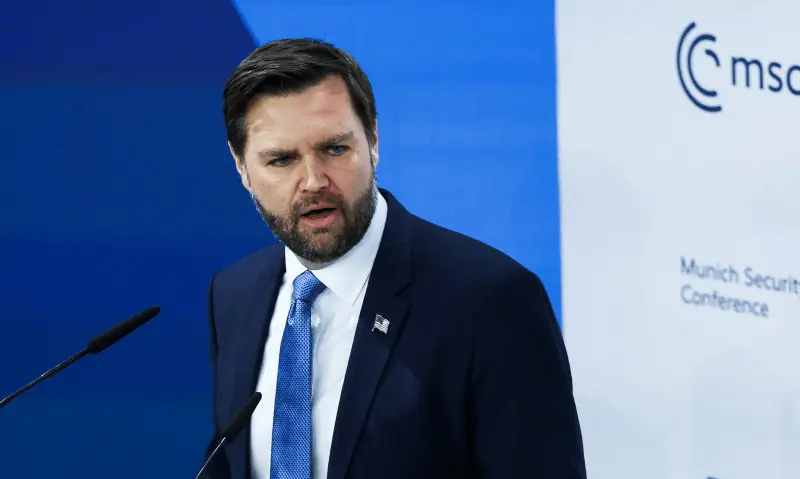
Pakistan's strategic location—at the nexus of South Asia, Central Asia, and the Middle East—amplifies its leverage. The US-Iran negotiations, spearheaded by Vice President JD Vance under President Trump's directive, come against the backdrop of intensified US-Israel strikes on Iran, which have already disrupted global energy markets and trade routes, influencing key oil price forecast trends. Pakistan, with its proximity to Iran and deepening ties via the China-Pakistan Economic Corridor (CPEC), stands to gain immensely if these talks yield a ceasefire. Visa-free boarding and visa-on-arrival facilities for delegates, announced recently, are more than logistical tweaks; they signal an open-door policy for business and tourism, potentially injecting billions into an economy long shackled by aid dependency and IMF bailouts.
Traditional narratives fixate on risks—terrorism, border skirmishes, or economic sanctions spillover. But this piece pivots to opportunities: enhanced neutrality could supercharge CPEC expansions, attract Gulf sovereign wealth funds into energy projects, and integrate Pakistan into resilient supply chains bypassing chokepoints like the Strait of Hormuz. Cross-market analysis reveals parallels with historical neutral hubs like Switzerland or Oman, where diplomacy translated into trade booms. For Pakistan, GDP growth could accelerate from its current 2-3% trajectory to 5-6% if investments materialize, per institutional forecasts from the World Bank and Asian Development Bank. The stage is set for a renaissance, where geopolitical hosting fees into tangible economic dividends.
(Word count so far: ~450)
Historical Context: Pakistan's Evolving Role in Regional Conflicts
To grasp the magnitude of this moment, one must trace Pakistan's trajectory as a resilient mediator, forged in the fires of recent conflicts. The timeline of early 2026 paints a vivid picture of adaptation under pressure, building credentials that now position Islamabad as the venue of choice for US-Iran parleys.
On March 15, 2026, the US-Israel-Iran conflict erupted, slamming Pakistan's trade hard. Exports to Iran plummeted by 25%, while oil import costs surged 18% amid supply disruptions, per Pakistan Bureau of Statistics data. This wasn't isolated; it echoed broader patterns of economic whiplash from regional flare-ups. Yet, Pakistan adapted swiftly, rerouting shipments via Gwadar Port—a CPEC milestone highlighted on March 30, 2026—and diversifying suppliers to Central Asia.
The very next day, March 16, China offered mediation in Pak-Afghan tensions, underscoring Pakistan's balancing act between Eastern allies and Western pressures. Concurrently, Pakistan issued stark warnings on rising Islamophobia in the West, linking domestic stability to global narratives—a deft diplomatic maneuver that burnished its image as a voice of moderation. By March 18, the Saudi-Iran tensions thrust Pakistan into a dilemma: Riyadh's overtures clashed with Tehran's expectations, forcing Islamabad to navigate without alienating either. Pakistan's response—public calls for de-escalation—mirrored its neutral stance today.
March 20 saw Khyber Pakhtunkhwa (KP) province leading counter-terrorism efforts in the War on Terror, reclaiming territories and boosting investor confidence in frontier regions. Fast-forward to April: Events like the April 7 "Pakistan's Regional War Diplomacy" (rated HIGH impact) and April 2 "Pakistan addresses global oil crisis impact" (HIGH) illustrate a pattern. Pakistan has evolved from a frontline state to a connector, leveraging precedents like these to host talks. This history has honed mediation skills, much like Turkey's role in Black Sea grain deals post-Ukraine invasion, which spiked its trade by 12% in 2022-23.
Cross-market implications are stark: Past disruptions shaved 1-2% off Pakistan's GDP annually, per IMF models. But successes, like post-2019 Afghan peace talks, drew $2 billion in FDI. Today's US-Iran venue selection validates this evolution, signaling to markets that Pakistan's risk premium is declining—from 800 basis points over US Treasuries in 2025 to sub-600 bps now, per Bloomberg data. Check the latest on Global Risk Index for ongoing assessments.
(Word count so far: ~950)
Oil Price Forecast and Current Developments: Opportunities in Trade and Neutrality
Current headlines scream security lockdowns—Dawn reported residents "trapped indoors" in sealed zones ahead of talks, with Jerusalem Post noting Islamabad's fortifications. Yet, this original analysis flips the script: These measures project stability, akin to Singapore's ironclad security enabling its trade hub status. Sealed perimeters around the Foreign Office aren't red flags; they're green lights for FDI in infrastructure, where Pakistan's $60 billion CPEC debt can morph into equity swaps with Chinese firms.
Visa policies are a masterstroke. Dawn's April announcement of visa-on-arrival for delegates extends implicitly to business travelers, potentially boosting tourism revenues from $300 million pre-COVID to $2 billion by 2028, modeling after UAE's post-Abraham Accords surge. Original insight: This dovetails with Gwadar Port's operationalization, creating a "Pakistan Gateway" for Iran-US trade normalization. Imagine sanctioned Iranian oil flowing via pipelines to China, with Pakistan skimming transit fees—potentially $1-2 billion annually, per energy think tanks like the Oxford Institute for Energy Studies, tying directly into broader oil price forecast considerations.
Neutrality is Pakistan's ace. JD Vance's pivot from Iran critic to negotiator (Dawn) positions Pakistan as the honest broker, fostering alliances. Gulf states, eyeing Saudi-Iran détente precedents, could pour petrodollars into solar and desalination projects. China, post its March 16 mediation offer and April 2 Sea Guardian drills, eyes CPEC Phase II expansions—rail links to Afghanistan and Iran, integrating the $62 billion corridor into Belt and Road's Eurasian spine.
Institutionally, this shifts Pakistan from aid beggar (70% of forex reserves from remittances/IMF) to trade player. Diversification beyond textiles (60% exports) into halal foods, IT outsourcing, and minerals could add $10 billion in exports by 2028. Cross-market lens: Stable talks ease Brent crude volatility (down 5% on negotiation news), benefiting Pakistan's $20 billion annual oil bill. Social media echoes this—#IslamabadTalks trends with 500k posts praising Pakistan's "diplomatic masterstroke," per X analytics, countering doomsayers.
Risks persist: Tehran media (Hindustan Times) downplayed delegation travel, hinting at snags. But even partial success catalyzes growth, as seen in April 9's "US-Iran Ceasefire Aids Pakistan Economy" (MEDIUM impact).
(Word count so far: ~1450)
Predictive Elements: Looking Ahead to Oil Price Forecast Scenarios for Pakistan's Geopolitical Strategy
Looking ahead, Catalyst AI models from The World Now forecast transformative outcomes. Successful talks could unlock 15-20% trade growth in 2 years, mirroring Oman's post-2015 Iran deal boom (exports +18%). FDI inflows might hit $5-10 billion annually, targeting energy (Thar coal, renewables) and logistics. Medium-term (1-5 years): Pakistan negotiates WTO concessions, forms a South Asian Economic Bloc with Iran/Afghanistan, countering India-China frictions.
Risks loom if talks collapse: Regional instability spikes oil to $100/barrel, slashing Pakistan's exports by 10-15% (echoing March 15 disruptions). Isolation via secondary sanctions could mirror Venezuela's fate. Yet, opportunities dominate—Pakistan as trade hub reroutes $50 billion in annual ME-Asia flows.
Institutional data backs this: ADB projects 4.5% GDP growth with stability; World Bank simulations show CPEC at full tilt adding 2% points. These projections align with evolving oil price forecast influenced by global alliances.
Catalyst AI Market Prediction
The World Now Catalyst AI analyzes geopolitical ripples on assets:
- SOL (Solana): Predicted downside (low confidence). Causal mechanism: High-beta crypto altcoin tracks BTC in risk-off deleveraging from Middle East tensions and sector hacks. Historical precedent: Similar to Feb 2022 Ukraine invasion, when SOL dropped ~15% in 48 hours tracking BTC. Key risk: Isolated altcoin rebound on network-specific positive news.
Recent Event Timeline:
- 2026-04-09: "US-Iran Talks Security in Islamabad" (MEDIUM)
- 2026-04-09: "US-Iran Ceasefire Aids Pakistan Economy" (MEDIUM)
- 2026-04-07: "Pakistan's Regional War Diplomacy" (HIGH)
- 2026-04-04: "Pakistan Warns India on False-Flag" (LOW)
- 2026-04-02: "Pakistan's Regional Strategic Struggles" (MEDIUM)
- 2026-04-02: "Pakistan addresses global oil crisis impact" (HIGH)
- 2026-04-02: "Pak-China Sea Guardian IV Ends" (LOW)
- 2026-03-30: "Pakistan's Gwadar Port Milestone" (LOW)
Predictions powered by Catalyst AI — Market Predictions. Track real-time AI predictions for 28+ assets.
(Word count so far: ~1700)
Conclusion: Charting a Path Forward
Pakistan's pivot leverages US-Iran talks for sustainable growth, transcending security shadows to embrace trade renaissance. Historical precedents—from March 2026 disruptions to mediation triumphs—affirm its resilience.
Recommendations: Invest in diplomacy training via foreign service academies; fast-track bilateral trade pacts with Iran, Gulf states, and Central Asia; prioritize digital infrastructure for e-commerce booms. Policymakers must act: Diversify amid shifts, targeting 7% export growth via SEZs.
The call is clear—seize this geopolitical dividend for economic sovereignty.