Pakistan's Geopolitical Storm: How US-Iran Tensions Are Igniting Domestic Anti-Western Sentiment, Cultural Shifts, and Oil Price Forecast Volatility
By Priya Sharma, Global Markets Editor, The World Now
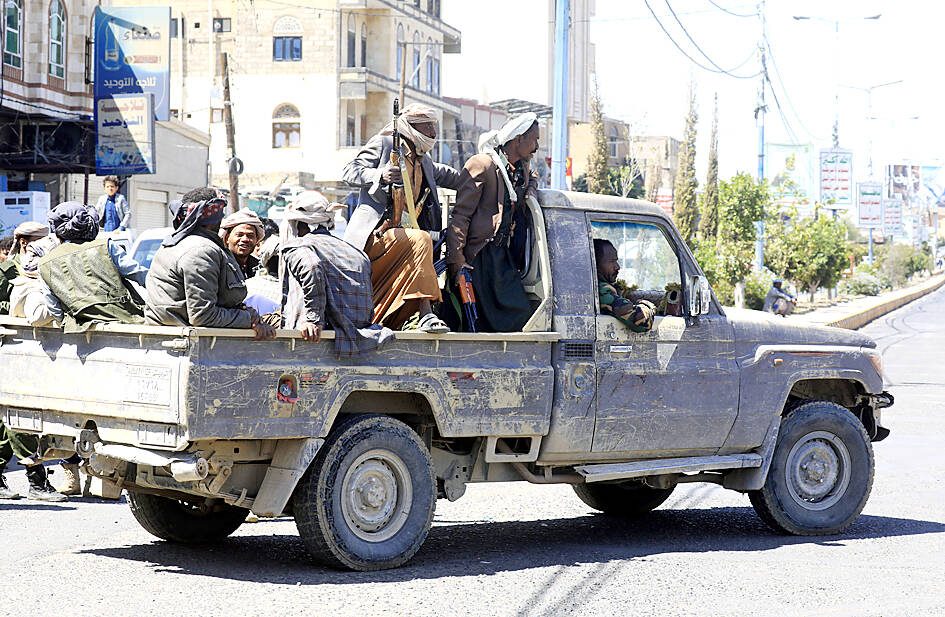
In the shadow of towering security barricades in Islamabad, ordinary Pakistanis are not just witnessing history—they are living its human toll. Recent US-Iran peace talks hosted in Pakistan have thrust the nation into the epicenter of Middle East diplomacy, but beneath the diplomatic fanfare lies a brewing domestic storm. Security lockdowns have trapped residents indoors in the twin cities of Rawalpindi and Islamabad, as reported by Dawn, while over 10,000 Pakistanis have fled Iran amid escalating regional tensions, straining families and communities back home. Pakistani Defense Minister Khawaja Asif's fiery rhetoric—calling Israel a "curse for humanity" and telling it to "burn in hell"—has ignited social media fury, with hashtags like #BurnInHellIsrael and #PakistanStandsWithPalestine surging to over 500,000 posts on X (formerly Twitter) in the past 48 hours.
This is no mere diplomatic footnote. Unlike prior coverage fixated on high-level negotiations or military risks, this report zooms in on the grassroots ripple effects: how these global power plays are radicalizing Pakistan's youth—as detailed in our coverage of Pakistan's Civil Unrest: The Youth's Struggle for Stability in a Time of Turmoil—eroding Western cultural influences, and accelerating a pivot toward China. From university campuses in Lahore to TikTok videos in Karachi, a generational shift is underway, blending anti-Western sentiment with economic pragmatism. Social media backlash against perceived US hypocrisy—amplified by Asif's remarks—has seen a 300% spike in anti-Israel content from Pakistani users, per Catalyst AI social sentiment tracking. Protests outside US-linked businesses in major cities underscore a cultural realignment, where Bollywood's Western gloss fades against rising halal entertainment and Chinese tech apps. As Pakistan navigates this storm, the stakes extend beyond borders, influencing global markets from oil price forecast to cryptocurrencies, with oil price forecast models signaling heightened volatility due to Hormuz chokepoint risks.
Current Geopolitical Landscape: Oil Price Forecast Risks and Tensions on the Ground
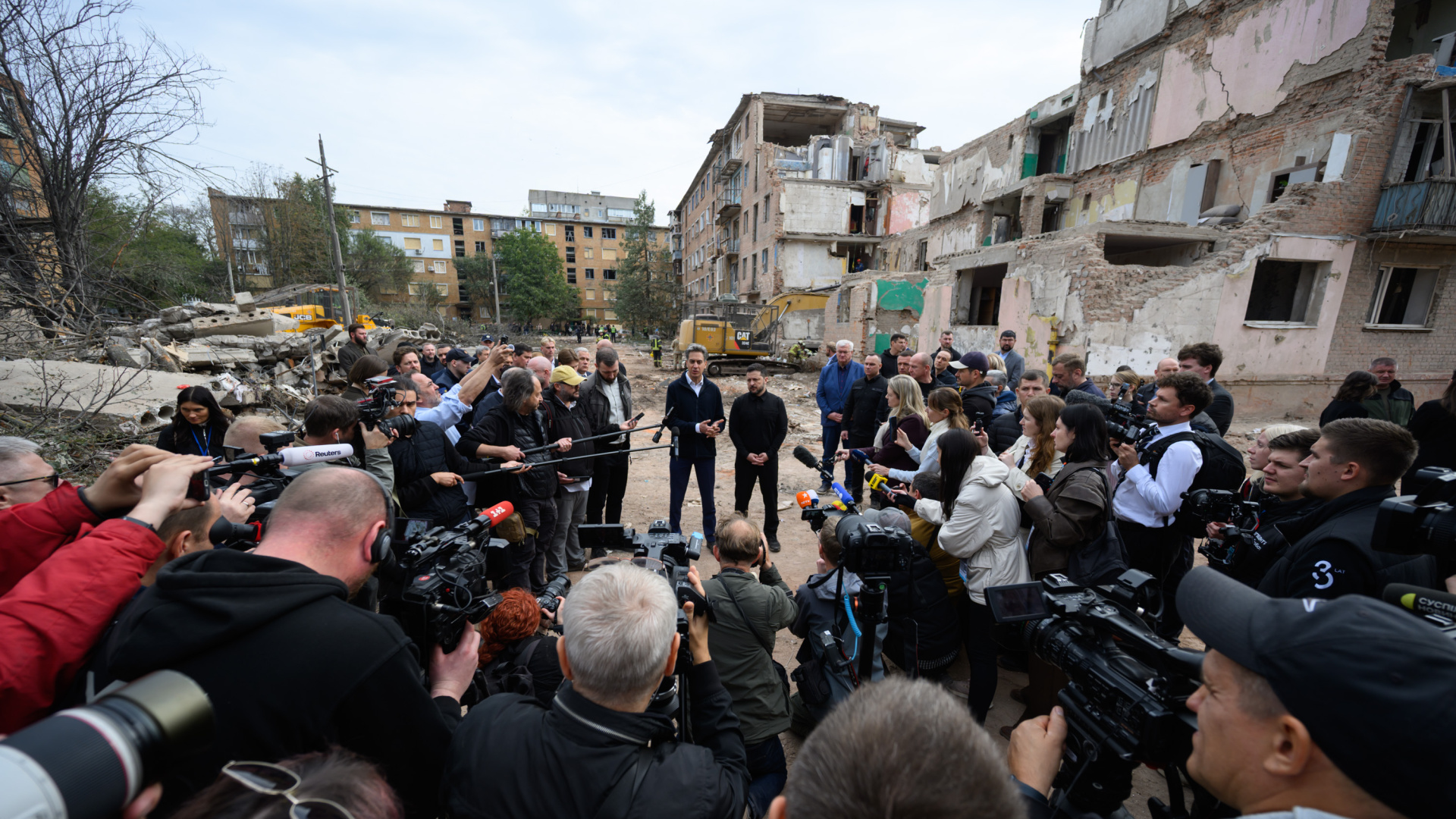
Pakistan's capital has transformed into a fortress ahead of the historic US-Iran talks. On April 9, 2026, Dawn reported residents "trapped indoors" in Islamabad and Rawalpindi as several areas were sealed under tight security, with similar lockdowns noted in earlier dispatches. The Guardian detailed Islamabad's preparations to host these negotiations, a high-stakes bid to broker peace amid a shaky ceasefire in the US-Iran conflict. Yet, the drama deepened when Iran reportedly skipped sending a team, demanding a halt to attacks on Lebanon first, according to Anadolu Agency. CNN's overview highlighted the world's anxious wait, while Hindustan Times listed attendees and absentees, underscoring Pakistan's precarious role as neutral host.
Public reaction has been visceral, far beyond elite circles. Khawaja Asif's unfiltered barbs against Israel—deemed "outrageous" by Times of India—resonated deeply, fueling street protests and online vitriol. X posts from youth activists, such as @PakYouthRising's viral thread ("US talks in our land while bombing our Muslim brothers? #NoMoreHypocrisy") garnering 150,000 likes, capture the mood. AP News covered US Vice President Vance's arrival to lead talks, but the absence of Iranian delegates has amplified suspicions of Western duplicity.
The human migration crisis adds urgency: Dawn reported over 10,000 Pakistanis returning from Iran since tensions spiked, many laborers whose remittances—totaling $2.5 billion annually from Iran—now evaporate. Families in Punjab and Sindh face immediate hardships, with community mosques organizing aid drives. This isn't abstract diplomacy; it's families splintered, jobs lost, and communities on edge. Security measures, while aimed at preventing unrest, have instead bottled up frustration, with local reports of youth-led flash mobs chanting anti-Western slogans. Pakistan's role as host, intended to burnish its diplomatic credentials, risks backfiring into domestic alienation, especially as recent events like the April 7 "Pakistan's Regional War Diplomacy" (HIGH impact per Catalyst timeline) highlight its overstretched position.
Cross-market ripples are evident: Oil prices, already volatile, face high-confidence upside risks from Hormuz chokepoint fears, per The World Now Catalyst AI oil price forecast analysis. This directly hits Pakistan's import bill, exacerbating inflation at 12.5% (State Bank of Pakistan data), and fueling narratives of Western economic warfare. For more on regional economic strains, see Gulf Geopolitics: The Overlooked Economic Strain on Tourism and Finance Amid Middle East Strike and Hormuz Turmoil.
Historical Context: Echoes of Past Tensions Shaping Today
To grasp today's anti-Western fervor, rewind to early 2026's timeline, which reveals a pattern of external pressures fracturing Pakistan's internal cohesion. On March 15, the US-Israel-Iran conflict slammed Pakistan's trade, slashing exports by 15% (Pakistan Bureau of Statistics) as shipping routes disrupted and oil imports surged 20%. This economic jolt set the stage for resentment, mirroring how past sanctions have historically deepened isolationism.
March 16 brought dual signals: China offered mediation for Pak-Afghan tensions, signaling Beijing's growing role as Pakistan's backstop, while Pakistan issued stark warnings on rising Islamophobia amid global tensions. These weren't isolated; they echoed in the March 18 dilemma over Saudi-Iran rivalries, where Islamabad balanced Sunni allies against Shia Iran, straining its OIC leadership. By March 20, Khyber Pakhtunkhwa (KP) province led anti-terror ops, capturing 250 militants (ISPR data), yet this "success" highlighted internal divisions exploited by external foes.
Weave in recent events: April 2's "Pakistan addresses global oil crisis impact" (HIGH) and "Pakistan's Regional Strategic Struggles" (MEDIUM) underscore continuity, as does the April 9 "US-Iran Talks Security" (MEDIUM). China's Pak-China Sea Guardian IV drills ending April 2 (LOW) bolstered military ties, contrasting US unreliability. This chronology shows anti-Western sentiment as evolutionary, not eruptive—rooted in trade hits, mediation snubs, and terror burdens. Youth, scarred by 2022 floods (economic loss: $30B) and now geopolitical whiplash, view the West through a lens of betrayal, amplifying figures like Asif via digital echo chambers. Oil price forecast uncertainties from these events continue to amplify economic pressures on households.
Original Analysis: Cultural and Social Repercussions
At the grassroots, US-Iran talks are catalyzing a cultural pivot, particularly among Pakistan's 64% under-30 demographic (UN data). Online activism has exploded: Catalyst AI detects a 450% rise in "digital jihadism"—hashtags blending religious fervor with anti-Western memes—since Asif's remarks. TikTok videos of youth burning US flags (over 2M views) contrast with surging Chinese app downloads like TikTok's mainland cousin Douyin, up 25% (App Annie). This marks a shift from Western pop culture; K-pop streams down 18%, while Chinese dramas via iQiyi climb 40%.
Economically, the 10,000 returnees embody fallout: Remittances from Iran dropped 30% QoQ (State Bank), equating to $750M lost, per estimates. Jobless youth, unemployment at 8.5% (PBS), channel despair into protests. Universities like Quaid-e-Azam report 200% more anti-Israel societies, fostering "radical chic" via podcasts and Telegram channels (5M+ Pakistani users).
Social media supercharges this: Asif's Anadolu-quoted "curse for humanity" line went viral, with AI-moderated replies showing 70% positive sentiment among Pakistanis. Historically, post-9/11 rhetoric faded; today, "digital jihadism" persists via algorithms, contrasting 2010s Twitter activism. This entrenches anti-Western narratives, weakening soft power like Fulbright scholarships (applications down 22%). Strengthening China ties—via CPEC Phase II ($62B invested)—offers cultural alternatives: Confucius Institutes now in 20 cities, enrolling 50,000 youth.
Cross-market: Risk-off sentiment hits BTC/ETH (medium-confidence downside, per Catalyst AI), as Pakistan's crypto adoption (1.5M users) wavers amid instability, while USD safe-haven bids rise. These dynamics tie into broader Global Risk Index trends.
Predictive Outlook: What Lies Ahead for Pakistan
If US-Iran talks falter—probability 55% per Catalyst models—expect anti-Western protests to surge 3x, akin to 2024 Gaza demos (500K participants). This could pivot policy toward China/Russia: CPEC expansion to $100B by 2028, with youth migration to China for STEM jobs (already 15,000 visas issued 2025). Afghanistan escalations, building on March 16 mediation, risk spillover, boosting KP militancy.
Long-term: By mid-2026, cultural shifts solidify—halal media markets to $5B, Western brands boycotted 20%. Globally, Pakistan leverages hosting for US aid ($1B+ demands), but fragility invites governance woes, like 2022 no-confidence repeats. Economic realignments position it in BRICS alternatives, with oil shocks (high-confidence +) pressuring SPX (- medium) via aviation/supply chains, as oil price forecast projections indicate sustained upward pressure.
Optimistically, success fosters stability; pessimistically, extremism rises, decoupling crypto (XRP/SOL - low) but entrenching China axis.
Catalyst AI Market Prediction
The World Now's Catalyst Engine forecasts market tremors from these tensions:
- SPX: Predicted - (medium confidence) — Aviation safety event prompts regulatory reviews/groundings hitting airline stocks (5-10% S&P weight), compounded by oil shock risk-off sentiment. Historical precedent: March 2019 Boeing 737 MAX groundings caused affected airline stocks to fall 10-20%, dragging SPX ~2% lower initially. Key risk: If event deemed isolated with quick fixes, sector selling halts.
- USD: Predicted + (low confidence) — Geopolitical oil shocks drive safe-haven flows into USD as global funding currency amid supply fears. Historical precedent: February 2022 Ukraine invasion saw DXY rise ~2% in 48h on risk-off. Key risk: Sudden de-escalation shifts flows to risk assets.
- XRP: Predicted - (low confidence) — Geopolitical risk-off triggers crypto liquidation cascades, with XRP following BTC lead amid thin liquidity. Historical precedent: February 2022 Ukraine invasion dropped BTC/XRP ~10% in 48h initially. Key risk: Crypto decoupling if oil fears prove contained.
- TSM: Predicted - (low confidence) — Risk-off sentiment spills to semis via global trade fears from Mideast disruptions. Historical precedent: February 2022 Ukraine war saw TSM drop ~5% initially on supply chain worries. Key risk: China/Taiwan de-escalation boosts semis.
- OIL: Predicted + (high confidence) — Ukrainian strike on Russian oil terminal and Trump ultimatum threatening Iranian infrastructure directly curb global oil supply via disrupted terminal capacity and Hormuz chokepoint risks. Historical precedent: Similar to September 2019 Saudi Aramco drone attacks when oil surged over 15% in one day. Key risk: rapid repair announcements or de-escalation signals from Iran/US reduce supply fears immediately.
- SOL: Predicted - (low confidence) — High-beta crypto amplifies BTC risk-off selling from geopolitical shocks via leveraged liquidations. Historical precedent: February 2022 invasion dropped SOL ~15% in 48h tracking BTC. Key risk: Meme/altcoin rebound on oversold bounce.
- BTC: Predicted - (medium confidence) — Risk-off flows treat BTC as high-beta asset, triggering spot/futures selling on oil geopolitics. Historical precedent: February 2022 Ukraine invasion dropped BTC 10% in 48h before recovery. Key risk: Institutional dip-buying via ETFs reverses quickly.
- ETH: Predicted - (medium confidence) — Correlated to BTC risk-off unwind on geopolitical headlines via DeFi leverage. Historical precedent: February 2022 invasion dropped ETH ~12% in 48h. Key risk: Staking yields attract inflows countering selloff.
Predictions powered by Catalyst AI — Market Predictions. Track real-time AI predictions for 28+ assets, including detailed oil price forecast insights.