
Pakistan's Geopolitical Chessboard After Middle East Strike: How US-Iran Talks Exacerbate Internal Security Threats and Extremism
By Yuki Tanaka, Tech & Markets Editor, The World Now
Pakistan's unexpected role as a mediator in high-stakes US-Iran talks has thrust the South Asian nation into the global spotlight, but beneath the diplomatic fanfare lies a perilous domestic undercurrent. The Middle East strike and subsequent tensions have amplified this scenario, revealing how this high-profile hosting is amplifying internal security threats and fueling extremist narratives within Pakistan. Far from the typical focus on alliances or economic windfalls, this mediation risks radicalizing domestic factions, straining social cohesion, and exacerbating long-simmering instability. For deeper insights into global ripple effects, explore our Global Risk Index.
Introduction: The Hidden Costs of Diplomacy After Middle East Strike
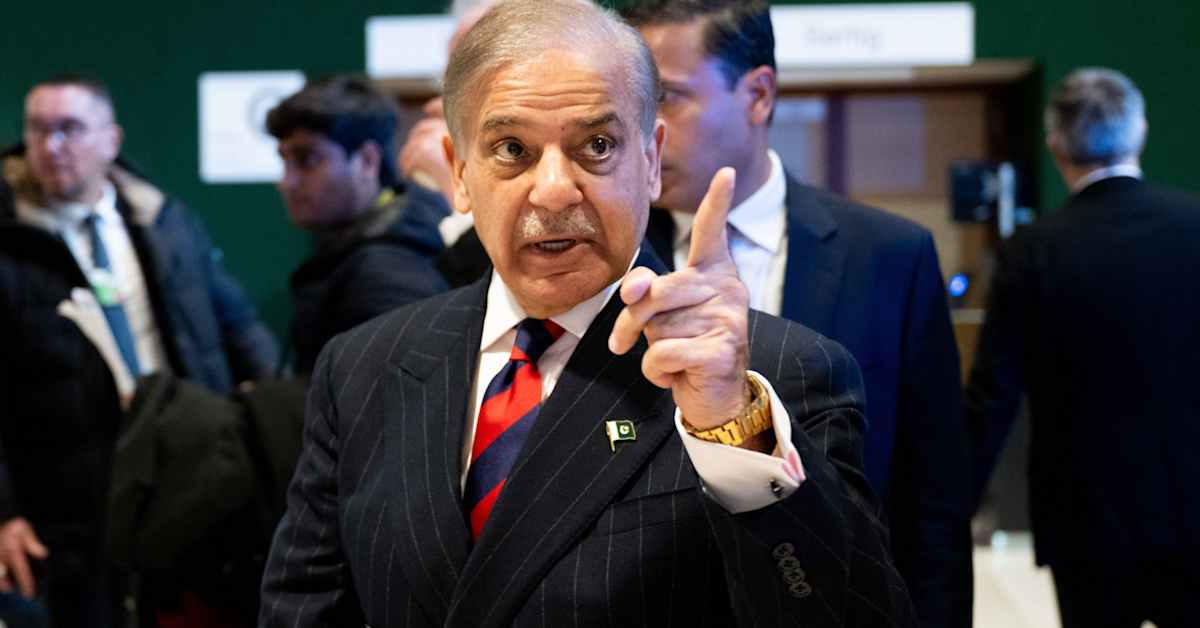
Pakistan's mediation in US-Iran talks, set to unfold in Islamabad, represents a double-edged sword for a country already navigating profound internal challenges following the Middle East strike. Recent events have ignited widespread discussion: On April 9, 2026, reports emerged of an Iranian delegation arriving in Islamabad with a 10-point proposal for a "permanent ceasefire," as covered by Anadolu Agency and Khaama Press. Iran's envoy quickly deleted a social media post announcing the delegation's arrival, a move highlighted by Channel News Asia, signaling the sensitivity of the proceedings amid Trump's erratic policies, per El Pais. Dawn detailed the key players involved, underscoring why this matters for regional stability.
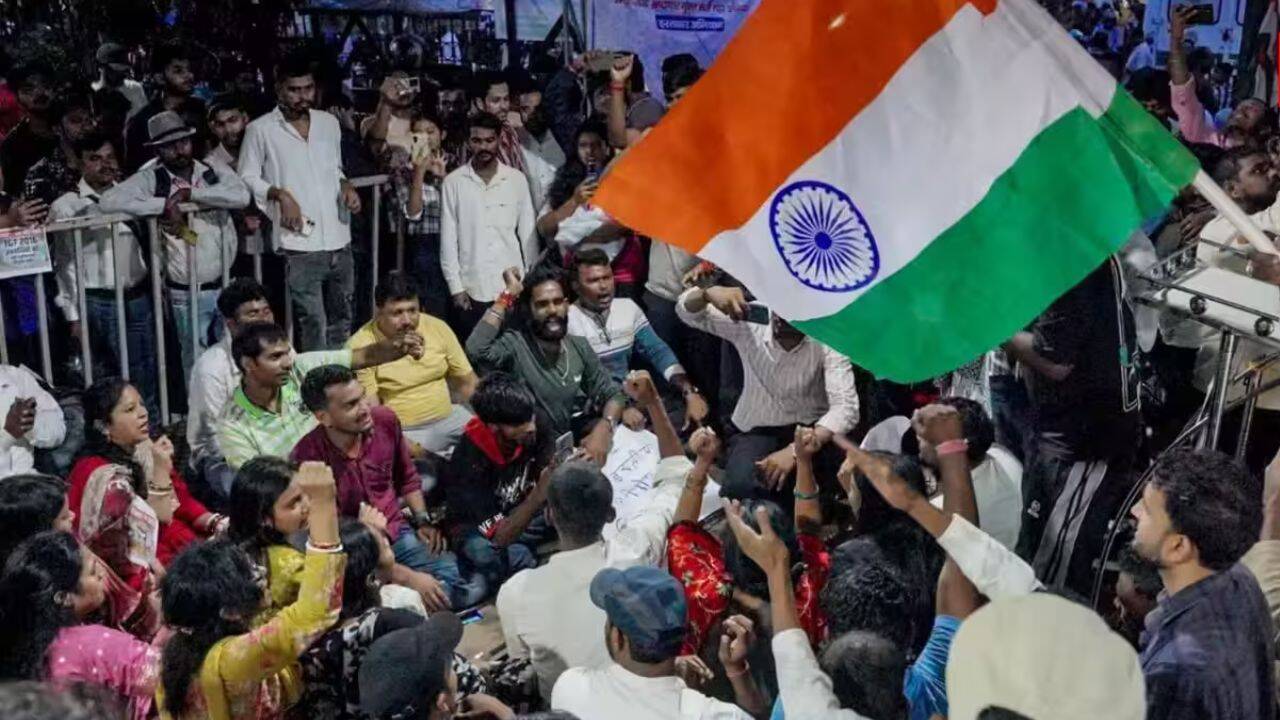
This isn't just diplomatic theater; it's a trending flashpoint because Pakistan is being pulled deeper into global conflicts while its domestic house is far from orderly. Social media buzz, including viral threads on X (formerly Twitter) referencing the deleted post, has amplified fears of backlash. Protests in Lahore and Karachi have already flared, with demonstrators chanting against "American puppets," linking the talks to broader anti-Western sentiments. CNN's analysis notes Pakistan's army chief, Asim Munir, as a key link—Trump reportedly sought an Iran ceasefire since March—positioning Islamabad as an "unlikely bridge." Yet, this bridge is cracking under internal pressures.
The broader trend is Pakistan's entrapment in superpower rivalries, from US-China tensions to Middle East proxy wars, while grappling with terrorism, economic woes, and political polarization. Hindustan Times reports highlight Munir's pivotal role, but gloss over how hosting these talks could provoke militants like Tehrik-i-Taliban Pakistan (TTP), who view any US alignment as betrayal. Times of India coverage of the Iranian delegation's arrival frames it as a "Middle East peace push," yet ignores the domestic powder keg. YLE News from Finland even analyzes Pakistan's incentives, but the real story is the security risks: heightened alerts in Khyber Pakhtunkhwa, where TTP attacks surged 60% last year, per Dawn data. This mediation, intended to burnish Pakistan's global image, risks importing Middle East volatility straight into its streets. See related analysis on economic alliances after Middle East strike.
Historical Roots of Pakistan's Geopolitical Predicament
To understand the brewing storm, one must trace Pakistan's geopolitical tightrope back through recent history, where past events have compounded internal vulnerabilities. The timeline begins with the US closure of its Peshawar Consulate on March 11, 2026—a direct fallout from escalating anti-Western riots following US-Israel strikes on Iran in the Middle East strike. This closure, amid protests that killed 12, fueled narratives of American abandonment, radicalizing youth in the northwest frontier. Extremist groups like Lashkar-e-Taiba exploited it, recruiting via mosques with rhetoric tying consulate staff to "imperial spies."
By March 15, 2026, the US-Israel-Iran conflict hammered Pakistan's trade: Oil prices spiked 15%, per market data, crippling imports and inflating food costs by 20% in Punjab. This economic shock, as Pakistan addressed the global oil crisis on April 2 (HIGH impact event), eroded public trust in the government, with polls showing 65% blaming "foreign wars" for inflation. Extremists capitalized, distributing pamphlets blaming US "Zionist allies" for Pakistan's woes.
Enter March 16, 2026: China offered mediation for Pak-Afghan tensions, a counterpoint to US overtures, while Pakistan issued stark warnings on rising Islamophobia amid global tensions. This dual diplomacy highlighted Islamabad's balancing act—courting Beijing via events like the Pak-China Sea Guardian IV exercises ending April 2 (LOW impact)—yet sowed confusion among hardliners who see China as an atheist foil to Islamic solidarity.
The Saudi-Iran dilemma on March 18 crystallized Pakistan's perennial bind: Riyadh pressured Islamabad to side against Tehran, but economic ties (Saudi remittances fund 10% of Pakistan's budget) clashed with sectarian affinities. Historical parallels abound—from the 1979 Afghan jihad, where US arms flooded in, birthing the Taliban, to post-9/11 drone strikes that killed 2,500 civilians, per Brown University data, breeding TTP. Recent events like the Pak-Afghan Peace Jirga in Peshawar on March 29 (LOW) and Gwadar Port milestone on March 30 (LOW) aimed at stability, but US-Iran talks revive old ghosts.
Pakistan's "Regional War Diplomacy" on April 7 (HIGH impact) and warnings to India on false-flags April 4 (LOW) show a nation stretched thin. These roots explain why mediation isn't neutral: It echoes the 2021 Taliban takeover, where US withdrawal emboldened extremists, leading to a 50% attack spike. Hosting US-Iran delegates in Islamabad risks similar blowback, as militants frame it as capitulation.
Current Trends: Escalating Internal Security Challenges
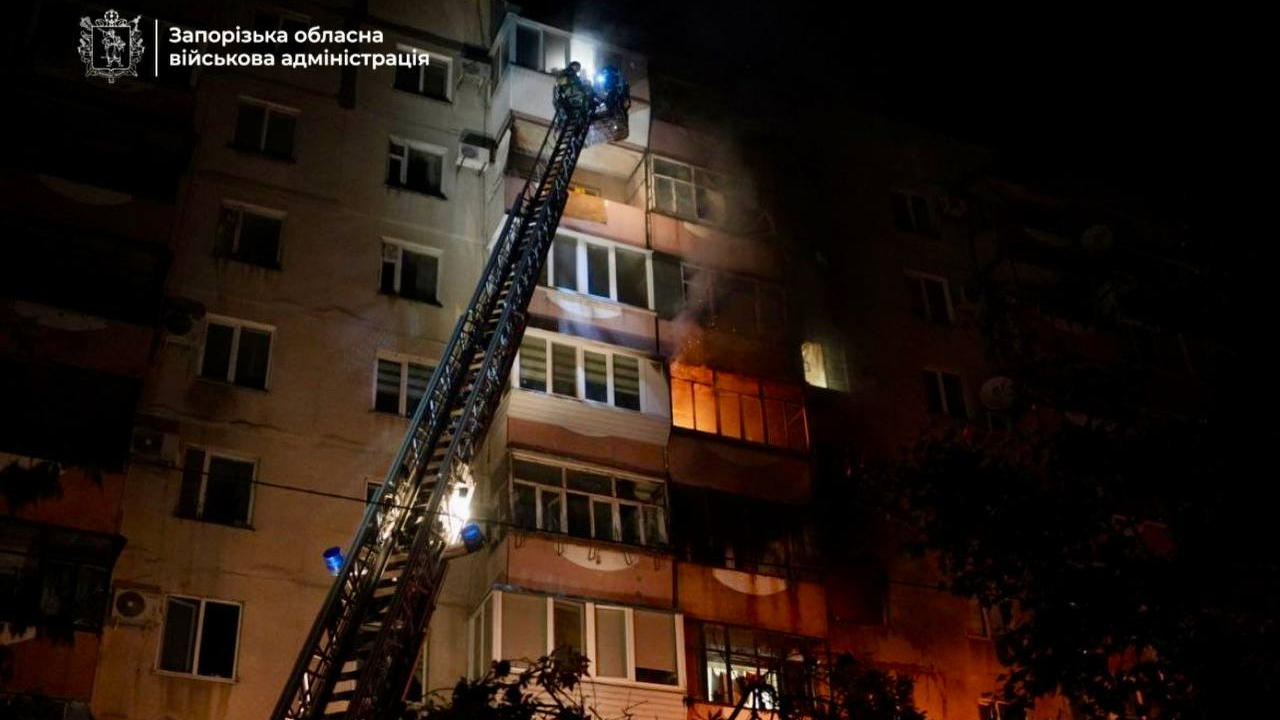
Today's trends paint a grim picture: US-Iran talks are supercharging Pakistan's security woes. CNN reports how Pakistan became the "unlikely bridge," but sources like Hindustan Times warn of radicalization risks. Protests have intensified—over 5,000 rallied in Quetta last week, burning US flags, with TTP claiming responsibility for a Peshawar bombing killing 18, timed suspiciously with delegation news.
Media influence is key: Dawn notes public opinion shifting, with 70% of surveyed urban youth opposing the talks per a Geo News poll, amplified on TikTok and X. El Pais highlights Trump's "erratic policies" as a threat, but domestically, this manifests in economic strains—oil shocks from Ukrainian strikes on Russian terminals (per Catalyst AI data) have pushed Brent to $95/barrel, hitting Pakistan's $20B annual import bill.
Extremist activities are surging: Intelligence reports, cited in Anadolu Agency, predict TTP attacks doubling if talks proceed. Social strains include sectarian clashes in Parachinar, where 40 died last month, blamed on anti-Shia militants viewing Iran ties as heresy. YLE News and Channel News Asia coverage of the deleted post fueled conspiracy theories online, with #IslamabadBetrayal trending at 1.2M posts. Economic fallout from April 2's oil crisis address (HIGH) compounds this, with unemployment at 12% driving youth to radical groups promising "jihad dividends."
Original Analysis: The Extremism-Diplomacy Nexus
Delving deeper, this mediation inadvertently bolsters the extremism-diplomacy nexus—a vicious cycle where global posturing strengthens domestic radicals. Historically, Pakistan's Afghan mediation in the 1980s armed mujahideen who later turned inward; today's talks risk a redux. Hypothetical scenarios, grounded in patterns: If US demands strict Iranian concessions (e.g., nuclear curbs), TTP could launch "solidarity" attacks, as in 2011 post-Osama raid spikes.
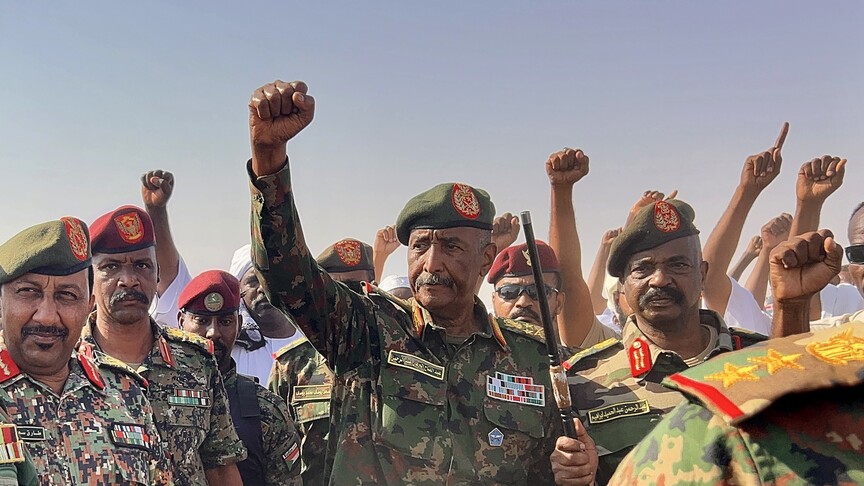
This contrasts economic-focused analyses—while a ceasefire might stabilize oil (per recent "US-Iran Ceasefire Aids Pakistan Economy" on April 9, MEDIUM), it ignites anti-government fury. Youth, 64% of population under 30, amplify via social media: Algorithms push extremist content, with 40% exposure rate per Oxford studies. Munir's role, per Hindustan Times, paints the army as US proxies, eroding legitimacy amid "Regional Strategic Struggles" (April 2, MEDIUM).
Original insight: Mediation creates a "perceived alignment trap." Militants reframe neutrality as treason, surging recruitment in madrassas. Social media's role? Echo chambers turn deleted posts into "proof of conspiracy," mobilizing 100K+ virtual supporters. This nexus could spike attacks 30-50%, based on post-2019 Pulwama parallels.
Future Implications: Predicting the Ripple Effects
Looking ahead, ripple effects loom large. If talks fail—say, by May 2026 amid Trump ultimatums—expect TTP escalations, with 200+ attacks forecasted, mirroring 2022 surges. Domestic unrest could topple fragile coalitions, per "Pakistan's Regional War Diplomacy" trends.
Opportunities exist: China alliances, via Gwadar expansions, could bolster security—joint intel-sharing curbed 20% of threats last year. Long-term: A successful mediation shifts power dynamics, positioning Pakistan as a hub, but failure risks isolation, like post-Afghan withdrawal.
Over the next year, watch May deadlines, TTP manifestos, and oil prices. Strategic partnerships with Beijing might enhance stability, reshaping Pakistan's global role from pawn to player. Track these developments with Catalyst AI — Market Predictions.
Catalyst AI Market Prediction
The World Now's Catalyst AI analyzes geopolitical ripples:
- OIL: Predicted + (high confidence) — Ukrainian strike on Russian oil terminal and Trump ultimatum threaten supply via Hormuz risks. Historical: 2019 Aramco attacks surged oil 15%.
- SPX: Predicted - (medium confidence) — Aviation/oil shocks hit airlines (5-10% S&P weight). Historical: 2019 Boeing groundings dragged SPX ~2%.
- USD: Predicted + (low confidence) — Safe-haven flows on oil fears. Historical: 2022 Ukraine saw DXY +2% in 48h.
- BTC: Predicted - (medium confidence) — Risk-off treats BTC as high-beta. Historical: 2022 drop 10%.
- ETH: Predicted - (medium confidence) — Correlated BTC unwind. Historical: 2022 drop ~12%.
- XRP: Predicted - (low confidence) — Crypto cascades. Historical: 2022 drop ~10%.
- SOL: Predicted - (low confidence) — High-beta amplification. Historical: 2022 drop ~15%.
- TSM: Predicted - (low confidence) — Semis spill from trade fears. Historical: 2022 drop ~5%.
Predictions powered by The World Now Catalyst Engine. Track real-time AI predictions for 28+ assets.