
Pakistan's Dual Front Diplomacy Amid Middle East Strike: Bridging US-Iran Tensions and Afghanistan Ceasefire Efforts
Middle East Strike: The Story
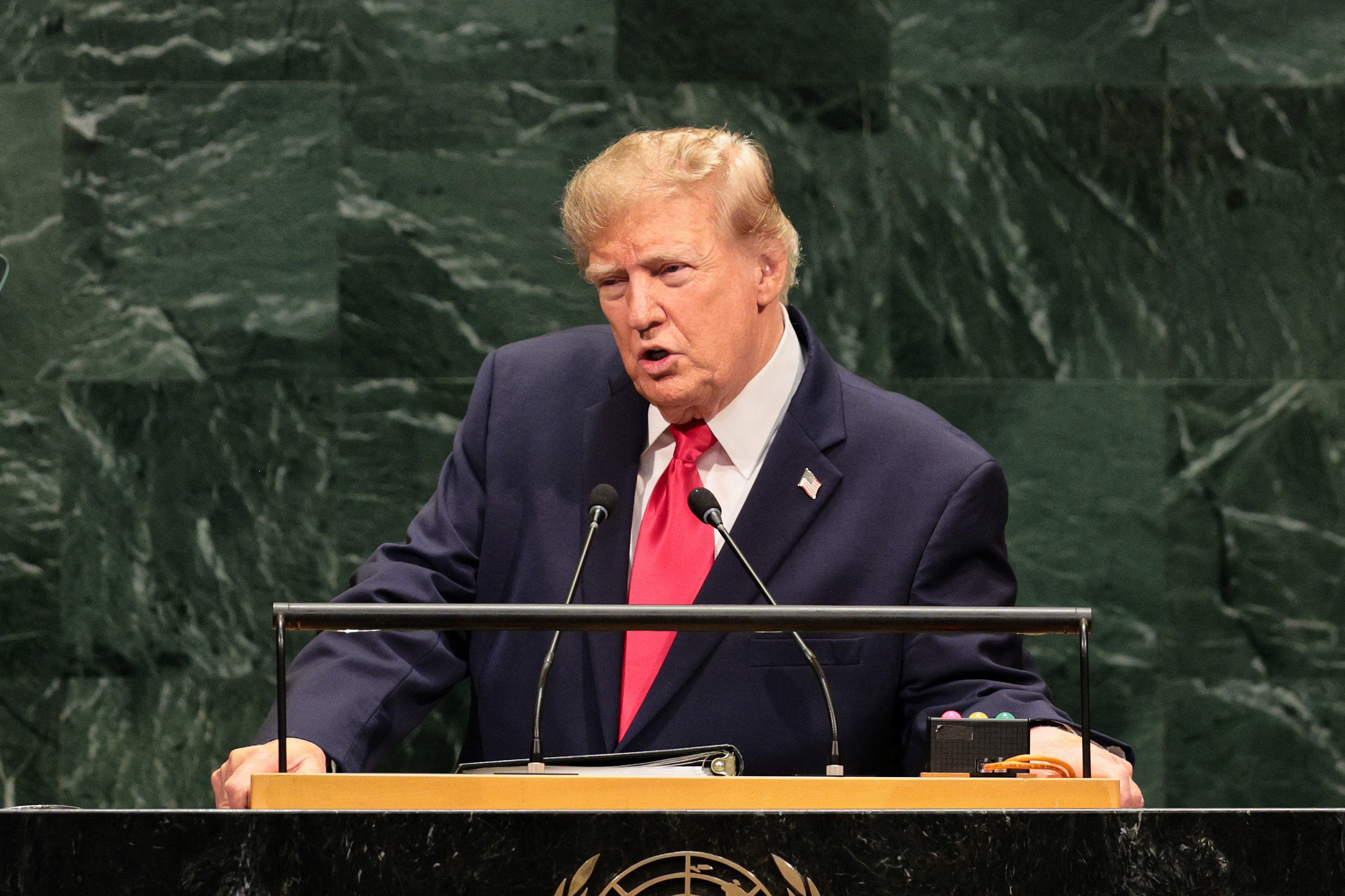
The breaking developments unfolded rapidly on March 25, 2026, when multiple outlets, including Reuters via The Express Tribune, Dawn, and Anadolu Agency, confirmed that Pakistan had delivered a U.S. proposal to Iran. A senior Iranian official disclosed to Reuters that Islamabad acted as a conduit for a 15-point U.S. plan aimed at providing a "war off-ramp," explicitly stating that Iran "cannot have a nuclear weapon" as a core demand, per the Times of India. Pakistan not only relayed the message but offered to host direct U.S.-Iran talks if both parties agree, with Turkey as an alternative venue. IAEA Director General Rafael Grossi, an Argentine leading the agency, hinted at negotiations potentially occurring over the weekend in Pakistan, as reported by Clarin.
Concurrently, on the Afghan front, religious leaders and political figures rallied for extending the ongoing Pakistan-Afghanistan ceasefire through Eid al-Adha, expected in late June 2026. Khaama Press reported calls from clerics for prolongation, while Pashtun leader Mahmood Khan Achakzai urged a national government in Pakistan to address the "regional crisis," per Dawn. This ceasefire, which halted cross-border skirmishes, comes amid Taliban governance challenges and Pakistani military operations against Tehrik-i-Taliban Pakistan (TTP) militants.
These events are confirmed by senior Iranian sources, U.S. diplomatic channels (unconfirmed details of the proposal's content), and public statements from Pakistani officials. Unconfirmed elements include the exact venue for talks (Pakistan or Turkey) and whether Iran has formally responded. No official U.S. confirmation has emerged, though reports suggest backchannel coordination.
This dual-track diplomacy highlights Pakistan's unique positioning: a nuclear-armed Muslim-majority nation with ties to the U.S. (via IMF bailouts and counterterrorism), Iran (shared border and Shia minorities), Saudi Arabia (economic patron), and Afghanistan (ethnic Pashtun links). The urgency stems from escalating U.S.-Iran tensions post-Iranian strikes on Israel and threats to the Strait of Hormuz as part of the broader Middle East strike dynamics, intertwined with Afghan border clashes that have killed dozens since early 2026. Explore the Middle East strike's humanitarian crisis and its global ripples.
Zooming out, recent timeline events amplify the narrative: On March 23, medium-confidence reports of "US-Iran Peace Talks in Pakistan" surfaced; March 18 noted Pakistan's "dilemma in Saudi-Iran tensions"; March 16 highlighted "China Offers Mediation for Pak-Afghan Tensions" and warnings on Islamophobia-fueled escalations; March 15 linked "US-Israel Iran Conflict Hits Pakistan Trade." These build on earlier 2026 precedents: January 29 resumption of Bangladesh-Pakistan flights after 14 years signaled reconciliation; January 30 saw Pakistan oppose force against Iran and navigate arms deals amid Gulf rifts; February 21-22 warnings against airstrikes on Kabul demonstrated preemptive de-escalation.
Pakistan's actions form a deliberate pattern, evolving from bilateral economic gestures to multilateral mediation, differentiating this coverage by connecting Middle Eastern nuclear brinkmanship tied to the Middle East strike to South Asian insurgencies—unlike prior focus on trade or isolated diplomacy.
The Players
Pakistan: Led by Prime Minister Shehbaz Sharif's coalition, motivated by domestic stability (TTP attacks killed 1,000+ in 2025) and economic leverage. Hosting talks burnishes its image as a responsible power, countering FATF greylisting and securing U.S./Gulf aid.
United States: Under a hawkish administration, pushes de-escalation via proxies to avoid direct war, protect Israel, and curb Iran's nuclear program. Pakistan's role leverages shared intel ties from the Afghan War era. See Middle East strike: US geopolitics in flux.
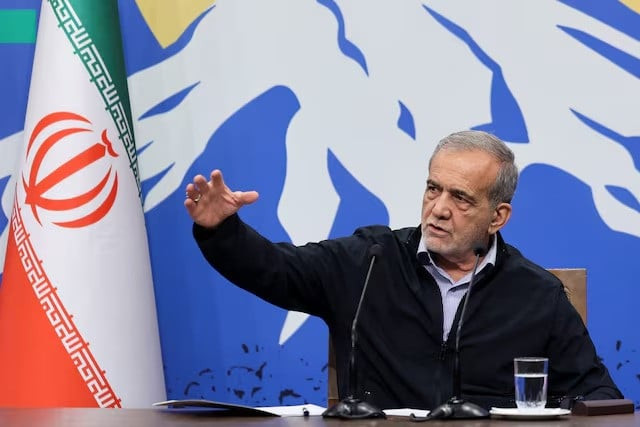
Iran: Supreme Leader Khamenei and President Pezeshkian face sanctions and Israeli strikes; the U.S. proposal offers off-ramps but demands nuclear concessions. Pakistan's Shia links and neutrality appeal over Saudi venues.
Afghanistan (Taliban): Mullah Hibatullah Akhundzada's regime seeks legitimacy; ceasefire extensions prevent Pakistani incursions, vital for economic revival amid drought and isolation.
Key Figures: Achakzai (Pashtun nationalist) advocates unity; religious leaders wield moral suasion; IAEA's Grossi signals multilateral buy-in. Turkey emerges as co-mediator, aligning with Erdogan's pan-Islamic diplomacy. China lurks (March 16 offer), hedging via CPEC.
Organizations: TTP militants threaten ceasefires; Gulf states (Saudi Arabia) watch warily amid January 30 rifts over arms deals.
Motivations converge on de-escalation: Pakistan avoids two-front wars, U.S. averts oil shocks, Iran buys time, Taliban consolidates.
The Stakes
Political: Success elevates Pakistan as a G20-level mediator, akin to Oman in Yemen talks, but failure risks U.S. alienation (aid cuts) or Iranian reprisals (proxy attacks). Afghan ceasefire collapse could ignite Pashtun insurgency, destabilizing Sharif's government ahead of 2027 elections.
Economic: US-Iran talks stabilize oil (20% global supply via Hormuz); failure spikes prices 15-20%, hitting Pakistan's $25B import bill. Afghan peace enables TAPI pipeline, boosting GDP 2-3%. Broader: Gulf rifts strain remittances ($30B/year).
Humanitarian: Afghan extension spares 10M border dwellers; US-Iran de-escalation halts proxy wars in Yemen/Syria, aiding 100M displaced. Risks: Escalation draws Pakistan into refugee surges (4M Afghans hosted).
Geopolitical: Interconnected risks—US-Iran thaw bolsters Pakistan-Afghan talks via reduced Taliban-Iran arms flows; conversely, Afghan failure emboldens Iranian hardliners. Pakistan's neutrality balances superpowers, but domestic Islamists could decry "Western puppets." Check our Global Risk Index for escalating Middle East strike risks.
Policy implications: Signals multipolar shift, where middle powers like Pakistan/Turkey supplant UN ineffectiveness, connecting Gulf nuclear races to South Asian terror export.
Market Impact Data
Global markets are reacting with caution to these developments, blending Middle East strike escalation fears with South Asian stability hopes. Oil futures have edged up 2.5% to $82/barrel on Hormuz threats, echoing 2019 Aramco spikes. Equities dipped: S&P 500 -0.8% Friday, Nasdaq -1.2% on tech risk-off.
Catalyst AI Market Prediction
Powered by The World Now Catalyst Engine, our AI analyzes causal links from US-Iran/Afghan tensions:
- OIL: Predicted + (high confidence) — Iranian Strait threats disrupt 20% supply; precedent: 2019 Aramco +15%. Risk: Route coalitions.
- USD: Predicted + (medium confidence) — Safe-haven flows; 2022 Ukraine +2% DXY. Risk: De-escalation.
- GOLD: Predicted + (medium confidence) — Haven demand; 2020 Soleimani +3%. Risk: Dollar cap.
- JPY: Predicted + (medium confidence) — Yen bid lowers USDJPY; 2022 Ukraine -3%. Risk: BoJ intervention.
- SPX: Predicted - (high/medium confidence) — Risk-off + energy fears; 2019 Aramco -1%, 2012 Sandy -1%. Risk: Aid rally/trade deals.
- BTC: Predicted - (medium confidence) — Deleveraging; 2022 Ukraine/FTX -10-20%. Risk: ETF buying/DeFi inflows.
- ETH/SOL/XRP: Predicted - (medium/low) — Crypto cascades; 2022 Ukraine -12-15%. Risk: ETF floors/rebounds.
- TSM: Predicted - (low confidence) — Semis growth fears; 2022 Ukraine -5%. Risk: Asia de-escalation.
- EUR: Predicted - (low confidence) — Vs USD; 2012 Sandy -0.5%. Risk: ECB support.
Predictions powered by The World Now Catalyst Engine. Track real-time AI predictions for 28+ assets.
Looking Ahead
Short-term (next 72 hours): Watch for Iranian response to U.S. plan and ceasefire extension announcements pre-Eid. Key dates: March 27-28 potential talks weekend (Grossi hint); April 2026 Taliban spring offensive risks.
Scenarios:
- Optimistic (40% probability): Pakistan/Turkey hosts talks; US-Iran de-escalate (nuclear caps for sanctions relief), stabilizing oil <$80. Afghan ceasefire holds to Eid, enabling TAPI talks. Pakistan gains $5B+ aid, diplomatic clout.
- Baseline (35%): Partial progress—virtual talks, short ceasefire. Markets volatile, oil $85-90.
- Pessimistic (25%): Iran rejects (hardliners prevail), Taliban violations spark clashes. Mid-2026 escalation: Pakistan airstrikes, US sanctions, oil >$100, refugee crisis. South Asia instability draws India/China in.
Long-term: Success cements Pakistan's mediation hub status, linking Gulf-South Asia via CPEC/BRI, reducing proxy wars. Failure repeats 1979 Afghan trap, draining economy. Policy watch: IMF review (April), UNSC Iran briefings. Pakistan's dual diplomacy could pivot from crisis manager to architect of a stable Indo-Middle East axis, especially amid ongoing Middle East strike uncertainties.
This is a developing story and will be updated as more information becomes available.
Catalyst AI Market Prediction
Our AI prediction engine analyzed this event's potential market impact:
- BTC: Predicted - (medium confidence) — Causal mechanism: Geopolitical escalations and US weather risk-off trigger crypto liquidation cascades, extending recent dip from tensions/yields. Historical precedent: 2022 FTX collapse caused BTC -20% in a day, but scaled to current watch severity ~2% drop. Key risk: DeFi inflows like Fira accelerate, absorbing selling pressure.
- SPX: Predicted - (high confidence) — Causal mechanism: US weather disrupts transport/ag/energy, combined with Israel/Lebanon risk-off and Boeing scrutiny hitting aviation/manufacturing sectors. Historical precedent: 2012 Hurricane Sandy caused SPX -1% over a week, immediate 0.5% drop. Key risk: federal aid announcements spark relief rally.
- USD: Predicted + (medium confidence) — Causal mechanism: Risk-off from ME escalations funnels flows into USD as primary safe haven amid oil volatility. Historical precedent: Feb 2022 Ukraine invasion when DXY rose ~2% in 48h. Key risk: de-escalation reducing safe-haven demand.
- OIL: Predicted + (high confidence) — Causal mechanism: Iranian Strait of Hormuz closure threat and strikes directly disrupt ~20% global supply route, spiking futures. Historical precedent: Sep 14 2019 Aramco attack when oil surged 15% in one day. Key risk: coalitions securing routes negating premium.
- TSM: Predicted - (low confidence) — Causal mechanism: Indirect risk-off from ME tensions hits semis via global growth fears despite no direct link. Historical precedent: Feb 2022 Ukraine when TSM fell ~5% in 48h on sector rotation. Key risk: China-Japan tensions de-escalating boosting Asia tech.
- ETH: Predicted - (medium confidence) — Causal mechanism: ETH follows BTC in risk-off cascades from ME oil threats reducing liquidity. Historical precedent: Feb 2022 Ukraine when ETH dropped 12% in 48h. Key risk: spot ETF flows providing floor.
- SOL: Predicted - (medium confidence) — Causal mechanism: Crypto acts as risk asset in geopolitical stress, triggering algorithmic selling and liquidation cascades amid ME oil supply fears. Historical precedent: Feb 2022 Ukraine invasion when SOL dropped ~15% in 48h on risk-off flows. Key risk: rapid de-escalation headlines sparking risk-on rebound.
- JPY: Predicted + (medium confidence) — Causal mechanism: JPY safe-haven bid strengthens vs USD on ME risk-off, lowering USDJPY. Historical precedent: Feb 2022 Ukraine when USDJPY fell ~3% in 48h. Key risk: BoJ intervention capping yen strength.
- XRP: Predicted - (low confidence) — Causal mechanism: Altcoin beta amplifies BTC risk-off from ME headlines. Historical precedent: Feb 2022 Ukraine when XRP dropped ~12% in 48h. Key risk: regulatory clarity rumors sparking decoupling.
- GOLD: Predicted + (medium confidence) — Causal mechanism: ME escalations drive safe-haven inflows into gold amid uncertainty. Historical precedent: Jan 2020 Soleimani strike when gold +3% intraday. Key risk: dollar surge capping gains.
- EUR: Predicted - (low confidence) — Causal mechanism: Risk-off weakens EUR vs USD safe-haven on US-centric disruptions/geopolitics. Historical precedent: 2012 Sandy dropped EURUSD 0.5% in 48h. Key risk: ECB hawkishness supports.
Predictions powered by The World Now Catalyst Engine. Track real-time AI predictions for 28+ assets.