
Pakistan Air Strikes Kill 26 Militants in Afghanistan According to Islamabad
Pakistan conducted the Afghanistan strikes on targets in Afghanistan's Kunar, Khost and Paktika provinces, killing at least 13 civilians according to the Taliban while Islamabad reported 26 militants killed in response to recent terrorist attacks inside Pakistan. [1] [4] The strikes broke months of relative calm along the border and came after Pakistan accused Afghanistan of harbouring terrorists responsible for attacks on its soil. [1] [2]
Pakistan's Account of the Strikes
Pakistan's Information Minister Attaullah Tarar stated the strikes were calibrated, precise attacks on four targets including a training centre, hideout, ammunition cache and centres linked to TTP commanders Aleem Khan Khushali and Akhtar Muhammad Jani Khel, killing 26 militants described as Fitna-al-Khawarij. [1] [4] Tarar said Wednesday's strikes had been a response to recent terrorist incidents in Pakistan and had targeted hideouts and safe havens near the border. [1] The minister elaborated that four targets were completely destroyed, including a training centre, a hideout, and an ammunition cache and marakiz belonging to Fitna-al-Khawarij Commander Aleem Khan Khushali and Commander Akhtar Muhammad Jani Khel. [4] Pakistan uses the term Fitna-al-Khawarij to refer to the Tehreek-e-Taliban Pakistan and its affiliates. [4] Tarar affirmed that Pakistan had always strived for maintaining peace and stability in the region, but at the same time the safety and security of citizens remains the top priority. [1] [4] The information ministry's fact-checking account stated that the Afghan Taliban spokesperson and associated accounts were habitual propagandists known for fabricating civilian casualty narratives. [4] It added that the narrative of collateral damage cannot prevent defensive measures by Pakistan, which it said were eliminating safe havens and logistic support for terrorists responsible for terrorist activity in Pakistan. [4] Pakistan's targeting is precise and based on confirmed intelligence, according to the post. [4] Islamabad has repeatedly urged the Taliban administration to dismantle terrorist sanctuaries on Afghan soil, particularly those linked to the banned Tehreek-i-Taliban Pakistan. [4] Officials say those appeals have gone unheeded. [4] The strikes followed a Tuesday attack on a Federal Constabulary post in Peshawar that killed six officers, as well as prior incidents including a foiled vehicle-borne suicide attack in North Waziristan on June 2 and a May 9 suicide attack in Bannu that killed 15 police. [1] [4]
Taliban Reports of Civilian Casualties
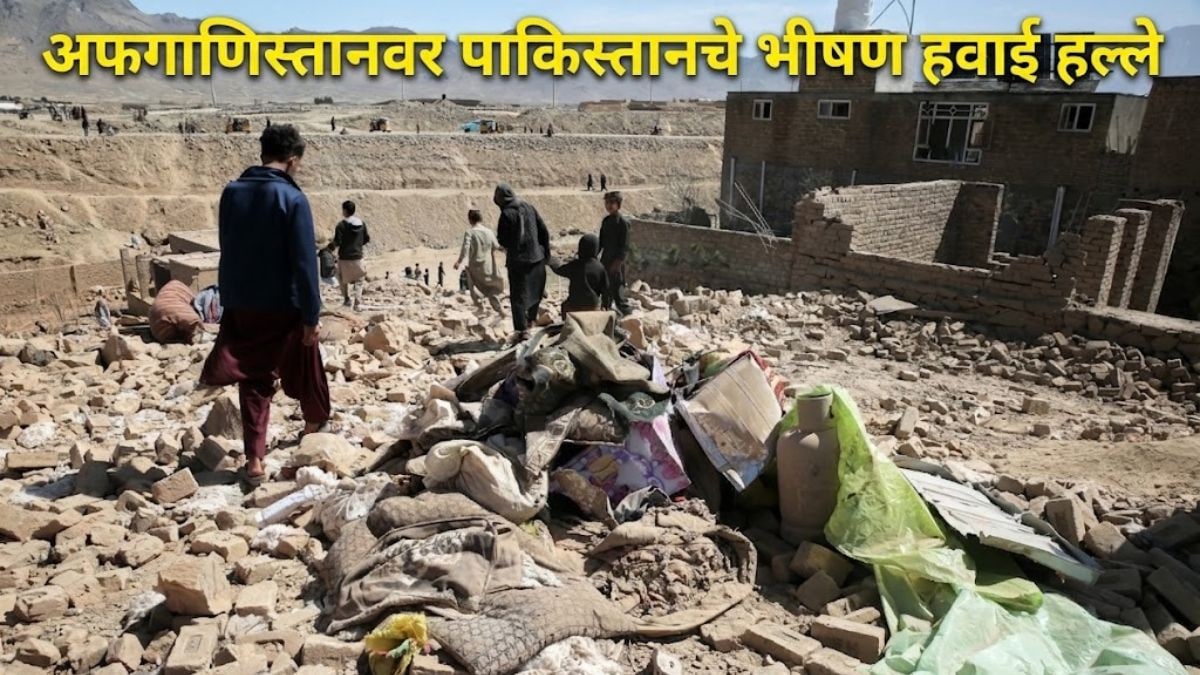
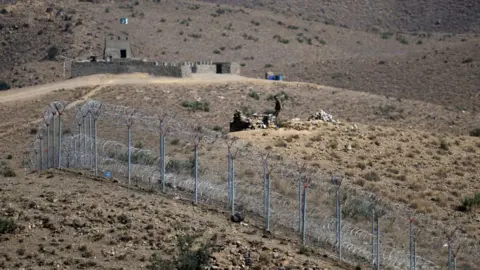
Pakistan air strikes targeted militant sites in Afghanistan's Kunar, Khost and Paktika provinces. — Source: gdelt
Taliban spokesperson Zabihullah Mujahid reported 13 deaths including 11 children, one woman and one elderly man, plus 14 women and children injured, claiming the strikes hit civilian homes in three provinces. [1] [2] [5] Mujahid said that 11 children, one woman and one elderly man had been killed in Pakistani strikes in the provinces of Kunar, Khost and Paktika. [1] [2] He also said that 14 women and children were injured in the Pakistani bombing. [1] [2] Mujahid claimed that the strikes targeted civilian homes and described the attacks as a crime. [5] Afghanistan has repeatedly said its territory is not being used to threaten other countries. [1] [2] The Taliban government rejects the claim that it harbours terrorists who carry out attacks on Pakistani soil. [1] Local sources reported multiple explosions across parts of eastern Afghanistan overnight, while details about the exact targets and circumstances of the strikes remain unclear. [5] The strikes also come amid growing international concern over regional stability, as neighboring countries face mounting security challenges linked to militancy, refugee flows and economic pressures. [5]
Recent Terrorist Attacks Cited by Pakistan
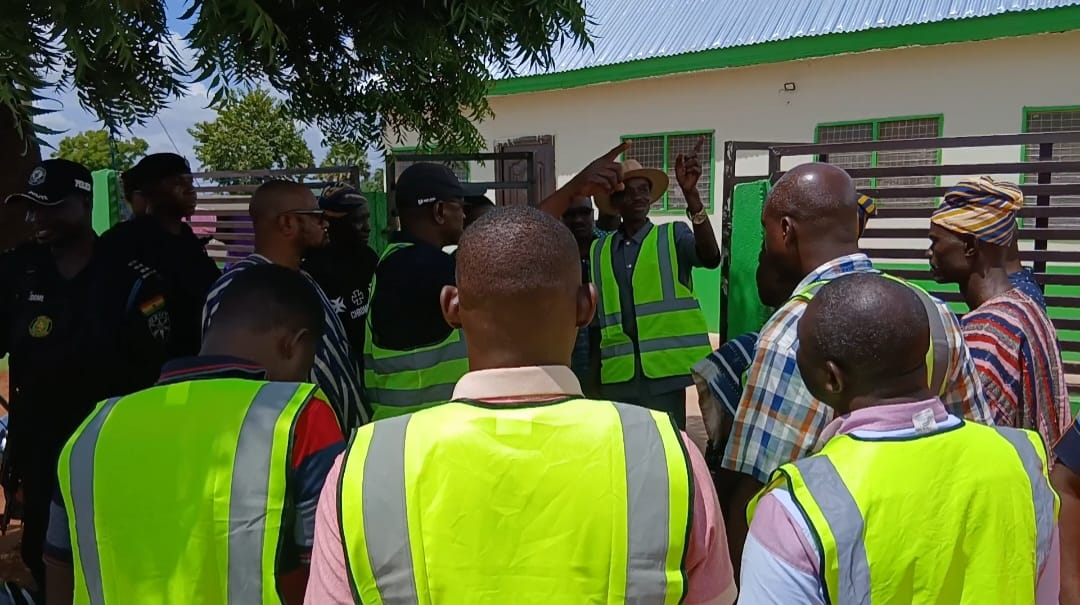
Pakistan accuses Afghanistan of harbouring TTP terrorists responsible for attacks on its soil, a claim the Taliban rejects, insisting its territory is not used to threaten other countries. [1] [4] The bombardment came a day after an attack on security forces near Peshawar, in which the Pakistani government said at least six officers were killed. [1] Tarar noted that the strikes were carried out in the aftermath of recent terrorist incidents in Pakistan, including Tuesday’s attack on a Federal Constabulary post in Musa Dara in Peshawar. [4] Six FC personnel were martyred and four received injuries while responding to an attempt by terrorists to capture the post, which was thwarted by security forces. [4] The forces killed eight terrorists in retaliatory action, sources said, adding that three personnel had been abducted by the attackers. [4] Tarar also mentioned vehicle-borne suicide attacks on a military post in North Waziristan on June 2, which was foiled, and the May 9 suicide attack on a Bannu post that claimed the lives of 15 police personnel. [4] Following that incident, Islamabad had issued a strong demarche to the Afghan chargé d’affaires. [4] The minister also mentioned an attack on a police station in Bannu on May 9. [4] Two police personnel were martyred in the incident after law enforcers foiled a suicide attack on Fateh Khel police post. [4] Islamabad has repeatedly urged the Taliban administration since then to dismantle terrorist sanctuaries on Afghan soil. [4] For their part, the Afghan Taliban have denied the allegations and say militancy in Pakistan is an internal problem. [4]
History of Cross-Border Tensions
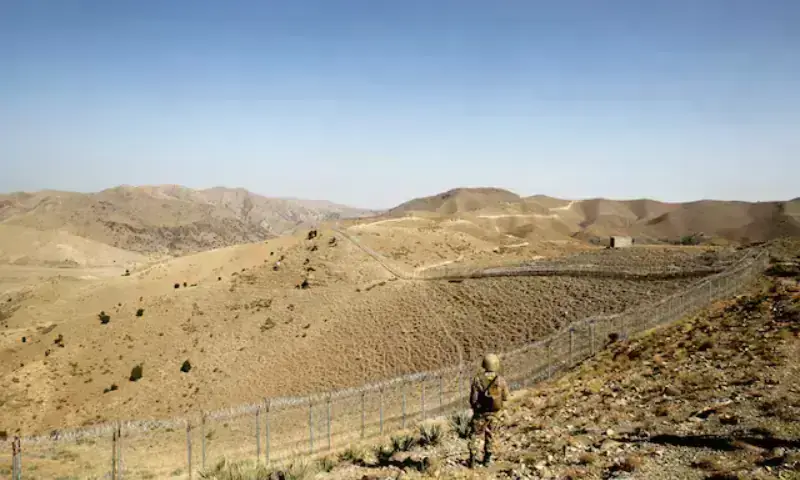
Pakistan air strikes targeted terrorist hideouts in Afghan provinces of Kunar, Khost and Paktika. — Source: dawn
Tensions escalated in late February with cross-border clashes leading to Pakistani strikes on Kabul, Kandahar and Paktika; China mediated a temporary ceasefire that held until these latest strikes. [1] [2] [4] The clashes in late February involved an offensive by Afghanistan's Taliban government on Pakistani military bases near the border. [1] Pakistan responded by bombing targets in Kabul, and the provinces of Kandahar and Paktika. [1] It was the deadliest single attack in Afghanistan's recent history, including 20 years of war between the Taliban, and Nato and Afghan republic forces. [1] In February, Pakistan had launched Operation Ghazab lil-Haq, following unprovoked firing by the Afghan Taliban from across the border. [4] During the operation, Pakistan has said it targeted terror infrastructure, including ammunition and equipment storage sites. [4] The operation was paused briefly in March during Eidul Fitr. [4] China has been mediating between the two sides. [4] After hosting their first meeting in Urumqi, Xinjiang, in April aimed at bringing an end to the Islamabad-Kabul animosity, Beijing intends to hold a second meeting to keep the process on track. [4] There was a lull in hostilities following the Urumqi meeting until the latest strikes on Wednesday. [4] Earlier Taliban government spokesman Zabihullah Mujahid said that 11 children, one woman and one elderly man had been killed in Pakistani strikes in the provinces of Kunar, Khost and Paktika. [2] Pakistan has long accused Afghanistan of harbouring terrorists who carry out attacks on its soil, a claim the Taliban government rejects. [1] [2] The strikes followed a Tuesday attack on a Federal Constabulary post in Peshawar that killed six officers, as well as prior incidents including a foiled vehicle-borne suicide attack in North Waziristan on June 2 and a May 9 suicide attack in Bannu that killed 15 police. [4]
Reactions from Afghan Figures
Former Afghanistan President Hamid Karzai has condemned Pakistan’s reported airstrikes in eastern Afghanistan, saying Islamabad’s continued hostile policies and military actions will not achieve their objectives and risk further destabilizing the region. [5] In a statement published on X on Wednesday, Karzai expressed sympathy with the families of those killed and injured in the strikes and urged Pakistan to abandon what he described as a policy of war and destruction toward Afghanistan. [5] He called on Islamabad to pursue good-neighborly relations and constructive engagement instead. [5] The remarks came after Taliban spokesperson Zabihullah Mujahid confirmed that Pakistani forces carried out overnight airstrikes in the provinces of Khost, Paktika and Kunar. [5] According to Mujahid, at least 13 people were killed and 14 others wounded. [5] Mujahid claimed that 11 children, one woman and one elderly man were among those killed. [5] He also alleged that the strikes targeted civilian homes and described the attacks as a crime. [5] Pakistan had not publicly commented on the allegations at the time of reporting. [5] Relations between Islamabad and the Taliban administration have deteriorated in recent years amid disputes over cross-border attacks, security concerns and the movement of armed groups. [5] Pakistan has frequently accused Afghanistan-based militants of carrying out attacks inside its territory, allegations the Taliban authorities have denied. [5]
Broader Regional Implications
The latest incident underscores persistent security tensions along the Afghanistan-Pakistan border, where both sides have repeatedly exchanged accusations over the presence and activities of militant groups operating in the region. [5] The strikes also come amid growing international concern over regional stability, as neighboring countries face mounting security challenges linked to militancy, refugee flows and economic pressures. [5] This Afghanistan strikes episode has reignited tensions and broken months of relative calm in the restive region. [1] Pakistan said the strikes were in response to recent terrorist incidents in Pakistan. [1] Afghanistan's Taliban government said 13 people, mostly children, were killed in Pakistani strikes in three provinces. [1] Pakistan has long accused Afghanistan of harbouring terrorists who carry out attacks on its soil, a claim the Taliban government rejects. [1] The clashes in late February involved an offensive by Afghanistan's Taliban government on Pakistani military bases near the border. [1] China mediated a temporary ceasefire that held until these latest strikes. [2] [4] The strikes followed a Tuesday attack on a Federal Constabulary post in Peshawar that killed six officers, as well as prior incidents including a foiled vehicle-borne suicide attack in North Waziristan on June 2 and a May 9 suicide attack in Bannu that killed 15 police. [4] Islamabad has repeatedly urged the Taliban administration to dismantle terrorist sanctuaries on Afghan soil. [4] For their part, the Afghan Taliban have denied the allegations and say militancy in Pakistan is an internal problem. [4] There was a lull in hostilities following the Urumqi meeting until the latest strikes on Wednesday. [4]
What to watch next: China intends to hold a second meeting to keep the mediation process on track, according to people familiar with discussions, while the FO has underscored that progress in ties with Afghanistan hinges on credible counter-terrorism assurances from Kabul. [4]