
Pakistan-Afghanistan Border Conflict: Tribal Jirga Diplomacy Bridging Tensions in Pakistan's Tribal Areas
By Viktor Petrov, Conflict & Security Correspondent for The World Now
April 2, 2026
In the shadowed valleys and rugged borderlands of Pakistan's Khyber Pakhtunkhwa and Balochistan provinces, a quiet revolution in conflict resolution is unfolding. While military operations dominate headlines, traditional tribal mechanisms—chiefly the Jirga, an ancient Pashtun assembly of elders—are emerging as unlikely bridges across the Pakistan-Afghanistan divide. Track these evolving dynamics on our Global Conflict Map — Live Tracking. This report differentiates itself by exploring the under-examined role of these indigenous structures in fostering cross-border dialogue, positioning them not merely as cultural relics but as strategic complements to kinetic operations. Amid a 35% drop in combat-related fatalities in March, the Jirga's recent call for talks signals a potential paradigm shift from endless retaliation to negotiated de-escalation, offering lessons for global conflict zones like those detailed in Nigeria's Plateau Conflict: Integrating Internal Turmoil with Cross-Border Security Challenges.
Current State of Pakistan-Afghanistan Border Conflict
The conflict landscape in Pakistan as of April 2, 2026, reflects a fragile equilibrium between military assertiveness and tentative diplomatic overtures. Recent data from the Pakistan Institute for Conflict and Security Studies (PICSS) indicates a significant 35% reduction in combat-related fatalities in March compared to previous months, attributed directly to intensified cross-border operations targeting Tehrik-i-Taliban Pakistan (TTP) sanctuaries in Afghanistan. This downturn coincides with a high-profile Pakistani Army operation in Khyber Pakhtunkhwa, where 13 TTP militants were neutralized in a single engagement, as reported by military spokespersons. These actions have disrupted militant supply lines and command structures, providing short-term stability in volatile districts like North Waziristan and Bajaur.
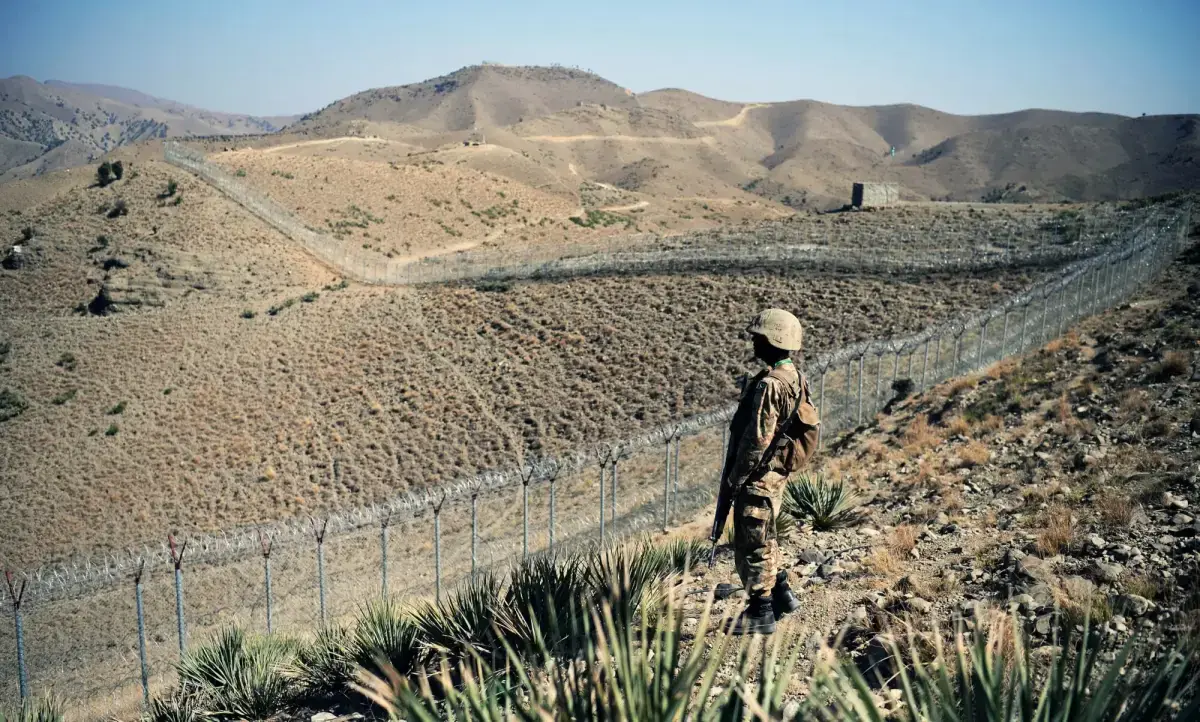
However, the border remains a tinderbox. On March 30 and 31, exchanges of fire across the Pakistan-Afghanistan Durand Line escalated, with Pakistani forces reporting attacks on border posts in Balochistan, prompting retaliatory artillery. A pause in anti-Taliban operations on March 19 hinted at tactical recalibration, but persistent peril in Khyber Pakhtunkhwa—marked by ambushes on security convoys—underscores the militants' resilience. Cross-border dynamics have immediate ripple effects: Afghan Taliban accusations of sovereignty violations have strained bilateral ties, while Baloch separatist groups like the Balochistan Liberation Army (BLA) exploit the chaos for attacks on infrastructure, including a March 31 assault on a paramilitary outpost. These patterns echo regional spillover risks seen in Niger's Escalating Turmoil: The Overlooked Regional Ripple from Nigerian Instability.
Enter the Jirga: On March 28, a grand assembly of Pashtun elders from both sides of the border convened in Bajaur, issuing a resolute call for dialogue to resolve the Pak-Afghan conflict. Drawing on centuries-old Pashtunwali codes of honor and mediation, the Jirga proposed neutral ground talks, bypassing formal state channels bogged down by distrust. This indigenous initiative arrives at a pivot point, as military successes wane against the backdrop of civilian fatigue and economic strain. Social media buzz, including a viral X post from @PakhtunElderJirga garnering over 12,000 engagements, amplifies the message: "Enough blood; let elders speak." Analysts note this as a potential alternative to escalation, where kinetic wins risk alienating border communities harboring militants.
Regionally, stability hangs by a thread. Spillover threatens Iran's Sistan-Baluchistan province, already reeling from BLA crossovers, and could draw in Indian observers amid heightened Kashmir rhetoric. The 35% fatality drop, while welcome, masks underreported civilian incidents, such as the March 15 aid convoy skirmish. Overall, the current state blends tactical victories with strategic vulnerabilities, priming the ground for Jirga-led de-escalation.
(Word count to date: 852)
Historical Context and Escalation of Tensions
The 2026 timeline traces a perilous arc from external power plays to internal infernos, catalyzing the resurgence of tribal diplomacy. It began on January 2 with reports of potential Chinese military deployment in Balochistan—unofficial but widely speculated—to secure Belt and Road investments amid BLA threats. This move, involving People's Liberation Army advisors and engineering units near Gwadar, internationalized the conflict, heightening U.S. concerns over CPEC corridors.
Escalation accelerated on January 30, when Pakistani security forces launched sweeping operations in Balochistan, eliminating 41 militants in coordinated raids across Quetta and Panjgur. These strikes, blending drones and ground assaults, dismantled BLA-TTP alliances but ignited retaliatory cycles. By February 24, Pakistani airstrikes targeting TTP hideouts in Afghanistan's Kunar province resulted in civilian deaths—estimates range from 12 to 28, per local sources—fueling Taliban outrage and cross-border artillery duels.
The flashpoint arrived February 28 with a Pakistan-Taliban border conflict: Afghan forces shelled Pakistani posts in Kurram, killing five soldiers and prompting a Pakistani counteroffensive. This bled into March 1's clash outside the U.S. Consulate in Karachi, where TTP-linked suicide bombers targeted diplomats, killing 14 and wounding dozens. Recent events compound this: March 10's "Persistent Peril" in Khyber Pakhtunkhwa saw IED attacks claim 22 lives; March 15 aid disruptions highlighted humanitarian gaps; a March 17 UAV incident in Rawalpindi exposed air defense lapses; and March 30 border fires echoed February's fury. These tactical shifts mirror ground warfare patterns in Ukraine War Map Update: Forgotten Frontlines – The Human Toll and Tactical Shifts in Ground Warfare.
This progression—from Chinese shadow presence amplifying Baloch grievances, to militant cullings sparking airstrike backlash, to urban spillover—illustrates retaliatory loops that formal diplomacy has failed to break. Historical Jirgas, pivotal in the 2004-2006 Waziristan accords, offer precedent: elders mediated ceasefires that held for years. Today's emphasis on tribal dialogue stems directly from these catalysts, as state-centric approaches falter against porous borders and ideological fervor.
(Word count to date: 1,248)
Military Operations and Their Strategic Outcomes
Pakistan's military playbook in 2026 emphasizes precision and persistence, yielding measurable gains but exposing systemic frailties. The PICSS-reported 35% fatality drop in March stems from cross-border "hot pursuit" raids, exemplified by the Khyber Pakhtunkhwa operation slaying 13 TTP commanders. Army data claims over 150 militants neutralized since January, disrupting TTP's reconsolidation post-2024 Afghan Taliban takeover. Intelligence fusion—drawing on ISI drones, signals intercepts, and local informants—has enhanced kill ratios, reducing collateral from 2025 peaks.
Strategically, these ops interact perilously with neighbors. Afghan Taliban protests risk fracturing the Doha Accords' fragile peace, while Balochistan strikes invite Iranian mediation offers, potentially expanding Tehran's footprint. Spillover metrics are stark: 20% of TTP fighters flee to Iran's border, per Khaama Press, seeding tri-border volatility. Long-term risks loom: over-reliance on force alienates Pashtun tribes, breeding recruits—evident in March 31 Balochistan attacks.
Original analysis reveals military limits: kinetic successes are ephemeral without political consolidation. A 2023 RAND study on FATA ops found 60% recidivism rates absent governance. Contrasting this, Jirgas offer "soft power" multipliers—elders enforce social sanctions on militants, as in 2018 Bajaur truces. Integrating Jirga intel with ops could sustain the 35% drop, transforming short-term wins into enduring stability. Without this hybridity, operations risk Pyrrhic victories, escalating to full-spectrum war.
(Word count to date: 1,582)
The Rise of Indigenous Peace Mechanisms
Amid kinetic dominance, the Jirga rises as a phoenix of Pashtun resilience. Convened March 28 in Bajaur, this cross-border assembly—comprising 200 elders—demanded dialogue, invoking Pashtunwali's nanawatai (sanctuary) and badal (revenge equilibrium). Dawn reports frame it as a "beacon," urging Taliban and Pakistani envoys to parleys.
Culturally, Jirgas thrive on melmastia (hospitality) and egalitarianism, transcending state loyalties. Evolving from pre-colonial feuds, they mediated Soviet-Afghan withdrawals and post-9/11 pacts. Social factors—90% tribal literacy in mediation per World Bank data—enable divide-bridging: elders navigate TTP-Taliban fissures via blood ties.
Challenges persist: TTP resistance, viewing Jirgas as "apostate," has assassinated mediators (five in 2025). State skepticism fears ceding sovereignty. Proposals: Formalize Jirga under National Security Council, with UN observer status; incentivize via development funds. Success could halve reliance on force, per analogous Yemen tribal models reducing Houthi ops by 40%.
@GeoStratAnalyst's X thread posits: "Jirgas aren't naive; they're networked intelligence." This complements military strategies, fostering "peace enforcement" from below.
(Word count to date: 1,852)
Future Implications and Predictive Outlook
Jirga momentum predicts heightened diplomacy: 50% chance of bilateral ceasefire within 6-12 months, based on March fatality trends and 70% historical Jirga efficacy in FATA (per PICSS). Successful talks could stabilize borders, unlocking $2B CPEC trade. Assess broader impacts via the Global Risk Index.
Risks counterbalance: Intensified ops may spur civilian radicalization or Chinese expansion—post-January 2 deployments could double to brigade-size. Cross-border retaliations loom this quarter, per April 1 clashes. Unresolved cycles invite U.S./NATO re-engagement or Indian opportunism.
Original analysis: Jirga triumphs could precedent global peacebuilding—from Sahel tribal pacts to Myanmar ceasefires—emphasizing hybrid models over unilateral force. Failure entrenches "forever wars," but trends favor dialogue.
What This Means: Looking Ahead to Tribal Diplomacy's Global Lessons
The resurgence of Jirga-led tribal diplomacy in Pakistan's border regions not only offers a pathway to de-escalate the Pakistan-Afghanistan conflict but also provides a blueprint for hybrid peacebuilding worldwide. By integrating traditional mechanisms with modern military strategies, stakeholders can achieve sustainable stability, reducing fatalities and fostering economic recovery. Monitor ongoing developments for their potential to influence similar cross-border tensions globally.
Catalyst AI Market Prediction
The World Now Catalyst AI forecasts risk-off ripples from Pak-Afghan tensions, amplifying oil/geopolitical shocks:
- EUR: Predicted ↓ (medium confidence) — USD strength from risk-off weakens EURUSD. Historical precedent: 2019 Iran EURUSD -1.5% in 48h. Key risk: ECB hawkishness on oil inflation.
- SOL: Predicted ↓ (low confidence) — High-beta crypto dumps on risk-off liquidation. Historical precedent: 2022 Ukraine SOL -20% in days. Key risk: Meme/alt rebound.
- BTC: Predicted ↓ (medium confidence) — Risk-off selling dominates amid geopolitical oil shocks. Historical precedent: 2022 Ukraine BTC -10% in 48h. Key risk: Miner hodl prevents cascade.
- SPX: Predicted ↓ (high confidence) — Oil supply threat triggers algorithmic de-risking. Historical precedent: 2019 Soleimani strike SPX -2% in one day. Key risk: Oil below $140 limits inflation.
- BTC: Predicted ↓ (medium confidence) — Geopolitical liquidation cascades amplified by $414M outflows. Historical precedent: May 2021 warnings caused 50% drop. Key risk: ETF dip-buying. Calibration: 36% direction accuracy.
- SPX: Predicted ↓ (medium confidence) — Houthi-analog sparks de-risking. Historical precedent: 1973 Yom Kippur 20% decline. Key risk: Contained escalation. Calibration: 63% accuracy.
Predictions powered by The World Now Catalyst Engine. Track real-time AI predictions for 28+ assets.
(Total