
Over Half of Gaza Dialysis Patients Have Died After Three Years of War, Health Chief Says
Health Crisis Among Dialysis Patients
Munir al-Bursh, Gaza's health chief, stated in an interview that more than half of dialysis patients have died after three years of the conflict. [2] This assessment comes directly from his remarks on the territory's medical situation following prolonged hostilities. [2] The health chief's comments highlight the direct impact on patients reliant on regular dialysis treatment amid disrupted services. [2] Three years of the war have imposed severe costs on medical infrastructure, according to the same interview. [2]
Scale of Injuries and Medical Backlog
Over 174,000 wounded Palestinians in Gaza need nearly half a million complex surgeries, as reported by the health chief. [2] Munir al-Bursh told Anadolu that this volume of procedures reflects the scale of injuries accumulated over the period. [2] The official linked these needs to the ongoing strain on Gaza's health system after three years. [2] His statements emphasize that the backlog involves complex operations beyond basic care. [2]

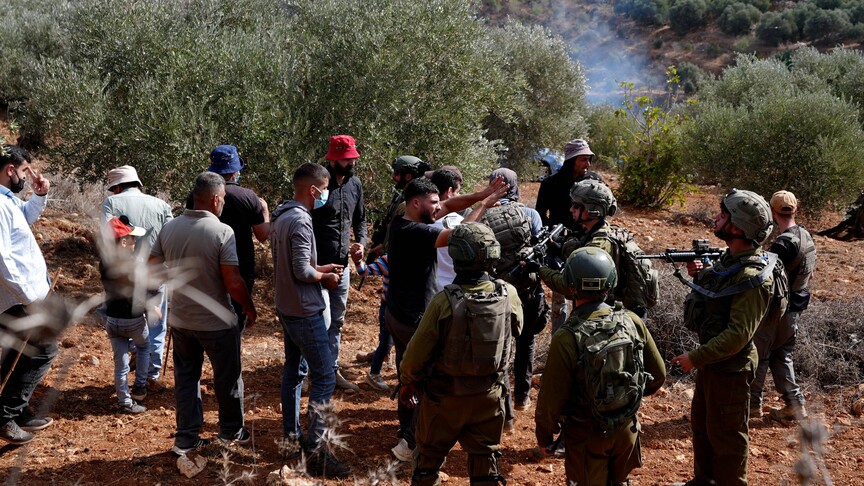
Gaza dialysis patients have faced severe treatment disruptions amid three years of war. — Source: middleeasteye
Repercussions for Speaking Out
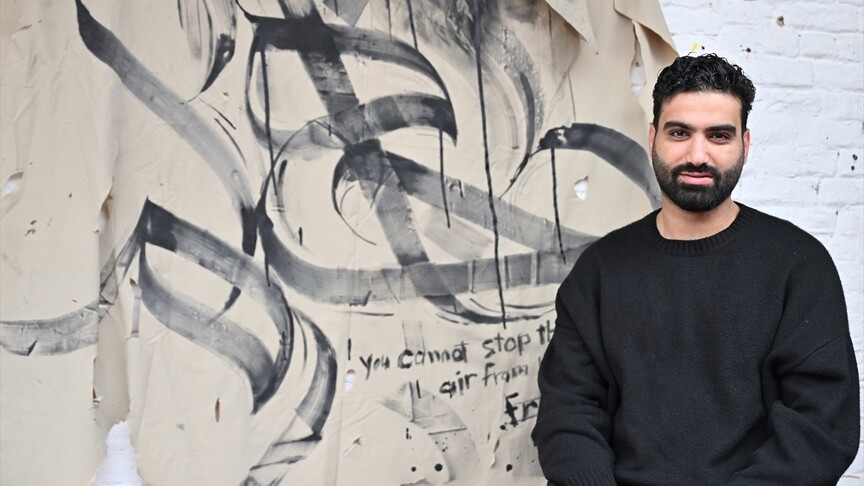
Belgian-Moroccan poet Hind Eljadid was detained for around seven hours after speaking about Palestine on stage. [1] She later faced death threats and canceled assignments following her public remarks. [1] These events occurred in the context of three years of Israel's genocide as described in artist accounts. [1] Anadolu reported that Eljadid's experience illustrates the professional and personal costs for those addressing Palestine publicly. [1]
Personal Trauma and Lasting Physical Effects
A Middle East Eye opinion piece by Gaza writer Reem Salim describes how she left the territory on 19 February 2024 and continues to experience trauma responses. [3] The piece attributes her fear triggered by the call to prayer, airplanes, doors, and chronic tailbone inflammation to conditions of displacement. [3] Salim details how ordinary sounds like the call to prayer leave her tense and terrified, with her heart racing and breathing difficult. [3] She recounts a specific incident during an adhan when an Israeli bombardment struck nearby, leading to ongoing associations. [3] The author also describes a missile explosion that led to a door injury severing the tip of her finger, resulting in a lasting fear of doors. [3] Chronic inflammation in her tailbone stems from sitting on hard surfaces during displacement, with one doctor in Egypt recommending surgery to remove the coccyx. [3] The opinion piece states that three years on, her body continues to respond to sights and sounds as though danger remains present. [3]
Broader Context After Three Years
Three years of the war have imposed severe costs on both medical infrastructure and individuals who speak out or survive the violence, according to reports across sources. [1] [2] [3] The health chief's interview connects dialysis patient deaths and surgical backlogs to the extended conflict period. [2] Artist accounts in Anadolu detail repercussions such as detention and threats for public statements on Palestine. [1] Reem Salim's opinion piece links personal physical and psychological effects to displacement conditions that began before her departure on 19 February 2024. [3] These elements together show cumulative pressures on Gaza's population as described in the available accounts. [1] [2] [3]
Accounts of Survival and Ongoing Challenges
Munir al-Bursh's statements on dialysis deaths and the need for nearly half a million surgeries frame the medical infrastructure challenges after three years. [2] Hind Eljadid's detention for around seven hours and subsequent threats show additional pressures on those expressing views on Palestine. [1] Reem Salim's account in the Middle East Eye opinion piece adds detail on how displacement led to specific injuries and persistent responses to sounds like airplanes overhead. [3] The sources collectively indicate that both collective health metrics and individual experiences reflect sustained effects from the period. [1] [2] [3]
What to watch next: Further statements from health officials on surgical needs, additional artist accounts of repercussions for public speech, and personal narratives from those who left Gaza describing ongoing physical effects.