
Over 7,300 Confirmed Dead in US-Israel War Against Iran as Analysts Warn True Toll Is Far Higher
More than 7,300 people have been killed in Iran and Lebanon since the US-Israel war against Iran began on February 28, according to official figures, though analysts say the true toll is likely far higher as a memorandum of understanding to end the conflict has been reached. [1]
Casualty Toll in Iran
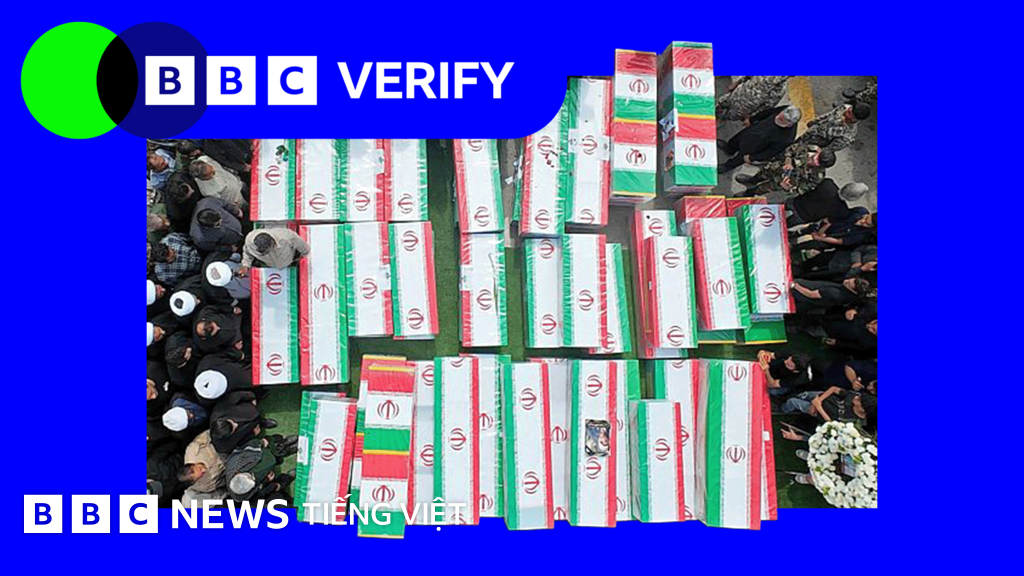
Official Iranian figures report at least 3,468 deaths by mid-April, including 1,460 civilians with 307 children among them per human rights monitors, while Lebanon reports 3,912 deaths including 247 children. [1] Iranian government data through mid-April listed 3,468 deaths, of which 499 were women, 1,460 were civilians and 2,008 were military personnel. [1] An independent tally by the US-based HRANA organization recorded 3,636 deaths as of its May 18 report, broken down into 1,701 civilians including 307 children, 1,221 military personnel and 714 cases where identity or status remained unconfirmed. [1] HRANA described its count as a minimum figure because government-imposed internet blackouts, restricted access to sites and political pressure on families have severely limited information gathering. [1] Deputy director Skylar Thompson of HRANA stated that officials frequently withhold casualty information and families face pressure not to speak publicly about how their relatives died. [1] Iain Overton, executive director of Action on Armed Violence, noted that multi-country conflicts produce casualty data that are often incomplete, delayed or impossible to verify independently, and he added that the final death toll could remain disputed for years after fighting ends. [1] Iranian officials accused US and Israeli forces of striking civilian infrastructure during the air campaign. [1] Investigations found that a US missile strike on the first day of the war hit a school in the town of Minab, and US military authorities said they were examining the incident. [1] Iranian authorities later reported that a missile struck a sports hall hosting a women’s volleyball match in Lamerd, killing 20 people. [1] Experts consulted by BBC Verify assessed that the weapon used was likely a US-made PrSM long-range precision strike missile. [1]
Deaths and Controversies in Lebanon
Lebanese health ministry figures recorded 3,912 deaths from Israeli attacks, including 366 women and 247 children. [1] The Lebanese health ministry reported 41 deaths during a large-scale Israeli air and ground operation around a town in the eastern Bekaa Valley in early March. [1] Lebanese officials said three Lebanese soldiers died in that operation along with several civilians and children, while Israeli forces stated they were searching for remains of a pilot missing since a conflict 40 years earlier. [1] On April 8 a major Israeli air campaign killed at least 361 people within ten minutes according to Lebanese authorities. [1] The Israel Defense Forces said the targets that day were 250 Hezbollah members, yet the Lebanese health ministry rejected the claim and stated that most of those killed were civilians. [1] The United Nations reported that seven of its peacekeepers were killed in Lebanon, with the most recent incident occurring on June 4. [1] Israeli Prime Minister Benjamin Netanyahu stated last month that 3,000 Hezbollah fighters had been killed since the conflict with Iran began. [1] Lebanese health officials have not clarified how many of the recorded deaths were Hezbollah members. [1] The military campaign drew criticism for high civilian casualties. [1] On June 16 US President Donald Trump publicly condemned Israel’s conduct, saying the strikes had killed “too many people.” [1] Trump added that he did not believe it was necessary to level entire apartment buildings when pursuing a target because many residents are not Hezbollah members. [1]

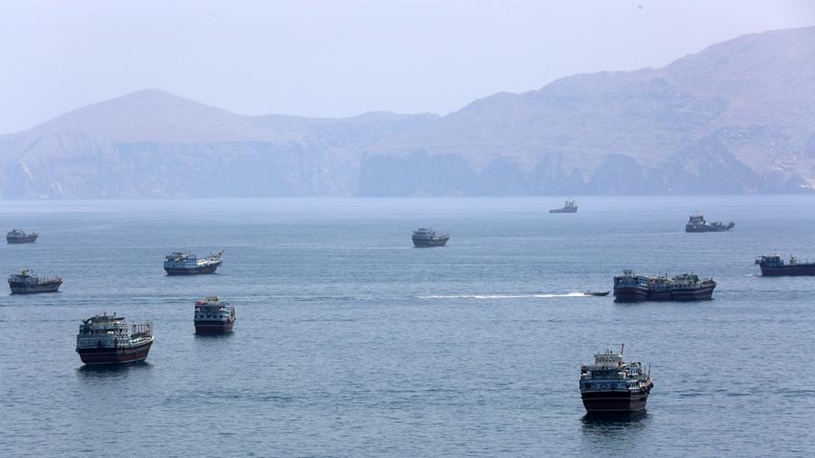
Iranian navy vessels operate in waters near the conflict zone as casualties exceed 7300. — Source: gdelt
Israeli Losses and Iranian Tactics
Israel reports 60 deaths, mostly from Iranian missile strikes and Hezbollah clashes, including 29 civilians and 31 soldiers. [1] Israeli government figures supplied to BBC Verify listed 60 total deaths, of which 29 were civilians including 21 killed by Iranian missile attacks, plus 31 soldiers killed in combat. [1] One additional death was attributed to friendly fire from Israeli forces. [1] Israel repeatedly accused Iran of using cluster bombs against civilian areas. [1] In one incident the Israel Defense Forces reported that a couple in their seventies was killed while heading to a shelter after a cluster bomb struck the town of Ramat Gan. [1] Human Rights Watch charged in March that Tehran committed war crimes by targeting residential areas with cluster munitions. [1] HRW researcher Patrick Thompson stated that cluster bombs disperse over a wide area and cannot distinguish between military and civilian targets, thereby violating the laws of war. [1]
Geopolitical Lessons and Regional Repercussions
The conflict has weakened US leadership in the Middle East, boosted Iranian resilience, sidelined the Abraham Accords, and may encourage Iran's nuclear ambitions while prompting Gulf states to seek new security partners. [2] Former French ambassador Xavier Driencourt wrote that the United States achieved neither the fall of the Iranian leadership nor a better nuclear agreement than the 2015 deal. [2] He observed that Iran demonstrated unexpected resilience despite decades of sanctions, and that the conflict produced a reconfiguration of Middle East power dynamics. [2] Driencourt noted that Gulf monarchies, heavily armed by the United States, proved unable to defend themselves and suffered military effects from Iranian actions, which he said risks sharply reducing their confidence in American security guarantees. [2] He added that the episode could prompt Gulf states to look toward Turkey, Pakistan or deeper regional cooperation for support. [2] The analyst further stated that the war has probably strengthened Iran’s determination to acquire nuclear weapons, citing North Korea as an example of a nuclear-armed state that the United States has not attacked. [2] Driencourt concluded that Iran has emerged as a major power that must now be taken into account in regional calculations. [2]
Critics say the MOU sidesteps key reasons for attacking Iran. — Source: newsmax
The Ceasefire Agreement and Lingering Concerns
Critics note the US-Iran memorandum of understanding fails to address key Iranian military capabilities that prompted the initial attacks. [3] The memorandum between the United States and Iran leaves untouched key military capabilities that President Donald Trump cited when launching the conflict on February 28, raising concerns among Gulf allies and security analysts about Tehran’s ability to project power across the region. [3] Ukrainian President Volodymyr Zelenskyy expressed hope that negotiations on ending the war in Ukraine, which were suspended after the outbreak of conflict in the Middle East, will eventually resume. [4] Zelenskyy suggested that Europeans could join the talks if the negotiation process restarts and said he believes bilateral negotiations remain possible provided partners are involved. [4] He noted that European participation is important for Ukraine because it seeks security guarantees after the war and membership in the European Union. [4] The Ukrainian president added that Russia is being given the opportunity to choose the format of the talks. [4]
What to watch next: Analysts will monitor whether Gulf states pursue new security arrangements outside traditional US partnerships and whether Iran accelerates efforts to obtain nuclear weapons following the memorandum of understanding.