Over 300 Flights Suspended at Jakarta Airport Amid natural disasters From Anak Krakatau Eruption
An eruption of Indonesia's Anak Krakatau volcano has forced the suspension of more than 300 flights at Jakarta's Soekarno-Hatta International Airport after volcanic ash was detected in nearby airspace, stranding tens of thousands of passengers amid natural disasters.
Eruption Disrupts Jakarta's Main Airport
The eruption began late on Friday, September 4 2026, with additional eruptions early Sunday, accompanied by continuous seismic activity, lava fountains, booming sounds, and ash plumes reaching up to 50,000 feet on the Sumatra side and 20,000 feet on the Java side. [1] The flight suspension at Soekarno-Hatta, initially until 9:30 a.m. local time and later extended to 5:30 p.m., ultimately affected 301 flights including 58 international routes to Singapore, Doha, Sydney and Kuala Lumpur, impacting more than 22,000 passengers; separate data reported 386 cancellations and 279 delays across the weekend. [1] [2] Soekarno-Hatta International Airport said on Instagram that flight operations had been suspended until 9:30 a.m. local time because of volcanic ash, with the suspension later extended until 5:30 p.m. [1] Airport operator Angkasa Pura stated that the suspension affected 301 flights, including 58 international flights. [1] Singapore Airlines and Malaysia Airlines cancelled flights to and from Jakarta for the rest of the day. [1] Data from Flightradar showed complete stoppage of arrivals and departures at the airport, while FlightAware recorded 386 cancellations and 279 delays over the weekend. [2] About 170,000 passengers were left stranded on Sunday as Indonesia shuttered its main international airport and seven others. [3]
Volcanic Ash Plume and Detection
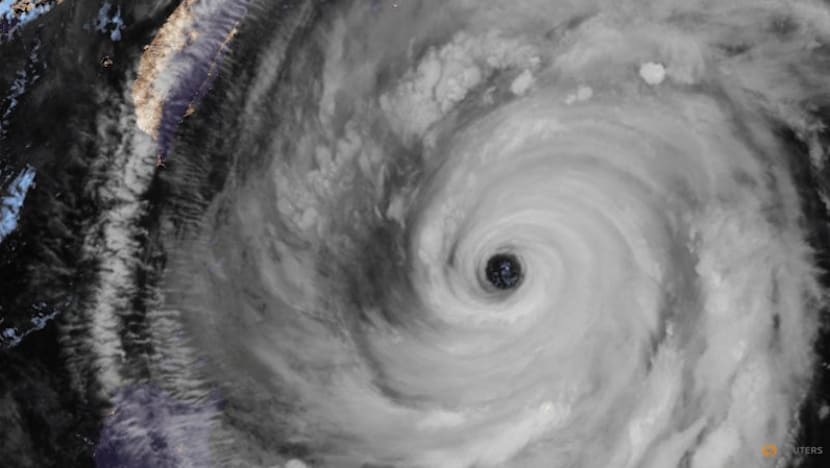
Satellite imagery from the Japanese Himawari-9 satellite, updated every 10 minutes, showed buildup of volcanic activity with wide clouds of volcanic ash at low altitudes along with high-altitude volcanic clouds containing water vapor, ash and sulfur dioxide. [2] The ash was detected as high as 20,000 feet on the Java side of the volcano, while a plume reached up to 50,000 feet on the Sumatra side and parts of Banten province in Java. [1] Comparison of images taken on 27 August 2026 with more recent images showed the smoke cloud increasing to its highest levels. [2] Volcanic ash from Anak Krakatau was detected in the airspace near Soekarno-Hatta International Airport early Sunday, prompting authorities to halt flight operations. [1] The strong eruption began on 4 September, with ash reaching heights approaching 15 kilometers, leading to air traffic disruptions after the ash spread over wide areas. [2]
Local Effects on Schools, Fishing and Residents
Several schools cancelled activities on Saturday after students and residents reported eye irritation from volcanic ash. [1] Some fishermen also cancelled fishing trips after experiencing sore eyes. [1] Indonesia's disaster mitigation agency BNPB urged people to remain calm but increase vigilance. [1] It advised residents affected by ashfall to wear masks and eye protection, reduce outdoor activities, cover water sources and exercise caution while driving because volcanic ash can reduce visibility. [1] Indonesia's health minister also urged residents in affected areas to stay indoors and wear face masks to protect against respiratory, eye and skin risks. [1]
No Tsunami Warning Issued
Reports citing authorities stated that there was no imminent tsunami risk from the eruption. [1] An earlier eruption in 2018 did trigger a tsunami that killed more than 400 people. [1] [2] Indonesia's disaster mitigation agency BNPB stated there is no imminent tsunami risk from the current eruption, despite the 2018 Anak Krakatau eruption that triggered a tsunami killing more than 400 people. [1]
History of Krakatau Volcanic Activity
Anak Krakatau, meaning "Child of Krakatoa", emerged from the sea in the area once occupied by Krakatoa following the massive 1883 eruption. [1] Krakatoa's eruption and subsequent tsunamis killed more than 36,000 people. [1] Indonesia lies on the Pacific "Ring of Fire", a region where earthquakes and volcanic eruptions are frequent. [1] Gunung Krakatau had recorded eruptions from May 1680 to May 1681, with volcanic activity lasting about one year accompanied by lava flows. [5] After a long period without volcanic activity, Gunung Krakatau experienced a powerful eruption starting on 20 May 1883, beginning with the eruption of Gunung Perbuatan that produced ash and steam jets reaching about 11 kilometers in height. [5] The activity continued through June at Gunung Danan, with the peak occurring on 27 August when detonations were heard as far as Singapore and Australia. [5] The volcano ejected pumice and ash to heights of 70-80 kilometers, with deposits covering an area of 827 thousand square kilometers. [5] The collapse of the volcanic body triggered a tsunami with wave heights reaching 20 kilometers that struck the coasts of the Sunda Strait and northwest Java, resulting in 36,417 deaths. [5] New volcanic activity was recorded on 29 December 1927 in the center of the caldera, marking the birth of Gunung Anak Krakatau. [5]
Ongoing Monitoring and Advice
Indonesia's disaster mitigation agency BNPB stated there is no imminent tsunami risk from the current eruption. [1] The agency urged people to remain calm but increase vigilance while advising affected residents to wear masks and eye protection, reduce outdoor activities, cover water sources and exercise caution while driving. [1] Continued seismic activity, lava fountains and booming sounds were reported in surrounding areas. [1] Satellite images continued to track the movement of volcanic clouds away from the volcano due to winds. [2]
What to watch next: Satellite monitoring from Himawari-9 will continue tracking ash cloud movement, while BNPB maintains vigilance over ongoing seismic activity and issues updates on any changes in eruption intensity or ash spread affecting air travel and local areas.