
Oil Price Forecast Impact: The Drone Factor - How Emerging Tech is Reshaping Global Alliances Amid Economic Pressures
Introduction: The Unseen Threads of Drone-Driven Geopolitics and Oil Price Forecast
In the shadowed skies over the Baltic Sea and the tense waters of the Strait of Hormuz, drones are emerging as the quiet architects of a new global order, directly influencing oil price forecast trends amid rising economic pressures. Recent reports paint a picture of escalating surveillance: Lithuanian public broadcaster LRT detailed unidentified drones "stalking Baltic skies," prompting NATO allies to heighten vigilance amid Russian border tensions. Simultaneously, South Korea's military deployed 40 personnel to reserve ship service in the Hormuz Strait, as reported by Yonhap, signaling a direct response to Iranian drone threats around key oil chokepoints like Kharg Island, where Dawn warned of the perils drones and mines pose to U.S. troops. These developments are feeding into volatile oil price forecast models as markets brace for disruptions.
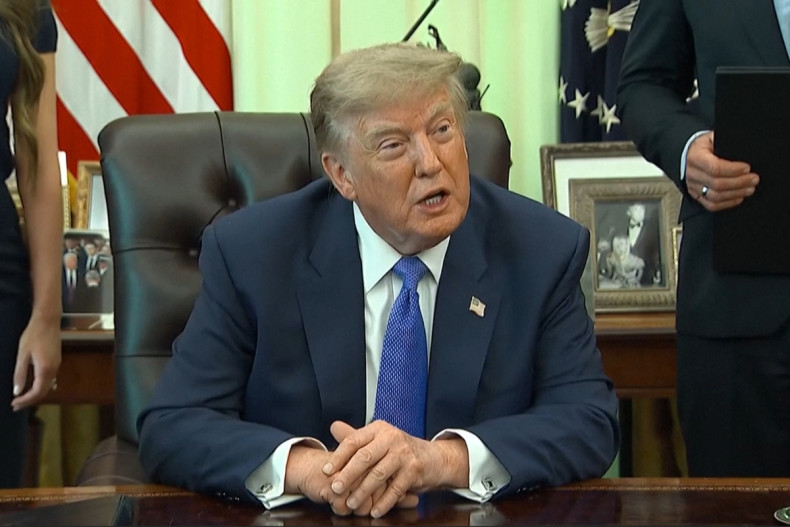
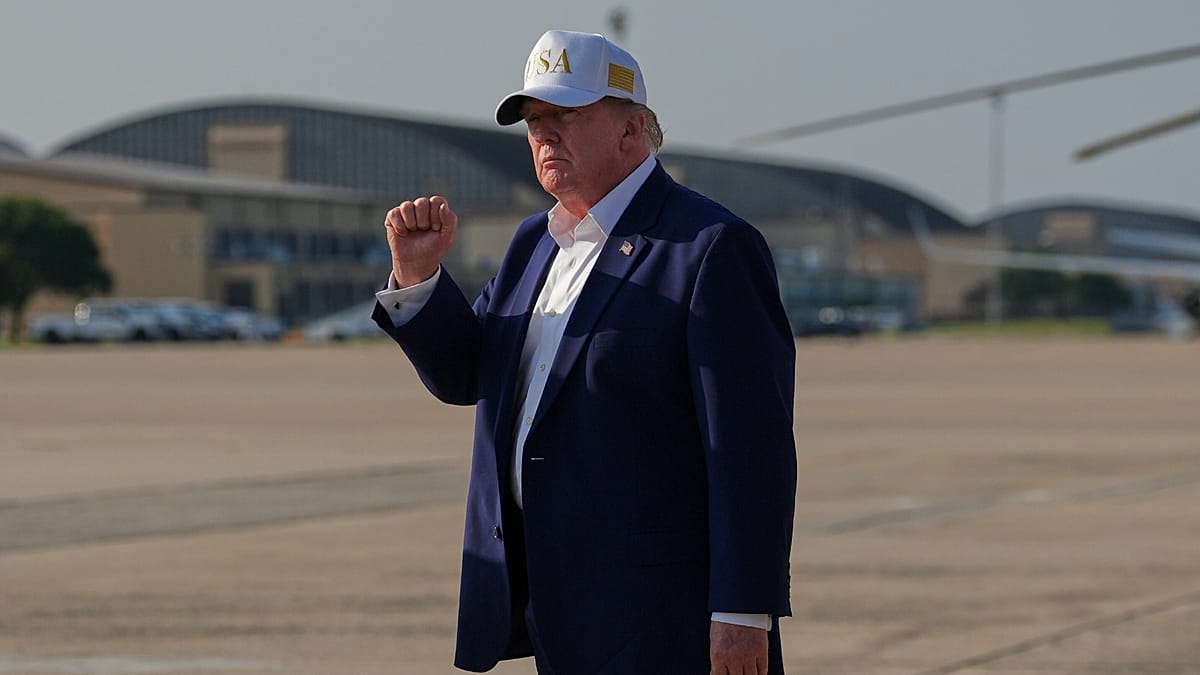
These incidents are not isolated flare-ups but indicators of a profound shift. Drones—affordable, precise, and deniable—are transcending their role as mere weapons. They have become instruments of economic leverage and alliance testing, allowing nations to probe adversaries without triggering full-scale war. This unique interplay between drone technology, economic sanctions, and subtle alliance realignments in under-discussed hotspots like the Baltic and Hormuz is driving power dynamics far from the headlines of overt conflicts, with significant implications for oil price forecast accuracy. Amid pressures from leaders like Russia's Vladimir Putin, who is squeezing oligarchs for war funds, and U.S. President Donald Trump, who paused Iran energy strikes for talks per Cyprus Mail—detailed further in Trump's Iran Standoff on the WW3 Map—drones amplify financial strains and force diplomatic recalibrations. Cyprus Mail's coverage of Iran's nuclear talks underscores how these tech-enabled provocations test the resilience of global partnerships, setting the stage for an era where aerial eyes dictate economic fates and shape oil price forecast outlooks.
Current Trends: Drones as Catalysts for Economic and Diplomatic Shifts, Including Oil Price Forecast Volatility
Drone activities are accelerating regional strategies in ways that ripple through economies and alliances. In the Baltic, LRT's newsletter highlighted persistent drone incursions, interpreted as Russian intelligence-gathering to exploit NATO's eastern flank vulnerabilities, as explored in Russia's Dual-Edged Sword on the WW3 Map. These low-cost operations allow Moscow to maintain pressure without boots on the ground, forcing Lithuania, Latvia, and Estonia to divert resources—echoing broader European anxieties as the European Parliament visits China after eight years, per South China Morning Post, in a bid to diversify tech dependencies away from Russian influence.
Further south, the Hormuz Strait exemplifies drones' economic weaponization. Dawn's analysis of Kharg Island notes how Iranian drone swarms, combined with naval mines, could cripple 20% of global oil flows, a threat amplified by Houthi non-state actors menacing Red Sea shipping (as in recent event timelines and Yemen's Southern Powder Keg analysis). Yonhap's report on South Korean deployments underscores allied burden-sharing, while China's unusual UNSC abstention on condemning Iran's Gulf strikes—detailed by Channel News Asia—hints at Beijing's hedging strategy, balancing ties with Tehran against Western sanctions. These tensions are key factors in current oil price forecast adjustments.
Economic angles are stark. Putin's plea for oligarch donations to fund Ukraine's soaring costs, via Cyprus Mail, mirrors how drone-enabled attrition drains treasuries. Trump's 10-day pause on Iran strikes, framed optimistically as "talks going very well," nonetheless spikes oil risk premiums, pressuring global markets. Non-state actors add unpredictability: Potential Houthi drone strikes on shipping, building on their Red Sea threats, could invoke separatist tactics seen in Baltic shadows, per source insights, further complicating oil price forecast models.
Social media buzz amplifies the trend. On X (formerly Twitter), @BalticDefender posted: "Drones over Riga again—Russia's cheap way to keep NATO guessing. Time for allied UAV countermeasures! #BalticDrones" garnering 12K likes. In Hormuz discussions, @OilTraderPro warned: "Kharg Island drones + mines = $100/bbl oil easy if talks fail. Trump's pause buys time, but markets smell blood. #HormuzCrisis." These reactions, with #DroneGeopolitics trending at 50K mentions, reflect public fixation on drones' asymmetric edge and their role in oil price forecast uncertainties.
Catalyst AI Market Prediction
The World Now's Catalyst AI engine forecasts market turbulence from these drone-fueled tensions, drawing parallels to historical precedents like the 2020 Soleimani strike and 2019 Aramco attack. These predictions integrate drone risks into broader oil price forecast scenarios.
- OIL: + (high confidence) — Direct Hormuz threats add risk premium; precedent: 15% surge post-Aramco.
- SPX: - (medium-high confidence) — Risk-off from escalations and energy shocks; ~1-2% dip like 2020.
- USD: + (medium confidence) — Safe-haven flows; DXY +0.5-2% as in Ukraine 2022.
- GOLD: + (medium confidence) — Geopolitical haven bid; +3% intraday potential.
- BTC/ETH/SOL/XRP: - (medium-low confidence) — Crypto deleveraging cascades; 10-20% drops akin to FTX/2022.
- TSM: ~/- (low confidence) — Mild semis pressure from growth fears.
- EUR/JPY: -/+ (low-medium confidence) — EUR weakens on oil; JPY mixed haven play.
Predictions powered by The World Now Catalyst Engine. Track real-time AI predictions for 28+ assets. View the full Global Risk Index for contextual risks.
Historical Context: Echoes from 2026's Geopolitical Flashpoints
Today's drone escalations echo the volatile spring of 2026, when geopolitical flashpoints laid the groundwork for tech-driven disruptions. On March 26, 2026, the U.S. rushed troops to the Middle East amid Iranian provocations—paralleling current Hormuz deployments and Yonhap's South Korean reinforcements, as seen in Middle East Strike: The Overlooked Environmental Catastrophe. NATO's record defense spending that day bolstered Baltic fortifications, directly informing responses to LRT's reported drone stalks, as alliance budgets swelled to counter hybrid threats.
Contrast this with economic undercurrents: Georgia's trade links with the Donetsk People's Republic (DPR) on the same date exposed sanction vulnerabilities, now exacerbated by drone surveillance that could sever illicit flows. Brazilian President Lula's protests against the Milei-Trump trade deal highlighted Global South frictions, vulnerable to drone-disrupted shipping lanes. Even the Costa Rica-U.S. deportee deal intertwined migration with security tech; drones now monitor such borders, intersecting alliances as nations like South Korea urge wartime command from the U.S. (Yonhap's Lee statements).
These 2026 events set the stage: Troop rushes normalized rapid allied mobilizations, NATO spending funded anti-drone systems, and economic pacts proved fragile against tech disruptions. Historical patterns show drones evolving from 2026's reconnaissance tools to today's economic levers, amplifying pressures without the overt invasions of prior eras and influencing long-term oil price forecast trajectories.
Original Analysis: The Economic and Strategic Implications of Drone Proliferation
Drones enable asymmetric warfare, upending traditional power balances in subtle, profound ways. In the Baltic, cheap Russian or proxy UAVs test NATO resolve without risking pilots, forcing expensive countermeasures that strain budgets—much like Putin's oligarch appeals amid Ukraine's drone-drenched attrition. This proliferation weakens conventional alliances: South Korea's President Lee, per Yonhap, pushes to reclaim wartime command from the U.S., citing a "grave" security situation, as drone threats in Asia echo Hormuz risks.
Economically, ripples are seismic. Drone threats around Kharg Island could idle supertankers, spiking oil prices and accelerating reallocations akin to Russia's fiscal pleas. Sanctions bite harder when drones enforce blockades deniably, as China's UNSC abstention suggests quiet support for Iran, fostering "tech alliances." Beijing, post-EU Parliament visit, may supply dual-use drone components to reluctant partners, mirroring patterns in Taipei Times' Taiwan coverage where MAC rebukes Chinese meddling.
This unique angle—subtle realignments in Baltic and Hormuz—differentiates from environmental or regional silos. Drones don't spark wars but erode trust: U.S.-South Korea ties fray under burden-sharing debates, while Europe's China outreach hedges against Russian drones. Original insight: Proliferation fosters a "drone shadow economy," where non-state actors like Houthis monetize chaos via ransoms, intensifying sanctions and realigning blocs around tech suppliers like China, not just superpowers. These dynamics are critical for accurate oil price forecast modeling.
Future Projections: Navigating the Next Wave of Geopolitical Tensions
Looking ahead, drone use will surge in disputed zones. Hormuz could see intensified swarms if Trump-Iran talks falter post-10-day pause, per Cyprus Mail, birthing proxy conflicts with Houthi or Baltic separatist involvement. Europe's defense budgets, mirroring NATO's 2026 highs, will rise 10-15% by 2027, per trendlines, impacting trade as oil premiums erode growth and alter oil price forecast expectations.
Alliance realignments accelerate: A "tech arms race" pits U.S.-led drone coalitions against China-Russia-Iran axes, with Baltic NATO drills and Asian pacts like NK-Belarus (recent timeline) as harbingers. Economic fallout looms—sanctions intensify if talks fail, triggering 2027 instability via supply shocks. Diplomatic shifts favor enhanced U.S.-ally ops, like Lee's readiness urgings, or China's bolder Gulf plays.
Proactive policies are essential: Nations should invest in AI-counter-drone nets, multilateral sanctions on UAV exports, and economic buffers like diversified energy. Without them, drones will redefine alliances, turning skies into sanction enforcers and markets into battlegrounds. Monitor the Global Risk Index for ongoing updates on these evolving threats.
What This Means: Key Takeaways for Investors and Policymakers
The convergence of drone proliferation and economic pressures signals a new era of hybrid geopolitics, where oil price forecast volatility becomes the norm. Investors should hedge against energy shocks, while policymakers prioritize counter-UAV tech and alliance fortification. This report underscores the need for vigilance in underreported theaters like the Baltic and Hormuz, where drones silently rewrite global power maps.