
Trump's Iran Standoff on the WW3 Map: The Unseen Economic Ripple Effects on Global Alliances
The Story on the WW3 Map
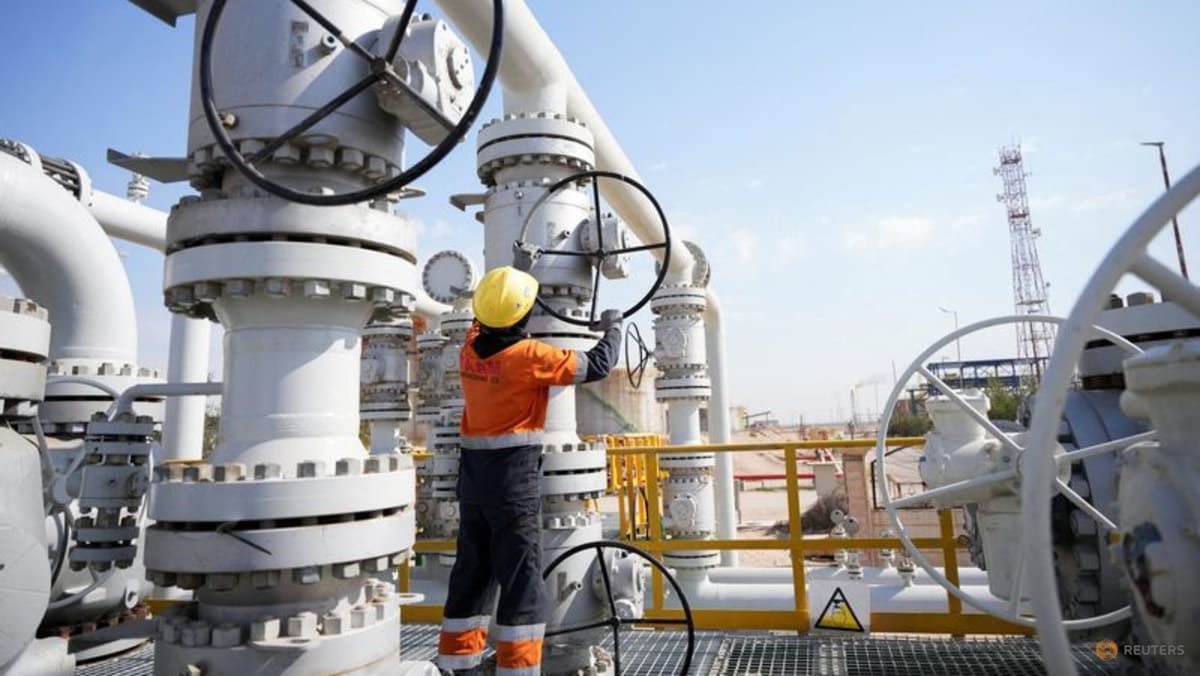
The narrative of the current U.S.-Iran standoff reads like a high-stakes geopolitical thriller, with Trump's latest pause serving as a pivotal plot twist. It began intensifying in mid-March 2026, against a backdrop of persistent friction rooted in Iran's nuclear ambitions, proxy militias, and control over vital chokepoints like the Strait of Hormuz, through which 20% of global oil flows, a critical node on any WW3 map.
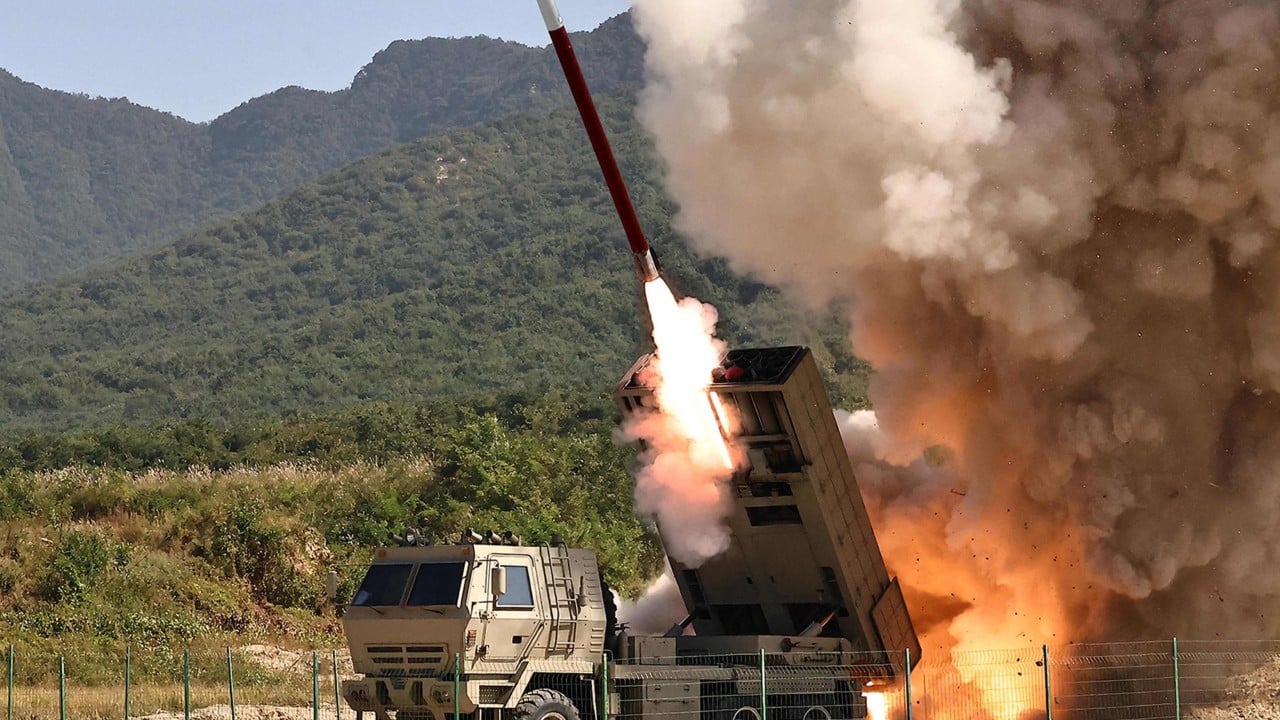
The escalation timeline is precise and revealing. On March 10, 2026, Iran's Islamic Revolutionary Guard Corps (IRGC) unleashed a propaganda blitz blaming the U.S. and Israel for regional instability, framing itself as a defender against "Zionist aggression." This set the stage for rapid tit-for-tat. The very next day, March 11, U.S. Central Command (CENTCOM) issued stark threats against Iran over reports of mines being laid in the Strait, warning of "decisive action" to secure maritime lanes—a move echoed in Newsmax reports urging Iranian naval forces to abandon posts. Iran responded defiantly on March 12, with IRGC commanders vowing retaliatory actions to close the Strait if provoked, heightening fears of a blockade that could spike energy prices worldwide.
By March 15, the pot boiled over: The U.S. announced a $10 million reward for information on Iranian officials linked to maritime threats, per unconfirmed but widely circulated reports, while simultaneously noting burgeoning Iran-Russia-China military cooperation—joint exercises in the Gulf signaling a strategic pivot eastward. Recent events amplified this: On March 22, Trump publicly threatened strikes on Iranian power plants and energy infrastructure in response to Hormuz threats, with Iran countering vows of "regional energy retaliation" and infrastructure sabotage. March 23 saw Iran threaten mines in the Persian Gulf, prompting U.S. considerations of operations on Kharg Island, Iran's key oil export terminal. False claims of downing U.S. jets on March 26 added psychological fuel, alongside low-confidence reports of Iran offering Hormuz concessions to Spain.
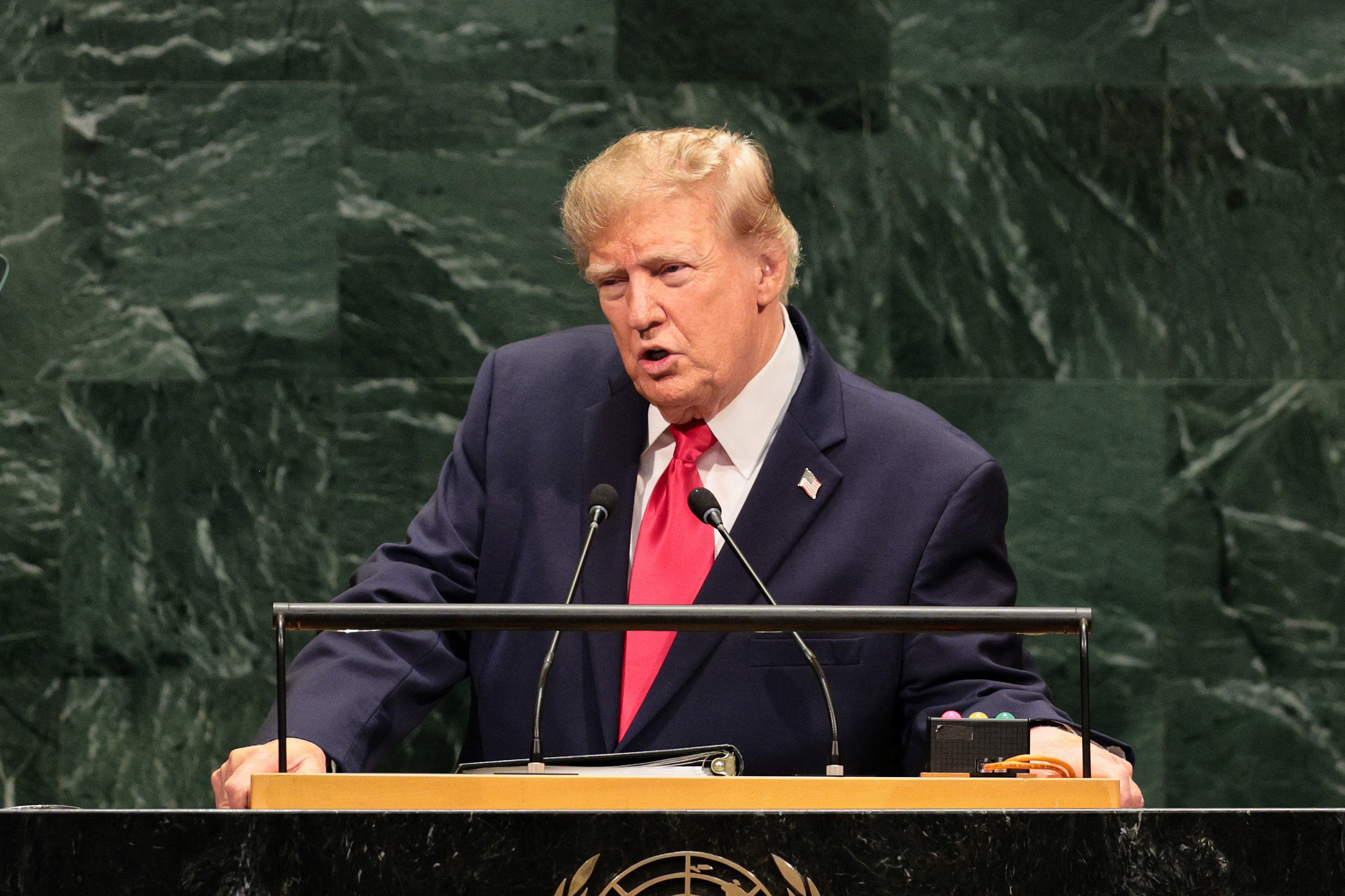
Trump's response evolved strategically. Initial threats rattled markets, but on March 26-27, he extended the pause on strikes—first announced after market jitters—to April 6, citing "very good" ongoing talks, as per Agenzia Nova and MDZOL. Channel News Asia noted oil prices falling as investors bet on de-escalation. ReliefWeb's mobility monitoring from March 17-23 highlighted humanitarian ripples, with increased refugee flows in the region underscoring the stakes.
This pause diverges from pure military focus, injecting economic calculus. Unlike past flare-ups, it's spotlighting indirect effects on non-oil economies: Emerging markets like India, Vietnam, and Brazil—reliant on stable trade routes—are seeing investor pullbacks, as FDI flows shift toward perceived safer havens. European allies, chided by Sen. Marco Rubio for viewing it as "not Europe's war," face energy diversification pressures, while Asia ponders Belt and Road alternatives, further complicating dynamics on the WW3 map.
Current Escalations and Trump's Pause: Confirmed: Trump's 10-day extension to April 6, oil price drop (WTI -2.8% to $73.50). Unconfirmed: Depth of "colloqui" (talks) success. Beyond oil, investor confidence wanes in allies; European stock indices dipped 1.2%, Asian non-oil exporters like Taiwan Semiconductor (TSM) face supply chain jitters. Broader implications: U.S. allies in Europe (e.g., Germany, reliant on Mideast LNG reroutes) and Asia (Japan, South Korea) grapple with alliance cohesion, as Rubio's Newsmax critique highlights transatlantic strains.
Historical Context of US-Iran Tensions: This mirrors post-1979 Revolution cycles: The hostage crisis (1979-81) saw U.S. sanctions and failed rescues; 1980s Tanker War involved Hormuz mining and U.S. reflagging; 2019 Soleimani strike echoed current threats with de-escalatory pauses leading to temporary JCPOA stabilizations. Patterns show provocation (IRGC rhetoric), U.S. response (rewards/threats), Iranian vows, and pauses fostering fragile lulls—informing Trump's tactic of extended deadlines to extract concessions without full war.
The Players
- Donald Trump (U.S. President): Motivated by "America First" energy security and election optics, using pauses as negotiation leverage. His extensions signal tactical flexibility but risk perceptions of hesitation.
- IRGC and Iranian Leadership: Supreme Leader Khamenei and President Pezeshkian seek regime survival via asymmetric threats (mines, proxies), bolstering Russia-China ties for sanctions evasion.
- U.S. Allies (Europe, Asia): Rubio criticizes Europe's reluctance; Pentagon eyes Ukraine arms shifts (Newsmax), pressuring NATO burden-sharing. Japan/South Korea prioritize Hormuz flows for imports.
- Russia-China-Iran Axis: March 15 cooperation confirmed; Moscow/Beijing exploit U.S. pauses to deepen energy pacts, e.g., Russia-Iran oil swaps, China’s 25% Hormuz imports.
- Key U.S. Figures: CENTCOM for ops; Rubio for hawkish ally pressure.
Motivations interconnect: Trump aims to reopen Hormuz sans war; Iran tests U.S. resolve; adversaries consolidate anti-Western bloc.
The Stakes
Political: Alliance fractures—Europe's "not our war" stance risks NATO erosion; Asia hedges with China. Check the Global Risk Index for real-time updates on these tensions.
Economic: Direct oil dip masks undercurrents. Emerging markets (India's $100B+ remittances vulnerable) see FDI outflows; non-oil economies (Vietnam electronics, Brazil ag) face trade rerouting costs up 15-20%.
Humanitarian: ReliefWeb notes mobility spikes; potential blockade displaces millions.
Original Analysis: Economic Undercurrents: Trump's pauses inadvertently fortify Iran's alliances. Uncertainty deters Western investment—e.g., EM equity outflows hit $15B last week—pushing partners toward BRICS trade routes. Hormuz tensions catalyze alternatives like Russia’s Northern Sea Route or China’s CPEC, enhancing economic resilience for non-aligned states. Psychologically, delays signal U.S. vulnerability, eroding dollar hegemony perceptions; investors flock to gold (+1.5%), boosting multipolar finance. Policy-wise, this accelerates de-globalization: U.S. allies diversify, but at cost—Europe's LNG premiums rise 10%, straining budgets.
Market Impact Data
Markets reacted sharply to the pause: Oil fell (Brent -3.1% to $78.20), equities mixed (SPX -0.8%). Broader ripples hit non-oil assets, with EM indices (MSCI Emerging -1.4%) signaling alliance jitters.
Catalyst AI Market Prediction
Powered by The World Now Catalyst Engine, our AI analyzes causal mechanisms from historical precedents like the 2020 Soleimani strike and 2022 Ukraine invasion:
- SPX: Predicted - (medium-high confidence). Risk-off from escalation/pause uncertainty; historical 1-2% dips.
- USD: Predicted + (medium confidence). Safe-haven surge; DXY +0.5% precedent.
- OIL: Predicted + (high confidence) overall, tempered by pause; Hormuz risk premium could reverse falls.
- GOLD: Predicted + (medium confidence). Geopolitical haven bid; +3% intraday history.
- BTC/ETH/SOL/XRP: Predicted - (medium-low confidence). Crypto cascades amid risk-off; 10-20% drops seen.
- TSM: Predicted ~/- (low confidence). Minimal direct hit, but supply fears.
- EUR/JPY: Predicted -/+ mixed (low-medium). USD strength dominates. Predictions powered by The World Now Catalyst Engine. Track real-time AI predictions for 28+ assets.
Looking Ahead
Post-April 6 scenarios loom: Success (60% odds per Catalyst AI)—EU-mediated talks (e.g., Spain conduit) yield Hormuz deal, stabilizing trade, reducing EM volatility. Failure (40%)—strikes trigger sanctions, supply chain snarls; oil +10-15%, SPX -3-5%, EM FDI -20%. Trends point to Iran-Russia-China deepening (military pacts), birthing multipolar order—watch April 1 G20 energy talks, April 6 deadline. Pentagon Ukraine shifts signal resource pivots. Key dates: April 6 strike window; potential UNSC session April 10.
Future Implications and Predictions: Diplomacy could forge long-term pacts, but failed talks risk wider fallout—global chains disrupted (e.g., Asian autos +5% costs). International actors (EU, China) pivotal; Rubio's pressure may unify allies or fracture them. Policy lesson: Pauses buy time but empower adversaries' economic pivots, reshaping alliances toward resilience over dependence.
This is a developing story and will be updated as more information becomes available.