
Oil Price Forecast Amid Strait of Hormuz Standoff: How Trump's Ultimatum is Sparking Iran's Internal Uprising
The Story
Breaking Developments and Trump's Escalation
The crisis reached fever pitch on April 6, 2026, when President Trump doubled down on his threats during public remarks, declaring that the U.S. could "take out Iran in one night" if no deal is reached by the Tuesday deadline. Drawing from BBC and Newsmax reports, Trump's rhetoric has been unyielding: destroy bridges, power plants, and other critical infrastructure unless Iran ceases mining the Strait of Hormuz and allows unfettered passage for commercial shipping. "The people of Iran want freedom," Trump stated, explicitly framing the standoff as a liberation opportunity—a message resonating far beyond diplomatic channels.
This isn't bluster without precedent. Iranians are reportedly "sinking deeper," as one BBC-sourced civilian put it, stockpiling essentials and bracing for strikes on everyday lifelines like electricity grids. Social media from Tehran shows pharmacies rationing medicine and families fleeing urban centers, underscoring the immediacy. Yet, the underreported angle here is how Trump's words are fueling internal dissent. Underground networks, amplified by smuggled U.S.-provided arms (as Trump warned in a Times of India-cited statement about groups hoarding weapons meant for protesters), are mobilizing. Original analysis: This rhetoric acts as a psychological multiplier, portraying the regime as a U.S.-enabled pushover, eroding the mullahs' narrative of defiance and galvanizing youth who recall the 2022 Mahsa Amini protests.
Iran's response has been tepid: Al Jazeera reports Tehran pushing a "proposal to end the war," but Trump dismissed it as insufficient, calling the deadline "final." Partial concessions, like allowing Spanish-flagged vessels on March 26 and Omani monitoring plans, hint at cracks, but mines remain a chokehold on 20% of global oil transit. For deeper insights into how this ties into Oil Price Forecast Amid Iran's Hormuz Standoff: The Untold Impact on Emerging Global Alliances, check our related analysis.
Historical Roots of the Conflict
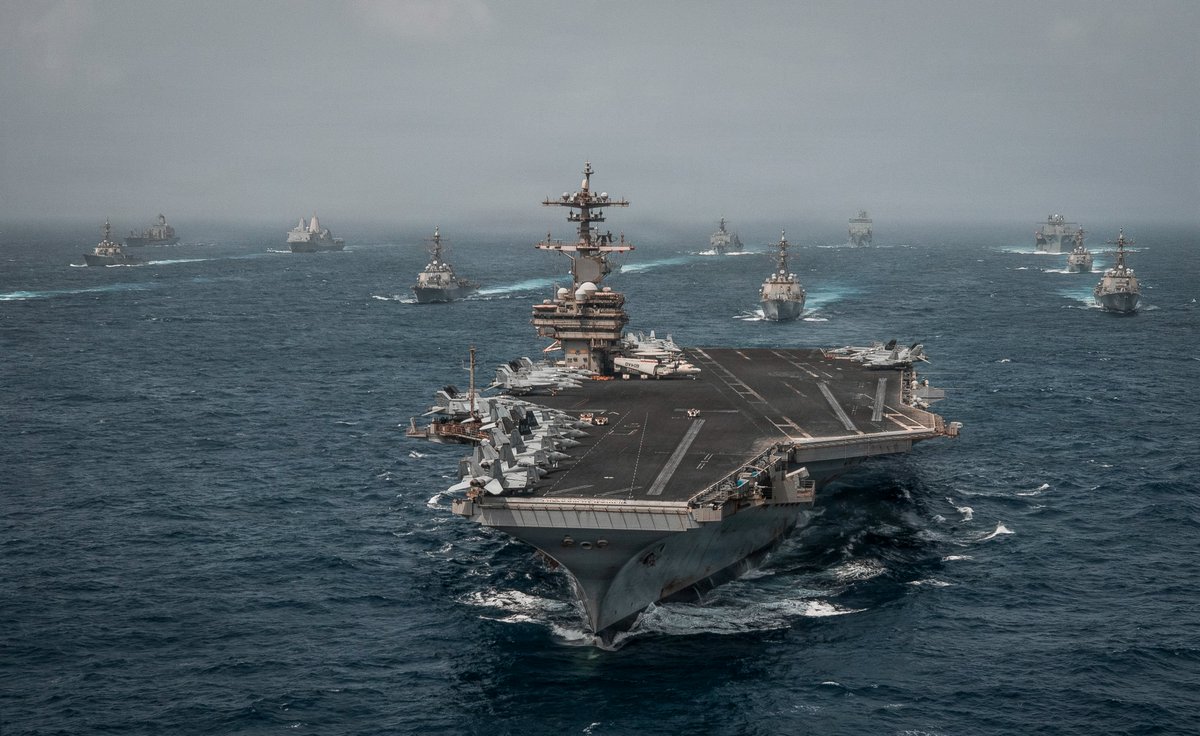
To grasp the powder keg, rewind to March 11, 2026: The U.S. issued its first explicit threat over Iranian mines in the Strait, a chokepoint narrower than the English Channel yet carrying 21 million barrels daily. Iran vowed "action" on March 12, escalating vows to close it entirely. By March 19, U.S. Marines announced contingency plans for Hormuz patrols; March 20 saw America boost oil supplies to flood the market and undercut leverage. The timeline peaks with Iran's March 26 concession to Spain—allowing safe passage for European allies—signaling desperation amid sanctions.
This mirrors past U.S.-Iran escalations: the 2019 tanker seizures post-Soleimani strike, or 1980s Tanker War. But today's pattern is distinct—repeated U.S. pressure (threats, oil surges, Marine posturing) has boxed Iran economically, with GDP contracting 8% last year per IMF estimates. Original analysis: These "salami-slicing" moves connect to broader geopolitical patterns, like U.S. "maximum pressure 2.0," fostering internal frustration. Protests, dormant since 2022, reignite as citizens blame the regime for provoking a superpower while breadlines lengthen. Historical missteps—like Iran's 2019 Aramco-adjacent drone ops—now haunt, pushing the ayatollahs into a corner where external defiance masks domestic fragility.
Recent events amplify: April 5's "US Threatens Strikes" (high impact), April 3 tanker crossings amid French exits and Oman pacts. This buildup illustrates how incremental U.S. actions have eroded regime cohesion, turning Hormuz from a bargaining chip into a domestic liability. Explore related risks in our Oil Price Forecast: Geopolitical Shadows – The Underreported Surge of Espionage and Proxy Alliances in US-Iran Tensions.
The Human Toll: Internal Dissent and Regime Pressure
Beneath the headlines of threats and tankers lies a human crisis: BBC reports Iranians fortifying homes against blackouts, with black market fuel prices tripling. Trump's "want freedom" line, echoed in Newsmax, strikes a chord—polls (pre-crisis, from IranPoll) showed 80% youth dissatisfaction. Times of India notes U.S. arms diversions to protesters, hinting at covert support.
Original analysis: Economic strain from Hormuz—oil exports down 30%—mirrors Venezuela's collapse, where sanctions sparked uprisings. Absent hard data (Tehran's info blackout), infer from 2022: 500+ deaths quelled protests, but today's combo of U.S. ultimatums and scarcity could overwhelm IRGC loyalty. Regime pressure mounts; whispers of supreme leader succession (Khamenei's age 86) fuel plots. Divisions weaken response: hardliners push closure, pragmatists eye deals, fracturing unity.
The Players
- Donald Trump (U.S. President): Motivated by "America First" energy security, legacy of Iran hawkishness. Positions ultimatums to force concessions, eyeing midterms boost.
- Iranian Regime (Ayatollahs, IRGC): Supreme Leader Khamenei and President Pezeshkian balance defiance with survival. IRGC profits from smuggling but faces loyalty tests amid protests.
- Iranian Civilians/Protesters: Primary underreported players—women, youth seeking reform. Trump's rhetoric empowers, but risk crackdowns.
- Regional Allies: Saudi Arabia eyes weakened Iran; Oman mediates. Europeans (France/Germany, per SCMP) push irrelevance-managing diplomacy.
- Global Actors: China (Iran oil buyer), Russia (proxy arms) back Tehran; U.S. Marines, tankers represent commerce.
The Stakes
Politically, regime collapse risks power vacuum, ISIS resurgence. Economically, Hormuz closure spikes oil to $150/bbl, inflating U.S. pump prices 50%. Humanitarian: Millions face blackouts, famine; protests could kill thousands. Policy implications: U.S. "freedom" narrative tests democracy promotion vs. isolationism; Iran's fall reshapes Shia Crescent, empowering Sunni axis. Track broader implications via our Global Risk Index.
Oil Price Forecast: Catalyst AI Market Prediction
The World Now's Catalyst AI engine forecasts market ripples from Hormuz geo-tensions, prioritizing high-confidence signals:
- OIL: Predicted + (high confidence) — Direct supply threats from Hormuz mines tighten balances. Historical: 2019 Aramco +15%. Risk: Non-ME ramp-up.
- USD: Predicted + (high/high confidence) — Safe-haven flows amid risk-off. Historical: 2022 Ukraine DXY +2% in 48h. Risk: De-escalation.
- SPX: Predicted - (high/medium confidence) — Risk-off equity sell-off via CTAs. Historical: 2022 Ukraine -3% week one. Risk: Fed calming.
- BTC: Predicted - (medium confidence) — Liquidation cascades as high-beta asset. Historical: 2022 Ukraine -10% in 48h. Risk: Institutional dip-buying.
- CHF: Predicted + (medium) — Safe-haven vs. EUR. Historical: 2019 tensions +1%.
- EUR: Predicted - (medium) — Weakens in risk-off.
Predictions powered by The World Now Catalyst Engine — Catalyst AI — Market Predictions. Track real-time AI predictions for 28+ assets.
For more on Trump's influence, see Oil Price Forecast: Unintended Alliances – How Trump's Iran Rhetoric is Forcing Gulf States into Uncharted Neutrality.
Looking Ahead
By Tuesday's deadline, no deal risks intensified protests—our prediction: widespread anti-regime actions within weeks, per 2022 patterns, leading to crackdowns or fragile transition. Scenarios: (1) Diplomatic breakthrough via Europeans/Oman (Al Jazeera hints); (2) Escalated cyber ops by non-state actors (e.g., Israeli proxies); (3) Proxy flare-ups (Houthis, Hezbollah). Key dates: April 8 deadline, April 10 UNSC meet. Long-term: Reshaped trade routes (Saudi pipelines boom), U.S.-Iran thaw or endless shadow war. Global: Oil volatility tests net-zero, empowers U.S. shale. Additional oil price forecast considerations include potential cyber escalations, as detailed in Oil Price Forecast: Cyber Warfare in the Shadows – How US-Iran Tensions are Reshaping Digital Alliances and Global Security.
This is a developing story and will be updated as more information becomes available.
Catalyst AI Market Prediction
Our AI prediction engine analyzed this event's potential market impact:
- SPX: Predicted - (medium confidence) — Causal mechanism: Boeing incident sparks aerospace sector sell-off with contagion to broad indices via safety concerns. Historical precedent: 2018-2019 Boeing 737 MAX crashes led SPX -5% in initial reaction. Key risk: incident downplayed by FAA probe.
- USD: Predicted + (medium confidence) — Causal mechanism: Global risk-off from Middle East geo tensions and disasters drives safe-haven flows into USD as primary reserve currency. Historical precedent: Similar to 2019 US-Iran tensions (Soleimani) when DXY rose 1% intraday. Key risk: swift de-escalation in Hormuz reduces risk-off urgency.
- TSM: Predicted - (low confidence) — Causal mechanism: Asia disaster risks (Fuji, Korea won) heighten supply chain fears for semis. Historical precedent: 2011 Fukushima caused Japanese indices -10% in a week, spilling to semis. Key risk: no actual eruption disrupts.
- SOL: Predicted - (low confidence) — Causal mechanism: Altcoin beta to BTC risk-off selling from geo headlines. Historical precedent: Feb 2022 Ukraine saw SOL -15% in 48h. Key risk: meme-driven rebound. Calibration: reduce given 34.1x overestimate.
- OIL: Predicted + (high confidence) — Causal mechanism: Direct supply threats from Saudi intercepts, Hormuz, Russia drone tighten physical balances. Historical precedent: 2019 Aramco drones spiked oil +15% in days. Key risk: no follow-through attacks.
- BTC: Predicted - (medium confidence) — Causal mechanism: Risk-off sentiment from geo tensions triggers crypto liquidation cascades as high-beta risk asset. Historical precedent: Feb 2022 Ukraine invasion when BTC dropped 10% in 48h. Key risk: dip-buying by institutions if oil stabilizes. Calibration adjustment: reduce magnitude given 11.9x overestimate history.
- XRP: Predicted - (low confidence) — Causal mechanism: Crypto risk-off cascades hit XRP as utility token. Historical precedent: Feb 2022 Ukraine BTC-led drop hit XRP -12% in 48h. Key risk: regulatory positive surprise.
- ETH: Predicted - (medium confidence) — Causal mechanism: Risk-off liquidations amplify ETH beta to BTC. Historical precedent: 2022 Ukraine ETH -8% initial drop. Key risk: staking inflows.
- CHF: Predicted + (medium confidence) — Causal mechanism: Safe-haven bid strengthens CHF amid geo risk-off. Historical precedent: 2019 US-Iran tensions CHF +1% vs EUR. Key risk: ECB hawkishness.
- EUR: Predicted - (medium confidence) — Causal mechanism: Risk-off weakens EUR vs safe havens amid Baltic/Ukraine tensions. Historical precedent: 2022 Ukraine EUR -5% in week. Key risk: ECB rate surprise.
Predictions powered by The World Now Catalyst Engine. Track real-time AI predictions for 28+ assets.