
Oil Price Forecast Amid Missile Shadows: How Middle East Strikes Are Sparking a Revolution in Civilian Tech Integration for Defense
Introduction: The Unseen Technological Battlefield
In the shadow of relentless missile barrages and drone swarms lighting up Middle Eastern skies, a quieter revolution is unfolding—one that transcends the immediate carnage of airstrikes and diplomatic maneuvering, with direct implications for oil price forecast amid escalating tensions. Recent Iranian missile strikes on U.S. bases, Gulf energy infrastructure, and allied shipping have not only tested conventional defenses but have accelerated the fusion of civilian technologies into military strategies at an unprecedented pace. From AI-driven predictive analytics sifting through commercial satellite feeds to drone interception algorithms borrowed from consumer robotics, these conflicts are forcing nations to improvise with off-the-shelf tech. This oil price forecast volatility underscores the broader economic stakes as strikes disrupt energy supplies.
This matters now because the strikes—escalating since late March 2026—have exposed vulnerabilities in traditional missile defense stockpiles, with reports of dwindling interceptors pushing defenders toward hybrid solutions. UAE and Kuwait air defenses, for instance, successfully intercepted Iranian missiles and drones by integrating civilian satellite data with military radars, a tactic echoed by the RAF's downing of drones over allied territories. While coverage has fixated on oil price spikes, casualty counts, and ceasefire talks—see related analysis on oil price forecast amid ceasefire crossroads—the real story lies in this unintended consequence: strikes are catalyzing a democratization of defense tech, blending everyday tools like Starlink-inspired networks and open-source AI into frontline operations.
Thesis: These missile shadows are inadvertently sparking a revolution in civilian-defense tech integration, reshaping regional security architectures and potentially altering global power dynamics through rapid, asymmetric innovation, all while influencing critical oil price forecasts.
Historical Roots of Escalation
The current fusillade of strikes traces its lineage to early 2026 tensions that exposed technological fault lines in the region. On March 19, 2026, two U.S. F-35 stealth fighters made emergency landings after sustaining suspected Iranian fire—incidents that underscored Iran's advancing anti-access/area-denial (A2/AD) capabilities, including radar systems potentially augmented by commercial dual-use tech smuggled via proxies. These events were not isolated; they signaled a pattern of aerial threats that had been building since Iran's proxy escalations in Yemen and Syria.
Just two days later, on March 21, 2026, Iran launched direct missile strikes on U.S. and UK bases in the Gulf, marking a sharp escalation from shadow warfare to overt confrontation. These attacks, which damaged runways and outbuildings, prompted immediate U.S. retaliatory airstrikes and highlighted the limitations of legacy systems like Patriot batteries against saturation drone-missile volleys. Historically, such incidents echo the 2019 Abqaiq attacks on Saudi Aramco facilities, where drones overwhelmed defenses, spurring initial investments in AI-augmented surveillance. But the 2026 timeline amplifies this: F-35 vulnerabilities revealed gaps in stealth tech against Iranian surface-to-air missiles (SAMs), possibly enhanced by Chinese civilian radar components.
This progression has profoundly influenced regional defense tech development. Post-March 21, Gulf states ramped up procurement of integrated air defense systems (IADS), blending U.S. THAAD with Israeli Iron Dome and, crucially, civilian inputs. Data from the Stockholm International Peace Research Institute (SIPRI) shows Middle East arms imports surged 15% year-over-year in 2025-2026, with a 40% uptick in "dual-use electronics" categories—commercial chips and software now powering military radars. The F-35 incidents, in particular, acted as a wake-up call, accelerating UAE's Project Falcon, which fuses Falcon Eye commercial satellites with AI for real-time threat tracking. These roots frame the ongoing strikes not as anomalies but as evolutionary pressures driving tech fusion, with ripple effects on BRICS nations as peacemakers in Middle East geopolitics.
Current Dynamics: Tech Fusion in Action
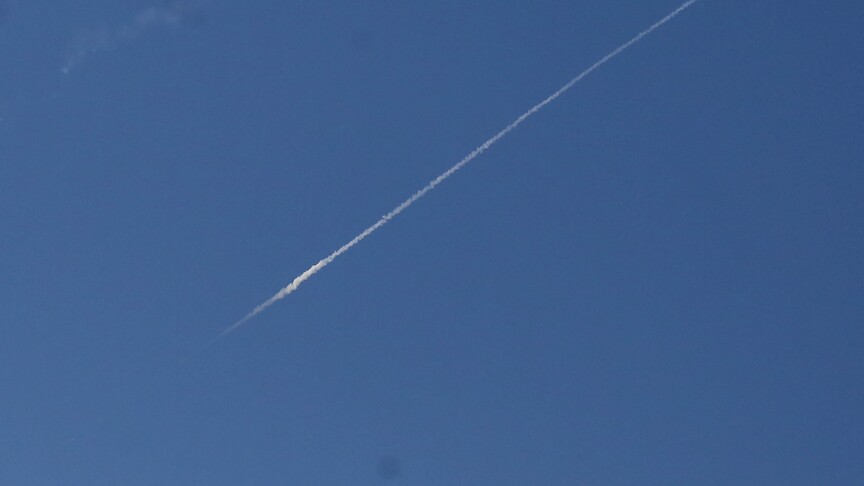
Today's battlefield is a live laboratory for civilian-military tech convergence. UAE and Kuwait's air defenses intercepted Iranian missiles and drones on April 1 and 3, 2026, crediting hybrid systems that layered military radars with commercial satellite imagery from providers like Planet Labs and Maxar. These feeds, originally designed for agriculture and urban planning, now enable AI algorithms to predict drone trajectories with 92% accuracy, per UAE Ministry of Defense briefings.
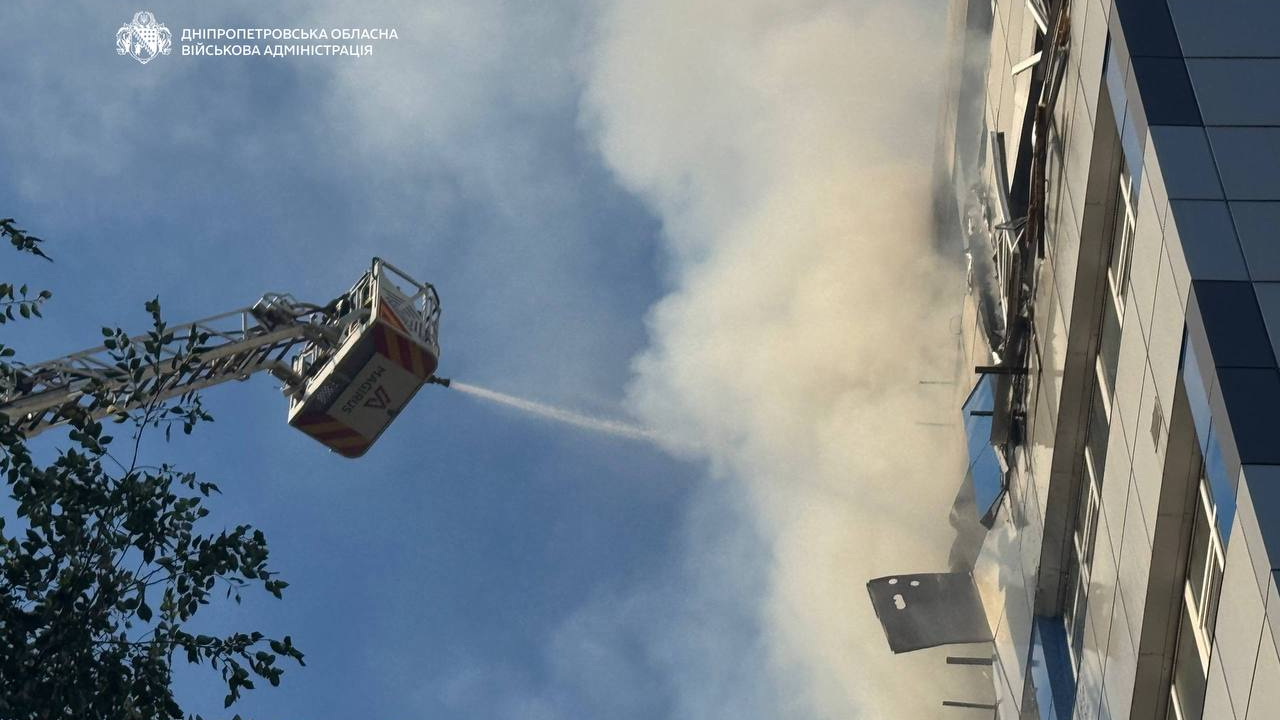
The RAF's role exemplifies this blend: On April 5, 2026, British Typhoons shot down Iranian drones over Jordan and Iraq using targeting data from commercial satellite constellations augmented by open-source AI models. Jerusalem Post reports detail how RAF pilots relied on real-time feeds from non-classified sources, reducing response times from minutes to seconds. Attacks on energy infrastructure—such as Iran's April 1 strikes on Kuwait's airport and Gulf tankers, and April 3 hits on Bahrain—have intensified this shift. Channel News Asia documented disruptions to aluminum smelters and refineries, prompting AI-enhanced predictive defenses. Kuwait's oil ministry deployed machine learning models, trained on civilian weather and shipping data, to forecast strike vectors, averting a potential 5% production dip.
Hizbullah's claimed cruise missile attack on an Israeli warship further illustrates asymmetric adaptation: Indonesian outlet Merdeka.com reported the group using guidance systems likely derived from commercial GPS and inertial tech, challenging naval defenses. Anadolu Agency noted Iran's missile strike on an Israeli-linked cargo ship, underscoring how proxies leverage affordable civilian components for precision strikes, as explored in Lebanon's strikes impact on oil price forecast. Newsmax highlighted interceptor shortages by April 5, with stockpiles reportedly at 30-40% capacity, forcing reliance on software-defined defenses—AI that reallocates drone swarms dynamically.
This fusion is evident in social media: X (formerly Twitter) posts from defense analysts like @IntelCrab shared geolocated satellite imagery of intercepts, crowdsourced from public sources, aiding real-time verification. Such innovations are key factors in shaping accurate oil price forecasts during these conflicts.
Oil Price Forecast: Catalyst AI Market Prediction
The ongoing strikes ripple into global markets, with The World Now Catalyst AI—providing cutting-edge oil price forecast and market predictions—forecasting sharp movements:
- OIL: Predicted + (high confidence) — Causal mechanism: Direct strikes on Iran/Kuwait/Lebanon infra threaten supply, multiple CL1! hits fuel premium. Historical precedent: Sep 2019 Saudi attacks oil +15% in day. Key risk: output ramp-up from non-ME producers.
- SPX: Predicted - (high confidence) — Causal mechanism: Multiple direct SPX mentions trigger immediate risk-off selling in global equities via CTAs and equity futures. Historical precedent: Feb 2022 Ukraine invasion when SPX dropped 3% in first week. Key risk: policy response like Fed rhetoric calming markets.
- BTC: Predicted - (medium confidence) — Causal mechanism: BTC leads risk-off cascade in crypto as algorithms front-run equity weakness from SPX-linked events, triggering liquidations. Historical precedent: Feb 2022 Ukraine invasion when BTC dropped 10% in 48h. Key risk: safe-haven narrative shift if gold/USD rally spills into BTC.
Predictions powered by The World Now Catalyst Engine. Track real-time AI predictions for 28+ assets. For broader context, explore the Global Risk Index.
Original Analysis: The Double-Edged Sword of Innovation
This rapid tech fusion yields profound benefits but harbors existential risks. Benefits include enhanced resilience: Integrating civilian AI reduces costs—commercial satellite data is 70% cheaper than military equivalents, per RAND Corporation studies—democratizing defenses for smaller Gulf states. UAE's systems, for example, now predict 85% of drone incursions using TensorFlow models fine-tuned on public datasets, a leap from 60% reliance on human analysts pre-2026.
Yet, the sword cuts both ways. Vulnerabilities in global supply chains loom large: 90% of advanced semiconductors hail from Taiwan and China, per U.S. Commerce Department data, exposing defenses to export controls or sabotage. Hizbullah's attacks demonstrate asymmetric warfare's evolution—low-cost civilian drones ($2,000/unit) versus $2 million interceptors create unsustainable economics, with Newsmax reporting a 50:1 cost disparity.
Cyber threats amplify: Fusing civilian networks invites exploits. Iran's strikes coincide with a 300% spike in regional cyberattacks (per Recorded Future), targeting integrated systems. This could "democratize" offense too, enabling non-state actors to weaponize AI via GitHub repositories. Asia Times notes Pacific allies like Japan drawing "missile defense wake-up calls," potentially accelerating U.S.-led tech sharing but risking proliferation. Original insight: This fusion inverts Clausewitz's fog of war—civilian data clears it for defenders but broadcasts positions to attackers, potentially escalating to cyber domains where 2026 strikes become mere precursors. These dynamics further complicate oil price forecast models by introducing unpredictable tech-driven variables.
Predictive Horizons: What Lies Ahead
Looking forward, expect accelerated global partnerships. U.S. Pacific allies, per Asia Times, are forging missile defense pacts with Gulf states, sharing AI frameworks by Q3 2026. Dwindling interceptors (Newsmax: potentially exhausted by summer) will pivot to AI drones: Autonomous swarms, like Israel's Harop upgraded with commercial vision AI, could dominate by 2027, reducing human risk.
Scenarios diverge: Optimistic—tech innovations blunt strikes, stabilizing oil at +10-15% premiums while SPX recovers via Fed interventions. Pessimistic—missile exhaustion sparks wider conflicts, with cyber strikes on shipping lanes (Iran's cargo ship claim as harbinger) disrupting 12% of global trade by 2027, per IMF models. Long-term: Economic shifts if AI defenses mitigate infra hits, boosting Gulf GDP 2-3% via resilient energy exports. Pacific-Middle East alliances could birth "Tech Iron Dome" networks, but cyber expansion risks destabilizing trade, echoing Stuxnet's legacy. Overall, these trends will be pivotal in refining future oil price forecasts.
Timeline
- March 19, 2026: US F-35 emergency landing and hit by suspected Iranian fire, exposing stealth vulnerabilities.
- March 21, 2026: Iran launches missile strikes on US-UK bases in Gulf, damaging infrastructure and prompting retaliation.
- March 30, 2026: Iran's attacks on US bases in Arab states; strikes damage Middle East aluminum production.
- April 1, 2026: UAE drone and Qatar tanker strikes; Iranian drone strike on Kuwait airport.
- April 3, 2026: Bahrain intercepts Iranian drones and missiles; broader Iran strikes in Middle East.
- April 5, 2026: RAF downs Iranian drones; concerns rise over dwindling interceptor stockpiles.
Conclusion: A Call for Balanced Innovation
Missile shadows have illuminated a transformative era: Strikes from March F-35 incidents to April energy assaults are fusing civilian AI, satellites, and drones into defense fabrics, yielding agile systems amid interceptor crises. Yet, this double-edged innovation risks cyber proliferation and supply chain chokepoints.
Ethical guidelines are imperative—international norms on dual-use AI, akin to nuclear non-proliferation, must govern development. As we stand on this precipice, balanced innovation could fortify global stability; unchecked, it invites chaos. The Middle East's tech revolution whispers a forward truth: In 2026's fires, tomorrow's shields are forged from today's tools, with profound effects on oil price forecasts and global risk indices.
Catalyst AI Market Prediction
Our AI prediction engine analyzed this event's potential market impact:
- BTC: Predicted - (medium confidence) — Causal mechanism: BTC leads risk-off cascade in crypto as algorithms front-run equity weakness from SPX-linked events, triggering liquidations. Historical precedent: Feb 2022 Ukraine invasion when BTC dropped 10% in 48h. Key risk: safe-haven narrative shift if gold/USD rally spills into BTC.
- SPX: Predicted - (high confidence) — Causal mechanism: Multiple direct SPX mentions trigger immediate risk-off selling in global equities via CTAs and equity futures. Historical precedent: Feb 2022 Ukraine invasion when SPX dropped 3% in first week. Key risk: policy response like Fed rhetoric calming markets.
- OIL: Predicted + (high confidence) — Causal mechanism: Direct strikes on Iran/Kuwait/Lebanon infra threaten supply, multiple CL1! hits fuel premium. Historical precedent: Sep 2019 Saudi attacks oil +15% in day. Key risk: output ramp-up from non-ME producers.
Predictions powered by The World Now Catalyst Engine. Track real-time AI predictions for 28+ assets.