
Nuclear Tests Awaken Fault Lines Toward Dangerous Volcano on China Border Amid Natural Disasters
North Korea’s nuclear tests have triggered persistent seismic activity along fault lines leading to Changbai Mountain, one of the world’s most dangerous volcanoes located on the China-North Korea border, amid natural disasters, while Mount Etna’s ash emissions have grounded flights at Sicily’s Catania airport for a second time in recent months. [1] [2]
Nuclear Tests Trigger Seismic Activity Near Major Volcano Amid Natural Disasters
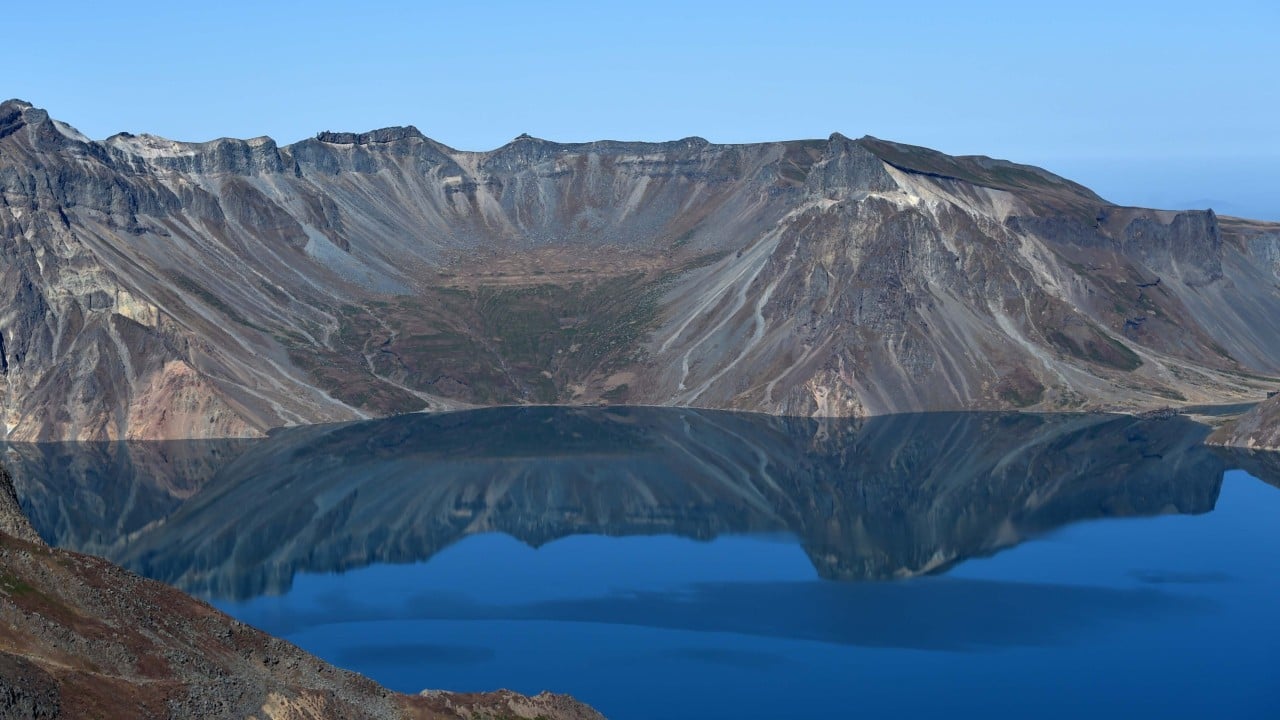
North Korea’s underground nuclear tests have triggered a chain of seismic events, activating ancient fault lines that stretch towards one of the most dangerous volcanoes on Earth, about 100km (62 miles) away, according to a paper published by the journal Science. [1] The joint Chinese and South Korean study, which appeared on Thursday, found that the five nuclear explosions conducted between 2013 and 2017 at the Punggye-ri test site beneath Mount Mantap fundamentally altered the region’s geological stability. [1] Instead of fading quickly, the earthquake activity had not only persisted for nearly a decade, it had also steadily intensified, the researchers found. [1] It is now propagating along two distinct parallel fault zones heading directly towards the China-North Korea border. [1] At the end of those fault lines is Changbai Mountain, known on the Korean peninsula as Mount Paektu, a dormant but restless volcano that had its last major eruption in AD946 – one of the largest on the planet in the past 2,000 years. [1]
Details of the Geological Changes
The five underground nuclear explosions at Punggye-ri between 2013 and 2017 altered geological stability beneath Mount Mantap, causing earthquake activity to persist and intensify for nearly a decade instead of fading. [1] The seismic events are propagating along two distinct parallel fault zones heading directly towards the China-North Korea border and ending at Changbai Mountain, also known as Mount Paektu. [1] North Korea’s underground nuclear tests have triggered a chain of seismic events, activating ancient fault lines that stretch towards one of the most dangerous volcanoes on Earth, about 100km (62 miles) away, according to a paper published by the journal Science. [1] The joint Chinese and South Korean study, which appeared on Thursday, found that the five nuclear explosions conducted between 2013 and 2017 at the Punggye-ri test site beneath Mount Mantap fundamentally altered the region’s geological stability. [1] Instead of fading quickly, the earthquake activity had not only persisted for nearly a decade, it had also steadily intensified, the researchers found. [1]
{IMAGE_2}
Risk Profile of Changbai Mountain
Changbai Mountain is a dormant but restless volcano whose last major eruption in AD 946 was one of the largest on the planet in the past 2,000 years. [1] North Korea’s underground nuclear tests have triggered a chain of seismic events, activating ancient fault lines that stretch towards one of the most dangerous volcanoes on Earth, about 100km (62 miles) away, according to a paper published by the journal Science. [1] The joint Chinese and South Korean study, which appeared on Thursday, found that the five nuclear explosions conducted between 2013 and 2017 at the Punggye-ri test site beneath Mount Mantap fundamentally altered the region’s geological stability. [1] It is now propagating along two distinct parallel fault zones heading directly towards the China-North Korea border. [1] At the end of those fault lines is Changbai Mountain, known on the Korean peninsula as Mount Paektu, a dormant but restless volcano that had its last major eruption in AD946 – one of the largest on the planet in the past 2,000 years. [1]
Mount Etna Ash Disrupts Sicilian Air Travel
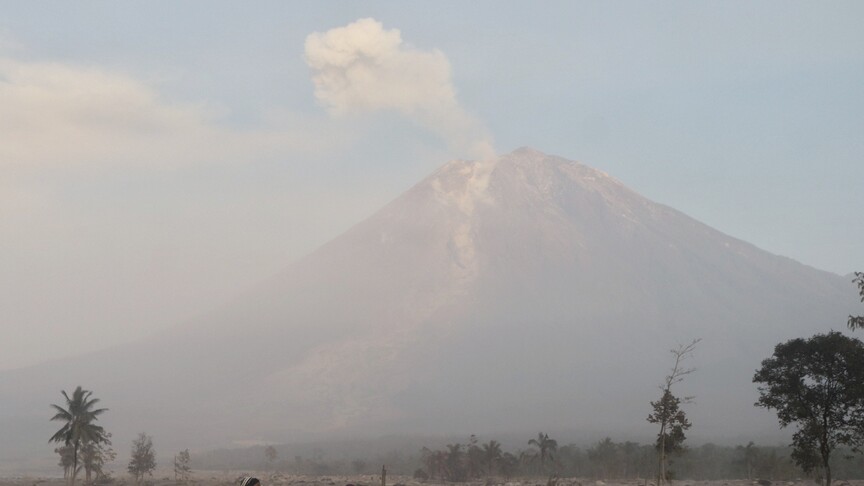
All flights at Catania International Airport in Sicily were suspended due to volcanic ash from nearby Mount Etna, Europe’s tallest active volcano, with the suspension lasting until 22:00 on Tuesday after beginning on Monday. [2] It is the second time in recent months that Catania International Airport, on the island of Sicily, has stopped flights due to emissions from Etna, which is Europe's tallest active volcano and erupts frequently. [2] Airport officials said arrivals and departures, which were first halted on Monday, would be suspended until 22:00 (20:00 GMT) on Tuesday. [2] Ongoing activity at Etna prompted the INGV Etneo Observatory to issue a red aviation alert on Monday. [2] In a statement on its website on Tuesday, Catania - Italy's fifth-busiest airport by passenger traffic - said further updates would follow. [2]
Broader Impacts on Aviation and Tourism
The airport closure is the second in recent months; it was shut for almost a week during peak summer last month, despite Etna standing 40 km away and drawing 1.5 million visitors annually. [2] Catania, which usually serves about 12 million passengers each year, was closed for almost a week during the peak summer season last month because of volcanic activity. [2] There have been calls for the airport to shut and other facilities in Sicily to be expanded because of its proximity to Etna. [2] The volcano, which stands at 3,324 metres (10,906ft), is about 40km (25 miles) away from the airport. [2] Despite air traffic disruption, August's eruption drew large crowds of onlookers to Etna's lava flows. [2] About 1.5 million people visit Etna every year. [2]
What to watch next: Airport officials said further updates would follow on the Catania suspension, and the joint Chinese and South Korean study on the fault lines will continue to track how the intensified seismic activity propagates.