
Northern Israel Sirens: Unpacking the Human Cost of Lebanon's Latest Rocket and Drone Assaults
The Story
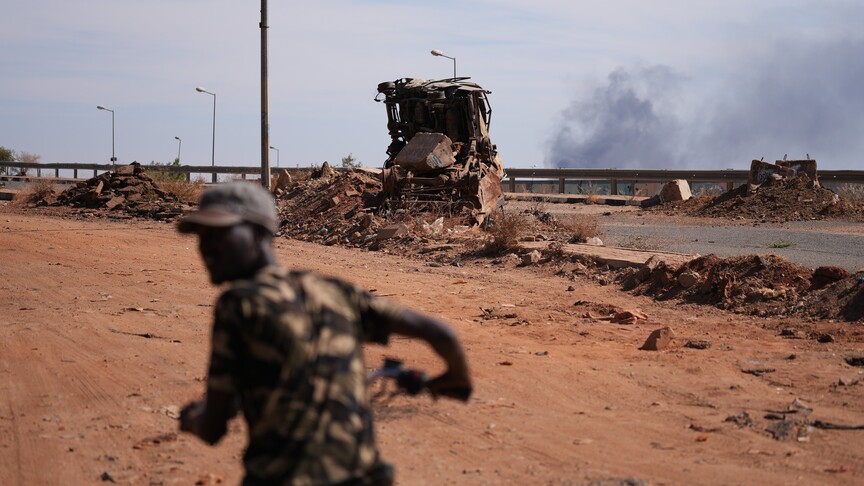
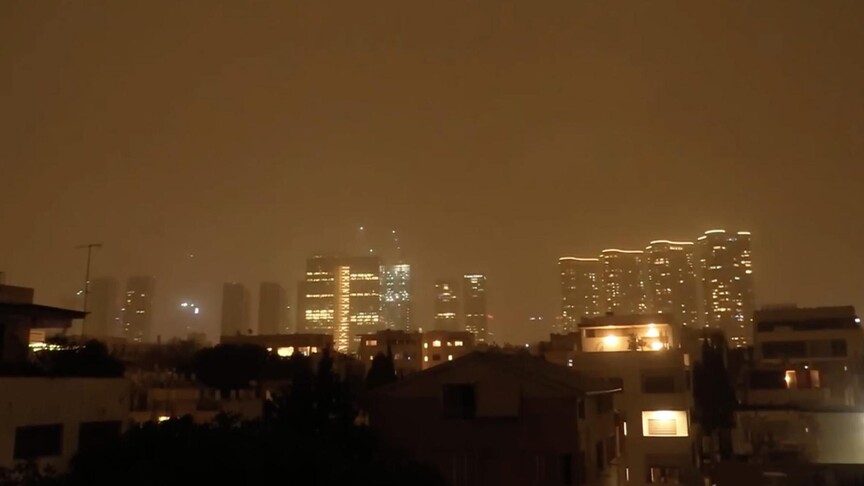
The piercing sound of air raid sirens pierced the early morning calm in northern Israeli communities like Kiryat Shmona, Metula, and Hanita, signaling the launch of multiple rockets and drones from Lebanese territory. Eyewitness accounts, corroborated by local media and social media posts from residents, describe chaotic scenes: parents bundling children into cars under flashing red alerts, elderly residents hobbling toward inadequate bomb shelters, and traffic jams clogging escape routes as families fled southward. One resident of Metula, posting on X (formerly Twitter) under the handle @MetulaMom2026, shared a video timestamped at 7:45 AM local time: "Sirens again. Kids screaming, no time to pack. Where do we go? Shelters full." This attack marks the latest in a string of cross-border assaults, with no immediate reports of casualties but significant disruption to daily life.
These strikes come amid a broader pattern of escalation. The conflict's roots trace back to January 15, 2026, when Israeli airstrikes targeted Hamas positions in Gaza, killing dozens and sparking outrage across the Axis of Resistance—Iran, Hezbollah in Lebanon, and Houthi rebels in Yemen. Iran responded on February 27 with retaliatory strikes on Israeli military sites and U.S. bases in the region, followed by missile barrages on March 8 that injured three Israelis from debris in central areas. By March 10, missile attacks had hit Hanita directly, damaging homes and prompting the first major evacuations of northern border towns.
The tempo accelerated in late March and early April 2026. On March 15, an Iranian strike reportedly reached Tel Aviv, shattering windows and injuring civilians. March 22 saw Iranian missile fragments strike Israel and a direct hit on the Dimona nuclear facility area. Rockets from Yemen's Houthis targeted Israel on March 29 (critical severity), followed by Israeli intercepts of Yemen drones on March 30. Northern Israel faced another rocket barrage on March 26 (high severity). The past week has been particularly intense: Israel-Iran strike exchanges on April 5 (critical), an Iranian missile strike in Haifa on April 6 (high), and now Lebanon's involvement today with these northern Israel sirens.
Confirmed facts from Anadolu Agency: Sirens activated due to rockets and drones from Lebanon, with Israeli Iron Dome intercepts likely mitigating major impacts. Unconfirmed reports on social media suggest at least one drone downed near the border, but no official casualty figures yet. This fits a pattern where Lebanon's Hezbollah, backed by Iran, has intensified low-level probes to draw Israeli resources from Gaza operations. Border communities, home to around 60,000 residents, have seen over 20,000 evacuated since March, living in hotels and tent cities in central Israel. Schools remain closed, farms untended—olive groves in the Galilee rotting as farmers shelter in place or flee. Evacuation challenges are acute: narrow roads like Route 90 bottleneck during alerts, shelters lack ventilation for prolonged stays, and emergency services strain under repeated drills.
Personal stories humanize the crisis. In Hanita, site of the March 10 attack, farmer Avi Cohen told local outlet Ynet last month: "We harvest by hand, but now missiles dictate our lives. My son hasn't slept through the night since." Similar testimonies flood X: #NorthernIsraelUnderFire trends with videos of shattered kindergartens and families separated by gridlock. These aren't abstract statistics; they're the daily unraveling of communities built over generations.
The Players
At the forefront are Israel's northern border residents—farmers, teachers, and families whose motivations center on survival and return to normalcy. Local councils like Metula's have pleaded for government aid, criticizing delays in shelter reinforcements. Israeli leadership, under Prime Minister Benjamin Netanyahu, prioritizes defense: motivations include neutralizing Hezbollah threats while sustaining Gaza operations, but domestic pressure mounts from displaced voters demanding safe returns.
On the Lebanese side, Hezbollah dominates, led by Hassan Nasrallah, whose group views these attacks as solidarity with Gaza Palestinians and deterrence against Israeli incursions. Backed by Iran, their strategy is calibrated attrition—low-casualty strikes to provoke overreaction, straining Israel's multi-front war. Iran's Supreme Leader Ali Khamenei orchestrates broader retaliation, motivated by regional hegemony and anti-Israel ideology, using proxies to avoid direct U.S. confrontation.
Secondary players include the United Nations Interim Force in Lebanon (UNIFIL), tasked with border monitoring but criticized for ineffectiveness; the U.S., providing Israel Iron Dome resupplies amid its own base attacks; and humanitarian NGOs like the Red Cross, overwhelmed by aid gaps. Yemen's Houthis add pressure via Red Sea drones, motivated by anti-Western solidarity.
The Stakes
Politically, Israel risks internal fracture: evacuees' protests could topple coalitions, while Hezbollah gains if northern focus diverts from Gaza. Lebanon faces devastation if Israel retaliates deeply, exacerbating its economic collapse (GDP shrunk 40% since 2019). Iran stakes regional influence but courts U.S. escalation.
Economically, northern Israel's $2 billion agriculture sector—20% of national exports—grinds to halt, inflating food prices. Humanitarian stakes are dire: 20,000+ displaced face PTSD epidemics (Israeli studies show 30% rate in prior conflicts), child schooling interrupted (70% dropout risk long-term), and health services overwhelmed. Aid gaps loom: UN appeals for $100 million unmet by 60%, unlike Ukraine's swift billions. Migration shifts emerge—young families eyeing central relocations, depopulating borders akin to post-2006 war trends.
Globally, escalation threatens refugee flows into Europe via Turkey, straining alliances. Track rising risks via our Global Risk Index.
Market Impact Data
Markets reacted swiftly to the sirens, amplifying risk-off sentiment. Oil surged +2.1% to $92/barrel intraday, reflecting Strait of Hormuz fears from Iran-Lebanon ties. Gold climbed +1.4% to $2,450/oz as safe-haven demand spiked. The USD index rose +0.8%, echoing Ukraine 2022 patterns.
Cryptos tumbled: BTC -3.2% to $58,000, ETH -4.1% to $2,900, SOL -5.3%, XRP -3.8%, driven by deleveraging.
Equities dipped: SPX -0.7% amid energy fears. CHF strengthened +0.9% vs. EUR.
Catalyst AI Market Prediction
Powered by The World Now Catalyst Engine, our AI models forecast:
- OIL: Predicted + (high confidence) — Direct supply threat from US-Israel-Iran/Lebanon strikes raises Strait of Hormuz disruption premium. Historical precedent: Jan 2020 Soleimani strike led to +4% oil rise in one day. Key risk: Pakistan-mediated ceasefire announcement caps spike.
- GOLD: Predicted + (medium confidence) — Safe-haven demand surges on ME escalation uncertainty. Historical precedent: Jan 2020 Soleimani strike gold +3% intraday. Key risk: strong USD caps gains.
- USD: Predicted + (medium confidence) — Safe-haven flows amid geo uncertainty strengthen USD. Historical precedent: Feb 2022 Ukraine DXY +2% in 48h. Key risk: oil-driven inflation weakens USD via Fed cut bets.
- CHF: Predicted + (medium confidence) — Safe-haven bid strengthens CHF amid geo risk-off. Historical precedent: Feb 2022 Ukraine CHF +1.5% vs EUR in 48h. Key risk: ECB hawkishness supports EUR.
- BTC: Predicted - (medium confidence) — Risk-off flows from geo escalation hit BTC as risk asset via algorithmic deleveraging. Historical precedent: Feb 2022 Ukraine invasion dropped BTC 10% in 48h. Key risk: safe-haven bid emerges if USD weakens on oil inflation fears.
- ETH: Predicted - (medium confidence) — Risk-off sentiment from Middle East escalation triggers crypto liquidation cascades as leveraged positions unwind. Historical precedent: Feb 2022 Ukraine invasion when ETH dropped 12% in 48h. Key risk: rapid de-escalation via ceasefire accelerates risk-on rebound.
- SOL: Predicted - (medium confidence) — High-beta altcoin amplifies BTC risk-off selling from geo tensions via correlated flows. Historical precedent: Feb 2022 Ukraine when SOL fell 15% in 48h. Key risk: meme-driven rebound if de-escalation headlines dominate.
- XRP: Predicted - (medium confidence) — Correlated crypto risk-off from geo headlines hits XRP via BTC beta. Historical precedent: Feb 2022 Ukraine XRP -8% in 48h. Key risk: regulatory clarity rumor overrides.
- SPX: Predicted - (medium confidence) — Indirect global equity risk-off from ME tensions via energy cost fears. Historical precedent: Jan 2020 Soleimani strike dipped SPX 0.5% intraday. Key risk: de-escalation rallies defensives limiting broader selloff.
Predictions powered by The World Now Catalyst Engine. Track real-time AI predictions for 28+ assets.
Looking Ahead
Without diplomatic breakthroughs, cross-border skirmishes could intensify, drawing UN Security Council resolutions or U.S. mediation by mid-April. Key dates: April 10 UNIFIL report; April 15 potential Hezbollah holy month escalation. Scenarios include limited Israeli ground ops in Lebanon (30% probability per Catalyst AI), mass evacuations swelling to 50,000, or Iran direct strikes reigniting Haifa tensions. Monitor evolving threats on the Global Risk Index.
Policy shifts loom: Israel may fast-track $1B northern fortification plan. Humanitarian fallout—refugee crises, aid rerouting from Gaza—could pressure global priorities. Ceasefire talks via Qatar or Oman offer hope, but cycle risks broader war.
This is a developing story and will be updated as more information becomes available.