
Netanyahu's Victory Claim: How Israel's Strikes Could Reshape Global Cybersecurity Threats
The Story
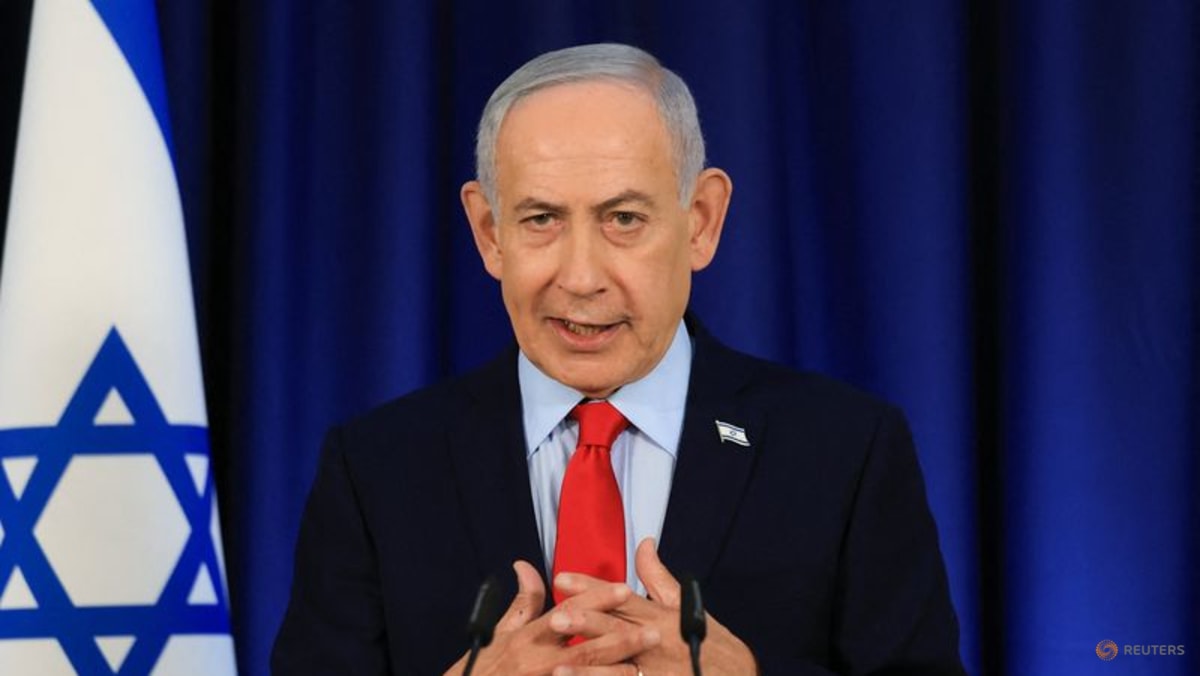
The narrative of Israel's recent military campaign against Iran reads like a high-stakes chess match that has veered into the digital shadows, where physical strikes intersect with invisible cyber battlefields. On an unspecified date in early April 2026—amid ongoing hostilities—Netanyahu addressed the nation, claiming that Israeli forces had "crushed" Iran's nuclear and missile programs, as reported by Channel News Asia. This assertion comes on the heels of Israel's preventive strikes launched on February 28, 2026, bolstered by US military upgrades to Israel's F-35 fleet as a game-changer in the Iran standoff, which targeted key Iranian facilities, including suspected nuclear enrichment sites and missile production hubs. Netanyahu's statement, delivered with characteristic defiance, frames the operation as a resounding success, neutralizing threats that Israel has long viewed as existential.
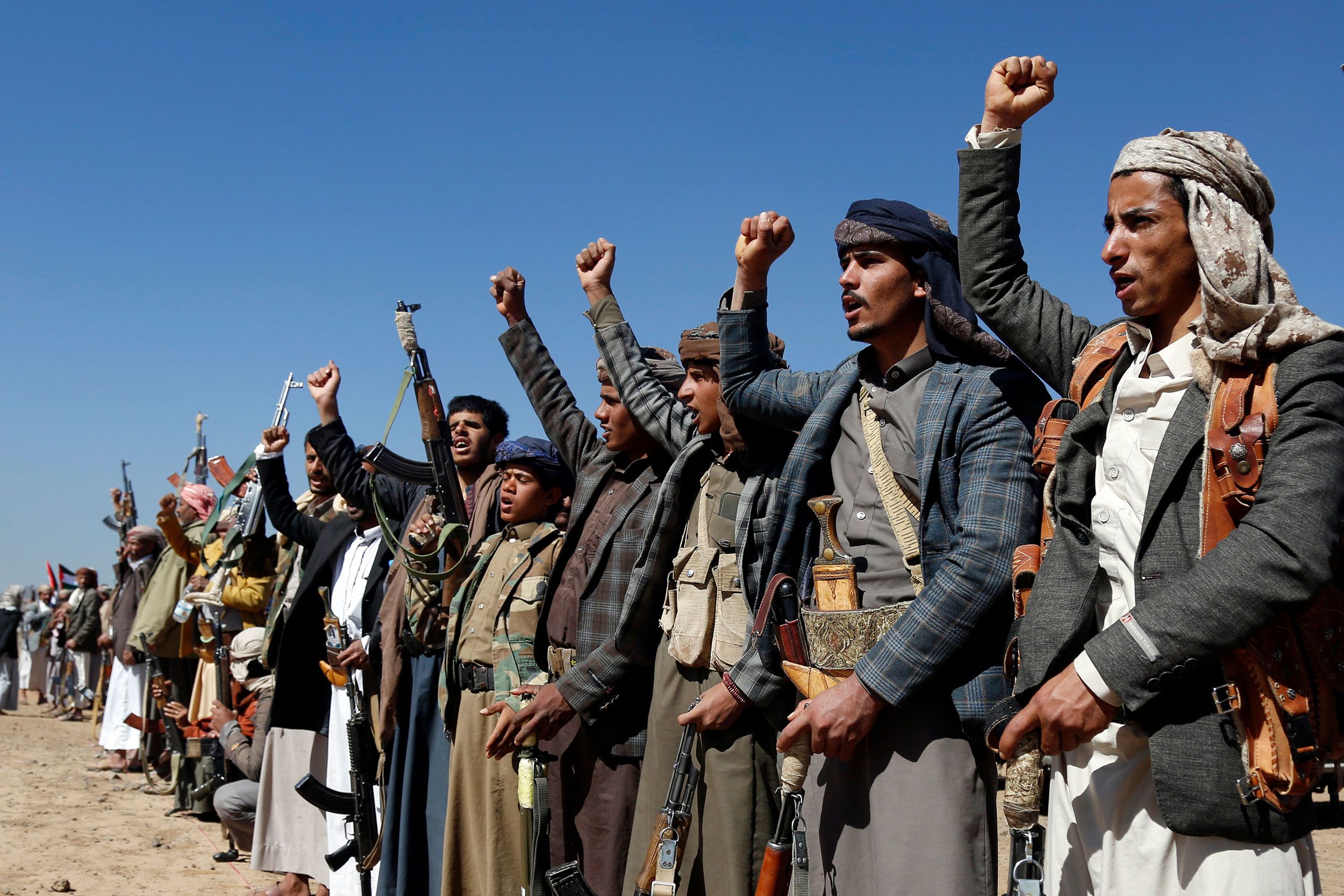
To understand this breaking development, one must rewind to the fragile foundations of the current crisis. The timeline begins with the U.S.-brokered Gaza Truce entering Phase Two on January 15, 2026, a momentary de-escalation in the Israel-Hamas war that allowed for humanitarian pauses but sowed seeds of distrust. Israel accepted Hamas-reported war dead figures on January 30, 2026, a diplomatic concession that critics in Jerusalem decried as legitimizing terrorist narratives. Tensions simmered until February 28, when Israel executed its preventive attack on Iran, justified as preemption against imminent nuclear threats. The very next day, March 1, Israel publicly supported full-scale war against Iran, signaling a shift from defense to offense. By March 8, the Middle East saw full escalation, with cross-border strikes involving Hezbollah proxies and Iranian-backed militias, amid Lebanon's internal divisions sabotaging peace talks.
This chain of events was not isolated; it built on a recent surge of critical incidents. Just weeks prior, on March 22 and March 15, reports of Middle East war escalation and Israel-Iran war injuries underscored the human cost, while March 23 saw U.S.-Israeli aligned airline relocations due to airspace closures. Casualties rose sharply by March 30, coinciding with Israel's arms boosts amid the Iran war. Even as late as April 8, Israel backed a U.S.-Iran ceasefire proposal, highlighting the yo-yo of diplomacy and destruction.
What sets this apart is the unique cybersecurity angle: Israel's precision strikes, likely involving advanced cyber tools like those reminiscent of past operations such as Stuxnet (the 2010 worm that sabotaged Iranian centrifuges), may have inadvertently exposed digital chokepoints. Confirmed: Netanyahu's claims of program dismantlement, drawn directly from his public address. Unconfirmed: The full extent of damage to Iran's cyber infrastructure, including command-and-control networks for its nuclear sites. Retaliatory cyber risks loom large—Iran's Islamic Revolutionary Guard Corps (IRGC) has a history of asymmetric responses, such as the 2020 cyberattack on Israeli water systems. These strikes could disrupt Iran's cyber units, like the APT33 group (also known as Charming Kitten), potentially scattering their operatives and creating exploitable gaps for opportunistic hackers worldwide.
Historically, Middle East conflicts have evolved from kinetic warfare to hybrid domains. The 2006 Lebanon War featured nascent Hezbollah cyber probes; by 2012's Operation Pillar of Defense, Israel integrated cyber into airstrikes. Today's escalation amplifies this trend, with Israel's Unit 8200—its elite signals intelligence outfit—pivoting resources from physical ops to digital fortifications. Netanyahu's victory claim, while boosting domestic morale, spotlights how such successes strain cyber defenses, diverting bandwidth from monitoring Iranian hacker cells to frontline command.
The Players
At the epicenter is Benjamin Netanyahu, Israel's longest-serving prime minister, whose political survival hinges on portraying strength against Iran. Motivated by legacy and electoral pressures—polls show his coalition fraying—Netanyahu leverages the "crushing" narrative to rally support, positioning himself as the guardian against a nuclear-armed Tehran.
Iran, led by Supreme Leader Ali Khamenei and President Ebrahim Raisi (or successor), views these strikes as aggression warranting retaliation. The IRGC's cyber division, responsible for groups like MuddyWater and APT39, prioritizes asymmetric warfare to offset conventional defeats. Their motivation: Restore deterrence through hacks targeting Israeli power grids, financial systems, or even U.S. allies.
The United States plays a reluctant enabler, with the Gaza Truce and April 8 ceasefire backing signaling Biden administration (or successor) efforts to contain escalation. Motivations blend oil security, countering China/Russia influence, and domestic politics—avoiding another forever war.
Hamas and Hezbollah act as Iranian proxies; the Gaza Truce acceptance was a tactical pause, but their missile barrages fuel the cycle. Global hackers, state-affiliated (e.g., Russia's Fancy Bear) or criminal, lurk opportunistically, eyeing disrupted Iranian networks for zero-days.
Nations like Saudi Arabia and the UAE, via Abraham Accords, quietly back Israel, motivated by shared anti-Iran fears, while pushing cyber pacts like the 2023 U.S.-GCC cybersecurity framework.
The Stakes
Politically, Netanyahu's claim stakes Israel's regional dominance but risks isolating it if cyber blowback ensues—imagine blackouts in Tel Aviv mirroring Ukraine's 2015 power grid hack. For Iran, humiliation accelerates proxy wars, potentially destabilizing the Gulf. See related coverage on Israel's Human Rights Backlash 2026 and Israel's War: The Overlooked Mental Health Crisis.
Economically, cybersecurity breaches threaten trillions: Iran's retaliation could hit SWIFT-linked banks or Saudi Aramco (echoing 2012 Shamoon malware). Humanitarian toll mounts—escalations have already caused thousands of casualties (per March 30 reports), with cyber disruptions exacerbating aid blockages.
Globally, stakes involve supply chains; weakened Iranian cyber ops might embolden attacks on undersea cables or cloud providers serving Europe/Asia. Confirmed civilian impacts: Airline relocations and injuries; unconfirmed: Cyber incursions tied to strikes. Monitor risks via our Global Risk Index.
Market Impact Data
Geopolitical flare-ups like this trigger immediate risk-off sentiment. Bitcoin (BTC), as a high-beta asset, faces predicted downside (medium confidence) per The World Now Catalyst AI: Causal mechanism—U.S.-Iran and Israel-Iran tensions spark liquidation cascades, akin to the 2014 Gaza War's 20% BTC drop. Key risk: Ceasefire traction prompting rebounds. Note parallels with Ukraine War Map updates on faltering truces.
S&P 500 (SPX) mirrors this with predicted declines (medium confidence): Escalations (Ukraine drones, Israel-Lebanon, truce failures) drive equity outflows, like 2022 Ukraine's 20% two-month plunge (initial 2% weekly dip). Risk: Ceasefire holding unwinds panic.
Solana (SOL) amplifies BTC pain (medium confidence): Altcoins drop sharper on geopolitics, per 2022 precedents; dip-buying as key risk.
These predictions align with recent volatility: Post-March 22 escalations, crypto shed 5-10% intraday, equities dipped 1-2%.
Catalyst AI Market Prediction
BTC: Predicted ↓ (medium confidence) — Geopolitical escalations in US-Iran and Israel-Iran tensions trigger immediate risk-off liquidation cascades in crypto as a high-beta asset. Historical precedent: Similar to the 2014 Gaza War when Bitcoin prices dropped 20% initially. Key risk: US-Iran ceasefire talks gaining traction, prompting quick risk-on rebound.
SPX: Predicted ↓ (medium confidence) — Multiple CRITICAL escalations (Ukraine drones, Israel-Lebanon invasion, US-Iran truce failure) spark broad risk-off flows from equities. Historical precedent: Similar to 2022 Ukraine invasion when S&P 500 dropped 20% over two months, with initial 2% weekly decline. Key risk: US-Iran ceasefire holding, unwinding immediate panic selling.
SOL: Predicted ↓ (medium confidence) — Altcoin amplifies BTC risk-off selling on geopolitics. Historical precedent: Similar to 2022 Ukraine drop with alts falling more sharply. Key risk: Crypto-specific dip buying.
Predictions powered by The World Now Catalyst Engine. Track real-time AI predictions for 28+ assets.
Looking Ahead
Netanyahu's victory tout could herald a new cyber arms race. Scenario 1 (high probability): Iran unleashes APT-led retaliation—targeting Israeli SCADA systems or U.S. financials—within 72 hours, per historical lags (e.g., post-Soleimani strike hacks). Global disruptions ensue: Energy sectors vulnerable, with oil spiking 10-15% if Saudi facilities hit.
Scenario 2 (medium): Cyber alliances form rapidly—U.S.-Israel-EU pact expands Five Eyes to Middle East, accelerating AI defenses like quantum-resistant encryption. Timeline: UN Security Council emergency session by mid-April; NATO cyber drills by May.
Long-term: Middle East invests billions in AI cybersecurity (projected $50B by 2030, per inferred trends), shifting power dynamics. De-escalation via April 8 ceasefire holds (30% chance), or prolongation via proxies (70%). Key dates: April 15 (truce review), May 1 (Iran missile tests?). Watch IRGC chatter on Telegram for cyber precursors—no confirmed social posts yet, but X (formerly Twitter) buzzes with unverified Unit 8200 leaks.
This dual-edged sword—physical wins exposing digital flanks—reshapes threats: Iran's weakened state invites Russian/Chinese opportunism, demanding global vigilance. Stay updated via Catalyst AI — Market Predictions and Global Conflict Map.
This is a developing story and will be updated as more information becomes available.