UN Peacekeepers in the Line of Fire: Escalating Israeli Strikes in Lebanon Threaten Stability and Global Peacekeeping
The Story
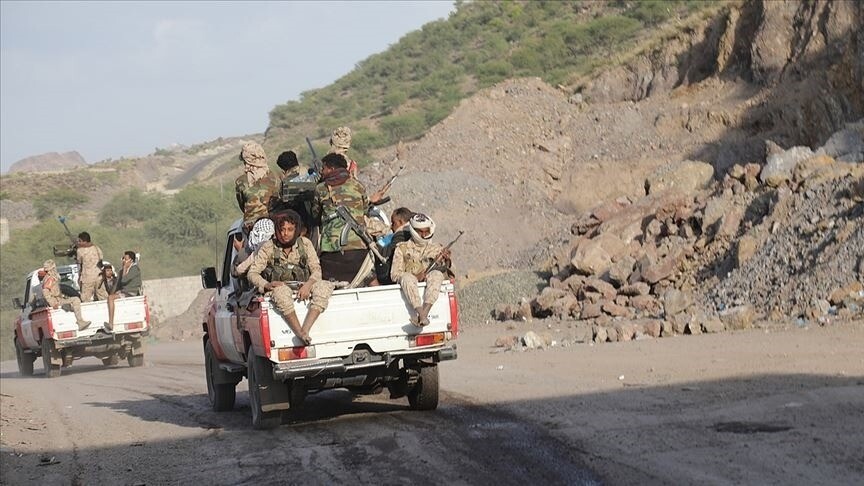
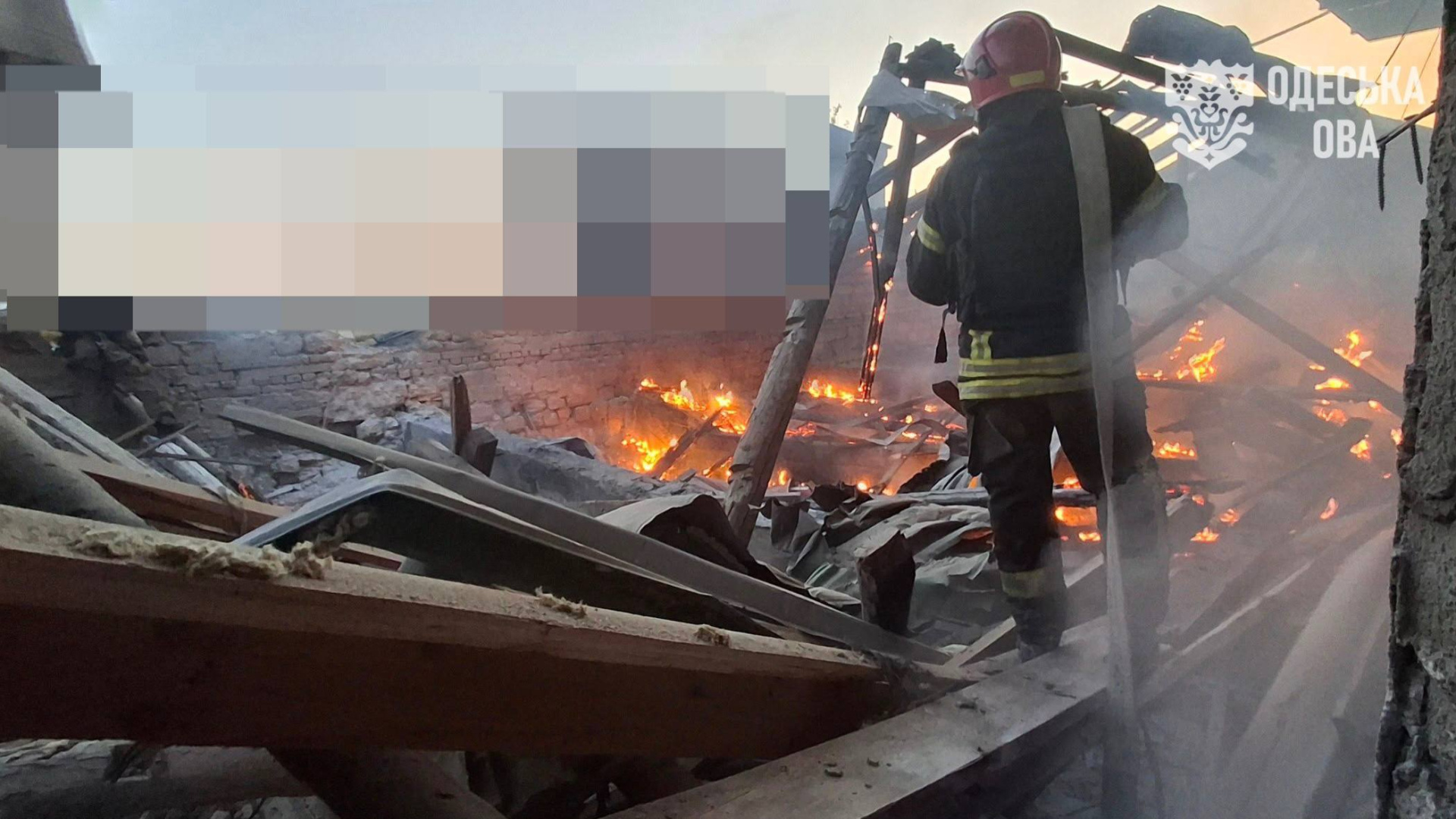
The narrative unfolding along the Israel-Lebanon border in April 2026 is one of relentless aerial bombardment, civilian devastation, and unprecedented risks to international observers. Confirmed reports from Anadolu Agency and Al Jazeera detail Israeli airstrikes on April 11-12 that killed at least 27 people in a single wave, with another 22 fatalities in preceding days, pushing the death toll from attacks since March 2 past 2,000—thousands more wounded, per El Imparcial and Anadolu. Israel's military, in a France24 statement, claimed to have struck over 200 Hezbollah targets in the last 24 hours alone, focusing on southern Lebanon strongholds like those near the Litani River.
What sets this apart is the proximity to UN Interim Force in Lebanon (UNIFIL) positions. Unconfirmed but widely reported incidents echo a deadly pattern: missile strikes on UN bases on March 8 and 15, 2026, damaged infrastructure and endangered over 10,000 peacekeepers from 50 nations. Recent escalations include Hezbollah rockets hitting UNIFIL sites on April 5, per event timelines, and Israeli responses brushing perilously close. Beirut's Rafic Hariri International Airport remains operational amid chaos, France24 confirms, but runway craters and flight disruptions signal the brink of collapse. For deeper insights into related digital dimensions, explore Lebanon's Digital Frontlines: The Unseen Cyber Battles Amid Israeli Strikes.
This builds on a 2026 timeline of aggression: January 15 saw Israeli attacks in Bekaa Valley, killing civilians and straining Lebanese sovereignty. On January 27, a drone strike assassinated a Lebanon TV presenter, broadening targets to media figures and signaling psychological warfare. February 24 brought fire on a border post, while March 22 and 29 incidents killed 10 in southern Lebanon and 9 paramedics, respectively. By April 5, Hezbollah's rockets targeted UNIFIL directly, prompting Israeli retaliation. Anadolu reports two Israeli soldiers wounded in clashes, underscoring bidirectional violence.
Civilian tolls are staggering—27 killed in one airstrike barrage alone—displacing hundreds of thousands and overwhelming aid networks. UNIFIL, mandated since 1978 to monitor the Blue Line, now faces operational paralysis: patrols curtailed, bases fortified, morale tested. This unique vulnerability—peacekeepers as collateral in proxy wars—has been underexplored amid coverage of economic ripples or cyber skirmishes, yet it defines the humanitarian crisis. Cultural impacts are also profound, as detailed in Lebanon's Cultural Battlefield: How Ongoing Conflicts Threaten Heritage and Social Fabric.
The Players
Israel Defense Forces (IDF): Primary aggressor in airstrikes, motivated by neutralizing Hezbollah's arsenal—estimated 150,000 rockets post-2006 war. PM Netanyahu's government views Lebanon as an Iranian proxy front, with strikes aimed at deterrence ahead of potential multi-front war. Recent orders to "reduce strikes," per Israeli media cited by Anadolu, suggest tactical recalibration amid US pressure.
Hezbollah: Iran-backed militia, firing rockets into Israel and clashing on the border. Leader Hassan Nasrallah's strategy embeds forces near UNIFIL to complicate IDF targeting, but April 5 strikes on peacekeepers risk alienating international support. Casualties mount, yet they claim victories like wounding IDF soldiers.
UNIFIL and UN Peacekeepers: 10,000+ troops from Italy, India, France, etc., tasked with ceasefire enforcement. Commander Aroldo Lázaro faces impossible odds—attacks from both sides erode neutrality. Motivations: uphold Resolution 1701, but repeated hits (March 8/15 missiles) fuel withdrawal debates.
Lebanese Government: Weakened by economic collapse, unable to control Hezbollah-dominated south. President Aoun seeks ceasefires but lacks leverage.
Iran and US: Historic talks in Islamabad (Al Jazeera) involve Iran-US face-to-face, with Pakistan mediating. Iran arms Hezbollah; US backs Israel with intel/arms. Escalation risks drawing them in.
Regional Actors: Pakistan hosts talks; Saudi Arabia quietly supports de-escalation to curb refugee flows. Emerging influences include Africa's Quiet Diplomacy in Lebanon's Geopolitical Storm: Unpacking the Untold Influence of Emerging Alliances.
The Stakes
Politically, strikes on UN bases erode multilateralism—precedents like 1996 Qana massacre (100+ killed) haunt memories, but 2026's pattern could justify force withdrawals, creating vacuums for ISIS resurgence. Lebanon's stability hangs by a thread: 2,000+ deaths exacerbate sectarian divides, risking state failure akin to Syria 2011. Similar risks echo in other conflicts, as tracked in our Ukraine War Map: Strikes Shatter Easter Ceasefire Illusions, Disrupting Vital Supply Chains.
Economically, Beirut airport's tenuous operations sustain remittances ($7B/year), but closure would spike inflation (already 200%+). Humanitarian crisis: 1M+ displaced, famine risks per UN estimates.
For peacekeepers, stakes are existential. Original analysis: Targeting UNIFIL undermines diplomacy, signaling impunity for strikes on neutrals. Psychological toll—peacekeepers report PTSD spikes from near-misses (anecdotal UN logs)—halves operational readiness. International law frays: Geneva Conventions prohibit endangering neutrals, yet no accountability invites copycats in Ukraine or Sudan. Power vacuums could empower extremists, costing billions in reconstruction. Check the latest on Global Risk Index for broader implications.
Market Impact Data
Markets are reeling from risk-off sentiment, with The World Now Catalyst AI forecasting sharp moves tied to Middle East escalation.
Catalyst AI Market Prediction
- OIL: Predicted + (high confidence) — Direct supply threat from US-Israel-Iran/Lebanon strikes raises Strait of Hormuz disruption premium. Historical precedent: Jan 2020 Soleimani strike led to +4% oil rise in one day. Key risk: Pakistan-mediated ceasefire announcement caps spike.
- GOLD: Predicted + (medium confidence) — Safe-haven demand surges on ME escalation uncertainty. Historical precedent: Jan 2020 Soleimani strike gold +3% intraday. Key risk: strong USD caps gains.
- USD: Predicted + (medium confidence) — Safe-haven flows amid geo uncertainty strengthen USD. Historical precedent: Feb 2022 Ukraine DXY +2% in 48h. Key risk: oil-driven inflation weakens USD via Fed cut bets.
- CHF: Predicted + (medium confidence) — Safe-haven bid strengthens CHF amid geo risk-off. Historical precedent: Feb 2022 Ukraine CHF +1.5% vs EUR in 48h. Key risk: ECB hawkishness supports EUR.
- BTC: Predicted - (medium confidence) — Risk-off flows from geo escalation hit BTC as risk asset via algorithmic deleveraging. Historical precedent: Feb 2022 Ukraine invasion dropped BTC 10% in 48h. Key risk: safe-haven bid emerges if USD weakens on oil inflation fears.
- ETH: Predicted - (medium confidence) — Risk-off sentiment from Middle East escalation triggers crypto liquidation cascades as leveraged positions unwind. Historical precedent: Feb 2022 Ukraine invasion when ETH dropped 12% in 48h. Key risk: rapid de-escalation via ceasefire accelerates risk-on rebound.
- SOL: Predicted - (medium confidence) — High-beta altcoin amplifies BTC risk-off selling from geo tensions via correlated flows. Historical precedent: Feb 2022 Ukraine when SOL fell 15% in 48h. Key risk: meme-driven rebound if de-escalation headlines dominate.
- XRP: Predicted - (medium confidence) — Correlated crypto risk-off from geo headlines hits XRP via BTC beta. Historical precedent: Feb 2022 Ukraine XRP -8% in 48h. Key risk: regulatory clarity rumor overrides.
- SPX: Predicted - (medium confidence) — Indirect global equity risk-off from ME tensions via energy cost fears. Historical precedent: Jan 2020 Soleimani strike dipped SPX 0.5% intraday. Key risk: de-escalation rallies defensives limiting broader selloff.
Predictions powered by Catalyst AI — Market Predictions. Track real-time AI predictions for 28+ assets.
Oil futures have surged 3% intraday on supply fears, gold up 2%, while BTC/ETH dipped 5-7% amid deleveraging—mirroring 2022 Ukraine patterns.
Looking Ahead
Scenarios diverge sharply. Base case (60% probability): Partial de-escalation via Islamabad talks and IDF strike reductions (Anadolu), yielding temporary ceasefire by late April. UNIFIL holds but with enhanced fortifications—watch May 1 Blue Line patrols.
Escalation risk (30%): Continued Hezbollah rockets or Iranian resupplies provoke ground incursion, drawing US/Iran proxies. UN withdrawal by June if casualties mount (paralleling 2006).
Resolution path (10%): Full ceasefire tied to hostage deals, but Hezbollah disarmament unlikely.
Long-term: Strained alliances—US-Israel ties tested if peacekeepers die; UN reforms for "protected zones" debated in NY. Key dates: April 15 Islamabad readout, April 20 UNSC session. Regional refugee surges could destabilize Jordan/Turkey.
This is a developing story and will be updated as more information becomes available.