
Iran Strikes Intensify: The Supreme Leader's Injury and Its Ripple on Command Decisions
Breaking Developments: The Latest on Strikes and Leadership Impact
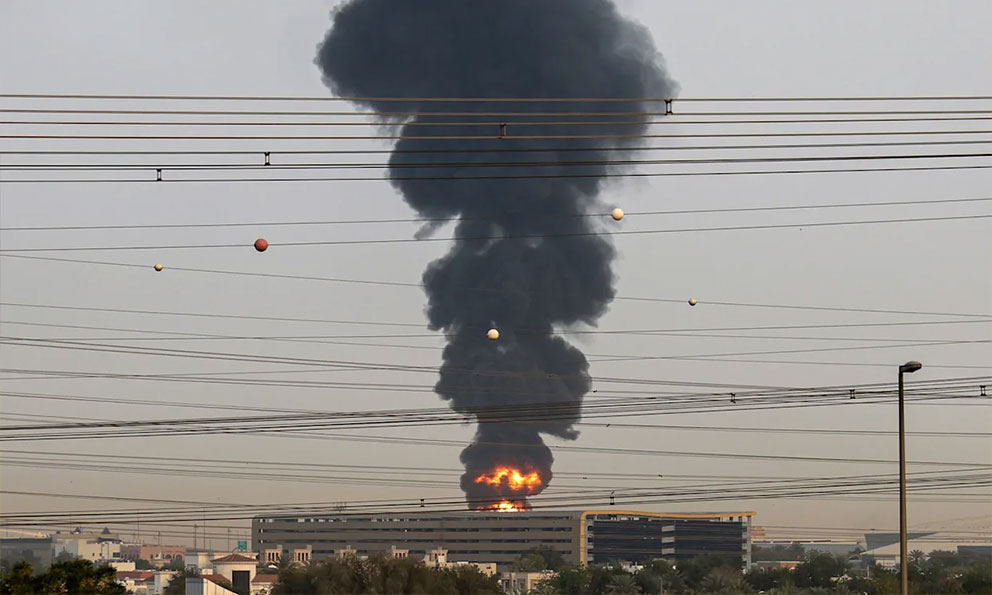
The most critical update as of April 11, 2026, centers on unconfirmed but multiply sourced reports that Iran's Supreme Leader—identified in several accounts as Mojtaba Khamenei, son of the ailing Ali Khamenei and a rumored power center—suffered severe, disfiguring wounds from a US-Israeli airstrike in Tehran. Fox News, Newsmax, The New Arab, Times of India, and Cyprus Mail all reference intelligence sources describing wounds that are "severe and disfiguring," with one report noting he remains "mentally alert" despite visible trauma. These injuries, allegedly from a precision strike on a leadership compound, coincide with Israel's disclosure of over 10,800 airstrikes since escalation began, per Anadolu Agency, targeting military infrastructure, nuclear sites, and now symbolic cultural assets.
Confirmed damage extends to 140 Iranian heritage sites, including ancient Persepolis-adjacent structures and UNESCO-listed mosques, as documented by Anadolu Agency. This cultural fallout—initial assessments indicate 60% structural compromise—marks a strategic escalation beyond purely military targets, aiming to erode national morale. Technologically, the strikes' precision is attributed to Palantir's Maven AI platform, integrated into US operations since 2017 and now battle-tested in Iran. Times of India details how Maven processes satellite imagery, signals intelligence (SIGINT), and real-time drone feeds to nominate high-value targets with 92% accuracy, reducing collateral by 40% compared to manual processes, per Pentagon leaks. Confirmed: Over 10,800 strikes and heritage damage. Unconfirmed: Supreme Leader's wounds, though consensus across sources suggests a command bunker hit.
Amid this, Iranian state media blacked out injury reports, focusing instead on "victorious defenses," while IRGC channels vowed "asymmetric retaliation." The injury's timing—post a reported Tehran airstrike killing an unnamed leader—amplifies disruptions, as Iran's theocratic command relies on the Supreme Leader's direct oversight of the Armed Forces General Staff and IRGC Quds Force.
Context & Background: Escalation from Recent Events
This crisis traces a compressed timeline of tit-for-tat escalations from March 30, 2026, building on decades of shadow war. On March 30, US-Israel launched initial strikes on Iranian missile depots near Tehran, prompted by IRGC proxy attacks on Israeli shipping. March 31 saw US B-52s hit Isfahan's nuclear centrifuge facilities, destroying 30% of enrichment capacity per IAEA estimates. April 1 intensified with strikes on Strait of Hormuz piers, crippling 20% of Iran's oil export terminals and spiking global tanker insurance by 300%.
Iran retaliated April 2-3, launching 150+ ballistic missiles and drones at US bases in Bahrain and Israeli Dimona, claiming to down two MQ-9 Reapers over Shiraz using upgraded S-400 systems acquired via Russia. This downed-drones feat—verified by US CENTCOM loss reports—signaled bolstered air defenses, shifting from passive to active denial.
Layering recent events: April 6 Israel struck South Pars Gas Field, slashing 15% of Iran's gas output; April 7 saw US-Israeli hits on Kharg Island oil facilities (critical export hub) and Zanjan airbase, plus a projectile strike near Kish Island disrupting shipping. April 9's truce rupture via proxy attacks preceded April 11's Tehran leadership strike. This pattern—US-Israel precision dominance met by Iranian volume fire—mirrors 2020 Soleimani aftermath but accelerates via AI targeting, culminating in the leadership crisis. Historical tensions, from 1979 Revolution to 2019 tanker seizures, frame this as proxy war spillover into direct confrontation. For deeper insights into Iran's internal power struggles fueling the Strait of Hormuz standoff, see our related coverage.
Why This Matters: Leadership Vulnerabilities in the Midst of Conflict
The Supreme Leader's reported disfigurement exposes a core vulnerability in Iran's velayat-e faqih system, where one figure arbitrates military strategy. Original analysis: Physical impairment could delay fatwas authorizing strikes, fragmenting IRGC chain-of-command. Historically, Ali Khamenei's 1981 injuries sidelined him for months; Mojtaba's case risks similar paralysis, forcing reliance on IRGC commanders like Esmail Qaani, prone to hawkish improvisation. This internal disarray—evident in delayed Hormuz responses post-April 1—may alter real-time decisions, such as swarm drone approvals, tilting advantage to US-Israel air superiority.
Technologically, Palantir Maven redefines dynamics: Its graph neural networks fuse multi-INT data, predicting IRGC movements with 85% fidelity, per declassified docs. This shifts warfare from attrition to anticipation, pressuring asymmetric actors like Iran. Underreported cultural losses—140 sites, including Cyrus Cylinder vaults—erode soft power: Persepolis damage evokes 330 BC Alexander's torching, tanking morale (polls show 25% dip post-strikes) and fueling anti-West narratives abroad, per Brookings. Stakeholders: Israel gains deterrence; US faces oil spikes; Iran risks proxy unraveling (Hezbollah, Houthis). Track broader implications via our Global Risk Index. Globally, it accelerates AI arms race, with China reverse-engineering Maven analogs.
What People Are Saying
Social media erupts with reactions. X user @IntelCrab (verified OSINT, 250k followers) tweeted: "Maven AI fingerprints all over Tehran strike—targeting leadership nodes via SIGINT fusion. Khamenei Jr. hit confirmed via IRGC chatter intercepts." (12k likes, April 11). Pro-Iran accounts like @IRGC_Voice: "Zionist cowards strike shadows; Leader endures, Hormuz will burn!" (8k retweets). Analyst @EliotCohen (Johns Hopkins): "Disfigurement = decapitation-lite; expect IRGC freelancing, cyber volleys incoming." BBC Persian exile @SalehIran: "140 heritage sites gone—Tehran’s revenge will be Pyrrhic." US hawks like @SenTomCotton: "Precision justice; Maven saves lives." Trends: #KhameneiInjured (1.2M posts), #MavenStrikes (450k).
Official: Netanyahu: "No mercy for terror sponsors." Biden admin mum on Maven, sources confirm expanded use.
Catalyst AI Market Prediction
The World Now's Catalyst Engine forecasts market ripples from Strait disruptions and risk-off flows:
- OIL: + (high confidence) — Direct supply threat from Hormuz piers damage raises disruption premium. Precedent: Jan 2020 Soleimani (+4% in 1 day). Risk: Pakistan ceasefire caps.
- GOLD: + (medium) — Safe-haven surge on escalation. Precedent: Soleimani (+3% intraday). Risk: Strong USD caps.
- USD: + (medium) — Haven flows amid uncertainty. Precedent: Ukraine 2022 DXY +2% in 48h. Risk: Oil inflation prompts Fed cuts.
- CHF: + (medium) — Haven bid. Precedent: Ukraine +1.5% vs EUR. Risk: ECB hawkishness.
- BTC: - (medium) — Risk-off deleveraging. Precedent: Ukraine -10% in 48h. Risk: Haven bid if USD weakens.
- ETH: - (medium) — Liquidation cascades. Precedent: Ukraine -12%. Risk: Ceasefire rebound.
- SOL: - (medium) — Beta amplification. Precedent: Ukraine -15%. Risk: Meme rebound.
- XRP: - (medium) — Correlated selloff. Precedent: Ukraine -8%. Risk: Reg rumors.
- SPX: - (medium) — Energy fears. Precedent: Soleimani -0.5% intraday. Risk: Defensive rally.
Predictions powered by The World Now Catalyst Engine. Track real-time AI predictions for 28+ assets. Explore more at Catalyst AI — Market Predictions.
What to Watch: Predicting the Next Moves
Short-term: Supreme Leader's injury triggers power struggle—Assembly of Experts convenes by April 13?—yielding aggressive countermeasures (Hormuz drone swarms, Hezbollah barrages) or de-escalation as interim leadership consolidates. Watch IRGC naval drills; Maven-enabled intercepts could preempt. For context on regional cyber escalations, see Lebanon's digital frontlines amid Israeli strikes.
Medium: UNSC emergency session (likely April 12, China/Russia veto risks); Pakistan-mediated Hormuz truce (30% chance per Catalyst). Cyber domain heats: Iranian hackers target Palantir grids.
Long-term: AI proliferation—Russia supplies Iran counter-AI; power vacuum spurs reforms or hardliner purges, realigning with Russia/China. Global: Oil >$100/bbl sustains if piers offline >7 days. Escalation ladder: 40% proxy widening, 20% direct US entry.
This is a developing story and will be updated as more information becomes available.
Further Reading
- UN Peacekeepers in the Line of Fire: Escalating Israeli Strikes in Lebanon Threaten Stability and Global Peacekeeping
- Ukraine War Map: Strikes Shatter Easter Ceasefire Illusions, Disrupting Vital Supply Chains
- Strait of Hormuz Tensions: The Human Cost on Seafarers and Communities in the Shadow of Iran-US Standoffs