
North Korea Launches Ballistic Missile Amidst Calls for Modernization
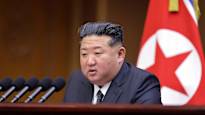
On January 4, 2026, North Korea executed a ballistic missile launch, a move that has sparked renewed tensions in the region. This event comes as North Korean leader Kim Jong-un emphasized the necessity for the country to expand and modernize its missile production capabilities.
The missile was launched in the early hours of Sunday, with South Korean officials confirming the event shortly after. The specifics of the missile type and its trajectory have not been disclosed, but the launch is part of a broader strategy by Kim Jong-un to enhance North Korea's military capabilities amid ongoing geopolitical tensions.
In a statement following the launch, Kim underscored the importance of advancing the nation’s missile technology. "We must prioritize the expansion and modernization of our missile production,” he declared, reflecting a commitment to bolster North Korea's defense industry. This directive aligns with ongoing efforts by the North Korean regime to strengthen its military posture in the face of perceived threats from both the United States and South Korea.
Regional Reactions
The missile launch has provoked immediate responses from neighboring countries. South Korea, which has been on high alert due to North Korea's frequent missile tests, condemned the action as a provocative move that destabilizes regional security. The South Korean government is expected to convene an emergency security meeting to assess the implications of this launch and to discuss potential responses.
The United States, meanwhile, has reiterated its commitment to the defense of South Korea and Japan, emphasizing the need for a united front against North Korean aggression. The U.S. Department of Defense is closely monitoring the situation, with officials stating that they are prepared to take all necessary measures to ensure the safety of allies in the region.
Background Context
North Korea's missile program has been a focal point of international concern for years, particularly since the nation has conducted multiple missile tests and nuclear weapons tests in defiance of United Nations sanctions. The ongoing tensions in the Korean Peninsula have prompted a series of military drills by the U.S. and South Korea, aimed at deterring North Korean provocations.
In recent months, Kim Jong-un has intensified his rhetoric surrounding North Korea's military capabilities, suggesting a shift towards a more aggressive stance. The launch on January 4 may be viewed as a continuation of that trend, with experts warning that such actions could further escalate tensions in the region.
Conclusion
The January 4 missile launch by North Korea highlights the ongoing volatility in the Korean Peninsula and raises concerns about the potential for increased military provocations. With Kim Jong-un advocating for the modernization of missile production, regional and international stakeholders are likely to intensify their diplomatic and military responses to counter the threat posed by North Korea's expanding military capabilities. As the situation develops, the global community will be watching closely, weighing the implications of North Korea's actions for regional stability and security.