
Taiwan KMT Chairwoman Meets US Lawmakers on Defense and Nuclear Energy as South China Sea Tensions Rise
Taiwan's KMT chairwoman Cheng Li-wun met with multiple US lawmakers in Washington to discuss defense spending, arms purchases, energy policy and cross-strait relations, as separate South China Sea incidents involving China, the Philippines and Japan escalated tensions across the region.
KMT Leader Holds Defense and Energy Talks in Washington
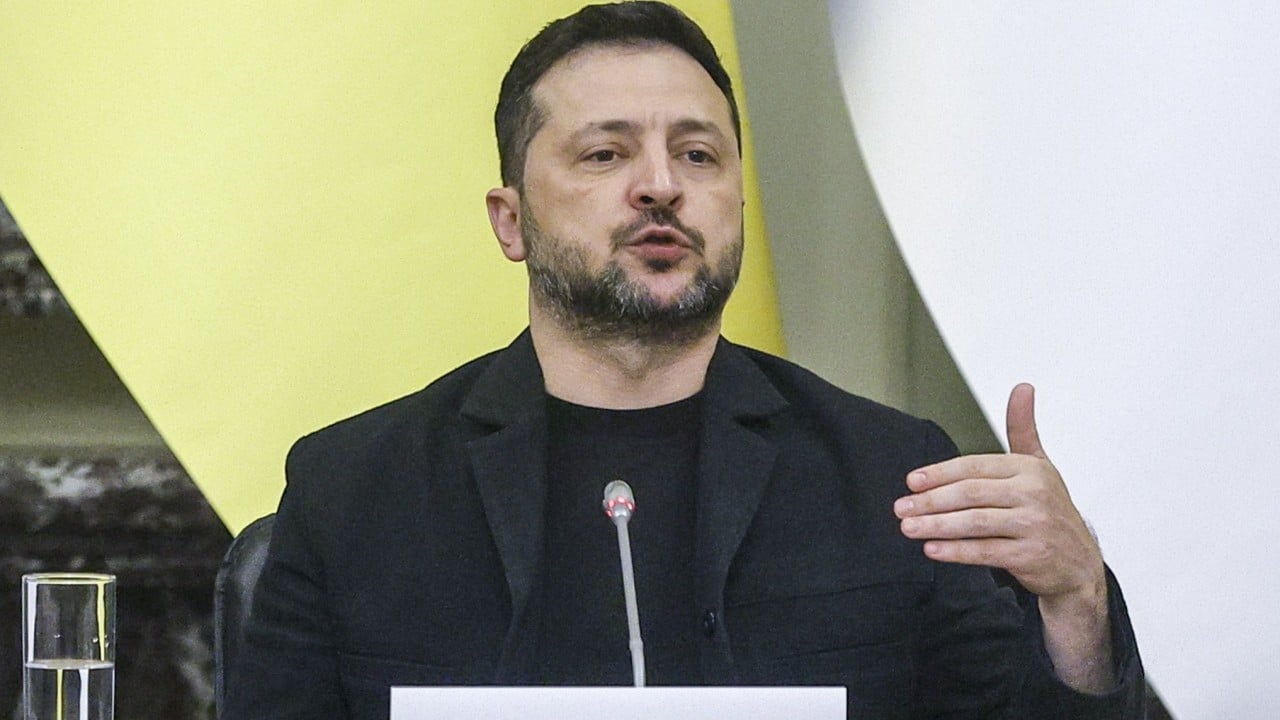
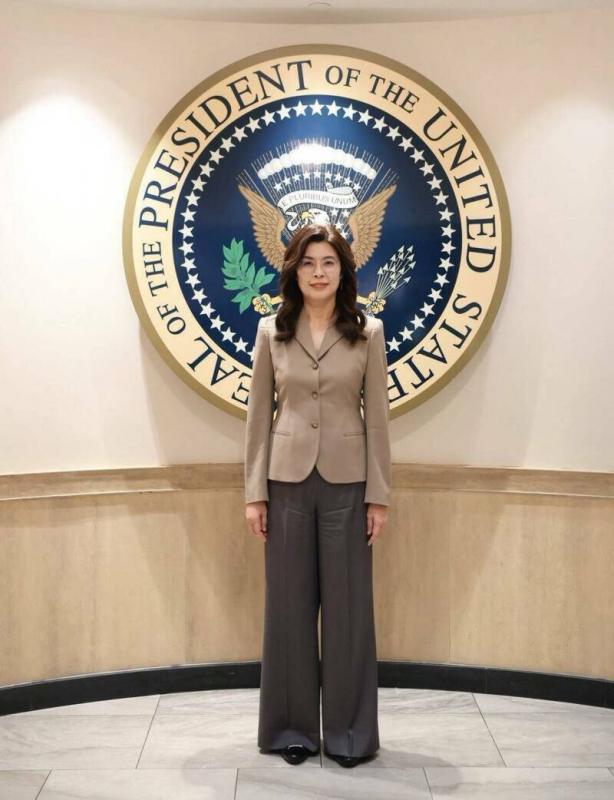
KMT Chairwoman Cheng Li-wun met with Republican US Senator Steve Daines, Republican US Representatives John Rose and Chuck Fleischmann, and Democratic US Representative Thomas Suozzi. [1] Cheng and her delegation also met with Republican US Representative Brian Mast, chairman of the US House of Representatives Committee on Foreign Affairs, to discuss cross-strait relations, US-Taiwan ties and defense issues. [1] The KMT said Cheng is scheduled to meet Republican US Representative Young Kim, who leads a subcommittee overseeing East Asia policy. [1] Discussions covered Taiwan's defense budget, arms purchases and energy policy among other issues. [1] Cheng said she hopes Taiwan and the US can deepen cooperation on technologies related to nuclear energy. [1]
US Lawmakers Press for Stronger Taiwanese Defense and Nuclear Policy
US lawmakers raised questions about Taiwan's energy policy and nuclear power, with some expressing frustration over the ruling Democratic Progressive Party's anti-nuclear stance and welcoming the KMT's support for nuclear energy. [1] Mast said he did not have specific expectations for his meeting with Cheng and noted that as chairman of the Foreign Affairs Committee he takes intelligence from anywhere he can get. [1] Young Kim plans to encourage Cheng and her party to support more defense spending because it would be an important demonstration of Taiwan's commitment to self-defense and deterrence. [1] Kim also wants to discuss Cheng's meeting in April with Chinese President Xi Jinping and seek greater clarity on the substance of those discussions. [1] Taiwanese media outlets previously reported that Cheng would meet with US National Security Council officials at the Eisenhower Executive Office Building next to the White House during her trip, though journalists waiting outside the building saw no signs of Cheng or her delegation. [1] Victor Chin, the KMT's representative to the US, said a meeting had been arranged but declined to provide further details. [1]
China Deploys Objects at Scarborough Shoal Sparking Philippine Protests
The Philippine government announced the appearance of several large objects in Scarborough Shoal, presumably placed there by China, which has effectively controlled the atoll since 2012 even though it is well within the exclusive economic zone of the Philippines. [2] The new objects observed within the shoal include two large buoys with antennae and a floating platform that once had six personnel aboard. [2] A June 5 statement from China’s Ministry of Foreign Affairs asserted China’s right to scientific research. [2] A June 9 statement repeated that assertion and also accused the Philippines of false accusations. [2] The 2016 arbitration decision by the Permanent Court of Arbitration ruled that China’s 10-dash line territorial claim is invalid and that China’s exclusion of Filipino fishermen from the shoal is illegal, but Beijing rejected that ruling. [2]
Beijing Patrols East of Taiwan in Response to Japan-Philippines EEZ Talks
Philippine President Ferdinand Marcos Jr. and Japanese Prime Minister Sanae Takaichi announced on May 28 that they would hold bilateral talks to delineate the two countries’ EEZs, excluding Taiwan. [2] China’s Ministry of Foreign Affairs spokeswoman said on June 7 that the so-called delimitation negotiations between Japan and the Philippines are entirely illegal and invalid. [2] Beijing dispatched the Chinese Coast Guard and other PRC government vessels to patrol the waters east of Taiwan on June 1 and June 8. [2] Chinese sources confirmed that these patrols were in response to the Japan-Philippine negotiations. [2] The designated patrol area stretched beyond China’s own 10-dash line claim. [2] The presence of Chinese ships near Taiwan’s east coast prompted Taiwan’s coast guard to deploy its own vessels in response. [2] Taipei also reported that the Chinese ships contacted some commercial vessels in the area by radio and demanded to know their ports of origin, destinations and what they were carrying. [2] China’s use of law enforcement rather than naval ships for these operations signaled this was a sovereignty claim. [2]
Taiwan's Political Divide Surfaces Over Regional Security Moves
The opposition Kuomintang is dominated by the descendants of mainland Chinese who suffered through the Japanese invasion of China and then fled to Taiwan after the war to escape Mao’s communist takeover. [2] They are more anti-Japan than the ethnic Chinese whose ancestors lived in Taiwan before and during the war, and who now belong to or support the Democratic Progressive Party. [2] KMT politicians accuse the ruling DPP government of being excessively pro-Japan. [2] In a May 31 press release, Taiwan’s Ministry of Foreign Affairs said it commends Japan and the Philippines for their EEZ talks and looks forward to cooperating with Japan and the Philippines in maintaining the maritime security of the Indo-Pacific region. [2] Opposition politicians immediately criticized the ruling government for supporting the Tokyo-Manila negotiations rather than immediately issuing a protest, seeing this as another instance of excessive Japanophilia by the DPP. [2] One KMT legislator called the Japan-Philippine talks a loss of sovereignty and national humiliation for Taiwan. [2] Apparently chastened, a Taiwan government spokesman made a stronger statement on June 2, saying Taipei would consult with Japan and the Philippines and insist on the protection of Taiwan’s fishing rights. [2]
Broader Regional Repercussions and Historical Grievances
Observers in China are keenly aware of and profoundly worried about Japan gradually shedding the constraints imposed on its military capabilities and posture by the US-drafted postwar peace constitution. [2] This movement has accelerated since the outbreak of the Ukraine war. [2] Beijing has been on high alert since the ascension of Sanae Takaichi to the position of Japan’s prime minister in October 2025. [2] The Chinese knew her as an advocate for completing Shinzo Abe’s quest to revise the Japanese constitution. [2] China was therefore primed to overreact when in November she said publicly that a Chinese attack on Taiwan might lead to Japan taking military action under the principle of collective self-defense. [2] The September 2025 Reciprocal Access Agreement allows Japanese military forces to deploy into the Philippines, as they did during joint exercises the following October. [2] In May, Japan joined the Balikatan exercise and fired a Type 88 anti-ship missile from Philippine territory. [2] Manila and Tokyo are discussing the transfer of Abukuma-class destroyers to the Philippines, now legal under Japan’s newly liberalized rules for arms exports. [2] The two countries are also negotiating intelligence sharing. [2] A commentary by the Chinese Communist Party-run Global Times warned that if Tokyo and Manila go further in their illegal collusion, China will further advance its exercise of jurisdiction in waters east of Taiwan island in the future. [2] The Global Times commentary also contained what may be the first instance of Beijing invoking its interpretation of the Trump-Xi summit in May, as the article implicitly calls on the US to stop Japan-Philippines collaboration because of the important consensus on stability reached by Trump and Xi. [2]
What to watch next: The Global Times commentary warned that further Japan-Philippines collusion could prompt China to advance its exercise of jurisdiction in waters east of Taiwan island in the future, while Rep. Young Kim seeks greater clarity on Cheng’s April meeting with Xi Jinping during their upcoming discussion.