
Iran Tensions Persist After US Ends Strikes on Multiple Targets
Iran tensions persist after the US conducted strikes on multiple targets in Iran before Central Command declared an end to additional self-defense actions about four hours later, prompting Iran to declare the existing ceasefire meaningless while peace talks to reopen the Strait of Hormuz are reported to remain on track. [1]
US Concludes Strikes on Iran
US Central Command called an end to “additional self-defense” strikes about four hours after launching attacks on multiple targets in Iran. [1] The swift conclusion to the latest round of US strikes against Iran raised expectations that talks to reopen the Strait of Hormuz will get back on track. [4] This timeline reflects the rapid sequence of events on the day the strikes occurred, with the command limiting further actions after the initial operations. [1]
Iran Rejects Ceasefire and Denies Damage Claims
Iran’s foreign ministry said the latest attacks rendered the existing ceasefire deal “meaningless.” [1] Iran denies US claims its defense systems were destroyed and says its armed forces remain “fully prepared.” [2] A military spokesman indicated that Iran continues to strengthen military capabilities despite threats. [2] These statements came directly in response to the US actions, underscoring Iran’s position that its defensive posture has not been compromised. [2]
Peace Talks Expected to Continue
Iran-US peace talks still on despite new strikes, sources say. [3] The ongoing discussions are expected to address reopening the Strait of Hormuz, even as the recent strikes unfolded. [1] Traders drew reassurance from the belief that further escalation was in neither side’s interest, supporting the view that diplomatic channels remain viable. [4]
Market Reaction Shows De-escalation Hopes
Markets reacted positively with S&P 500 futures rising as much as 0.8 percent and Brent crude oil falling as much as 1 percent near $92 per barrel as traders bet against further escalation. [1] S&P 500 futures rose 0.8% to recover from a five-week low, while Nasdaq 100 contracts advanced 1.1%. [1] Brent reversing gains to trade 0.7% lower near $92.50 a barrel. [1] European stocks rose 0.6%, with gains led by utility shares. [1] “We’re keeping our overweight equity exposure,” said Christophe Boucher, chief investment officer at ABN Amro Investment Solutions. “The market has taken the view that Trump doesn’t want to escalate further and has no interest in seeing oil prices surge again.” [1] Treasury yields fell across the curve, while the dollar edged higher. [1]
International Calls for Restraint
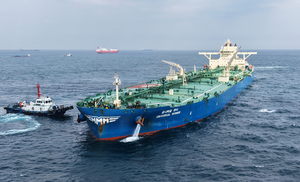
Indonesia called for maximum restraint by the US and Iran, urging both to return to negotiations and honor ceasefire agreements after the closure of the Strait of Hormuz. [5] Indonesian Deputy Foreign Minister Arrmanatha Nasir expressed deep regret over the renewed armed clashes, warning that a protracted conflict would have severe global repercussions. [5] "We certainly want to continue to encourage the parties to immediately return to the negotiating table and re-establish a ceasefire," Arrmanatha stated. [5] He added that the continuation of the conflict poses serious risks to many other countries due to the strategic nature of the region. [5] "We also reiterate our call for all parties to immediately return to a ceasefire and engage in negotiations,” he added. [5]
Broader Context of Regional Tensions
The strikes follow a cycle of military confrontations that began with a joint US-Israeli operation against Iran on February 28. [5] The latest maritime battle marks a sharp escalation in regional tensions, which have been steadily intensifying since that operation, triggering a volatile cycle of military confrontations and diplomatic standoffs. [5] Worries of further escalation lingered as President Donald Trump told Fox News the US would hit Iran again if its leaders didn’t sign an interim peace deal. [1]
What to watch next includes whether Iran-US peace talks advance on reopening the Strait of Hormuz and any further statements from Indonesian officials on de-escalation.