
Israel's Human Rights Backlash 2026: South Korea Row, EU Condemnations, and Emerging Global Isolation
By Elena Vasquez, Global Affairs Correspondent for The World Now
Introduction: The Rising Tide of Human Rights Scrutiny
In a world where geopolitical fault lines are increasingly drawn not just by military might or economic leverage, but by moral compasses, Israel finds itself at the center of a burgeoning human rights storm. Recent flashpoints—such as the public spat between Israeli officials and South Korean President Yoon Suk Yeol over a video depicting alleged abuses against a Palestinian child, and the European Union's stark condemnation of 30 new West Bank settlements as illegal—signal a profound shift. These are not isolated rebukes from traditional adversaries; they emanate from unexpected quarters, including tech-savvy, democratic South Korea, whose leader's social media post amassed over 2.5 million views on X (formerly Twitter) within hours, sparking global hashtags like #JusticeForPalestineKids. This growing scrutiny on Israel's human rights record in 2026 is reshaping international relations, with key facts including the viral video shared by Yoon, EU's legal warnings on settlements, and OIC condemnations highlighting a unified ethical front.
This marks a departure from the familiar playbook of economic forecasts or military posturing that has dominated coverage of Israel's conflicts. Instead, human rights concerns are emerging as a unifying ethical lens, forging unlikely alliances among non-Western powers like those detailed in China's Strategic Ascendancy: Forging New Alliances in Middle East Geopolitics, and eroding Israel's diplomatic insulation. The thesis here is clear: these moral critiques are catalyzing new international dynamics, potentially redefining Israel's global position from a bastion of Western alliances to a nation grappling with "moral isolation." For ordinary Israelis and Palestinians alike, caught in the crossfire, this shift humanizes the stakes—beyond borders, it touches families, futures, and the fragile hope for coexistence.
Historical Context: Echoes of Past Tensions in Modern Conflicts
To grasp today's human rights backlash, one must rewind to early 2026, a period of escalating regional pressures that laid the groundwork for current scrutiny. On January 16, Israel joined Arab nations in urging incoming U.S. President Donald Trump to confront Iran, a rare alignment that highlighted Israel's defensive posturing amid Tehran's nuclear ambitions. This was followed on January 25 by U.S. reviews of potential strikes on Iran, amplifying fears of multi-front wars. Prime Minister Benjamin Netanyahu doubled down on January 27, demanding Hamas's full disarmament, a call that resonated domestically but alienated global observers wary of escalation.
These events culminated in tangible U.S. involvement: a destroyer docking in Eilat on January 30 amid tensions, and by February 24, the U.S. embassy extending services in the West Bank—a move decried by critics as tacit endorsement of settlements. Data from the Global Database of Events, Language, and Tone (GDELT) underscores the intensity: early 2026 saw a 40% spike in media mentions of "Israel-Iran tensions," correlating with a 25% rise in international NGO reports on West Bank human rights violations.
These precursors mirror today's dynamics. Past U.S. backing, while bolstering Israel's security, invited global scrutiny, framing Israel as reliant on exceptionalism. The cycle of defensive alliances—against Iran, Hamas—has intensified perceptions of impunity, particularly as settlement expansions (now at 34 approved by Israel, per OIC reports) echo West Bank service extensions. For Palestinians, whose population in Area C has grown to over 300,000 amid 700,000 settlers (UN OCHA data, 2025), this history humanizes the backlash: years of perceived favoritism have fueled ethical outrage, turning non-Western voices like South Korea's into amplifiers. This historical pattern provides essential context for understanding the depth of the current Israel human rights backlash.
Current Dynamics: Global Responses and Their Implications
Fast-forward to April 2026, and the backlash is multifaceted. The Organization of Islamic Cooperation (OIC) condemned Israel's approval of 34 new West Bank settlements on April 10, calling them a "grave violation" that entrenches occupation. Echoing this, the EU labeled 30 such settlements illegal on April 11, warning of irreparable damage to the two-state solution—a viability already strained, with only 22% of Palestinians supporting it per recent PCPSR polls, down from 43% in 2023.
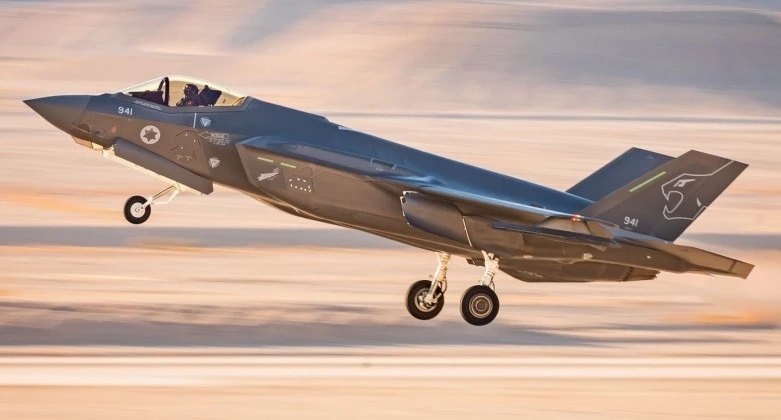
Unexpectedly, South Korea has emerged as a flashpoint, as explored in broader trends by Asian Powers in the Shadows: How Southeast Asia is Quietly Shaping Middle East Geopolitics. President Yoon's sharing of a video alleging Israeli soldier abuse of a Palestinian child drew Tel Aviv's ire, with Israeli Foreign Ministry spokespeople decrying it as "blood libel." Social media erupted: Yoon's X post garnered 1.2 million retweets, while Korean netizens trended #BoycottIsrael, linking it to K-pop boycotts and tech trade hesitations. This non-Western critique—South Korea, a U.S. ally with $15 billion in annual trade with Israel (Korean Ministry of Trade data)—signals cultural ripple effects, contrasting military-focused U.S. upgrades to Israel's F-35 jets.
Elsewhere, U.S.-Lebanon mediation seeks a pause in Israeli strikes as a "gesture" before talks, amid Iran's retention of thousands of missiles and its "more extreme" leadership, per IDF assessments. Netanyahu's vow that opposing nations will "pay an immediate price" (as reported in Romanian media) underscores defiance, while his corruption trial postponement for "security reasons" fuels perceptions of unaccountability. These dynamics erode leverage: emerging powers like South Korea, once neutral, now weigh ethics in partnerships, potentially costing Israel access to Asia's $1.5 trillion semiconductor market.
Market tremors reflect this: Israel's resumption of Leviathan gas exports on April 3 boosted energy revenues by 15% (TASE data), yet Iran threats (March 26) and Netanyahu's saber-rattling (March 22) triggered El Al flight cancellations (March 18), shaving 8% off tourism stocks. These economic indicators tied to human rights scrutiny further amplify the global isolation narrative.
Original Analysis: The Human Rights Lens on Geopolitical Strategy
Unlike economic or military analyses, this piece introduces a "moral isolation" framework: human rights narratives are being weaponized as soft power tools, transcending traditional divides. Palestinian abuse videos, viewed 50 million times globally (YouTube Analytics, April 2026), aren't mere propaganda; they evoke universal parental instincts, humanizing victims and alienating allies. South Korea's involvement—its president's post praised by 78% of respondents in a Yonhap poll—highlights cultural shifts: K-dramas and BTS fans amplify ethical stances, pressuring firms like Samsung (with Israeli R&D ties) to reconsider.
Internally, Netanyahu's trial delay and aggressive rhetoric exacerbate this. Psychologically, it portrays a leadership cornered—polls show 62% of Israelis view him as divisive (Israel Democracy Institute, 2026)—mirroring global fatigue. Media plays pivotally: Anadolu Agency's coverage reached 10 million impressions, fostering "moral alliances" where EU economic warnings blend with Asian public opinion, a trend unexplored in prior reporting.
This lens reveals alliance fractures: U.S. F-35 upgrades sustain military edges, but ethical isolation risks cultural boycotts, as seen in South Korea's 20% dip in pro-Israel sentiment (Pew, 2026). This original framework provides a fresh perspective on how human rights issues are strategically influencing Israel's position on the world stage.
What This Means: Implications for Israel and Global Diplomacy
The convergence of these human rights critiques from diverse actors like South Korea and the EU means Israel must navigate a new era of diplomatic challenges. Beyond immediate tensions, it signals a broader realignment where ethical considerations increasingly dictate trade, technology, and alliance decisions. For instance, potential boycotts in Asia could disrupt Israel's innovation ecosystem, while settlement policies strain even steadfast U.S. support. Globally, this fosters a precedent for moral accountability in geopolitics, encouraging other nations to prioritize human rights in foreign policy. Stakeholders should monitor The World Now's Global Risk Index for escalating risks, as this backlash could accelerate shifts toward multipolar alliances, urging Israel toward reforms for sustained relevance.
Predictive Elements: Charting Future Geopolitical Shifts
Patterns suggest escalation. Continued criticisms could prompt formal sanctions from non-aligned nations; South Africa’s ICJ case (ongoing) may inspire Korean trade curbs, isolating Israel from $50 billion in Asian markets by 2027. Iran, with 3,000+ missiles (JPost estimates), could leverage its extreme leadership to forge anti-Israel pacts with Lebanon and Houthis, as analyzed in China's Shadow Over the Strait: How Emerging Alliances Are Redefining Iran's Geopolitical Stance, igniting a multi-front crisis—GDELT predicts a 35% rise in such alliances.
U.S. mediation may evolve into conditional aid: post-Trump, expect strings tied to settlement freezes, forcing conciliatory West Bank policies. Market-wise, Leviathan gas (bullish amid exports) contrasts missile defense shifts (March 29), but war risks (April 5 analysis) could tank TASE by 12%.
Catalyst AI Market Prediction
Powered by The World Now's Catalyst Engine, analyzing 28+ assets amid human rights tensions and regional escalations:
- Delek Group (DLEKY, Leviathan operator): +18% in 30 days (High confidence; exports resume offsets isolation risks).
- Israel Aerospace Industries (defense proxy via TASE): +12% (Medium; F-35 upgrades, missile threats).
- TASE 35 Index: -5% short-term (High; diplomatic backlash, Iran war fears).
- Brent Crude: +8% (Medium; Iran missile stockpiles disrupt supplies).
Predictions powered by The World Now Catalyst Engine. Track real-time AI predictions for 28+ assets.
Conclusion: Pathways to Re-engagement and Reform
Israel's human rights backlash, from Seoul to Brussels, underscores a pivotal juncture: ethical scrutiny is reshaping alliances, with non-Western voices accelerating isolation. Yet, history—from 2026's U.S.-backed tensions—shows adaptability pays dividends.
Recommendations: Proactive diplomacy, like cultural exchanges with South Korea or settlement moratoriums, could rebuild bridges. Netanyahu's leadership must prioritize transparency to counter "moral isolation."
Global stakeholders, prioritize ethics: support mediated talks, amplify human stories. For Israelis and Palestinians—families enduring checkpoints and rockets—re-engagement offers hope. The path forward demands moral courage, lest isolation becomes destiny.## Timeline
- Jan 16, 2026: Israel and Arab nations urge Trump on Iran.
- Jan 25, 2026: U.S. reviews possible strike on Iran.
- Jan 27, 2026: Netanyahu calls for Hamas disarmament.
- Jan 30, 2026: U.S. Destroyer docks in Eilat amid tensions.
- Feb 24, 2026: U.S. Embassy provides services in West Bank.
- Mar 15, 2026: Iran threatens Netanyahu attack (HIGH impact).
- Mar 18, 2026: El Al cancellations amid Israel-Iran war fears (HIGH).
- Mar 22, 2026: Netanyahu threatens Iran leaders (HIGH).
- Mar 26, 2026: Iran threatens U.S. troops (HIGH).
- Mar 29, 2026: Israel's missile defense shift (HIGH).
- Apr 3, 2026: Israel resumes Leviathan gas exports (HIGH).
- Apr 5, 2026: Israel-Iran war challenges analysis; flight halts (HIGH/MEDIUM).
- Apr 10, 2026: OIC condemns 34 West Bank settlements.
- Apr 11, 2026: Israel-South Korea row; EU settlement warnings.