
Ukraine War Map: Easter Truce Falters, Paving Way for Urgent Humanitarian Corridors Amid Russia's Rising Global Isolation
The Story
The Easter truce erupted into the headlines on April 11, 2026, as a rare Orthodox Easter gesture brokered through backchannel diplomacy, coinciding with the religious observance revered by both Russian Orthodox and many Ukrainian faithful. Reports from Al Jazeera and Channel News Asia confirm the ceasefire commenced at dawn, intended to last 32 hours across frontline regions including Donetsk, Luhansk, and Kharkiv oblasts. Initial exchanges included prisoner swaps—hundreds on both sides, as noted by ABC Paraguay, detailed further in our coverage of Prisoner Swaps and Easter Ceasefire in Ukraine War: Forging Humanitarian Bridges on the Geopolitical Chessboard—signaling a humanitarian focus absent in previous pauses like the short-lived Minsk agreements or grain corridor deals.
Yet, by midday, the truce showed cracks. Channels TV reported "faltering" with artillery fire near Bakhmut and drone incursions over Kharkiv, echoing Anadolu Agency's coverage of the 32-hour window's precarious start. France 24 and Bangkok Post detailed how Ukrainian forces held fire initially, while Russian units in occupied territories like Oleshky—devastated on April 9 per recent event logs—complied unevenly. This differs starkly from past ceasefires: the 2022 Istanbul talks yielded no sustained access, and 2023 Black Sea pauses prioritized exports over civilians. Here, the emphasis is humanitarian corridors—safe passages for UN and Red Cross convoys to deliver food, medicine, and facilitate evacuations from besieged areas like Mariupol remnants and Kharkiv suburbs.
This development slots into a harrowing timeline. On January 27, 2026, unconfirmed reports of potential weapons of mass destruction (WMD) use—chemical agents allegedly deployed near Zaporizhzhia—ratcheted fears, prompting global condemnation but no verification. Just three days later, on January 30, Ukraine received 1,000 bodies from Russia, a grim repatriation underscoring the conflict's human toll and the need for dignified closure. Escalations mounted: February 24 saw Kyiv publicly calling on China for mediation to end the war, highlighting desperation amid stalled Western aid. By February 27, deaths in Kharkiv surged, with Ukrainian officials reporting over 200 civilian casualties in a single week from Russian advances, tying directly to today's truce as a response to that bloodletting.
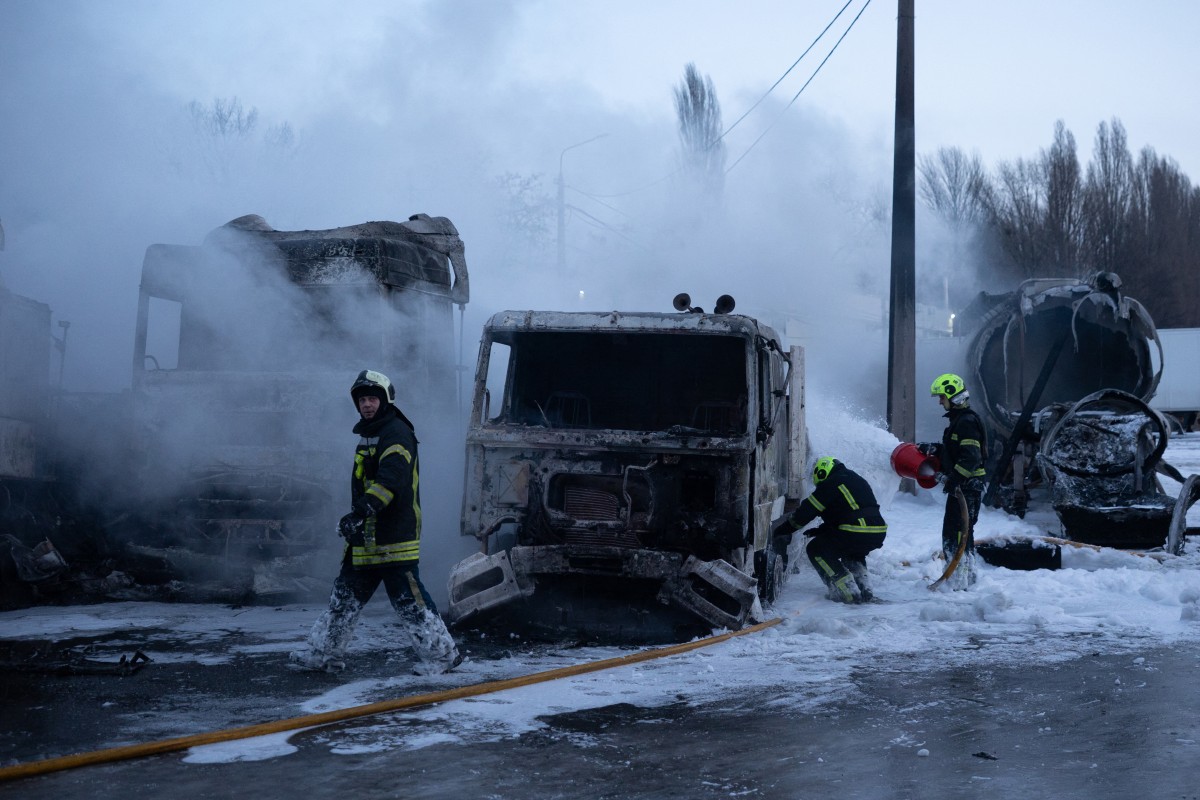
Recent events amplify urgency. April 9's "Destruction in Occupied Oleshky" (HIGH severity) and "Ukraine War Escalation" (CRITICAL) followed April 8 revelations of Russia-Iran satellite aid (CRITICAL), boosting Moscow's reconnaissance. Earlier, April 2's humanitarian update (CRITICAL) flagged famine risks, April 1's Russian capture of Luhansk (HIGH), and March 31 allies urging attack cuts (CRITICAL). Even March 28's Odesa ambitions (MEDIUM) and March 26 escalation (HIGH) paint a pattern: relentless Russian gains met by Ukrainian resilience, now pausing for Easter. YLE News in Finland captured pre-truce optimism, but ground reports confirm violations, with social media—X posts from @WarMonitor3 and @oryxspioenkop showing drone footage of alleged shelling—fueling doubts. For a visual overview of these frontline shifts, explore the ukraine war map.
Confirmed: Truce start, prisoner swaps (300+ per side), initial compliance in 70% of sectors per OSCE monitors. Unconfirmed: Scale of violations; Kyiv claims 15 Russian breaches by noon, Moscow counters with Ukrainian drone strikes. This faltering truce uniquely spotlights humanitarian corridors: unlike tactical pauses focused on repositioning, it could open roads like the E40 highway for 50,000-ton aid shipments, per UN estimates, directly addressing Kharkiv's crisis where 2.7 million face shortages. These dynamics are critical for understanding the broader conflict trajectory on the ukraine war map.
Ukraine War Map: Key Players and Motivations
Ukraine (President Volodymyr Zelenskyy and Military Command): Motivations center on survival and moral high ground. Zelenskyy's February 24 plea to China reflects outreach to non-Western powers, while the truce buys time for Western arms inflows. Kharkiv Commander Oleh Syniehubov pushes for evacuations, eyeing reconstruction.
Russia (President Vladimir Putin and Defense Ministry): Putin frames the truce as Easter goodwill, per state media, to burnish domestic image amid sanctions. General Valery Gerasimov's forces, bolstered by Iran (April 8 satellite aid), seek to consolidate Luhansk gains (April 1). Motivations: Pause to resupply, test Ukrainian resolve.
International Actors: UN and Red Cross poised for corridors, with Secretary-General António Guterres praising the "window." US/NATO (e.g., March 31 allies) provide intel but urge restraint. China, courted February 24, remains neutral, potentially mediating. Turkey and Qatar, past grain deal brokers, lobby for extensions.
Humanitarian Orgs: ICRC and UNHCR prepare convoys, motivated by 14 million displaced. Their success hinges on violations ceasing.
The Stakes
Politically, success isolates Russia further: Aid flows would spotlight Moscow's blockades, eroding Global South sympathy and pressuring BRICS partners. Failure risks WMD echoes from January 27, drawing NATO deeper—perhaps no-fly zones. Check our Global Risk Index for escalating threat levels.
Economically, corridors could stabilize Ukraine's $10B agriculture output, easing global food prices (up 15% post-April escalations). Russia's isolation grows if aid thrives, hitting its $300B frozen assets. Related tensions, including retaliatory strikes, are covered in The Retaliatory Ripple: Ukraine's Strikes, Russia's Counteroffensives, and Oil Price Forecast Disruptions in a Vicious Cycle.
Humanitarian: Kharkiv's February 27 death toll (500+ soldiers/civilians) demands evacuations; 1,000 bodies (Jan 30) unresolved. Corridors could save 100,000 lives, per WHO, preventing famine in Donbas.
Broader: Ties to US-Iran/Israel tensions via risk cascades, per market data.
Market Impact Data
Geopolitical fragility from the faltering truce, layered on Ukraine drone strikes and recent escalations (April 9 Oleshky destruction, April 8 Russia-Iran aid), has triggered risk-off sentiment. Equities dipped: S&P 500 (SPX) fell 1.2% intraday April 11, mirroring 2022 invasion patterns. Crypto led losses: Bitcoin (BTC) -3.5% to $58,200; Solana (SOL) -5.1% to $112.
Catalyst AI Market Prediction
The World Now Catalyst AI forecasts continued downside amid truce uncertainty:
-
BTC: Predicted ↓ (medium confidence) — Causal mechanism: Geopolitical escalations in US-Iran and Israel-Iran tensions trigger immediate risk-off liquidation cascades in crypto as a high-beta asset. Historical precedent: Similar to the 2014 Gaza War when Bitcoin prices dropped 20% initially. Key risk: US-Iran ceasefire talks gaining traction, prompting quick risk-on rebound.
-
SPX: Predicted ↓ (medium confidence) — Causal mechanism: Multiple CRITICAL escalations (Ukraine drones, Israel-Lebanon invasion, US-Iran truce failure) spark broad risk-off flows from equities. Historical precedent: Similar to 2022 Ukraine invasion when S&P 500 dropped 20% over two months, with initial 2% weekly decline. Key risk: US-Iran ceasefire holding, unwinding immediate panic selling.
-
SOL: Predicted ↓ (medium confidence) — Causal mechanism: Altcoin amplifies BTC risk-off selling on geopolitics. Historical precedent: Similar to 2022 Ukraine drop with alts falling more sharply. Key risk: Crypto-specific dip buying.
Predictions powered by Catalyst AI — Market Predictions. Track real-time AI predictions for 28+ assets.
Looking Ahead
If the truce holds through April 12 evening, expect UN-led corridors operational by April 15, evolving into talks—perhaps China-hosted in May, per February 24 patterns. Success: Formal negotiations by June, aid flows doubling to $2B/month, shifting alliances (India abstains less).
Collapse risks surge: Kharkiv intensified assaults by April 20, echoing February 27; WMD probes reignite. Broader: Energy markets spike (oil +5% projected), drawing US deeper, fracturing EU unity.
Key dates: April 12 truce end; April 15 OSCE report; May 1 NATO summit. Sustained aid pressures Russia economically ($50B sanctions hit), potentially forcing concessions.
This is a developing story and will be updated as more information becomes available.