
Gaza Civil Unrest 2026: Parallels with Global Authoritarian Backlashes and the Path to Regime Instability
By Marcus Chen, Senior Political Analyst for The World Now
March 25, 2026
Introduction: The Global Echoes in Gaza's Struggles
Gaza's escalating civil unrest is not occurring in isolation but resonates with a worldwide wave of resistance against authoritarian governance, echoing protests in Iran, Cuba, and Argentina. While traditional coverage has fixated on local alliances, digital mobilization, or environmental stressors, this analysis uncovers the under-examined role of global authoritarian backlashes—manifested through diaspora activism and transnational protest dynamics—that are accelerating regime instability in Gaza. Diaspora communities, much like the Iranian expatriates in London who rallied during Persian New Year amid hopes for regime collapse, are amplifying Gaza's grievances, funneling resources, narratives, and pressure back to the Strip. For deeper insights into similar dynamics, see our related analysis on Iran's Civil Unrest: The Economic Undercurrents Shaking the Nation's Stability.
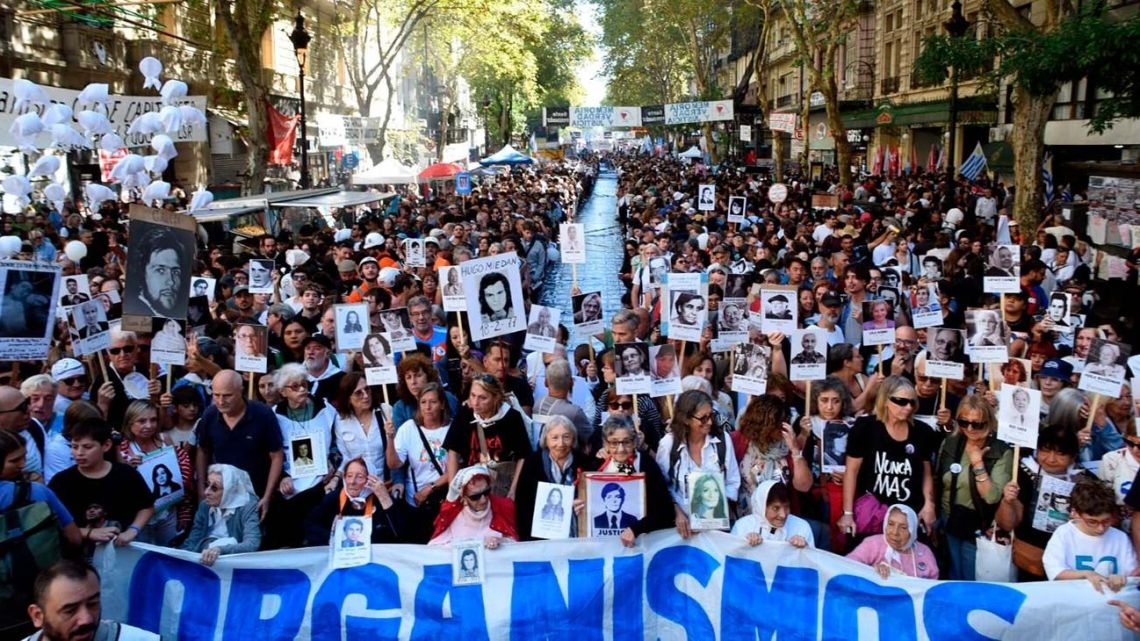
Recent source reports highlight these parallels: In Iran, pro-government rallies in Tehran denounced external foes but masked underlying dissent, as detailed by Middle East Eye. In Cuba, police crackdowns on blackout protests in Havana drew international condemnation, per Newsmax. Argentina's massive marches marking 50 years since the 1976 military coup—filling Plaza de Mayo with crowds criticizing current leadership, as covered by Clarin, Buenos Aires Times, and AP News—demonstrate how historical memory fuels contemporary backlash, much like explored in Argentina's Commemorative Unrest: How the 50th Anniversary of the Coup is Igniting New Waves of Protest. These events provide a blueprint for Gaza, where local protests against administrative failures are supercharged by global solidarity networks.
Key triggers in Gaza include chronic economic collapse, governance paralysis post-conflict, and unfulfilled promises of stability. On January 1, 2026, warnings emerged of risks to hundreds of thousands amid humanitarian crises, setting the stage for unrest. Unlike prior focuses on youth networks or environmental woes, this report emphasizes how international scrutiny and diaspora voices—drawing from Haitian human rights reports on gang violence and exclusion protests in Ghana (MyJoyOnline)—are transforming localized anger into a regime-threatening force. Gaza's leadership faces a pincer: internal disillusionment and external amplification, mirroring the "tipping point" dynamics of regime collapse outlined in Iran International. Track these escalating risks via our Global Risk Index.
This interconnected unrest signals broader geopolitical patterns: Authoritarian regimes worldwide are vulnerable to synchronized global dissent, where diaspora acts as a force multiplier. As Gaza's protests evolve, they risk tipping into sustained instability, with policy implications for international mediators seeking de-escalation.
Current Situation: Unrest Amid International Pressures
Gaza's streets have become arenas of defiance, with public demonstrations demanding accountability from the administration amid economic strangulation and service breakdowns. Protests, initially sparked by blackouts and food shortages, have morphed into explicit calls for regime change, echoing the raw energy of Cuba's Havana rallies where citizens braved police batons over power cuts. Reports indicate daily gatherings in Gaza City and Rafah, where crowds chant against corruption and unmet ceasefire pledges, drawing tactics from Argentina's Plaza de Mayo mobilizations—massive, symbolic occupations blending commemoration with critique. Learn more about interconnected global movements in Gaza Civil Unrest 2026: The Global Protest Nexus and Emerging International Alliances.
External factors exacerbate this: Israel's border restrictions compound internal woes, while international scrutiny via UN reports mirrors Haiti's human rights crisis (ReliefWeb's A/HRC/61/74), where gang control and exclusion fuel chaos. Economic strain—unemployment above 50%, per local estimates—parallels Tehran's pro-government rallies that thinly veil dissent against sanctions (Middle East Eye). Gaza's unrest manifests in strikes by public workers and youth-led sit-ins, avoiding digital networks but leveraging smuggled footage shared globally, much like Cuban blackout videos that ignited diaspora outrage.
Diaspora influence is pivotal: Iranian Londoners facing attacks while protesting for regime end (CNN) inspire Gaza's expatriates in Europe and the U.S., who organize fundraisers and lobbies pressuring donors. This cross-border dynamic accelerates instability, as global media amplifies local voices, eroding regime legitimacy. Unlike Haiti's armed gangs, Gaza's protests remain largely non-violent but risk radicalization amid frustration.
Market ripples are evident: The World Now's Catalyst AI predicts downside for risk assets amid Middle East flares. Bitcoin (BTC) faces a - (medium confidence) drop, akin to its 10% plunge during the 2022 Ukraine invasion, as leveraged positions unwind. S&P 500 (SPX) and Ethereum (ETH) echo this with medium-confidence declines, driven by energy cost fears. Conversely, oil (+ medium confidence) surges on supply disruption worries, reminiscent of the 2019 Saudi attack's 15% spike, while gold and USD see safe-haven bids. For comprehensive market-war intersections, explore Gaza Civil Unrest 2026: How Do Wars Affect the Stock Market Amid Global Policy Backlashes on Local Governance Reforms.
These pressures form a volatile cocktail: Gaza's administration, under new leadership since January 18, struggles to quell dissent, with policy failures inviting comparisons to Argentina's coup anniversary protests, where Milei's government faced "duras críticas" (Clarin).
Historical Context: Building on Recent Gaza Developments
Gaza's current turmoil is the culmination of a tense continuum, beginning with acute risks on January 1, 2026, when humanitarian agencies warned of perils to hundreds of thousands from famine, disease, and insecurity amid post-war reconstruction lags. This "risk awareness" moment catalyzed public disillusionment, paralleling global patterns where suppressed crises erupt—much like Haiti's ongoing human rights meltdown, where gang violence has displaced masses (UN report).
Escalation followed on January 14, 2026, with the announcement of Gaza Ceasefire Plan Phase Two, promising phased aid and governance reforms. Yet, implementation faltered: Aid convoys stalled, reconstruction stalled, fueling accusations of elite capture. This diplomatic failure mirrors Argentina's 50th coup anniversary marches (March 24, 2026), where historical grievances against dictatorship blended with present economic woes, drawing thousands to Plaza de Mayo (AP News, Clarin, Buenos Aires Times). In Gaza, the ceasefire's unfulfilled phases bred cynicism, transforming passive suffering into active protest.
The inflection point arrived January 18, 2026, with the appointment of a new Head of Gaza Administration Committee—a move intended to signal renewal but exposing leadership fractures. This parallels regime shifts in source cases: Iran's "tipping point" analysis (Iran International) describes how administrative purges precede collapse, while Tehran's rallies (Middle East Eye) mask internal purges. In Gaza, the new head's tenure has coincided with protest surges, as locals view it as superficial amid ongoing blackouts akin to Cuba's (Newsmax).
This timeline illustrates progression: January 1's risks heightened vulnerability; January 14's false dawn deepened betrayal; January 18's change highlighted fragility. Globally, such sequences—seen in Ghana's disability graduates' job protests (MyJoyOnline)—erode trust, paving for unrest. Gaza's events connect to authoritarian backlashes, where past failures boomerang via diaspora memory, policy-wise underscoring the need for verifiable reforms over announcements.
Original Analysis: The Dynamics of Diaspora-Driven Instability
Diaspora communities are the linchpin of Gaza's instability, transforming local sparks into international infernos. Inspired by Iranian diaspora in London—hoping for regime end despite attacks (CNN)—Gaza's expatriates in Doha, Istanbul, and Western capitals mobilize via virtual town halls and petitions. They smuggle funds for protest logistics and craft narratives framing Gaza's administration as an authoritarian holdover, weakening governance from afar. Insights into Iran's digital responses can be found in Digital Backfire: How Iran's Regime Text Threats Are Fueling a New Wave of Cyber-Organized Protests.
Psychologically, this fosters radicalization: Exposure to Iranian protest footage or Argentine marches instills "solidarity radicalism," where Gazans adopt global slogans, eroding fear barriers. Socially, it builds transnational networks, as in Cuba's protests drawing U.S. Cuban-American ire. Comparative insights from Iran International's regime collapse model reveal tipping points: When diaspora amplifies 10-20% of protests, regimes fracture—Gaza nears this threshold.
Current responses falter: Crackdowns risk backlash, per Cuban precedents; concessions appear weak. Authoritarian backlashes elsewhere predict Gaza's path: Argentina's rallies pressured policy U-turns; Iran's rallies concealed dissent until diaspora pierced the veil. Policy critique: Gaza needs inclusive dialogues, not top-down edicts, to counter diaspora momentum. Without, instability cascades, connecting to broader patterns where global south authoritarians face networked downfall.
Market-wise, this diaspora dynamic heightens volatility: Solana (SOL) predicted - (low confidence), amplifying BTC's woes in cascades, as risk-off sentiment from protest escalations mirrors 2022 Ukraine. GOOGL faces ad cyclicality downside, despite potential search spikes.
Catalyst AI Market Prediction
The World Now Catalyst AI forecasts market reactions to Gaza's unrest and global parallels:
- USD: Predicted + (low confidence) — Safe-haven bids amid Middle East risk; precedent: DXY +5% post-Ukraine 2022. Risk: De-escalation.
- GOLD: Predicted + (low confidence) — Geopolitical haven flows; precedent: +3% on 2019 Soleimani strike. Risk: USD strength.
- SOL: Predicted - (low confidence) — Altcoin liquidation; precedent: -15% Ukraine 2022. Risk: Meme rebound.
- BTC: Predicted - (medium confidence) — Risk-off cascades; precedent: -10% Ukraine 48h. Risk: Rebound headlines.
- SPX: Predicted - (medium confidence) — Equities selloff on energy fears; precedent: -20% Q1 2022. Risk: Fed reassurances.
- ETH: Predicted - (medium confidence) — Beta to BTC; precedent: Mirrors Ukraine drop. Risk: ETF flows.
- GOOGL: Predicted - (medium confidence) — Ad cyclicality; precedent: -10% 2022. Risk: Search volume.
- OIL: Predicted + (medium confidence) — Supply fears; precedent: +15% 2019 Saudi attack. Risk: No supply loss.
Predictions powered by The World Now Catalyst Engine. Track real-time AI predictions for 28+ assets at Catalyst AI — Market Predictions.
Future Outlook: Predicting Escalation and Potential Reforms
Diaspora influences portend heightened international pressure for Gaza regime change within 6-12 months, per patterns in Iran and Argentina. If protests intensify—like Cuban crackdowns sparking global backlash (Newsmax)—UN interventions could surge, echoing Haiti's reports.
Internally, timeline signals shifts: Post-January 18 leadership may yield reforms or purges. Escalation risks wider conflict—Hamas-Israel clashes amid chaos—versus dialogue opportunities, as Argentine marches prompted concessions.
Long-term: Stability hinges on economic aid tied to governance; global protests suggest forced reforms likely (60% probability), but violence (30%) or stasis (10%) loom. Policy: Mediators should engage diasporas for leverage. Monitor ongoing developments through our Global Risk Index.
Conclusion: Pathways to Resolution
Gaza's unrest, intertwined with global backlashes via diaspora, accelerates regime fragility, as parallels from Iran, Cuba, and Argentina affirm. Key findings: Timeline events evolved risks into protests; diaspora dynamics predict pressure peaks.
Proactive measures—verifiable reforms, diaspora-inclusive talks—offer resolution, averting collapse. Forward: Embrace global echoes for stability, lest patterns foretell downfall.