More Than 7,300 Dead in Iran and Lebanon as US-Israel-Iran War Ends in Agreement
Reporting based primarily on mdzol.com.
Ceasefire Agreement Ends Multi-Nation Conflict
An agreement has been reached to end the war between the US, Israel and Iran that began in February, with official figures reporting more than 7,300 deaths in Iran and Lebanon alone since Feb. 28, though analysts say the true toll is likely higher. [1] The conflict involved multiple countries across the Middle East, and the deal comes after months of strikes and ground operations. [3] Official reports indicate that more than 7,300 people have died in Iran and Lebanon since Feb. 28. [1] Analysts have noted that restrictions on internet access, media, and independent verification make it difficult to confirm exact numbers, with figures often incomplete or impossible to check independently. [1]
Death Toll in Iran
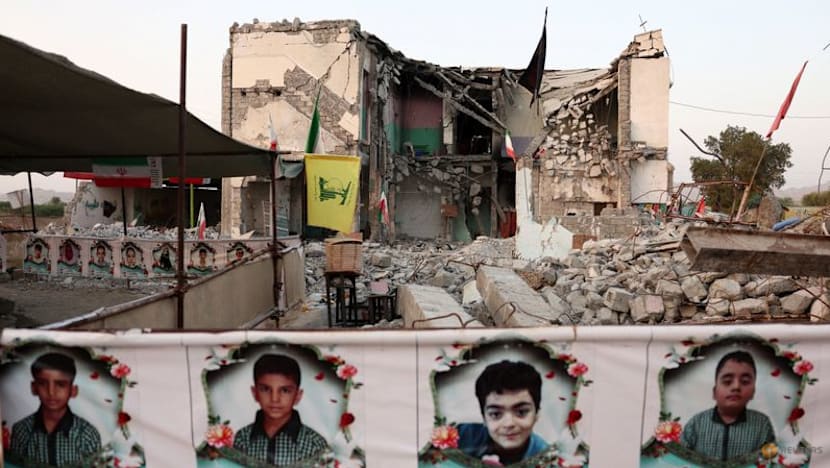
Official Iranian figures report 3,468 deaths by mid-April, including 1,460 civilians with 499 women, while the US-based Hrana group documented at least 3,636 deaths including 307 children. [1] The Iranian government reported that these deaths included 2,008 military personnel alongside the civilians. [1] Hrana stated that its count of 3,636 included 1,701 civilians, 1,221 military personnel, and 714 individuals whose status could not be confirmed, describing the numbers as absolute minimums due to government blocks on information. [1] Iranian authorities have accused the United States and Israel of striking civilian infrastructure, with one US missile attack on a school in Minab killing 168 people including 110 children. [1] A separate strike on a sports hall in Lamerd killed 20 people during a women's volleyball match, though the United States denied responsibility while experts pointed to the likely use of a US-made precision missile. [1]
Casualties and Strikes in Lebanon
Lebanese health authorities report 3,912 deaths from Israeli strikes since March 2, including 366 women and 247 children, with Israel claiming 3,000 Hezbollah fighters killed. [1] The conflict in Lebanon resumed on March 2 when Hezbollah launched rockets at Israel in response to the killing of Iran's supreme leader. [1] Lebanese officials reported that 41 people died in one major Israeli operation around a city in the Bekaa Valley, while a wave of strikes on April 8 killed at least 361 people in ten minutes. [1] Israel stated that its forces targeted 250 Hezbollah agents on that day, but Lebanese health authorities said the large majority of those killed were civilians. [1] UN reports seven peacekeepers killed in Lebanon, and US President Donald Trump criticized Israeli forces for excessive civilian deaths in strikes. [1]
Israeli Losses and Iranian Attacks
Israel reports 60 deaths, mostly from Iranian attacks and Hezbollah clashes, including 29 civilians and 31 soldiers. [1] Of the civilians, 21 died in Iranian missile attacks. [1] One additional death resulted from accidental friendly fire according to Israeli government figures. [1] Israel has accused Iran of using cluster munitions against civilian areas, including an incident in Ramat Gan where a couple over age 70 was killed by submunitions while heading to a shelter. [1] Human Rights Watch accused Tehran of war crimes for such attacks, noting that cluster submunitions disperse over wide areas and constitute indiscriminate strikes that violate the laws of war. [1]
Regional Impact and Iranian Strikes on Arab States
Iranian missile and drone attacks targeted US bases in eight Arab countries, with debris falling on residential areas, prompting regional criticism of Iran. [1] The strikes hit locations in Saudi Arabia, the United Arab Emirates, Qatar, Kuwait, Iraq, Jordan, Bahrain, and Oman, affecting airports, energy facilities, and ports. [1] Debris from interceptions frequently landed in residential zones. [1] Anwar Gargash, an adviser to the president of the UAE, wrote that Iran's actions confirmed narratives viewing it as the main source of regional danger. [1] The involvement of Hezbollah in Lebanon stemmed from its response to the killing of Iran's supreme leader Ayatollah Ali Khamenei. [1]
US Criticism of Israeli Operations
US President Donald Trump criticized Israeli forces for excessive civilian deaths in strikes. [1] Speaking at the G7 summit in Paris, Trump stated that too many people had died and that it was unnecessary to destroy apartment buildings when targeting individuals because many residents are not Hezbollah members. [1] The comments came amid broader international scrutiny of the high civilian toll in Israeli operations. [1]
What to watch next includes continued debate over final casualty figures that analysts expect will remain contested for years, alongside political effects from the war's end that commentators have linked to potential gains for Republicans in upcoming midterms. [1] [3]