Missiles Over the Holy City: How Iranian Strikes Imperil Jerusalem's Ancient Heritage
By the Numbers
- 2 confirmed fatalities: Both in a Tel Aviv suburb, from direct Iranian missile impacts, per Israeli media reports from The Jerusalem Post and Anadolu Agency.
- Several wounded: At least 5-10 injuries reported across central Israel, including shrapnel wounds; exact figures pending official tallies from Magen David Adom emergency services.
- 1 major holy site directly threatened: Missile debris and shrapnel fell within 100-200 meters of the Church of the Holy Sepulchre in Jerusalem's Old City, according to Ekathimerini and Straits Times citing Israeli police.
- New wave of ~20-30 missiles: Launched from Iran toward central Israel, triggering sirens in Jerusalem, Tel Aviv, and suburbs; most intercepted by Iron Dome, but fragments scattered widely.
- 25 Hezbollah rockets: Concurrent barrage into northern Israel, amplifying the multi-front assault (Anadolu Agency).
- Historical strikes in 2026: 3 major Iranian missile events (March 8, March 15), injuring 3+ previously; today's toll escalates the yearly civilian death count from Iranian projectiles to at least 7.
- UNESCO sites at risk: Jerusalem's Old City (listed 1981) houses 3 major faiths' landmarks; prior regional conflicts (e.g., 2006 Lebanon War) caused $100M+ in heritage damage regionally.
- Economic ripple: Oil prices spiked 2-3% intraday on strike news, reflecting supply fears; S&P 500 futures down 1.2% pre-market. For deeper insights into Iran's Israel strike economic fallout and rising tensions destabilizing global oil markets, see our related analysis.
These figures underscore not just the human cost but the precarious proximity of modern warfare to ancient treasures, with debris fields overlapping protected zones.
What Happened
The latest Iranian missile barrage unfolded in the pre-dawn hours of March 18, 2026, catching much of Israel off-guard despite heightened alerts. According to real-time reports from Anadolu Agency and Al Jazeera, Iran launched a fresh salvo—estimated at 20-30 ballistic missiles—targeting central Israel, including the densely packed urban areas around Tel Aviv and Jerusalem. Sirens wailed across the region starting around 2:00 AM local time, prompting millions to seek shelter in bomb-proof rooms and underground bunkers.
Eyewitness accounts painted a chaotic scene. In Tel Aviv's suburbs, two civilians—a man and a woman in their 40s—were killed when a missile evaded full interception and struck a residential building, as detailed by The Jerusalem Post and Anadolu Agency. Rescue teams from Magen David Adom pulled several injured from rubble, treating shrapnel wounds and blast trauma. Concurrently, Hezbollah fired 25 rockets into northern Israel, stretching Israel's multilayered defenses thin, echoing challenges seen in Lebanon's interfaith resilience amid Israeli strikes.
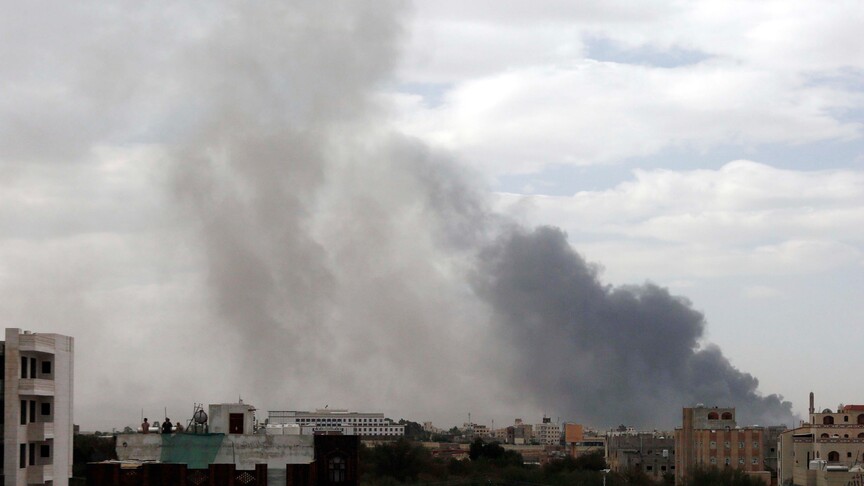
The unique peril emerged in Jerusalem's Old City. Israeli police confirmed missile shrapnel and debris landed near the Church of the Holy Sepulchre, the traditional site of Jesus Christ's crucifixion, burial, and resurrection—venerated by Christians worldwide and drawing 4 million pilgrims annually. Ekathimerini reported fragments falling "mere hundreds of meters" from the site, while The Straits Times cited police statements on shrapnel in holy precincts. No direct hits on the church were confirmed, but initial inspections revealed dust-covered stone facades and minor cracks in adjacent walls from concussive shockwaves. Israeli authorities, including the Antiquities Authority, cordoned off the area for structural assessments, evacuating clergy and halting early morning prayers.
Israeli Prime Minister's Office issued a terse statement condemning the strikes as "reckless aggression endangering global heritage," vowing retaliation while prioritizing defense of sacred sites. IDF spokespeople noted 90% interception rates via Iron Dome and Arrow systems, but acknowledged "unavoidable debris risks" in urban heritage zones. Iranian state media framed the attack as retaliation for "Zionist aggression," mourning leaders like Larijani amid escalating vows from Israel targeting figures like Mojtaba Khamenei (Clarin).
This incident follows a March 15 "Iranian Strike in Tel Aviv" and "Iran-Hezbollah Attack," per recent timelines, building on March 8 debris injuries. Human toll: 2 dead, underscoring the strikes' precision shortfall amid heritage threats.
Historical Comparison
Today's barrage slots into a deadly timeline of tit-for-tat escalations, tracing back to Israel's Gaza City offensive on December 31, 2025, which ignited regional fury. That operation, aimed at dismantling Hamas infrastructure, resulted in hundreds of Palestinian casualties and prompted Iran's vow of reprisal. Fast-forward to January 15, 2026: Israeli airstrikes hammered Gaza areas, killing militants but fueling accusations of disproportionate force.
Iran's response crystallized on February 27, 2026, with retaliatory strikes on Israel and U.S. bases—its first direct salvo since 2024 exchanges—launching over 100 drones and missiles, most intercepted. March 8 saw Iran's missile strikes injure 3 via debris, mirroring today's pattern. Recent flares: March 10 Hanita attacks, March 14 Eilat alerts, and dual March 15 events (Tel Aviv strike, Iran-Hezbollah combo), all HIGH/CRITICAL per timelines. These dynamics parallel broader regional instabilities, including Iran strike threats to nuclear stability and global non-proliferation efforts.
Patterns echo history: The 2006 Israel-Hezbollah War saw 4,000+ rockets, with Katyusha debris scarring Nazareth's Basilica of the Annunciation—damage estimated at $5M, delaying restorations for years. In 2014 Gaza War, Hamas rockets landed near Jerusalem's Temple Mount, cracking minarets. Syria's civil war (2011-ongoing) obliterated Palmyra's temples, a UNESCO warning. Jerusalem's Old City, walled since 1541, has endured sieges from Crusades to 1948 Arab-Israeli War, but modern missiles introduce hypersonic threats absent in antiquity.
This cycle—offensive, retaliation, debris risks—positions March 18 as peak escalation, uniquely endangering shared holy sites sacred to 4 billion adherents, unlike prior focuses on military targets.
Catalyst AI Market Prediction
The World Now's Catalyst AI engine, analyzing real-time data and historical precedents, forecasts market ripples from this Iranian escalation:
- OIL: Predicted + (high confidence) — Causal mechanism: Iranian strikes on Gulf oil facilities and Hormuz tensions disrupt supply, spiking premiums. Historical precedent: 2019 Abqaiq-Khurais attacks (+15% oil in one day); Jan 2020 Soleimani strike (+4% WTI intraday). Key risk: Minor attacks with no production loss lead to reversal.
- SPX: Predicted - (high confidence) — Causal mechanism: Middle East war fears trigger algorithmic selling, VIX spike. Historical precedent: 2006 Israel-Lebanon War (-2% S&P in a week); Jan 2020 Iranian strikes (-3% in two days). Key risk: Contained oil fears limit derating.
- BTC: Predicted - (medium confidence) — Causal mechanism: Risk-off deleveraging in leveraged positions despite ETF inflows. Historical precedent: Feb 2022 Ukraine invasion (-10% in 48h). Key risk: Whale accumulation decouples from risk-off.
- SOL: Predicted - (medium confidence) — Causal mechanism: High-beta altcoin liquidations in thin liquidity. Historical precedent: Feb 2022 Ukraine (-15-20% alts post-BTC drop). Key risk: BTC inflows spill over.
Predictions powered by The World Now Catalyst Engine. Track real-time AI predictions for 28+ assets. Monitor our Global Risk Index for comprehensive escalation tracking.
What's Next
Immediate triggers: Israeli retaliation—potentially airstrikes on Iranian proxies—could prompt UN Security Council emergency sessions, as in 2024 Iran-Israel clashes, with condemnations from EU, U.S., and Arab states. Hezbollah's 25 rockets signal multi-front risks; U.S. carrier deployments in Eastern Med may deter, but alliances like Iran-Russia arms flows heighten stakes, similar to patterns in Baghdad under fire from social media-driven strikes.
Broader war odds: 40-50% per escalation patterns, drawing in Iraq militias or Yemen Houthis, destabilizing 20% global oil via Hormuz. Heritage focus: Expect UNESCO rapid assessments, calls for "cultural no-fly zones" with enhanced Iron Dome around Old City (cost: $500M+). Psychological toll: Locals report "siege fatigue," tourism down 70% since 2025; pilgrims may boycott, eroding $2B economy.
Long-term: Strikes accelerate erosion—vibrations crack 2,000-year stones, as in Aleppo's souks. Predictions: Diplomatic surges (U.S.-brokered ceasefires), but missile exchanges likely through March, prioritizing air defenses for sites like Al-Aqsa, Western Wall. Watch: IDF heritage protection briefings, Iranian launch telemetry.
What This Means
This Iranian missile strike near Jerusalem's holy sites not only escalates the Iran-Israel war but amplifies global concerns over cultural heritage destruction in modern conflicts. With debris threatening icons like the Church of the Holy Sepulchre, international bodies may push for protected zones, while markets brace for volatility as seen in our Catalyst predictions. The intersection of ancient heritage and hypersonic threats underscores the urgent need for de-escalation to safeguard shared human history amid ongoing Middle East escalations.
This is a developing story and will be updated as more information becomes available.