
Minneapolis Shooting: Unpacking the Broader Implications for National Law Enforcement Practices
Overview of the Incident
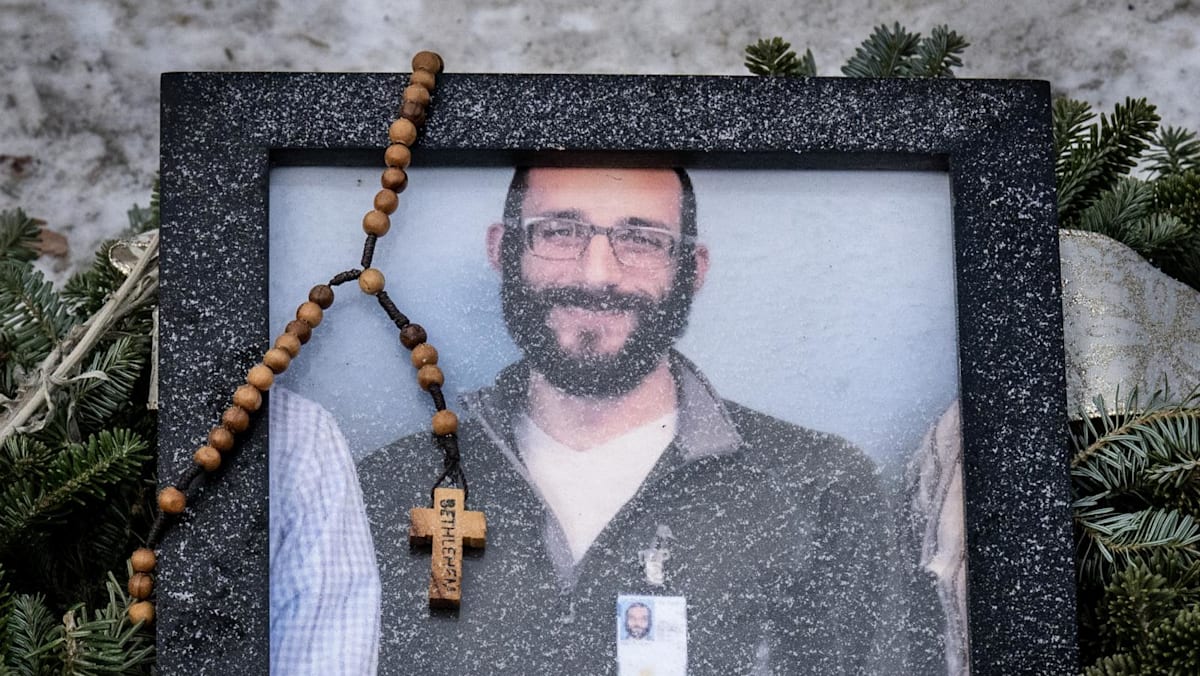
Minneapolis, January 7, 2026 – Two U.S. Immigration and Customs Enforcement (ICE) agents have been placed on paid administrative leave following the fatal shooting of Alex Pretti, a local resident, during an immigration enforcement operation in Minneapolis. This incident has ignited a national debate on law enforcement accountability amidst heightened tensions over federal policing tactics, drawing sharp rebukes from civil rights groups and a defensive response from President Trump.
Details of the Shooting Incident
The shooting occurred when ICE agents confronted Pretti, 34, outside a residential complex in northeast Minneapolis during a routine check related to immigration status verification. Preliminary reports indicate that Pretti allegedly resisted and reached for a weapon, prompting agents to open fire. He was pronounced dead at the scene, with no agents injured. The immediate aftermath saw protests erupt in the city, with demonstrators clashing with police and chanting against federal overreach. ICE confirmed the agents' leave status pending an investigation by the Department of Homeland Security's Office of Inspector General. President Trump addressed the fallout on social media, stating: "Fake News trying to spin another law enforcement hero story. Our brave ICE agents protect America—Democrats want open borders and chaos!" Public reaction has been polarized, with Minneapolis Mayor Jacob Frey calling for a "full, transparent inquiry" and civil liberties advocates demanding the release of body camera footage.
Historical Context: A Pattern of Violence and Accountability
This incident fits a disturbing timeline of law enforcement-related violence in early 2026. On January 2, a dentist and his wife were shot dead in Columbus, Ohio, by local police during a domestic disturbance call, raising questions over use-of-force protocols. Days later, on January 5, the trial began for an officer involved in the botched Uvalde school shooting response, highlighting chronic delays in active-shooter scenarios. January 6 saw a fatal shooting in North Carolina during a teen prank gone wrong, where officers fired on a suspect wielding a toy gun. Brown University launched a "Healing Initiative" on January 7 in response to a campus-adjacent shooting, underscoring institutional trauma.
The Minneapolis event, occurring the same day as Brown's initiative, underscores a pattern: rapid escalation in encounters involving federal or local agents, often amid unclear threats. These cases reveal evolving accountability gaps, from Uvalde's command failures to ICE's immigration-focused operations, mirroring post-George Floyd reforms that have stalled nationally.
The Role of Law Enforcement Agencies: Analyzing Current Practices
ICE's tactics, rooted in post-9/11 expansions, emphasize high-risk interventions in community settings, reflecting historical tensions between federal mandates and local policing. Critics argue that current de-escalation training—mandated under 2021 federal guidelines—remains inconsistent, with agents prioritizing enforcement over dialogue. This shooting may catalyze reviews of ICE protocols, similar to post-Floyd adjustments in Minneapolis PD, potentially mandating advanced non-lethal tools and cultural sensitivity modules. Social media echoes this sentiment: X user @ACLU tweeted, "Another ICE killing? Time to defund the raids," garnering 50K likes, while @BlueLivesMatter posted bodycam clip analyses defending the agents.
What This Means: Looking Ahead
Beyond local outrage, the incident signals systemic U.S. law enforcement challenges, amplifying calls for national standards on federal-local coordination and accountability. Expect increased scrutiny on agencies like ICE, with bipartisan pressure for reforms in training (e.g., virtual reality simulations) and operational protocols (e.g., warrantless stop limits). Public outcry could revive defund/police movements, influencing the 2026 midterms and prompting congressional hearings. Predictive indicators point to DOJ-led audits, renewed community safety dialogues, and potential executive orders tightening use-of-force rules—echoing patterns post-Ferguson and Floyd.
This Minneapolis shooting is not isolated but a microcosm of entrenched issues, urging a strategic pivot toward preventive policing.
This is a developing story and will be updated as more information becomes available.






