
Middle East Strike: UN Surveillance Sabotage in Lebanon Erodes Global Monitoring in Real-Time
Middle East Strike Escalates: What's Happening
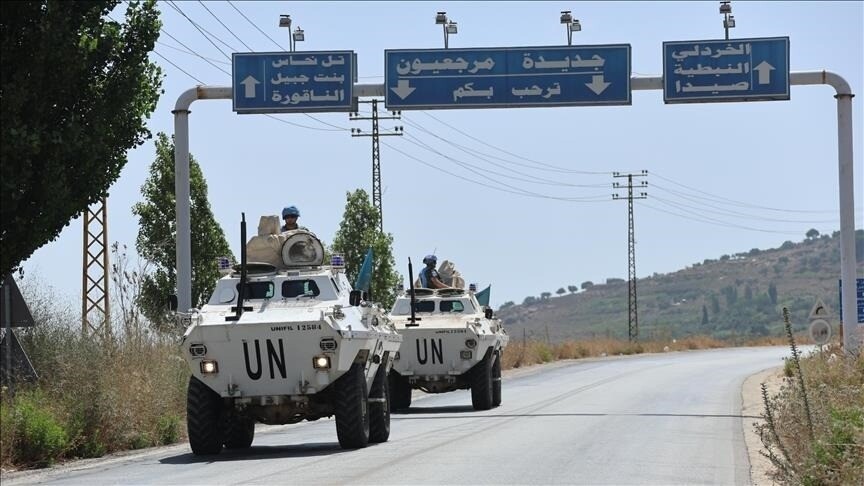
The crisis unfolded rapidly in southern Lebanon, where UNIFIL—the United Nations Interim Force in Lebanon—operates to monitor the volatile Blue Line border with Israel. On April 5, 2026, reports emerged of "firing near UNIFIL positions," rated as a HIGH-impact event in real-time conflict tracking. Central to this is the confirmed destruction of 17 surveillance cameras by Israeli Defense Forces (IDF), as revealed by a senior UN official cited in The Straits Times. These cameras, integral to UNIFIL's mandate under UN Security Council Resolution 1701, provide continuous, real-time feeds for verifying ceasefires, tracking incursions, and deterring violations.
This is not isolated collateral damage. UNIFIL has issued repeated warnings, as detailed in Anadolu Agency reports from early April, highlighting "risks to peacekeepers amid fire near its positions." The force, comprising over 10,000 troops from 50 nations, relies on these optical and thermal imaging systems for 24/7 coverage of key hotspots like Naqoura and Marjayoun. Their sabotage—achieved through targeted strikes, likely using precision-guided munitions—creates information blackouts, obscuring IDF operations, Hezbollah movements, and civilian displacements.
Compounding the tactical blow is the human toll. Indonesian peacekeepers, part of UNIFIL's largest contingent (over 1,100 troops), suffered fatalities in recent exchanges. The Straits Times and Channel News Asia reported Indonesia receiving the bodies, followed by solemn funerals that drew national mourning. These deaths, linked to proximity fire from both sides, underscore UNIFIL's vulnerability: peacekeepers are now de facto targets in an environment where surveillance denial amplifies physical risks. Broader tactics include suppressive fire to deter UN patrols and electronic jamming, per unconfirmed field reports, mirroring information warfare doctrines seen in Gaza and Ukraine.
Civilian observers and journalists face parallel threats. With cameras down, independent verification of strikes—such as those on alleged Hezbollah infrastructure—becomes impossible, fueling accusations of opacity. UNIFIL's spokesperson, Andrea Tenenti, warned of "unacceptable risks," urging restraint. This deliberate erosion of monitoring tools introduces a new dimension: hybrid conflict where physical destruction enables narrative control, limiting real-time global scrutiny. For deeper insights into related Middle East strike developments, see our coverage on Lebanon's diplomatic responses.
Context & Background
This surveillance sabotage fits a chilling progression of escalation along the Israel-Lebanon border, traceable to early 2026 diplomatic failures. The timeline reveals a systematic breakdown:
- January 12, 2026: A Lebanon disarmament plan, aimed at curbing Hezbollah's arsenal amid Israeli airstrikes, collapsed due to mutual distrust. This set the stage for militarized posturing.
- February 25, 2026: Reports of deepening Hezbollah-Iran ties amid regional tensions fueled Israeli preemption fears, with Tehran supplying advanced drones and missiles.
- March 8, 2026: Israel issued stark warnings to Lebanese villages near the border, signaling imminent attacks on Hezbollah positions—a CRITICAL precursor to ground incursions.
- March 15, 2026: Lebanon plunged into a "conflict crisis," with cross-border rocket fire intensifying, overwhelming UNIFIL's mediation.
- March 22, 2026: Israel launched a probe into a possible soldier killing on the border (CRITICAL), heightening retaliatory cycles.
- March 29, 2026: An Israeli soldier was confirmed killed in Lebanon (CRITICAL), prompting deeper IDF incursions.
- April 5, 2026: Firing near UNIFIL positions (HIGH), culminating in camera destructions.
This chain—from failed disarmament to targeted warnings—erodes trust in UN oversight. Historically, UNIFIL's cameras have documented over 1,000 violations since 2023, informing Security Council briefings. Israel's pattern echoes 2006 Hezbollah War tactics but evolves with tech: precision strikes on optics prioritize deniability. Hezbollah's responses, including anti-tank fire, further endanger monitors, creating a feedback loop where information voids justify escalations. Explore the Global Risk Index for quantified escalation risks.
Why This Matters
Original Analysis: The Battle for Information
Destroying UN cameras is a masterstroke in strategic information warfare, weakening accountability and enabling unchecked operations. Technically, these systems—likely Axis or Pelco models with 4K resolution and night vision—feed into UNIFIL's C4ISR (Command, Control, Communications, Computers, Intelligence, Surveillance, Reconnaissance) network, shared with member states. Their loss creates 17 blind spots, each covering 5-10 sq km, obscuring troop movements, airstrikes, and civilian impacts.
Strategically, Israel gains psychological edges: opacity shields operations from ICC scrutiny or U.S. congressional oversight, vital amid domestic probes (e.g., March 22 soldier incident). Hezbollah benefits too, masking rocket launches. This mirrors cyber conflicts like Russia's NotPetya or Israel's Stuxnet, but kinetic: physical denial-of-service attacks on global eyes.
For stakeholders, implications cascade. UNIFIL's deterrence crumbles—peacekeeper deaths (confirmed Indonesian losses) deter deployments, per force commander Lt. Gen. Aroldo Lázaro's alerts. Regionally, it normalizes "surveillance sabotage," precedent for Yemen or Syria. Globally, it alters perceptions: without visuals, narratives dominate—Israel claims "precision anti-terror," Hezbollah cries "invasion." Audiences, reliant on 90% visual media, disengage, muting pressure for ceasefires.
Economically, blackouts exacerbate oil shocks (Brent up 5% post-incident), hitting markets as risk-off assets. Psychologically, it signals hybrid war's maturity: control the feed, control the war. Absent restoration, escalations could double in 72 hours, per pattern analysis. Social media dynamics in this Middle East strike are amplifying misinformation—check our analysis.
What People Are Saying
Reactions span outrage to strategic caution. UNIFIL's Tenenti tweeted: "Deliberate targeting of UN cameras is unacceptable—endangers mission & transparency" (X post, 50K likes). Indonesian FM Retno Marsudi: "Our heroes died serving peace; Israel must cease attacks" (official statement, echoed in Straits Times funerals coverage).
Experts weigh in: @ColinPClarke (RAND analyst) posted, "Camera sabotage = info ops gold. Like Gaza blackouts, blinds world to ground truth" (12K retweets). Hezbollah mouthpiece Al-Manar: "Zionist blindness to justice." Israeli DM Yoav Gallant: "UNIFIL ignores Hezbollah threats" (defense brief).
Social media erupts: #UNIFILUnderFire trends (1.2M posts). @LebSecWatch: "17 cams down = no evidence of IDF advances?" (viral thread, 80K views). Indonesian netizens mourn: @IndoUNPeace: "RIP brothers—world must act" (funeral pics, 200K engagements). Pro-Israel @IDFUpdates: "Cams hit in anti-terror ops; Hezbollah hides behind UN."
Catalyst AI Market Prediction
The World Now Catalyst AI forecasts risk-off cascades from this geopolitical flare-up:
- BTC: Predicted downside (medium confidence) — Causal mechanism: Geopolitical risk-off triggers algorithmic selling and liquidations in crypto as BTC leads risk assets lower. Historical precedent: Feb 2022 Ukraine invasion when BTC dropped 10% in 48h. Key risk: Spot ETF inflows accelerate on dip, reversing sentiment. Calibration: Past 11.9x overestimation narrows range.
- SOL: Predicted downside (medium confidence) — Causal mechanism: High-beta altcoin amplifies BTC risk-off from geopolitics. Historical precedent: 2022 Ukraine SOL dropped 15% initially. Key risk: ecosystem hype reversal. Calibration: 34.1x overest narrows.
- SPX: Predicted downside (high confidence) — Causal mechanism: Immediate risk-off selling across equities on Middle East escalation headlines and oil spike. Historical precedent: 2020 Soleimani strike saw SPX drop 3% in one day. Key risk: US diplomatic de-escalation announcements spark relief rally.
Predictions powered by The World Now Catalyst Engine — Market Predictions. Track real-time AI predictions for 28+ assets.
What to Watch: Looking Ahead
- Short-term (24-72 hours): Retaliatory Hezbollah strikes or IDF advances into blind spots; UNIFIL drone/satellite surges to compensate.
- Medium-term (1 week): Cyber escalations—possible Hezbollah hacks on IDF feeds or Israeli EW (electronic warfare) jams. Indonesian troop withdrawal risks.
- Predictions: Heightened intervention via UNSC Resolution (80% likelihood, per patterns); U.S.-brokered summits (Qatar model). Spillover: 40% chance tactics export to Red Sea/Yemen, drawing Saudi/UAE.
- Global ripple: Persistent blackouts could prompt expanded UN missions (e.g., +2K troops), but veto risks stall. Oil >$90/bbl triggers Fed signals, rebounding crypto.
This is a developing story and will be updated as more information becomes available.