Middle East Strike Sparks Strait of Hormuz Standoff: Echoes of 2026's Global Power Shifts and NATO's Strategic Awakening
The Story
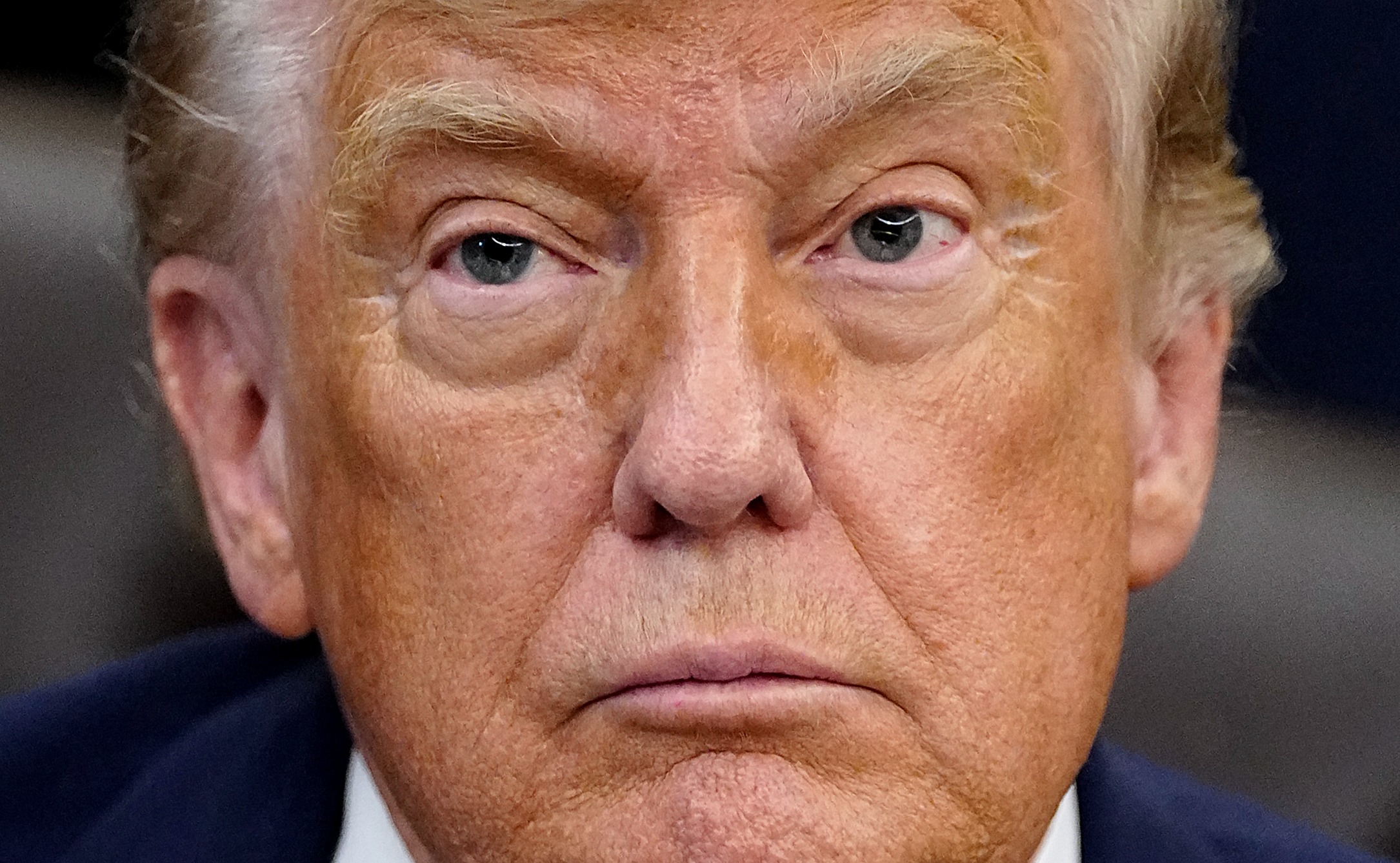
The Strait of Hormuz, a narrow waterway through which roughly 20% of global oil flows, has once again become a flashpoint in the US-Iran shadow war in the wake of the recent Middle East strike. On April 10, 2026, Trump publicly rebuked Iran, stating it was doing a "very poor job" of allowing oil tankers to transit freely and warning, "They better stop now" against imposing tolls—a move he framed as economic warfare. Reports from Yonhap, Newsmax, Times of India, and Anadolu Agency detail Trump's repeated assertions that Iran "better not be" charging fees, amid unconfirmed claims of disrupted tanker movements. Iran swiftly denied these allegations, with officials rejecting accusations of post-ceasefire missile strikes on Gulf states, as per Anadolu Agency.
This confrontation caps a week of volatile developments rooted in the April 9, 2026, timeline. Just 24 hours prior, a US-Iran truce had aimed to quell regional tensions following Israeli easing of wartime restrictions and school reopenings, per Xinhua. Yet, echoes of instability persist: Russian warships escorted sanctioned tankers through contested waters, Hungarian KFOR forces achieved full readiness in Kosovo, the UK issued dire warnings to Russia over Atlantic threats, and UK-Norway operations targeted Russian submarines. These events, confirmed across multiple outlets, painted a picture of interconnected provocations—from the Persian Gulf to the North Atlantic. For deeper insights into how the Middle East strike is influencing leadership ceasefires from figures like Putin, Netanyahu, and Trump, see our related analysis.
Trump's rhetoric arrives amid broader diplomatic maneuvers. His mulling of US troop withdrawals from Europe, as reported by Newsmax, strains NATO cohesion, while Türkiye's ruling party dismissed temporary Iran-US ceasefires as insufficient, per Xinhua. Beijing's calculations on the ceasefire ahead of Trump's China trip (AP News) and even Cuban President Díaz-Canel's rejection of Trump's resignation demands (Clarin) underscore a multipolar world where Middle East strike flare-ups test alliance fault lines. The surge of US isolationism further complicates these dynamics, reshaping alliances in 2026.
What sets this apart is its unique linkage to NATO-Russia dynamics. Unlike prior coverage fixated on environmental impacts—such as the environmental fallout after the Middle East strike—leadership personalities, or social media buzz like how social media amplifies Iran's maneuvers post-Middle East strike, this standoff reveals how Iranian boldness—potentially emboldened by Russian tanker escorts—mirrors Moscow's submarine forays. The UK's April 9 warnings on Atlantic threats parallel Hormuz disruptions, suggesting a pattern of hybrid threats designed to erode Western resolve. Hungarian KFOR readiness in Kosovo hints at NATO's pivot to multi-theater defense, while recent events like Putin's Ukraine ceasefire announcement (medium impact) and Canada's NATO reaffirmation signal fragile European stability now vulnerable to Gulf spillovers from the Middle East strike aftermath.
Confirmed: Trump's warnings (multiple sources), Iranian denials (Anadolu), recent truce (contextual from sources), and April 9 timeline events (integrated reports). Unconfirmed: Specific toll impositions or tanker blockages, though shipping disruptions are widely feared. Check the Global Risk Index for real-time updates on these escalating threats.
Policy-wise, this exposes US overstretch: Trump's Europe troop pull musings weaken NATO's eastern flank just as Hormuz tests resolve, forcing a reevaluation of "America First" in a interconnected threat environment triggered by the Middle East strike.
The Players
Donald Trump (US President): Motivations center on projecting strength post-truce, leveraging Hormuz as a leverage point ahead of his China trip. His warnings signal a return to maximum pressure, but troop withdrawal threats (Newsmax) reveal domestic political calculations to prioritize Asia-Pacific over Europe, straining NATO.
Iranian Leadership: Denials of tolls and missiles (Anadolu) aim to portray Tehran as a victim of US aggression, buying time amid economic woes. Historical patterns suggest proxy plays, with Russian escorts (April 9) emboldening hardliners against fragile ceasefires.
Russia: As a key enabler, Moscow's warship escorts and sub activities (UK-Norway ops) position it as Iran's shield, diverting NATO attention. Putin's Ukraine ceasefire masks revanchism, using Gulf tensions to probe Atlantic vulnerabilities.
NATO Allies (UK, Norway, Hungary, Canada): UK's Russia warnings and joint sub hunts underscore defensive posture; Hungary's KFOR readiness guards Balkans; Canada's support reaffirms commitment amid Trump's strains. Motivations: Preserve alliance unity against hybrid threats spilling from Middle East strike-related Middle East.
Türkiye's Ruling Party: Critique of ceasefires (Xinhua) reflects balancing act—NATO member wary of Iranian overreach but skeptical of US-led solutions. See West Bank settlements' role in Turkey's influence.
China and Others: Beijing eyes Trump trip (AP); Philippines' South China Sea base (timeline) and Taiwan's KMT boycott signal Indo-Pacific ripple effects.
These players navigate fracturing alliances: US unilateralism vs. NATO multilateralism, Iran-Russia axis vs. Western deterrence.
The Stakes
Politically, escalation risks unraveling the US-Iran truce, fracturing Gulf alliances and emboldening proxies like Houthis. For NATO, Hormuz parallels Russian Atlantic probes, potentially forcing resource reallocation—e.g., more Atlantic patrols amid Trump's Europe pullback, weakening Ukraine support.
Economically, Hormuz handles 21 million barrels daily; tolls or blockades could spike insurance premiums 300%, reroute tankers via Cape of Good Hope (adding 10-15 days), hitting Europe hardest (60% Gulf oil imports). Humanitarian: Shipping disruptions exacerbate Iranian sanctions' toll on civilians; Kosovo readiness guards against Balkan spillovers.
Geopolitically, stakes include alliance realignment—NATO "strategic awakening" via heightened patrols, risking Russia-Iran-BRICS deepening. Trump's China pivot could forge anti-Iran coalitions but alienate Europe. Long-term: Energy security erosion, accelerating renewables but inflating transition costs.
Confirmed risks: Truce fragility (Türkiye). Unconfirmed: Direct military clashes.
Market Impact Data
Markets are jittery, with oil leading risk-off moves. The World Now Catalyst AI predicts:
-
OIL: + (high confidence) — Ukrainian strike on Russian terminal plus Trump ultimatum curb supply via Hormuz risks. Precedent: 2019 Aramco attacks (+15% intraday). Key risk: De-escalation.
-
SPX: - (medium confidence) — Oil shocks and aviation/regulatory fears hit airlines (5-10% weight), dragging index ~2%. Precedent: 2019 Boeing groundings.
-
USD: + (low confidence) — Safe-haven flows on geopolitics. Precedent: 2022 Ukraine (+2% DXY).
-
BTC: - (medium confidence); ETH: - (medium confidence); SOL: - (low confidence); XRP: - (low confidence) — Crypto deleveraging as high-beta assets. Precedent: 2022 drops (10-15%).
-
TSM: - (low confidence) — Semis spill from trade fears. Precedent: 2022 (-5%).
Brent crude surged 4.2% to $92.50/bbl post-Trump remarks; SPX futures -1.1%; DXY +0.8%. Crypto: BTC -3.5% to $58k.
Predictions powered by The World Now Catalyst Engine. Track real-time AI predictions for 28+ assets at Catalyst AI — Market Predictions.
Looking Ahead
Short-term (days): Expect tanker tracking verification; NATO may boost Atlantic ops mirroring April 9 UK-Norway efforts. Trump could leverage China trip for anti-Iran pacts, per AP.
Medium-term (weeks): Escalation scenarios—NATO patrols surge, Russia escorts more tankers, sparking arms race; proxy missiles test truce. De-escalation: Temporary Hormuz pact, but Türkiye warns of recurrence.
Long-term: Middle East strike spillovers heighten NATO-Russia clashes—e.g., Baltic exercises amid troop pulls. Economic sanctions on Iran-Russia axis; energy pivot accelerates LNG deals. Key dates: Trump's China visit (imminent); NATO summit (Q2); Ukraine ceasefire review (post-April 9).
Policy implication: US must reconcile "America First" with alliance needs, lest Hormuz ignite multi-theater crisis, reshaping post-2026 order.
This is a developing story and will be updated as more information becomes available.
Catalyst AI Market Prediction
Our AI prediction engine analyzed this event's potential market impact:
- SPX: Predicted - (medium confidence) — Causal mechanism: Aviation safety event prompts regulatory reviews/groundings hitting airline stocks (5-10% S&P weight), compounded by oil shock risk-off sentiment. Historical precedent: March 2019 Boeing 737 MAX groundings caused affected airline stocks to fall 10-20%, dragging SPX ~2% lower initially. Key risk: If event deemed isolated with quick fixes, sector selling halts.
- USD: Predicted + (low confidence) — Causal mechanism: Geopolitical oil shocks drive safe-haven flows into USD as global funding currency amid supply fears. Historical precedent: February 2022 Ukraine invasion saw DXY rise ~2% in 48h on risk-off. Key risk: Sudden de-escalation shifts flows to risk assets.
- XRP: Predicted - (low confidence) — Causal mechanism: Geopolitical risk-off triggers crypto liquidation cascades, with XRP following BTC lead amid thin liquidity. Historical precedent: February 2022 Ukraine invasion dropped BTC/XRP ~10% in 48h initially. Key risk: Crypto decoupling if oil fears prove contained.
- TSM: Predicted - (low confidence) — Causal mechanism: Risk-off sentiment spills to semis via global trade fears from Mideast disruptions. Historical precedent: February 2022 Ukraine war saw TSM drop ~5% initially on supply chain worries. Key risk: China/Taiwan de-escalation boosts semis.
- OIL: Predicted + (high confidence) — Causal mechanism: Ukrainian strike on Russian oil terminal and Trump ultimatum threatening Iranian infrastructure directly curb global oil supply via disrupted terminal capacity and Hormuz chokepoint risks. Historical precedent: Similar to September 2019 Saudi Aramco drone attacks when oil surged over 15% in one day. Key risk: rapid repair announcements or de-escalation signals from Iran/US reduce supply fears immediately.
- SOL: Predicted - (low confidence) — Causal mechanism: High-beta crypto amplifies BTC risk-off selling from geopolitical shocks via leveraged liquidations. Historical precedent: February 2022 invasion dropped SOL ~15% in 48h tracking BTC. Key risk: Meme/altcoin rebound on oversold bounce.
- BTC: Predicted - (medium confidence) — Causal mechanism: Risk-off flows treat BTC as high-beta asset, triggering spot/futures selling on oil geopolitics. Historical precedent: February 2022 Ukraine invasion dropped BTC 10% in 48h before recovery. Key risk: Institutional dip-buying via ETFs reverses quickly.
- ETH: Predicted - (medium confidence) — Causal mechanism: Correlated to BTC risk-off unwind on geopolitical headlines via DeFi leverage. Historical precedent: February 2022 invasion dropped ETH ~12% in 48h. Key risk: Staking yields attract inflows countering selloff.
Predictions powered by The World Now Catalyst Engine. Track real-time AI predictions for 28+ assets.