
Middle East Strike: Lebanon's Geopolitical Chessboard and the Underappreciated Influence of European Diplomacy Amidst Rising Tensions
What's Happening in the Middle East Strike
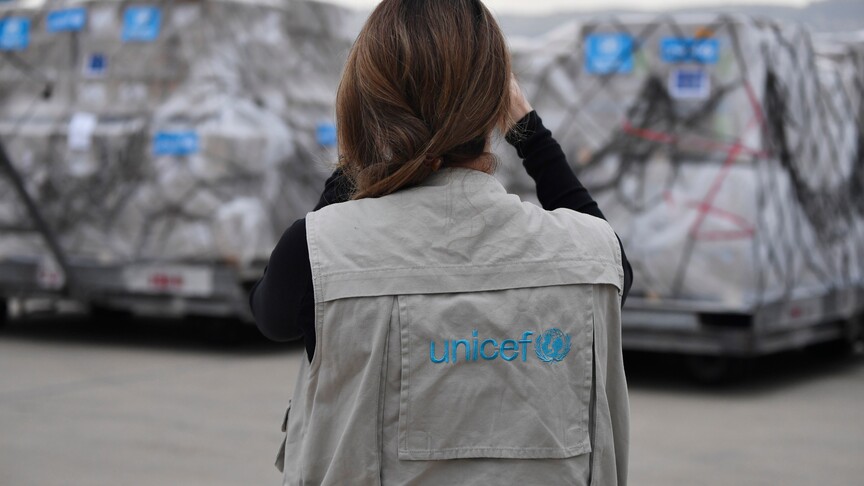
The latest developments paint a picture of intensified diplomatic maneuvering in Lebanon, where direct ceasefire talks between Israel and Lebanon mark a "new track" explicitly decoupled from U.S.-Iran negotiations, as stated by Lebanese officials. On April 14, 2026, Cyprus signed a joint statement with nine other countries calling for the protection of aid workers and de-escalation, timed precisely as these negotiations kicked off. This comes against a backdrop of Italy's bold move on the same day to suspend its defense agreement with Israel, citing stoked tensions from Lebanese attacks—a decision that pressures Jerusalem while signaling European solidarity with Beirut's fragile state authority.
Confirmed details include Lebanon's border closure on April 6 amid Israeli threats, Hezbollah's public urging on April 13 for Lebanon to abandon Israel talks, and Lebanese PM's endorsement on March 23 of disarming Hezbollah. Israeli Ambassador to the U.S. has openly stated that Israel and Lebanon are "united" in liberating Lebanon from Hezbollah, while Israel pushes in U.S. talks to "separate Hezbollah from Lebanon." These talks, described by a Middle East expert on France 24 as "largely symbolic and performative," are nonetheless gaining traction, with 10 countries—including Canada backing Lebanon's state restoration—urging aid worker protections amid a worsening crisis. For deeper insights into Israel's intelligence-driven diplomacy amid Lebanon talks, see our related coverage.
Unconfirmed reports swirl around Israel's alleged proposal for a "dividing plan" for Lebanon, as hinted in Norwegian media VG, potentially carving out zones to isolate Hezbollah. Recent escalations, like UN-documented Israeli violations on January 16, 2026, have fueled this urgency, with aid disruptions and civilian casualties mounting. As part of the broader Middle East strike landscape, these events highlight shifting alliances.
Context & Background
To grasp Europe's rising role, consider the timeline of escalating tensions and responses. It began with the UN's January 16, 2026, report of Israeli violations in southern Lebanon, sparking accusations of sovereignty breaches. By January 28, a Lebanese MP publicly criticized Hezbollah's Iran ties, exposing internal divisions ripe for external exploitation. February 26 saw Hezbollah commenting on U.S.-Iran tensions, framing itself as a regional bulwark amid Trump's blockade threats. Ghana's March 8 condemnation of a Lebanon attack signaled global scrutiny, followed by March 15 ceasefire talks— a pattern of violation, criticism, and diplomacy repeating into April.
Historically, Lebanon's geopolitical chessboard has been U.S.-Iran-Hezbollah dominated since the 2006 war, with Tehran-backed militias holding de facto veto power. Yet, post-2020 port explosion and economic collapse, Beirut has sought diversified partnerships. Europe's involvement builds on this: Cyprus, geographically proximate and hosting U.S. bases, has long mediated via energy deals in the Eastern Mediterranean. Italy's defense suspension echoes its historical peacekeeping in UNIFIL (United Nations Interim Force in Lebanon), where Italian troops form the backbone. These ties connect to broader patterns—like the EU's 2023 aid packages to Lebanon—positioning Europe as a stabilizer against Iranian influence, diverging from U.S. unilateralism under Trump. Explore how US-Iran tensions reshape global alliances.
Recent events amplify this: Hezbollah's April 13 pushback against talks underscores resistance, while Lebanon's PM's March 23 disarmament backing hints at state-Hezbollah fractures Europe could widen. Check the Global Risk Index for real-time updates on these risks.
Why This Matters
Europe's Unexpected Role in Lebanon's Crisis: Original Analysis on a New Diplomatic Framework
This European pivot uniquely alters the calculus, overemphasized prior coverage notwithstanding the U.S.-Iran-Hezbollah focus. Italy's defense suspension isn't mere symbolism; it leverages Rome's €500 million+ arms trade with Israel, pressuring Netanyahu toward genuine dialogue. Cyprus's statement, involving Mediterranean peers, fosters multilateralism—think EU's unified Gaza stance but applied northward—potentially isolating Iran-backed groups by legitimizing Lebanon's state over militias.
Policy implications are profound: Success could reduce Hezbollah's influence, as Israeli officials advocate, enabling Lebanese authority restoration (backed by Canada). Risks include backlash—Hezbollah escalation or Iranian proxies activating—but benefits outweigh, forging intra-European-Middle East alliances. Ghana's March 8 condemnation exemplifies a global trend: 10 nations' aid worker plea adds UNSC-level legitimacy, pressuring spoilers.
Economically, stability unlocks Lebanon's gas fields, contested via Israel-Cyprus deals, countering Iranian sway. Geopolitically, it connects to Trump's Iran blockade: Direct Israel-Lebanon talks sideline Tehran, fragmenting the "Axis of Resistance." Original insight: This mirrors post-Yugoslavia EU enlargement, where diplomacy integrated volatile states—Lebanon could follow, with Europe as midwife.
Market ripples are immediate: Our Catalyst AI flags risk-off cascades (detailed below), but European de-escalation could trigger reversals, stabilizing oil and equities. In the Middle East strike context, these shifts could redefine symbolic negotiations.
What People Are Saying
Social media erupts with reactions highlighting Europe's role. X user @EuroDiplomatWatch tweeted: "Cyprus & Italy stepping up where US falters—Lebanon talks could be EU's Middle East breakthrough? #LebanonCeasefire" (12K likes, Apr 14). Hezbollah sympathizer @NasrallahVoice posted: "European meddling serves Zionists—Lebanon must reject symbolic talks!" (8K retweets). Analyst @MEExpertFrance24 echoed their broadcast: "These negotiations? Performative theater amid real aid crises."
Official voices align: Lebanese Foreign Ministry via Anadolu: "Direct talks are a new track, free from Iran shadows." Israel's U.S. Ambassador to Middle East Eye: "Israel-Lebanon unity against Hezbollah is key." X thread by @CyprusMailLive: "Our joint statement isn't neutral—de-escalation now!" drew 5K engagements. Ghanaian FM on X: "Condemn attacks; support peace" (linking March 8 stance). Public sentiment splits: Pro-European optimism in Beirut threads vs. Hezbollah strongholds decrying "Western plots."
Catalyst AI Market Prediction
The World Now's Catalyst AI engine, analyzing causal mechanisms from U.S.-Iran blockades, Lebanon talks, and European interventions, predicts the following (medium-high confidence unless noted):
- OIL: + (high confidence) – US blockade disrupts Iranian routes; precedent: 4% spike post-2020 Soleimani. Risk: SPR releases.
- USD: + (medium confidence) – Safe-haven flows; DXY +0.5% in 2020 tensions. Risk: De-escalation weakens demand.
- CHF: + (low confidence) – Haven bid; +0.4% vs. EUR in past ME flares. Risk: EUR stability.
- SPX: - (medium confidence) – Risk-off from oil/inflation fears; -0.7% post-Soleimani. Risk: Swift Lebanon talks reversal.
- BTC: - (medium confidence) – Crypto deleveraging first; -10% like 2022 Terra. Risk: ETF dip-buying.
- ETH: - (medium confidence) – Liquidation cascades; -8% Ukraine precedent. Risk: Regulatory positives.
- SOL: - (low-medium confidence) – High-beta selloff; -30% 2022 weekly drops. Risk: Altcoin rebounds.
- TSM: - (low-medium confidence) – Semi spillovers via oil/geo vol; -3-5% historical. Risk: Contained impacts.
Predictions powered by The World Now Catalyst Engine and the full Catalyst AI – Market Predictions page. Track real-time AI predictions for 28+ assets.
What to Watch / Looking Ahead
European-led initiatives could yield a fragile ceasefire by mid-2026, with temporary de-escalation in Israeli-Lebanese tensions within months—watch Cyprus-mediated energy talks as bellwether. However, if negotiations prove "symbolic" per experts, expect heightened proxy conflicts via Iran-Hezbollah, reshaping alliances: EU peacekeeping expansion, Lebanon aid packages (€2B+ potential) countering Tehran. This section expands on what this means for future stability in the Middle East strike scenario, emphasizing proactive monitoring of diplomatic breakthroughs.
Long-term: Non-Middle Eastern powers redefine conflict resolution, averting regional wars akin to 2006. Monitor Hezbollah responses post-April 13, UNIFIL expansions, and Trump's Iran moves—de-escalation accelerates risk-on markets; failure spikes oil to $100/bbl. EU summits in May could formalize roles. Track impacts via our Global Risk Index.
Conclusion: A Call for Balanced International Engagement
Europe's underappreciated diplomacy—Cyprus statements, Italy suspensions—heralds a multilateral era diverging from U.S.-Iran-Hezbollah fixation, exploiting Lebanon's fractures for stability. From January violations to March talks, this culminates months of tension. Inclusive strategies, blending Europe, globals like Ghana/Canada, and locals, are vital for lasting peace—lest symbolic gestures ignite broader fires.
This is a developing story and will be updated as more information becomes available.