Geopolitics global energy supplies face strain from Middle East war per IMF and World Bank
In geopolitics global energy supplies face strain from the ongoing war in the Middle East, according to warnings issued by the heads of the International Monetary Fund, World Bank, International Energy Agency and World Trade Organization. These institutions stated on Friday that the conflict is placing pressure on worldwide energy flows while affecting the most vulnerable economies to the greatest degree.
Global Energy Supplies Under Pressure
The heads of the International Monetary Fund, World Bank, International Energy Agency and World Trade Organization issued a joint warning that the war in the Middle East is straining global energy supplies [1]. Their assessment points directly to disruptions that have already begun to affect availability and pricing across multiple regions. The statement emphasizes that these pressures are not isolated but form part of broader supply chain challenges tied to the conflict. Institutions involved noted that the effects extend beyond immediate energy markets and reach into trade and financial stability concerns. This coordinated message from major global bodies underscores the scale of the issue as described in official remarks released on Friday [1].
Warnings from Major Financial Institutions
International Monetary Fund and World Bank leaders joined counterparts from the International Energy Agency and World Trade Organization in highlighting how the Middle East war is hitting vulnerable economies hardest [1]. The warning specifies that nations with limited buffers against price volatility or supply interruptions face the most severe consequences. Details from the announcement indicate that energy supply strains are occurring alongside wider economic vulnerabilities that these institutions monitor regularly. The focus remains on the direct link between the conflict and energy availability rather than secondary factors. Such alerts from these organizations carry weight because they draw on extensive data collection across member states [1].
Geopolitics Global Energy Challenges from Middle East Conflict
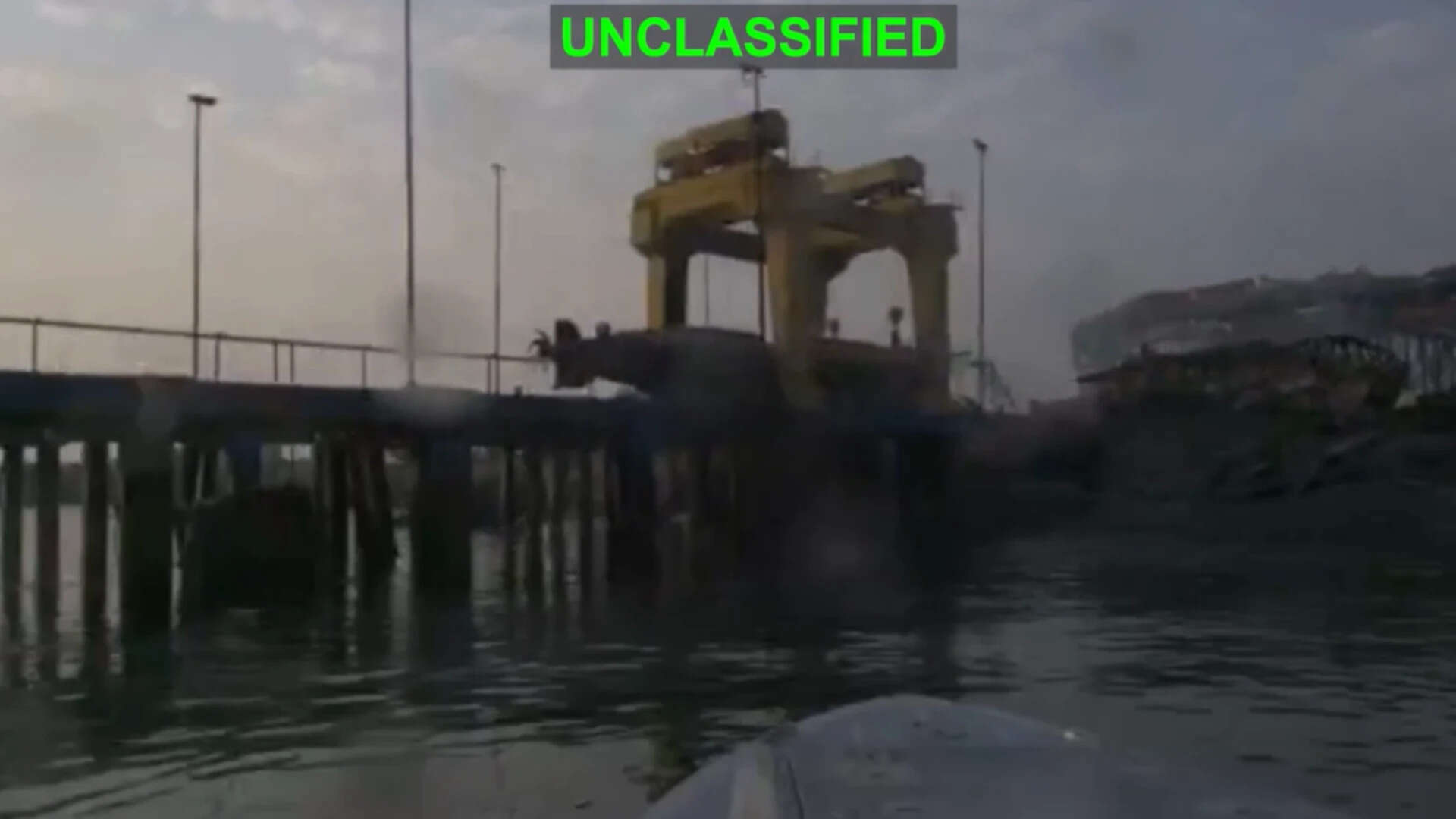
Rising instability around the Strait of Hormuz adds another layer to the energy supply concerns already flagged by the International Monetary Fund and World Bank [1][3]. Benjamin Netanyahu observed that such tensions could accelerate a global shift toward alternative energy and trade routes [3]. Iran's threats to close the Strait of Hormuz involve the use of kamikaze boats that are small, fast and difficult to target, creating additional risks to energy transit [5]. These elements combine with the core warning from global institutions that the Middle East war is straining supplies and affecting vulnerable economies most [1]. The overall picture shows how localized naval threats intersect with the broader institutional assessment of energy pressures.
What to watch next: Continued developments around the Strait of Hormuz and any further statements from the International Monetary Fund or World Bank on energy supply impacts.