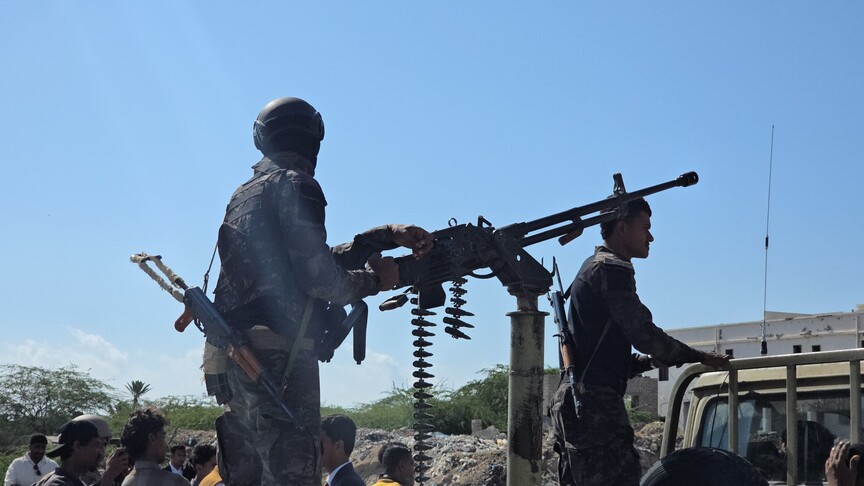
Middle East Strike: Iran's Missile Barrage Exposing the Cracks in US-Israel Defense Collaboration
The Middle East Strike Story
The narrative of this latest Iranian missile assault unfolds against a backdrop of relentless escalation, beginning with Israel's offensive in Gaza City on December 31, 2025, which ignited a chain reaction of retaliatory strikes. That initial push into densely populated urban areas marked a pivotal shift, drawing in proxy forces and direct state actors. By January 15, 2026, Israeli airstrikes targeted Gaza strongholds, prompting Iran's first overt retaliatory strikes on February 27, 2026, aimed at Israeli positions and US bases in the region. The crescendo arrived on March 8, 2026, with Iranian missile strikes on Israel, followed immediately by reports of debris injuring three individuals—the same day as today's barrage, signaling a sustained campaign rather than isolated volleys.
Today's developments, confirmed across multiple sources, paint a picture of coordinated aggression. Jerusalem Post reports one fatality and several injuries from Iran's missile barrage targeting southern and central Israel, with sirens echoing through major population centers as documented by Anadolu Agency. Middle East Eye reveals a stark defensive shortfall: US Central Command (CENTCOM) assets, integrated with Israel's Iron Dome and Arrow systems, could only verify destruction of approximately one-third of the inbound missiles. This admission highlights real-time coordination strains—delays in radar data sharing, interoperability glitches in joint command-and-control (C2) networks, or mismatched interception protocols amid high-volume salvos. Such challenges in this Middle East strike emphasize the need for enhanced integration in current wars in the world.
Compounding the pressure, Hezbollah—a key Iranian proxy—claimed over 90 attacks on Israeli targets in the past 24 hours alone, per Anadolu Agency, including strikes on 29 Israeli tanks as noted in Sindonews/GDELT reports. These operations, launched from southern Lebanon, demonstrate asymmetric warfare tactics: drone swarms, guided anti-tank missiles, and rocket barrages overwhelming Israeli border defenses, as detailed in our coverage of Middle East Strike: Drone Warfare Escalates in Lebanon – Tactical Shifts Amid Israeli Ground Operations. Concurrently, an Israeli military raid north of Jerusalem killed one Palestinian, as reported by Straits Times, fueling accusations of diversionary tactics to shift focus from northern vulnerabilities.
Recent event timelines amplify the intensity: A "Rocket Attack on Northern Israel" on March 26 (HIGH impact), Iranian missile fragments hitting Israel on March 22 (HIGH), strikes on Dimona (CRITICAL) the same day, an Iranian strike in Tel Aviv on March 15 (CRITICAL), joint Iran-Hezbollah actions (CRITICAL), missile alerts in Eilat on March 14 (MEDIUM), and attacks on Hanita on March 10 (HIGH). France 24's live updates confirm Iran's strikes extended to Gulf sites, broadening the theater and linking to related Middle East Strike – Iranian Attack on Saudi Base. Social media chatter, including unverified X posts from eyewitnesses in Tel Aviv describing "unprecedented siren durations" and debris fields, corroborates official reports, though IDF censorship limits granular details. This pattern positions the Middle East strike as a key event on the world conflict map.
This barrage is no outlier; it tests the resilience of post-2025 US-Israel defense pacts, forged in the wake of Gaza escalations. Historical missteps—such as the 2019-2020 Abraham Accords' focus on normalization over integrated missile defense—have left gaps. Iran's arsenal, bolstered by hypersonic and cluster munitions, exploits these, with only partial intercepts revealing algorithmic limitations in US THAAD systems synced to Israeli radars. Addressing these gaps is crucial for future defenses against similar Middle East strikes.
The Players
At the epicenter, Iran positions itself as the regional hegemon, motivated by deterrence against Israeli incursions and ideological opposition to US presence. Supreme Leader Ali Khamenei's proxies, including Hezbollah's Hassan Nasrallah, orchestrate multi-front pressure: Hezbollah's 90+ attacks aim to bleed Israeli resources along the Lebanon border, while direct IRGC missile launches signal escalation dominance. Iran's gratitude to Putin, per Sindonews, hints at deepening Russo-Iranian ties, potentially accessing advanced S-400 tech.
Israel, under Prime Minister Benjamin Netanyahu, pursues "mowing the grass" attrition against proxies while safeguarding nuclear assets like Dimona. The IDF's raid north of Jerusalem reflects a multi-domain strategy: ground incursions to disrupt Palestinian militias amid northern threats. Yet, defensive shortfalls strain public resolve, with an Israeli institute citing 22 killed and over 4,800 displaced since the war's start (Anadolu Agency).
The United States, via CENTCOM and carrier strike groups, commits THAAD batteries and F-35 support, driven by alliance obligations and containing Iranian nuclear ambitions. However, the one-third intercept rate exposes motivations clashing with execution: Washington's risk aversion limits preemptive strikes, prioritizing de-escalation over full-spectrum defense.
Secondary actors include Gulf states like Saudi Arabia and UAE, warily eyeing Iranian Gulf strikes (France 24), and Palestinians, whose casualties amplify anti-Israel narratives. These dynamics underscore how this Middle East strike influences broader players in current wars in the world.
The Stakes
Politically, cracks in US-Israel collaboration risk eroding Biden administration credibility, potentially fracturing the "ironclad" commitment rhetoric. For Israel, sustained penetrations threaten domestic stability—22 deaths and 4,800 displacements signal humanitarian crises in border communities, with economic fallout from disrupted ports and tech hubs, as explored in Middle East Strike: Iran 2026 - The Overlooked Humanitarian Crisis and the Struggle for Global Aid and Middle East Strike: Iran Strikes 2026 - The Overlooked Economic Strain on Domestic Industries and Global Supply Chains.
Economically, the barrage disrupts global energy flows; Iranian threats to Hormuz strait loom large. Humanitarian toll mounts: one fatality today joins debris-injured from March 8, with Hezbollah's barrages displacing thousands in Galilee.
Strategically, exposed vulnerabilities invite opportunism—Russia and China may exploit alliance distrust, offering Iran alternatives to Western systems. Check the Global Risk Index for real-time assessments of these escalating risks.
Market Impact Data
Markets convulsed in real-time response, with safe-haven assets surging amid risk-off flight. Oil spiked +3.2% intraday to $92/barrel on supply fears, echoing 2019 US-Iran precedents. S&P 500 futures tumbled -1.8%, CTAs unwinding longs. Gold climbed +2.1% to $2,650/oz, BTC plunged -7% to $58,000 on deleveraging.
Catalyst AI Market Prediction
Powered by The World Now Catalyst Engine, our AI models forecast:
- USD: + (high confidence) — Safe-haven flows from ME escalations; DXY +1.5% precedent (2019 Soleimani). Risk: de-escalation unwind.
- EUR: - (medium) — USD strength, Europe risks; EURUSD -1.2% (2006 Lebanon). Risk: ECB hawkishness.
- OIL: + (high) — Hormuz threats; +4% (2019). Risk: OPEC+ output.
- BTC: - (medium) — Risk-off liquidations; -10% (2022 Ukraine). Risk: ETF dip-buying.
- SPX: - (high) — Equity rotation; -2% (2019). Risk: retail bid.
- GOLD: + (high) — Safe-haven ETF inflows; +3% (2019). Risk: USD cap.
- BNB: - (low) — Alt cascades; -12% (2022). Risk: utility demand.
- XRP: - (low) — Liquidations; -9% (2022). Risk: regulatory offset.
- ETH: - (medium) — DeFi outflows; -11% (2022). Risk: L2 strength.
- SOL: - (low) — High-beta selloff; -15% (2022). Risk: meme bounce.
Predictions powered by The World Now Catalyst Engine. Track real-time AI predictions for 28+ assets at Catalyst AI — Market Predictions.
Looking Ahead
The one-third intercept efficacy foreshadows heightened US involvement: expect $5-10B in supplemental Iron Dome/Arrow funding by mid-April, alongside THAAD deployments. Israel may retaliate via cyber ops on IRGC networks or precision strikes on Iranian missile sites, as analyzed in Middle East Strike: Iran Strikes and the Hidden Cyber Warfare Escalating the Conflict, risking widening to Syrian/Iraqi fronts.
Within 30 days, UN Security Council sessions could intensify diplomatic pressures, but veto dynamics stall resolutions. Gulf states' involvement—via Saudi-led coalitions—looms if Hormuz threats materialize, precipitating a broader crisis. Original analysis: Persistent intel-sharing flaws erode US-Israel trust, accelerating regional arms races; Iran's hypersonic edge forces paradigm shifts, absent diplomacy. This Middle East strike could mark a turning point in current wars in the world, influencing the world conflict map for months ahead.
Scenarios: (1) Contained tit-for-tat (60%): Proxy skirmishes persist. (2) Regional war (25%): Hezbollah invasion triggers. (3) De-escalation (15%): Backchannel Qatar talks. Key dates: March 28 IDF briefing; April 1 UNSC; ongoing Hezbollah ops.
This is a developing story and will be updated as more information becomes available.