
Iran Conflict Escalates with US-Iran Shots Fired in Strait of Hormuz
The US and Iranian militaries have traded shots in the Strait of Hormuz, escalating tensions amid the ongoing Iran conflict.[4][2] Shipping through the Strait of Hormuz has been severely disrupted since late February due to the conflict,[1] prompting Iraq to cut crude oil prices by over $30 per barrel in response to these disruptions.[1] A ceasefire between the US and Iran is teetering on the edge,[2] with President Trump announcing "Project Freedom" to escort vessels through the strait.[2] Meanwhile, the crisis in Iran has widened into a nationwide complex emergency, affecting more people across the country.[3]
Recent Military Exchanges
The latest clashes between US and Iranian forces in the Strait of Hormuz mark a significant escalation in the Iran conflict, with direct exchanges of fire reported on Monday.[2][4] According to reports, the US and Iranian militaries traded shots, heightening tensions in this critical waterway.[4] This incident occurred just a day after President Donald Trump announced "Project Freedom," an operation aimed at escorting trapped vessels through the strait, signaling the fragility of the existing ceasefire between the two nations.[2] France 24 coverage highlighted how these renewed hostilities threaten to reignite broader war with Iran, as the ceasefire was already described as teetering.[2]
These military exchanges carry immediate implications for regional stability and global trade routes. The Strait of Hormuz, a chokepoint for a significant portion of the world's oil supply, has now become an active flashpoint once again.[1][2] The timing of the shots fired aligns with ongoing disruptions that began escalating toward the end of February, where shipping faced severe interruptions due to the conflict.[1] CNN's report emphasized the direct trading of shots between the militaries, underscoring the rapid intensification of tensions.[4] Such actions not only challenge the ceasefire's viability but also raise concerns about potential wider confrontations, as the US moves to protect commercial shipping amid Iranian opposition.[2]
In detail, the exchanges reflect a pattern of tit-for-tat engagements that have persisted despite diplomatic efforts. The France 24 analysis by Philip Turle points to the strategic nature of the strait, where these clashes unfolded, directly linking them to the announcement of "Project Freedom" as a US countermeasure.[2] This operation, launched to safeguard vessels trapped by the disruptions, illustrates the immediate military response to Iranian actions.[2] The implications extend to naval postures, with both sides positioning forces in close proximity, increasing the risk of miscalculation.[4] Reports confirm that these shots were not isolated but part of a sequence tied to the broader conflict dynamics since late February.[1][2]

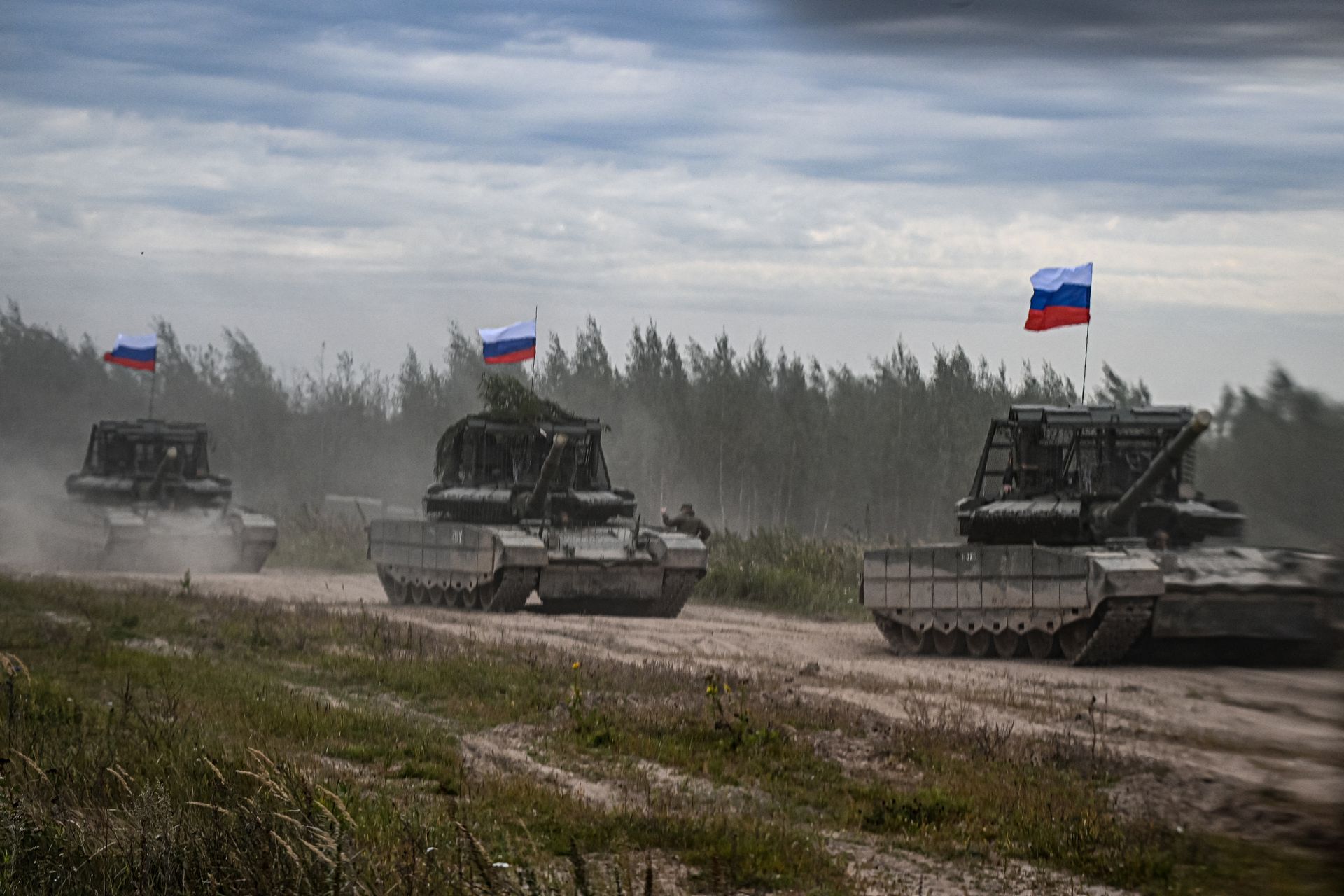
US and Iranian naval vessels clash in the Strait of Hormuz. — Source: france24
Disruptions in Shipping and Oil Markets
Shipping through the Strait of Hormuz has been severely disrupted since the conflict escalated toward the end of February, with renewed clashes on Monday exacerbating the situation.[1][2] These interruptions have had a direct ripple effect on global oil markets, leading Iraq to cut crude prices by over $30 per barrel.[1] The Times of India report warns buyers to beware despite the steep discounts, attributing the price slash to the ongoing shipping woes in the strait caused by the conflict.[1]
The impact on shipping routes is profound, as the Strait of Hormuz serves as a vital artery for oil exports from the Middle East. Disruptions since late February have forced rerouting and delays, compounding logistical challenges for tankers and commercial vessels.[1] France 24 notes that vessels are now trapped, prompting the US "Project Freedom" initiative as a direct response.[2] This operation aims to escort ships through the contested waters, highlighting how military tensions are strangling maritime traffic.[2] The combination of these factors has created a bottleneck, with fresh concerns arising from Monday's clashes between US and Iranian forces.[1][2]
Oil markets have reacted sharply to these developments. Iraq's decision to reduce crude prices by more than $30 per barrel is explicitly linked to the Hormuz disruptions, offering discounts that reflect oversupply fears amid stalled exports.[1] However, the report cautions that such deals come with risks for buyers, given the volatility introduced by the conflict.[1] The interplay between shipping halts and price adjustments underscores the economic fallout, where regional producers like Iraq are compelled to compete aggressively to maintain market share.[1] Renewed US-Iran fire has only intensified these pressures, threatening further market instability.[2]
These disruptions illustrate the interconnectedness of military actions and economic consequences. Since the end of February, the conflict's escalation has progressively choked the strait, leading to the current crisis where even escorted passages are under consideration.[1][2] The over $30 per barrel cut by Iraq serves as a barometer of the severity, signaling distress in the supply chain that could persist if clashes continue.[1]
Evolution of the Crisis in Iran
The crisis in Iran, initially presented as a more localized emergency, has evolved into a nationwide complex emergency due to continued escalation of hostilities and a widening geographical scope.[3] This transformation has significantly increased the number of people affected across the country, prompting a revised operational strategy from the International Federation of Red Cross and Red Crescent Societies.[3]
ReliefWeb's documentation details how what began as a contained issue has expanded dramatically. The operational strategy revision is driven by three key factors: the ongoing escalation of hostilities, the broadening of the crisis's geographical footprint, and the surge in affected populations.[3] No longer confined to specific areas, the emergency now encompasses the entire nation, reflecting the deepening impact of the conflict.[3] This nationwide scope complicates humanitarian responses, as resources must be stretched across diverse regions.[3]
The evolution traces back to the intensification of hostilities, which have paralleled events in the Strait of Hormuz and beyond. The report emphasizes that the crisis's expansion is not abstract but measurable in the rising numbers of those in need, transforming a localized response into a comprehensive national effort.[3] This shift underscores the humanitarian dimensions of the broader Iran conflict, where military engagements have spillover effects on civilian populations.[3]
In practical terms, the revised strategy addresses these changes head-on, adapting to the new reality of a complex emergency spanning Iran.[3] The document, sourced from the International Federation of Red Cross and Red Crescent Societies, provides a clear timeline of progression, from initial localization to current nationwide status.[3] This escalation aligns with external pressures, including maritime disruptions and military exchanges, amplifying internal strains.[1][3]

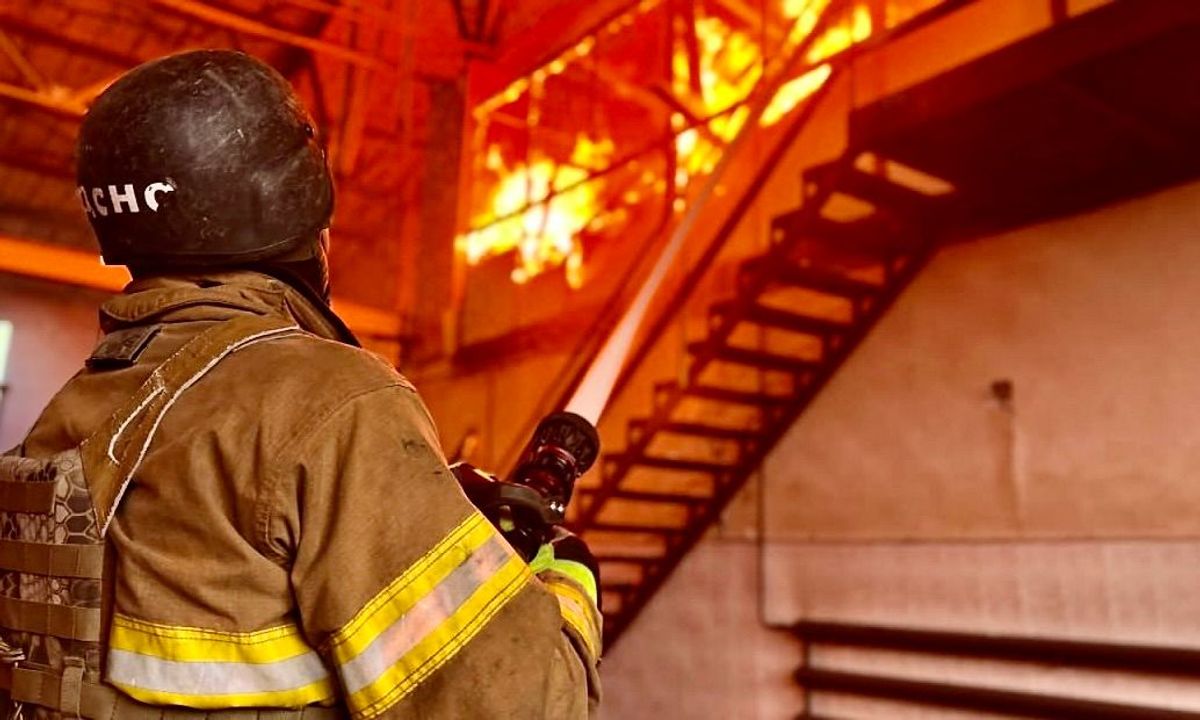
US and Iranian forces exchange fire in the Strait of Hormuz amid escalating conflict. — Source: reliefweb
International Actions and Responses
International responses to the escalating situation center on efforts like President Trump's "Project Freedom," announced a day before the latest US-Iran fire in the Strait of Hormuz.[2] This operation is designed to escort trapped vessels through the strait, directly addressing the ceasefire's teetering status amid traded shots.[2]
France 24 reports frame "Project Freedom" as a pivotal US initiative to counter Iranian threats and restore safe passage.[2] Launched amid warnings of reignited war, it represents a proactive military commitment to protect commercial interests in the disrupted waterway.[2] The timing— just prior to Monday's clashes—highlights the urgency, as the ceasefire hangs in the balance.[2]
These actions signal coordinated international attention to the strait's strategic importance. By escorting vessels, "Project Freedom" aims to mitigate the disruptions that have persisted since late February, offering a pathway to normalize shipping.[2] Philip Turle's analysis in France 24 connects this to the broader context of traded fire, positioning it as both a defensive and deterrent measure.[2]
Background of Escalating Hostilities
The background of escalating hostilities provides essential context for the current tensions in the Iran conflict, tracing a timeline from late February disruptions to recent military exchanges.[1][2][3][4] Shipping through the Strait of Hormuz faced severe interruptions as the conflict intensified toward the end of February, setting the stage for subsequent developments.[1]
This period marked a turning point, with hostilities broadening in scope. Iraq's crude oil price cuts of over $30 per barrel were a direct economic response to these maritime chokepoints.[1] Concurrently, the crisis within Iran evolved from localized to nationwide, driven by escalating hostilities and increased affected populations.[3] ReliefWeb's revised strategy captures this shift, noting the widening geographical impact.[3]
By Monday, the situation had reached a fever pitch, with US and Iranian militaries trading shots in the strait.[2][4] CNN's report on these exchanges underscores the escalation in tensions.[4] The ceasefire, already fragile, teetered further as President Trump unveiled "Project Freedom" to escort vessels.[2] France 24 links these events, portraying a sequence where initial disruptions snowballed into direct confrontations.[2]
The timeline reveals interconnected escalations: February's shipping woes [1], Iran's internal crisis expansion [3], Trump's announcement [2], and Monday's clashes [4]. Each phase built upon the last, from economic strains like Iraq's price slash [1] to humanitarian complexities [3] and military responses [2]. This progression highlights how early conflict dynamics in the strait fueled broader hostilities.[1][2]
Renewed concerns from the clashes tie back to the ceasefire's inception, now under severe strain.[2] The strategic strait remains central, with disruptions persisting and implications growing.[1] Hostilities have not abated but intensified, as evidenced by the operational strategy revisions and direct fire.[3][4]
What to watch next: Monitor the implementation of "Project Freedom" for signs of further US-Iran clashes in the Strait of Hormuz, the status of the teetering ceasefire, and any progression in Iran's nationwide complex emergency.[2][3]