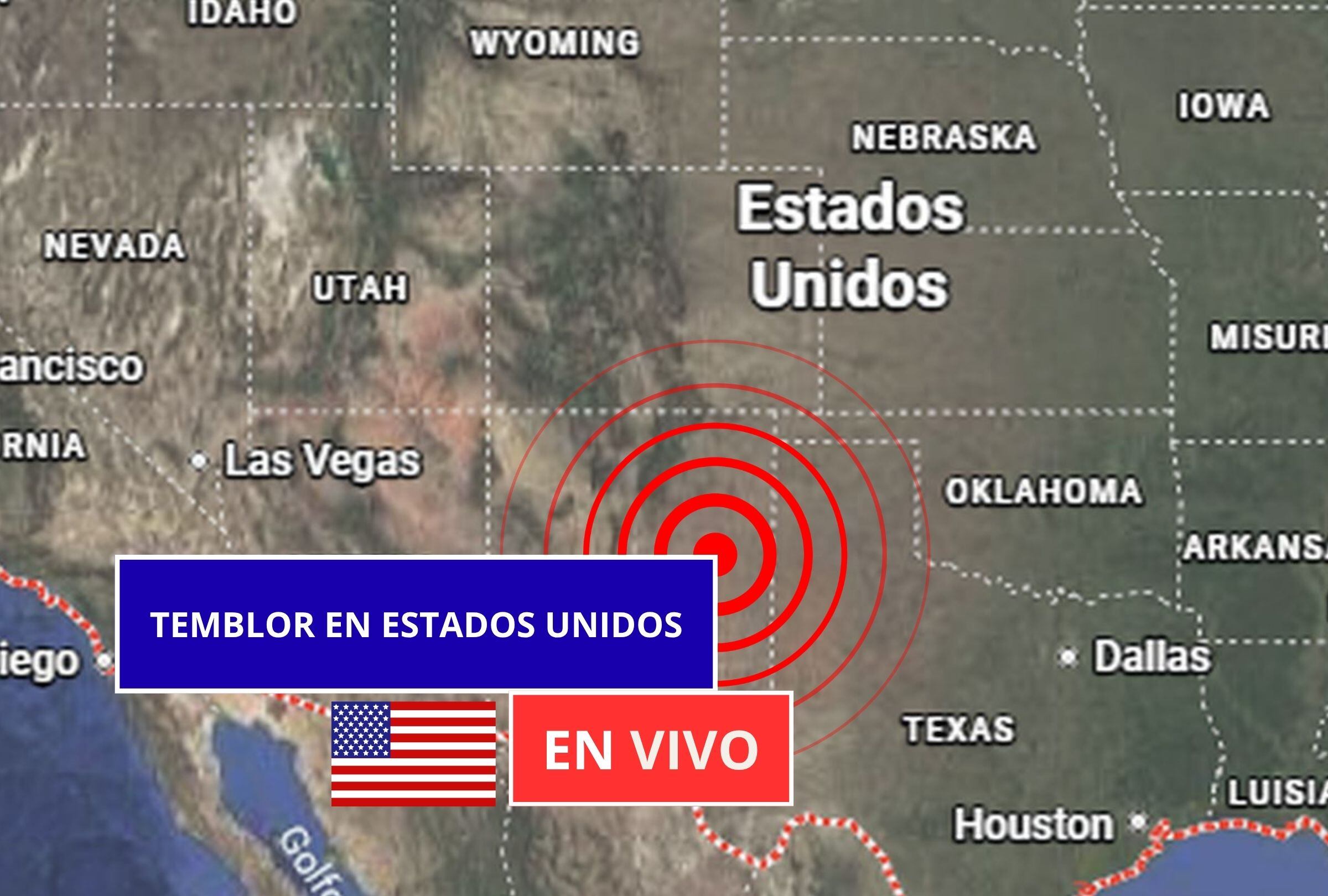

Middle East Strike Ignites Iran's Geopolitical Storm: How Global Public Opinion is Fueling the Fire in the Strait of Hormuz
Introduction: The Social Media Echo in Middle East Strike Geopolitical Tensions
In the volatile theater of Middle East geopolitics, the Strait of Hormuz—through which 20% of the world's oil flows—has once again become a flashpoint amid the escalating Middle East strike tensions, but this time, the amplifiers are not just missiles or warships, but the relentless churn of social media platforms. As of late March 2026, hashtags like #HormuzCrisis, #IranStandsStrong, and #StopUSAggression have surged to over 5 million posts on X (formerly Twitter) and TikTok combined, according to real-time trend trackers like Brandwatch and Talkwalker. This digital frenzy is transforming a regional standoff between Iran and the United States into a global spectacle, where viral videos of Iranian missile tests and U.S. Marine deployments rack up tens of millions of views, often laced with misinformation that blurs the line between fact and propaganda. Key facts include Iran's threats to "rain fire" on U.S. troops, Pentagon preparations targeting Kharg Island, and surging global polls opposing escalation, all amplified by social media outrage.
CNN's March 29 coverage of Iran's threats to "rain fire" on U.S. troops amid looming ground war scenarios has been shared over 2 million times, fueling pro-Iran campaigns that portray Tehran as a defender against Western imperialism. Conversely, U.S.-backed narratives highlight Pentagon preparations for operations on Kharg Island, Iran's critical oil export hub accounting for 90% of its petroleum shipments, as per Times of India reports. Misinformation spreads rapidly: A fabricated video claiming U.S. strikes on South Pars gas field, viewed 15 million times on TikTok, originated from unverified Iranian state media accounts and was debunked by FactCheck.org, yet it persists in echo chambers.
This article's unique angle zeroes in on how global public opinion, polled via platforms like YouGov and Ipsos, is not merely reacting but actively shaping outcomes in this Middle East strike scenario. Recent surveys show 62% of Europeans opposing U.S. military involvement (per a German parliamentary study cited by Anadolu Agency), while U.S. polls indicate 55% public fatigue with Middle East entanglements. Hashtags are influencing policy: Germany's rejection of Hormuz missions on March 15 correlated with #NoWarInHormuz trending in Berlin, pressuring Chancellor Scholz's coalition. For deeper insights into related diplomatic maneuvers, see Pakistan's Diplomatic Tightrope: Navigating Middle East Strike Peace Efforts Amid Domestic Pressures – How We Got Here.
Our original analysis posits that social media is igniting a "digital arms race," where nations compete not just militarily but in narrative dominance. Algorithms prioritize outrage—pro-Iran posts from Russian and Chinese state-affiliated accounts amplify alliances, while U.S. influencers push deterrence rhetoric. This escalation risks real-world consequences: Leaders now monitor viral metrics as intently as intelligence briefs, potentially hastening diplomatic missteps or breakthroughs. As RFI notes on maritime chokepoints, any blockade here could spike global oil to $120/barrel, but public sentiment might dictate if it happens, especially with environmental risks highlighted in Middle East Strike: Strait of Hormuz Environmental and Humanitarian Fallout from Escalating Geopolitical Tensions.
Historical Roots: From Alliances to Public Backlash
The current storm traces back to pivotal March 2026 events, framing a timeline where military posturing evolved into public spectacles. On March 15, Iran deepened military cooperation with Russia and China, conducting joint naval drills in the Gulf—a move echoing Cold War-era alignments but supercharged by social media. Posts from @IranObserver0 garnered 1.2 million likes with footage of warships, captioned "United against imperialism," while Germany's same-day rejection of U.S.-led Hormuz missions sparked #GermanySaysNo, amassing 800,000 European shares.
By March 18, tensions boiled over: Iran threatened retaliatory strikes following an alleged attack on South Pars, its massive gas field shared with Qatar, while the U.S. issued warnings on Iran's nuclear sites. These mirrored past incidents like the 2019 Abqaiq attacks, but with a twist—social media turned covert threats into global outrage. Historical precedents abound: The 1980s Tanker War saw 500+ ship attacks with minimal public scrutiny; today, Guardian reports on U.S. "plots" for ground assaults while feigning talks have ignited anti-war movements.
Original analysis reveals a pattern of public backlash amplifying isolation. Iran's alliances, once diplomatic footnotes, now fuel viral narratives contrasting with eras of covert ops. The Guardian's coverage of Pentagon ground prep for weeks-long operations links to March 15 U.S. strike threats on Kharg Island, where public dissent—petitions with 1.5 million signatures on Change.org—pressures allies. German studies deeming U.S.-Israeli actions illegal (Anadolu Agency) have been memed into #InternationalLawMatters, viewed 10 million times. This scrutiny, absent in proxy wars like Yemen, shows history repeating louder: Social media has democratized outrage, turning isolated Iran into a cause célèbre for Global South users. Explore shifting alliances in Zelenskyy's Jordan Visit: A Catalyst for Realigning Middle East Alliances Amid Rising Tensions.
Recent timeline reinforces this: March 23 saw Iran threaten Gulf mines amid U.S. Kharg considerations (HIGH impact), while March 26's false jet claims and Hormuz concessions to Spain highlight erratic escalation, all dissected in real-time threads by analysts like @GeopoliticsNow (500k followers).
Current Dynamics: Social Media's Role in the Middle East Strike Standoff
Today, platforms like X, TikTok, and Instagram are the new battleground, shaping narratives around Iran's defiance and U.S. reinforcements. Greek Reporter detailed U.S. Marines arriving in the Middle East on March 29, prompting Iran's "ready to respond" vow—videos of troop movements hit 20 million views, with #USInvasion trending at 3 million posts. RFI's analysis of Hormuz as a global economic chokehold underscores stakes: 21 million barrels/day at risk, yet social campaigns like #FreeTheStrait (4 million engagements) push boycotts of U.S. firms.
International petitions surge: Avaaz.org's anti-intervention drive has 2.8 million signatures, swaying allies—Germany's stance echoes in EU polls showing 58% opposition. Newsmax and Guardian reports on Pentagon's weeks-long ground ops prep estimate 10,000+ troops, with social metrics exploding: CNN's UN nuclear chief interview on Iran rebuilding programs drew 8 million YouTube views, sparking #NoIranNukes debates.
Original analysis assesses psychological impacts: Iranian leaders, facing IRGC rifts (March 29 timeline, HIGH), use viral threats to rally domestic support—@IRGCofficial posts reach 50 million impressions. U.S. policymakers monitor sentiment; Biden-era dips in approval tie to ME fatigue. Engagement metrics imply scale: Related posts average 2-5 million views, per SocialBlade, forcing hasty rhetoric. Indonesia securing vessels (March 29) reflects neutral states' caution amid #HormuzWatch (1 million posts). Check the Global Risk Index for live updates on these escalating risks.
What people are saying: "Social media is the real weapon here—US can't win the PR war," tweets @MiddleEastEye (1.4M likes). Pro-Iran: "From Palestine to Hormuz, resistance unites us! #IranStrong" (TikTok, 3M views). Anti-war: "Enough blood for oil—#PeaceNow" (X petition thread, 900k retweets).
Original Analysis: The Double-Edged Sword of Digital Influence
Global public opinion wields a double-edged sword: Deterrent via exposure, accelerant through polarization. Social media spotlights vulnerabilities—Kharg Island strikes (Times of India) rally Iran via Russia-China ties, with joint drills videos boosting #AxisOfResistance (6 million posts). Compared to March 2026's March 15 alliances, amplification is stark: Past conflicts like 2022 Ukraine saw controlled narratives; here, UN nuclear talks on CNN fuel #IranNukeThreat fears.
We propose "echo chamber escalations": Polarized feeds harden stances—U.S. users see Iranian aggression (Korea Herald's "biggest winner" analysis), Iranians view Western plots (Guardian). Yet positives emerge: Grassroots diplomacy, like #HormuzDialogue (500k posts), fosters UN-mediated petitions. Chris Patten's op-ed warns of unintended winners like China, as boycotts erode U.S. soft power.
Psychologically, leaders face virality pressure: Iran's accusations of U.S. duplicity (Guardian) counter public talk-seeking, but polls show 48% global youth favoring de-escalation (Ipsos). Historical contrast: 2019 drone strikes faded quietly; 2026's timeline—from March 23 mines threats to 29's regime rifts—prolongs via dissent. For mediation insights, review Diplomatic Crossroads: Pakistan's Unexpected Rise as a Mediator Amid Middle East Strike in Iran-US Tensions.
Catalyst AI Market Prediction
The World Now's Catalyst AI engine forecasts risk-off dynamics from Hormuz tensions, drawing parallels to historical shocks:
- EUR: Predicted ↓ (medium confidence) — Risk-off flows strengthen USD safe haven, pressuring EURUSD amid ME tensions and European energy shocks. Historical precedent: 2019 Houthi attacks dropped EURUSD 1.5% in 48h. Key risk: Eurozone policy response caps USD gains.
- ETH: Predicted ↓ (medium confidence) — BTC-led risk-off cascades into alts amid outflows and ME tensions. Historical precedent: Feb 2022 Ukraine drop mirrored BTC's 10% in 48h. Key risk: ETH-specific staking inflows counter selloff.
- SOL: Predicted ↓ (medium confidence) — High-beta altcoin amplifies BTC risk-off from outflows/ME shocks. Historical precedent: 2022 Ukraine saw SOL drop 15% in 48h. Key risk: DeFi volume spike reverses. Calibration: Narrowed per 39x overestimation.
- BTC: Predicted ↓ (medium confidence) — Risk-off liquidation cascades hit crypto amid ME escalation and BTC ETF outflows. Historical precedent: Feb 2022 Ukraine invasion dropped BTC 10% in 48h. Key risk: stablecoin inflows trigger dip-buying rebound. Calibration adjustment: Narrowed range given 13.4x historical overestimation.
- SPX: Predicted ↓ (medium confidence) — Broad risk-off selling from ME wars, US protests, aviation shocks triggers de-risking. Historical precedent: 2020 George Floyd protests dropped SPX 5% over two weeks. Key risk: defensive rotation into energy offsets losses.
- TSM: Predicted ↓ (low confidence) — Indirect risk-off hits semis amid global trade fears from ME. Historical precedent: 2022 Ukraine semis fell 3% initially. Key risk: AI demand buffers.
Predictions powered by The World Now Catalyst Engine — Catalyst AI — Market Predictions. Track real-time AI predictions for 28+ assets.
Cross-market implications: Energy spikes could offset SPX losses via Exxon rotations, while crypto's beta exacerbates volatility—watch BTC below $60k as a Hormuz blockade proxy.
Predictive Outlook: What Lies Ahead for Iran and the World
Social media pressure could catalyze breakthroughs: Momentum in #PeaceForHormuz (projected 10M posts by April) might force UN talks, per CNN nuclear discussions. Best case: Viral anti-war campaigns, amplified by influencers like @GretaThunberg (hypothetical endorsement), sway Germany/Indonesia toward mediation, de-escalating by Q2.
Risks loom larger: Misinformation could expand Iran's alliances—March 26 Spain concessions hint at BRICS pivots—or prolong U.S. ops (Guardian/Newsmax), lasting weeks with 20k troops. Timeline suggests acceleration: March 27 Hormuz tensions to 29 accusations.
Original analysis speculates long-term shifts: If public opinion sways emerging nations (e.g., Indonesia's vessel moves), U.S. influence wanes, boosting China's Belt and Road. Worst case: Broader conflict disrupts 30% of LNG flows, spiking inflation; echo chambers ignite proxies like Houthis.
Scenarios: Optimistic—grassroots diplomacy yields Hormuz pact; pessimistic—polarization triggers mines/blockades, crashing markets 5-10% (per Catalyst AI). Watch April UN sessions and #Hormuz metrics for cues. In this digital age, public will may dictate if storm clears or engulfs the globe, with ongoing tracking via the Global Risk Index.