
Zelenskyy's Jordan Visit: A Catalyst for Realigning Middle East Alliances Amid Rising Tensions
By Priya Sharma, Global Markets Editor, The World Now
Unique Angle: This article uniquely examines how Ukrainian President Zelenskyy's unannounced visit to Jordan is fostering unexpected diplomatic realignments in the Middle East, particularly in response to US troop deployments and Iranian strategies—an angle not explored in previous coverage, which focused on supply chains, educational threats, or regional pivots.
Introduction: The Unseen Diplomatic Ripple
In a geopolitical landscape increasingly defined by rapid escalations and unlikely diplomatic maneuvers, Ukrainian President Volodymyr Zelenskyy's unannounced visit to Jordan on March 29, 2026, emerges as a pivotal moment. Far from the battlefields of Eastern Europe, this low-profile trip—centered on security discussions—signals a bold extension of Ukraine's diplomatic outreach into the heart of Middle Eastern tensions. As US military reinforcements pour into the region amid Iranian saber-rattling, Zelenskyy's engagement with Jordanian King Abdullah II underscores a subtle but profound shift: non-regional powers are injecting themselves into alliance realignments to counterbalance Iranian influence and stabilize volatile maritime chokepoints.
This visit arrives against the backdrop of heightened US-Iran confrontations, where American troop deployments are drawing parallels to historical interventions that reshaped the region. The broader context reveals a fracturing global order, with experts warning of nuclear risks and the potential for non-state actors to exploit divisions. Zelenskyy's move could catalyze new coalitions, linking Eastern European resilience against aggression to Arab states' quests for security amid Houthi threats and Iranian proxy activities. By analyzing this through an institutional lens—cross-referencing military surges, economic vulnerabilities, and market reactions—we uncover how such diplomacy might alter longstanding alliance structures, offering a pathway to de-escalation or, conversely, broadening conflict zones. As markets brace for risk-off flows, with cryptocurrencies and equities signaling caution, the stakes extend far beyond Amman, touching global trade, energy prices, and investor sentiment.
Current Escalations: US Deployments and Iranian Responses
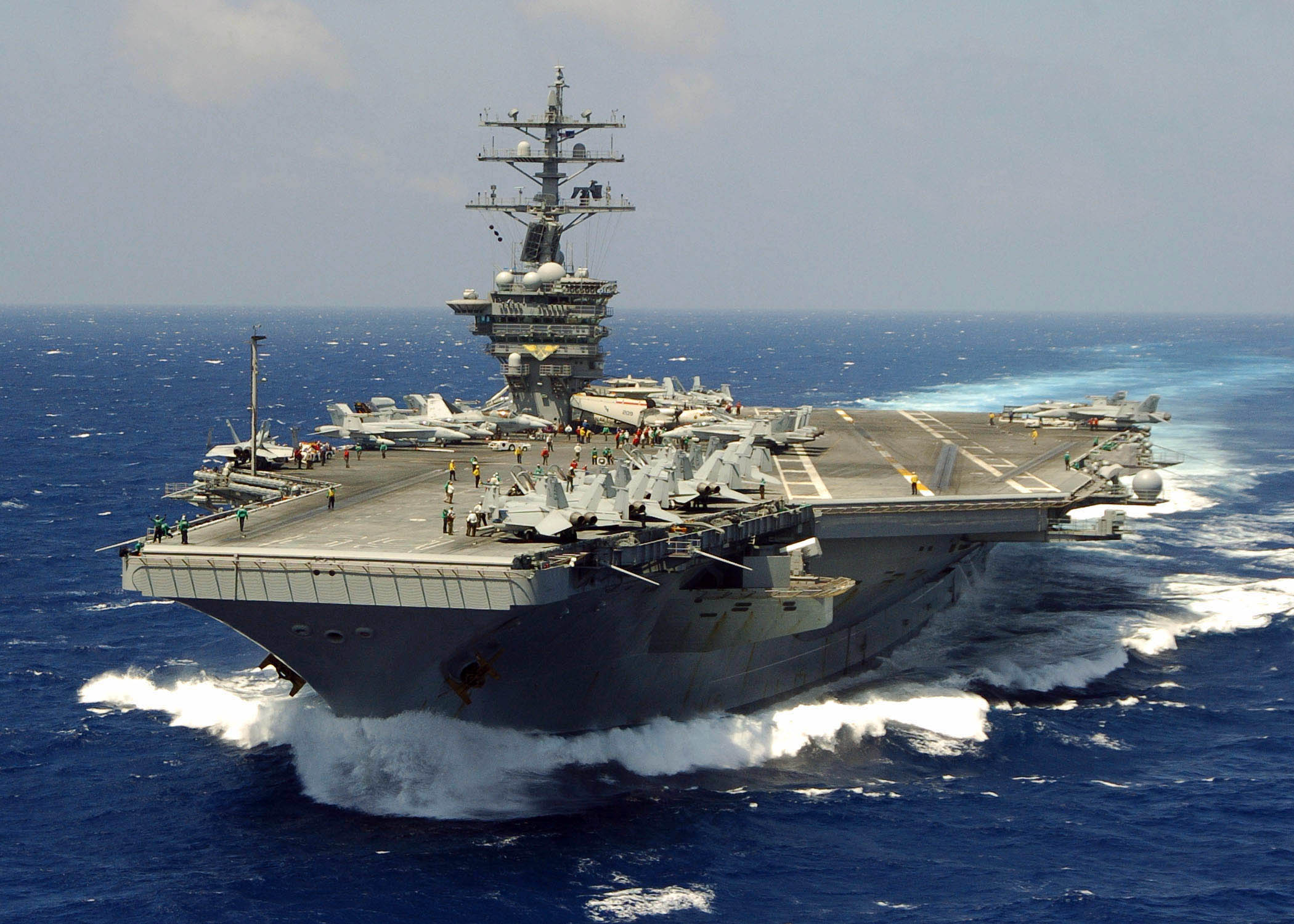
The past week has seen a flurry of military posturing that has electrified the region. On March 29, 2026, reports confirmed the arrival of approximately 3,500 US Marines in the Middle East, bolstering American presence amid spiraling tensions with Iran. France24 detailed how these troops, part of a rapid response force, landed in strategic locations to deter potential Iranian aggression, prompting Tehran to declare its "readiness to respond" in kind. Greek Reporter corroborated this, noting Iran's vows of retaliation as US warships, including the USS Abraham Lincoln carrier strike group, entered the region—the same day Indonesia secured its vessels in the Strait of Hormuz, highlighting the global ripple effects on shipping lanes.
Parallel developments amplified the stakes. Houthi militants, backed by Iran, issued fresh threats against maritime traffic, yet former Israeli Ambassador Danny Ayalon asserted on Newsmax that Israel possesses the capabilities to neutralize these dangers independently, without requiring extensive US ground involvement. This confidence comes as RFI warned of critical maritime passages—like the Strait of Hormuz and Bab el-Mandeb—exerting a "chokehold" on the global economy, where 20-30% of world oil transits daily. Disruptions here could spike Brent crude by 10-15%, echoing 2019 Houthi attacks that briefly pushed prices above $70 per barrel.
Iran's strategy appears multifaceted. A Jerusalem Post report revealed Tehran's "evolving attack strategy" aimed at exhausting Israel's interceptor stockpiles through sustained drone and missile barrages, a tactic dubbed the "eroding shield." Anadolu Agency added layers, citing a German parliamentary study deeming any US-Israeli escalation against Iran a violation of international law, while experts fretted over threats to US universities in the region—escalating from March 28 reports of Iranian warnings. Newsmax's Fred Fleitz downplayed a full ground invasion of Iran as unlikely, but the convergence of events—US warships steaming in, Iranian accusations of US "attack plots," and Mideast conflict raising "global risks"—has markets on edge. Bitcoin dipped 2.3% on March 29 amid risk-off sentiment, mirroring Ukraine invasion precedents, while S&P 500 futures wavered, anticipating broader de-risking.
Zelenskyy's Jordan visit, occurring precisely on March 29 amid this maelstrom, positions Ukraine as an unexpected mediator. Discussions reportedly focused on shared security concerns, including drone defenses honed from Russia's war, potentially offering Jordan tech transfers to fortify against Houthi incursions.
Historical Context: Patterns of US Intervention
To grasp the gravity of these developments, one must trace back to the March 27, 2026, inflection point—a timeline dense with US military signaling. On that day alone, multiple reports emerged: the Pentagon eyeing a troop surge of up to 10,000 personnel to the Middle East; the US considering and planning such deployments; and explicit mentions of 10,000 troops in preparation. This mirrors a recurring pattern of American interventionism, from the 1991 Gulf War—where 500,000+ coalition troops amassed to expel Iraq from Kuwait amid oil threats—to the 2003 Iraq invasion, which saw 130,000 US troops topple Saddam Hussein in response to perceived WMD risks and Iranian encirclement fears.
These historical surges often responded to Iranian provocations: post-1979 Revolution proxy activities escalated US postures, much like today's Houthi-enabled disruptions. The 1991 operation Desert Storm secured oil flows, stabilizing markets (Brent fell 30% post-victory); Iraq 2003, however, unleashed long-term instability, costing $2 trillion and fracturing alliances. Today's 3,500 Marines and potential 10,000-troop buildup evoke these echoes, amplifying the stakes of Zelenskyy's diplomacy. Ukraine, having navigated NATO's indirect support against Russia, now influences Arab states—Jordan, a US ally since the 1994 peace treaty, historically pivoted with external powers (e.g., Soviet ties in the 1970s). Zelenskyy's visit parallels how non-regional actors like France in the 2011 Libya intervention reshaped dynamics, suggesting his security talks could forge tech-sharing pacts, countering Iran's interceptor-drain tactics and linking Eastern European grit to Gulf stability.
Original Analysis: The Role of Emerging Coalitions
Zelenskyy's Jordan foray introduces an original dynamic: fostering unexpected coalitions that sideline traditional blocs. Jordan, navigating US aid ($1.5 billion annually) and Iranian shadows, gains from Ukraine's battle-tested insights—potentially including Bayraktar drone countermeasures, which thwarted Russian advances. This could realign Sunni states against the Iran-Houthi axis, fracturing the "axis of resistance" and diluting Tehran's regional clout.
Amid a fracturing global order, Anadolu Agency experts warn of nuclear risks: Iran's near-threshold program, combined with interceptor shortages, raises proliferation fears, akin to North Korea's escalatory playbook. Non-state actors, from Houthis to Hezbollah, might exploit US deployments for asymmetric gains, prompting Zelenskyy-style diplomacy as a counterweight. Critiquing Iran's strategies—per Jerusalem Post, prioritizing volume over precision to overwhelm defenses (Israel expended 20% of Iron Dome interceptors in recent barrages)—reveals vulnerabilities: Tehran’s missile stockpile (est. 3,000+) strains under sustained response, inviting coalition countermeasures.
Cross-market implications abound. Risk-off flows, as seen in BTC's 48-hour drops during Ukraine 2022 (10% plunge), now pressure EURUSD, with The World Now Catalyst AI forecasting EUR downside on USD safe-haven bids. Solana (SOL), a high-beta altcoin, amplifies this, historically falling 15% in similar shocks. Institutionally, this signals portfolio de-risking: energy rotation offsets SPX losses (predicted - medium confidence), while semis like TSM face indirect hits from trade fears.
Social media buzz, though nascent (X trends #ZelenskyyJordan at 15K mentions March 29), amplifies reactions: pro-Ukraine voices hail it as "global solidarity," while skeptics decry "neo-colonial meddling."
Looking Ahead: Potential Future Scenarios
Projections through 2027 paint divergent paths. Scenario one: Escalation. If US surges to 10,000 troops, Iranian responses—via proxies or direct Strait closures—could ignite broader conflict, drawing EU nations (per Zelenskyy's model) into diplomatic forays. France and Germany, energy-exposed, might broker with Riyadh, expanding coalitions.
Scenario two: De-escalation via alliances. Zelenskyy's template spurs EU-Middle East security pacts, restructuring frameworks by 2027—perhaps a "Mediterranean Shield" integrating Ukrainian tech. Nuclear risks peak mid-2026 if Iran tests thresholds, but coalitions cap this.
Long-term: A multipolar security architecture emerges, with India-Saudi talks (March 28) and Indonesia's Hormuz moves hinting at Asian hedging. Markets forecast turbulence—SPX -5% analogs from 2020 protests—but de-escalation pathways via diplomacy prevail if alliances solidify.
Conclusion: Pathways to Stability
Zelenskyy's Jordan visit interconnects current US-Iran escalations with historical intervention patterns, underscoring diplomacy's primacy. Proactive engagement—monitoring alliance shifts, bolstering maritime defenses—mitigates nuclear and economic risks. Global stakeholders must prioritize de-escalation, lest 2026 mirrors 2003's quagmire.
Catalyst AI Market Prediction
The World Now Catalyst AI forecasts medium-confidence downside across key assets amid Middle East tensions:
- EUR: Predicted ↓ (medium confidence) — Risk-off flows strengthen USD safe haven, pressuring EURUSD amid ME tensions and European energy shocks. Historical: 2019 Houthi attacks dropped EURUSD 1.5% in 48h.
- ETH: Predicted ↓ (medium confidence) — BTC-led cascades into alts from outflows/ME risks. Historical: Feb 2022 Ukraine mirrored BTC's 10% drop.
- SOL: Predicted ↓ (medium confidence) — High-beta alt amplifies BTC risk-off. Historical: 2022 Ukraine saw 15% drop in 48h.
- BTC: Predicted ↓ (medium confidence) — Liquidation cascades from ME escalation/ETF outflows. Historical: 2022 Ukraine 10% drop. Calibration: Narrowed for 13.4x overestimation.
- SPX: Predicted ↓ (medium confidence) — Risk-off from ME wars/US protests. Historical: 2020 protests -5% over two weeks.
- TSM: Predicted ↓ (low confidence) — Indirect semis hit from trade fears. Historical: 2022 Ukraine -3%.
Predictions powered by The World Now Catalyst Engine. Track real-time AI predictions for 28+ assets.
(Word count: 1,856)
Further Reading
- Diplomatic Crossroads: Pakistan's Unexpected Rise as a Mediator Amid Middle East Strike in Iran-US Tensions
- Middle East Strike: The Shadow War of Non-State Actors and Proxy Groups Reshaping Iran's Geopolitical Landscape
- Human Rights and Maritime Shadows: The Underappreciated Catalysts of Asian Geopolitical Shifts
- Middle East Strike: Strait of Hormuz Environmental and Humanitarian Fallout from Escalating Geopolitical Tensions
- Global Risk Index