Geopolitics in Iran sees US-Iran talks deadlocked over Strait of Hormuz closure
In the latest developments in geopolitics in Iran, US-Iran talks have reached a deadlock, with the Strait of Hormuz remaining closed amid heightened tensions.[1] US President Donald Trump has described Iran's counter-offer as "garbage" and warned that the ceasefire is "unbelievably weak."[1] Iran's parliamentary speaker Mohammad Bagher Ghalibaf has stated that the country is prepared for any eventuality.[1] While the US has made tactical gains in the conflict, it has not achieved strategic objectives, particularly over disagreements on the Strait of Hormuz and restrictions.[2] The standoff risks severe humanitarian consequences, with tens of millions potentially facing hunger due to disrupted fertiliser shipments.[4]
Deadlock in US-Iran Negotiations
The negotiations between the United States and Iran have stalled completely, leaving the strategic Strait of Hormuz closed and casting uncertainty over the fragile ceasefire.[1] According to updates from France 24's Middle East live coverage, the talks are deadlocked as Tehran has rejected Washington's demands, prompting strong rebukes from the US side.[1] President Trump has characterized Iran's counter-proposal as outright "garbage," signaling deep dissatisfaction with the terms offered by Iranian negotiators.[1] This rejection has further weakened what was already described as a tenuous ceasefire, now deemed "unbelievably weak" by the US leader.[1]
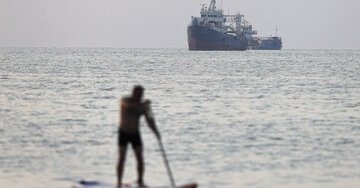
The Strait of Hormuz, a critical chokepoint for global maritime trade, continues to be off-limits, exacerbating the impasse.[1] Iranian parliamentary speaker Mohammad Bagher Ghalibaf, who previously served as chief negotiator in talks with Washington, responded to the developments by affirming Iran's readiness "for any eventuality."[1] This exchange underscores the breadth of the deadlock, where neither side appears willing to concede on core issues. The liveblog from France 24 emphasizes ongoing monitoring of the situation, highlighting how the closure persists without resolution.[1] The context of these talks stems from broader conflict dynamics, including Iran's retaliatory measures that have kept the waterway under a chokehold for months.[4] Without progress, the negotiations risk prolonging the standoff, with implications rippling across regional stability and international commerce.
Statements from Key Figures
Prominent leaders on both sides have issued pointed remarks that illuminate the strained dynamics of the US-Iran negotiations.[1][3] US President Donald Trump has been vocal in his criticism, labeling Iran's counter-offer as "garbage" and cautioning that the ceasefire hangs by a thread, describing it as "unbelievably weak."[1] These statements reflect the US administration's frustration with Tehran's unwillingness to meet demands, particularly in light of ongoing disagreements over key strategic assets.[1]
From the Iranian perspective, parliamentary speaker Mohammad Bagher Ghalibaf, a seasoned figure in prior negotiations with Washington, has projected resolve by declaring that Iran is "prepared for any eventuality."[1] His comments, delivered shortly after Trump's remarks, signal a defensive posture amid the deadlock.[1] On the US side, reports indicate that Trump is "seriously considering resuming war" with Iran following the impasse over a potential peace deal.[3] This consideration arises directly from the failure to bridge gaps in the talks, as covered by the Jerusalem Post.[3] Such rhetoric from key figures amplifies the stakes, with Trump's warnings and Ghalibaf's preparedness statements framing the negotiations as teetering on the edge of breakdown.[1][3] These exchanges not only highlight personal leadership styles but also the entrenched positions that have halted progress, leaving observers to track how these pronouncements might influence diplomatic channels or military posturing.
US Achievements in the Conflict
The United States has secured tactical gains in its conflict with Iran, yet these have not translated into broader strategic objectives, according to analysis from the Wall Street Journal.[2] Citing unnamed sources, the WSJ report details how the Trump administration has made operational successes on the battlefield but remains far from achieving its overarching goals.[2] Major points of contention persist, especially regarding the future management of the Strait of Hormuz, which continues to be a flashpoint in the dispute.[2]
Significant gaps also endure concerning the types of restrictions that Iran would face, further complicating any path to resolution.[2] The Middle East Eye coverage of the WSJ piece emphasizes that while tactical advancements provide short-term leverage, the absence of strategic wins—such as control over the Hormuz waterway or enforceable limitations on Iran—leaves the US position vulnerable.[2] This assessment comes amid a conflict that has seen retaliatory actions from Iran, including the prolonged closure of the strait in response to military operations initiated by the US and Israel.[4] The tactical nature of US accomplishments, as opposed to strategic dominance, points to a protracted engagement where immediate victories do not resolve underlying geopolitical frictions in Iran.[2] Reports suggest that these limitations could prolong the uncertainty, as Washington grapples with how to convert battlefield edges into lasting diplomatic or military advantages.
Humanitarian Consequences of the Standoff
The closure of the Strait of Hormuz has triggered dire warnings about global food security, with a UN official highlighting the risk of widespread hunger.[4] Tens of millions of people could face starvation if fertiliser shipments are not permitted through the waterway soon, according to the head of a UN task force focused on averting a humanitarian crisis.[4] The strait, through which a third of the world's fertilisers typically flow, has been held in a "chokehold" by Iran for months as retaliation for the war launched by the United States and Israel on February 28.[4]
This disruption strikes at the heart of global agriculture, where fertilisers are essential for farmers racing against time to maintain crop yields worldwide.[4] Dawn's reporting from Paris underscores the urgency, noting that the standoff's prolongation threatens a critical trade lifeline.[4] The humanitarian toll extends beyond Iran, affecting vulnerable populations in regions dependent on these shipments for food production.[4] With the strait remaining closed amid deadlocked talks, the UN's concerns amplify the pressure on negotiators to prioritize passage for vital goods.[1][4] This scenario illustrates how military and diplomatic impasses in geopolitics in Iran can cascade into global crises, where delays in reopening the waterway could exacerbate hunger on an unprecedented scale.[4]
Potential Escalation and Future Actions
The impasse in US-Iran talks has prompted considerations of renewed conflict, with President Trump reportedly "seriously considering resuming war."[3] Jerusalem Post coverage frames this as a direct response to the failure of peace deal negotiations, where core disagreements—particularly over the Strait of Hormuz—have proven insurmountable.[3] Trump's deliberations reflect the high stakes following Iran's rejection of US demands and the weakening ceasefire.[1][3]
Iran's preparedness "for any eventuality," as stated by speaker Ghalibaf, mirrors this escalatory potential, suggesting mutual contingency planning.[1] While tactical US gains exist, the lack of strategic progress fuels the risk of escalation, as unresolved issues like Hormuz management linger.[2][3] The context of Iran's retaliatory closure, tied to the February 28 war initiation, adds layers to these dynamics.[4] Observers note that without breakthroughs, actions could shift from rhetoric to operations, prolonging the conflict's shadow over regional stability.[3]
What to watch next: Monitor for updates on the fragile ceasefire's status, Trump's decisions on potential war resumption, and any progress on reopening the Strait of Hormuz for fertiliser shipments, as highlighted in ongoing live coverage and reports.[1][3][4]