
Middle East Strike: Geopolitical Echoes - How Tensions Are Fueling Instability in Africa and Reshaping European Alliances
By Yuki Tanaka, Tech & Markets Editor, The World Now
Introduction: The Expanding Web of Global Geopolitics
In an era where a single flare-up in the Middle East strike can send shockwaves across continents, recent events underscore the fragility of our interconnected world. On March 31, 2026, a cascade of developments—US troop deployments to the Middle East, EU preparations for energy disruptions from a potential Iran war, and the ongoing detention of Niger's deposed President Mohamed Bazoum as his term symbolically ended—highlighted how Middle East strike tensions are not confined to their epicenter. Qatar's unified Gulf states' call for de-escalation, alongside Switzerland's expression of "deep concern" over Israel's proposed death penalty law for Palestinians, serve as entry points into this broader narrative. For deeper insights into Middle East Strike: Iran's Emerging Alliances Redefining Geopolitical Dynamics in the Shadow of US Aggression, check our related coverage.
This article explores the overlooked ripple effects of these Middle East strike conflicts on African political stability and European diplomatic realignments. While much coverage has fixated on direct alliances, espionage, or Asian influences, the unique angle here lies in the secondary crises: how threats to the Strait of Hormuz exacerbate resource shortages in Africa, triggering coups like Niger's, and how European nations—evidenced by French opposition to Israeli laws and Israel's halt on security procurement from "hostile" France—are fracturing traditional alliances. King Charles III's planned state visit to the US in April, despite calls to cancel amid Iran war fears, further illustrates the diplomatic tightrope. These events reveal the interconnectedness of global geopolitics, where African vulnerability meets European realignment, demanding a fresh lens on non-traditional fallout. Explore more on emerging influences in Middle East Strike: Asia's Strategic Pivot - How Emerging Asian Powers are Influencing Middle East Geopolitics Amid Iran Tensions.
Middle East Strike: Historical Roots and Current Triggers
The roots of this geopolitical web trace back to longstanding US-Iran standoffs, which have repeatedly spilled over into African instability. Historical patterns, such as the 1979 Iranian Revolution and subsequent oil crises, disrupted global energy flows, hitting resource-dependent African economies hardest. Fast-forward to today: the March 31, 2026, timeline marks pivotal triggers. US troops deployed to the Middle East in response to escalating tensions, including Trump's warnings to destroy Iranian power plants and oil wells if the Strait of Hormuz remains closed, and Iran's rejection of US peace offers. Simultaneously, the EU braced for energy disruptions, with Vingroup scrapping its LNG plans amid the Iran war fears—a direct echo of 2019 US-Iran tensions when oil prices surged 15% after the Soleimani strike.
These build on interventionist histories. Past US-Iran escalations, like the 2019 tanker attacks, led to African coups in resource-rich nations such as Mali and Burkina Faso, where juntas cited foreign meddling and economic woes. Niger's coup, where leader Abdourahamane Tiani continues to detain Bazoum, mirrors this: energy price spikes from Hormuz threats have crippled Niger's uranium and oil-dependent economy, fueling internal destabilization. UN events in West Africa on that same day underscore regional fragility.
Adding a legal dimension, NGOs' appeals to Israeli courts on March 31 reflect a global backlash. Switzerland urged repeal of Israel's death penalty law, while French opposition demanded EU action—signals of eroding Western unity. Szijjártó's defense of Lavrov talks on EU sanctions shows Eastern European hedging. These triggers, rooted in historical oil weaponization, amplify responses: GPS interference coinciding with drone incursions into Finland's interior (as reported by Yle), and Houthi threats to Saudi oil, create a multi-front crisis. See how such tech threats play out in Drone Shadows and Middle East Strike: The Unseen Catalyst in 2026 Geopolitics.
Original Analysis: Cascading Effects on Africa and Europe
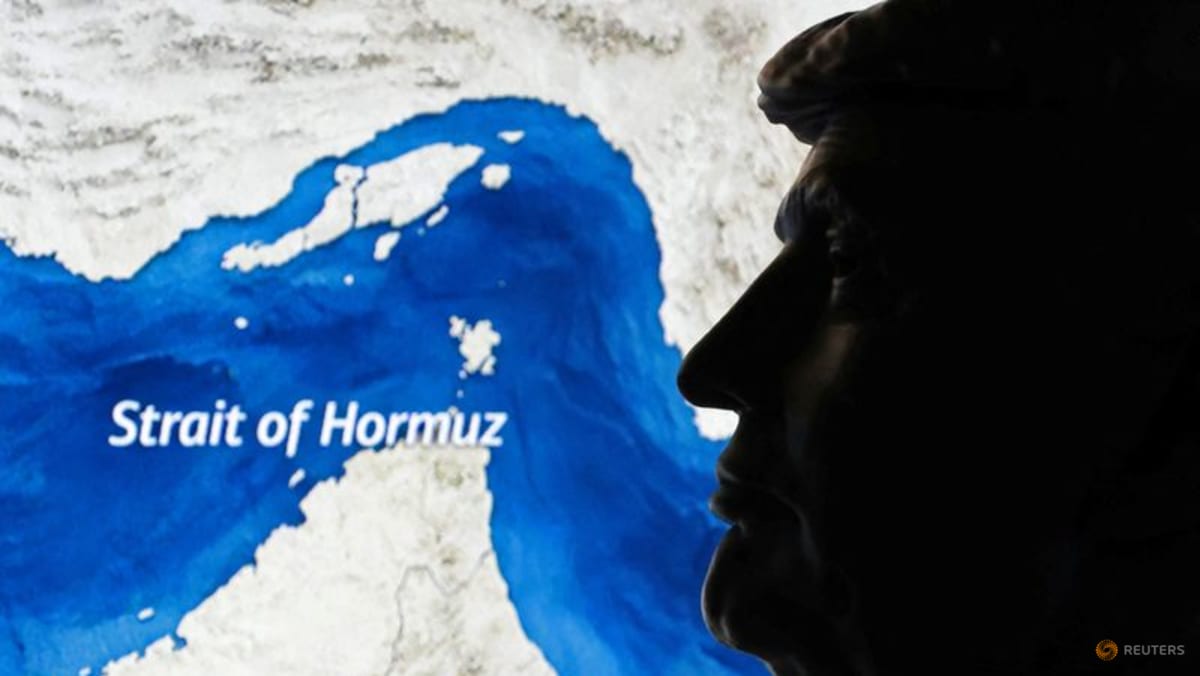
The unintended consequences cascade profoundly. In Africa, Strait of Hormuz threats—exacerbated by Trump's "other countries should just take" rhetoric and China's call with Pakistan for peace talks—threaten oil flows critical to Sahel nations. Niger, a key uranium supplier, faces acute shortages; the coup, now entrenched with Bazoum's detention, exemplifies internal destabilization. Resource scarcity breeds unrest: historical parallels to 2011 Libya show how Arab Spring spillovers via energy shocks led to Sahel jihadism surges. GPS jamming and drone activities, like those hitting Finnish airspace, isolate African states further, hindering aid and trade. Nigeria's oil disruptions (feared in AI models) compound this, potentially sparking copycat coups in Chad or Mali.
Europe, meanwhile, grapples with fracturing alliances. Israel's decision to halt security procurement from France, labeled "hostile," stems from French criticism of the death penalty law. This signals deeper rifts: Romania's F-16 deployments to the Baltics for NATO contrast with Italy denying US airbases for Iran weapons. Switzerland's concerns and Qatar's de-escalation push highlight multilateral fatigue. Original insight: these reactions herald new EU-Africa partnerships. France, pivoting from Sahel failures, eyes energy pacts with stable African producers, bypassing US-led coalitions. Technological vulnerabilities—drones and GPS hacks—expose Europe's overreliance on US tech, prompting indigenous defenses and realignments. For a broader view on legal angles, read Middle East Strike: The Overlooked Arsenal: How International Law is Reshaping US-Iran Geopolitical Tensions.
Broader effects include market tremors: EU energy prep echoes 2022 Ukraine shocks, but Hormuz closure risks dwarf them, hitting African remittances and European inflation simultaneously. Track escalating risks via our Global Risk Index.
Predictive Outlook: Future Scenarios and Risks
Looking ahead, escalations loom if de-escalation falters. Increased African instability is probable: persistent energy disruptions could trigger 2-3 more coups in the Sahel by year-end, per historical trends from 2019 Iran spikes. Gulf states' unity and Iran's envoy warnings suggest short-term restraint, but Houthi threats and Japan's missile deployments signal proxy wars expanding.
European policies will shift: expect stronger EU sanctions on Iran proxies and alliances with Africa for uranium/lithium, realigning away from US influence. King Charles' US visit proceeding despite backlash may strain transatlantic ties, with France pushing independent strategies. Long-term risks include African counter-alliances—juntas aligning with Russia (as in Szijjártó-Lavrov talks) or China—heightening global instability. If Hormuz closes, oil at $140+ could cascade into recessions, per precedents.
Catalyst AI Market Prediction
The World Now Catalyst AI forecasts market reactions to these tensions, emphasizing risk-off dynamics from Middle East strike escalations:
- USD: Predicted + (medium confidence) — Risk-off flows drive capital into USD as safe haven. Historical: 2019 US-Iran tensions, DXY +1.5% in 48h. Risk: De-escalation reverses flows.
- SPX: Predicted - (high confidence) — Oil threats trigger algo de-risking. Historical: 2019 Soleimani, SPX -2% in one day. Risk: Oil below $140 limits inflation.
- GOLD: Predicted + (medium confidence) — Geopolitical safe-haven buying. Historical: 2019 +3% intraday. Risk: Strong USD caps.
- OIL: Predicted + (high confidence) — Supply fears via Hormuz, Iraq/Nigeria. Historical: 2019 +15%. Risk: US SPR release.
- EUR: Predicted - (medium confidence) — USD strength pressures EURUSD. Historical: 2019 -1.5% in 48h. Risk: ECB hawkishness.
- JPY: Predicted + (medium confidence) — Safe-haven yen. Historical: 2019 USDJPY -2%. Risk: BOJ intervention.
- BTC: Predicted - (medium confidence) — Risk-off selling. Historical: 2022 Ukraine -10% in 48h. Risk: Miner hodl.
- XRP, ETH, SOL: Predicted - (low confidence) — Crypto cascades. Historical analogs: 2022 Ukraine alts -10-20%.
- TSM, GOOGL, META: Predicted - (low confidence) — Risk-off hits tech/semis. Historical: 2022 Ukraine drops.
Predictions powered by The World Now Catalyst Engine. Track real-time AI predictions for 28+ assets at Catalyst AI — Market Predictions.
Conclusion: Navigating the New Geopolitical Landscape
Middle East strike tensions are reshaping the board: Niger's coup and European diplomatic fractures underscore overlooked ripples, from African coups to EU realignments. Proactive diplomacy—Gulf de-escalation, EU-Africa pacts—is essential to avert cascades.
Readers: Monitor African developments as bellwethers; Sahel unrest signals wider conflicts. Forward advice: Diversify energy, bolster cyber defenses, and watch Hormuz for triggers. In this web, vigilance is strategy.
Original Analysis Sidebar: Key Indicators of Change
Non-State Actors' Amplification: Houthis, NGOs appealing Israeli courts, and drones (e.g., Finnish incursions) outpace states, echoing 2019 tankers. Indicator: Rising proxy incidents signal escalation.
Historical vs. Current Patterns: 1979 oil shocks hit Africa via famines; now, 2026 adds tech (GPS hacks), worsening isolation. Unique insight: Africa's 2023-26 coup wave (7+ juntas) triples post-2019 rates.
Policy Innovations: EU "Africa Energy Compact" for direct LNG/uranium deals, bypassing US. Tech: EU-wide drone shields, inspired by Romania's F-16s. Risks: Russian internet isolation bids could fragment data flows, isolating African digital economies.