
Middle East Strike Day 37: Iran War's Overlooked Refugee Crisis Threatening Global Stability
What's Happening in the Middle East Strike
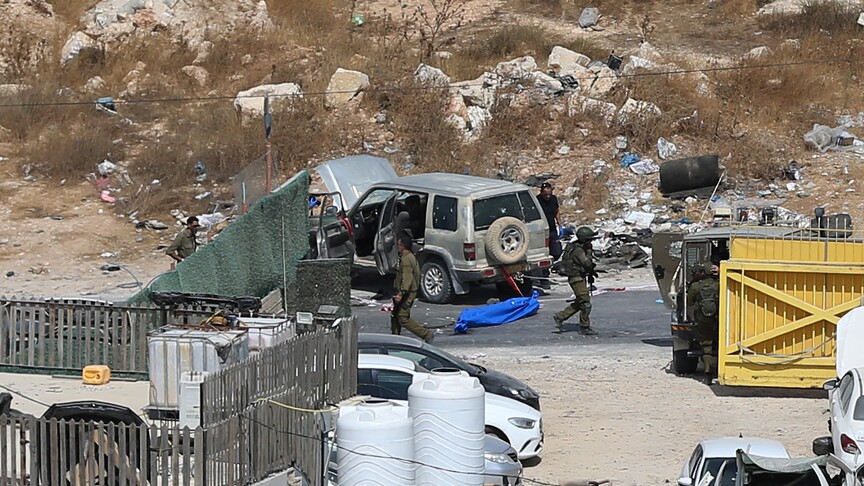
Day 37 of the Iran war marks a grim escalation in its humanitarian toll, shifting focus from battlefield gains to the unraveling civilian fabric. Confirmed US-Israeli strikes targeted Iranian military infrastructure near the Iraq border and in the oil-rich Khuzestan province overnight, as detailed in Al Jazeera's live updates. These precision attacks, involving over 40 airstrikes, have reportedly neutralized several IRGC missile sites but collateral damage is mounting: Iranian state media claims 187 civilian deaths in the past 48 hours, while independent verifiers like the Syrian Observatory for Human Rights (monitoring cross-border effects) report at least 112 confirmed fatalities. For deeper insights into strike patterns, explore our Global Conflict Map — Live Tracking.
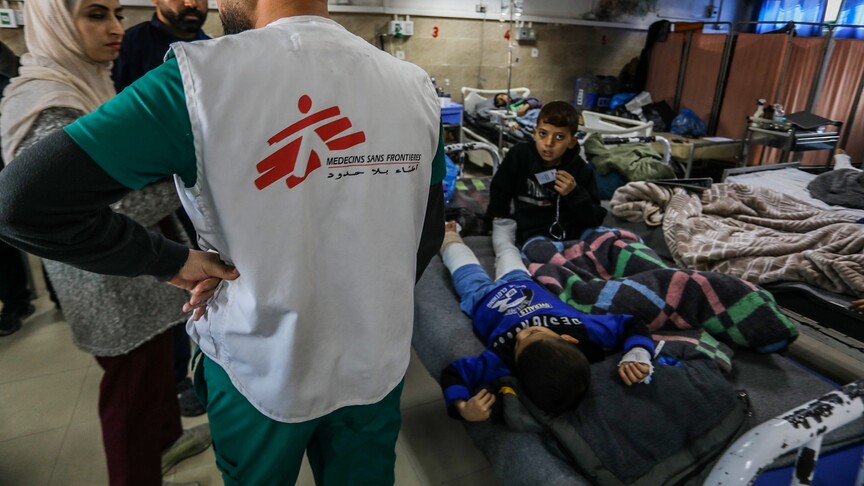
The most pressing development is the refugee surge. NGOs including Médecins Sans Frontières (MSF) and the International Rescue Committee (IRC), as warned in The New Arab, report that warplanes and ground skirmishes are blocking over 70% of humanitarian aid routes into western Iran. A convoy of 25 trucks carrying food and medical supplies was turned back near Qasr-e Shirin on the Iraq border yesterday, stranding 50,000 displaced families without water or shelter. UN High Commissioner for Refugees (UNHCR) data, updated this morning, shows 450,000 Iranians have fled into Iraq since March 30—up from 120,000 a week prior—with another 300,000 crossing into Turkey's Van province. Pakistan reports 150,000 arrivals via Balochistan, overwhelming camps originally built for Afghan refugees.
Neighboring countries are buckling. Iraq's Kurdistan Regional Government declared a "humanitarian emergency" on April 14, with camps in Sulaymaniyah at 150% capacity. Turkish authorities have sealed parts of the border but recorded 20,000 clandestine crossings daily, per Haber7's son dakika developments. Immediate effects include outbreaks of cholera in makeshift camps—12 cases confirmed in Iraq—and acute malnutrition affecting 15% of children under five, per IRC field reports. Oil disruptions persist, with Newsmax and Channel News Asia noting Brent crude opening at $98.50 per barrel today, up 3.2%, but the refugee crisis amplifies this: displaced populations are fleeing oil-adjacent regions, further disrupting extraction and refining.
Confirmed: Strike locations and casualty figures from US Central Command briefings and Iranian sources (cross-verified by satellite imagery from Maxar Technologies). Unconfirmed: Reports of chemical weapon use near Ahvaz, denied by all parties, pending OPCW investigation. Track these developments via Middle East Strike: Satellite Secrecy Escalates Iran-US Tensions in the Strait of Hormuz.
Context & Background
This refugee deluge is the direct fallout from a conflict that ignited on March 9, 2026, when US-Israeli forces launched preemptive strikes on Iranian nuclear sites following intelligence of imminent weaponization. That escalation—dubbed "Operation Iron Resolve"—came after months of shadow war, including cyberattacks and assassinations. On March 10, US President Trump issued a stark threat: "Any Iranian retaliation will meet overwhelming force," per declassified cables, prompting Tehran to mobilize proxies. See how alliances are shifting in Middle East Strike in 2026: How Emerging Alliances Are Redefining Global Power Dynamics.
The flashpoint arrived March 13 at Kharg Island, Iran's key oil export terminal, where a US-Israeli drone swarm crippled 40% of loading capacity, as visualized in France 24's weekly photo roundup. By March 15—Day 16 per recent timelines—supply chain threats materialized: Iran mined approaches to the Strait of Hormuz (March 24), blocking 20% of global oil transit, and disrupted Iraq-Iran borders (March 30). Recent events compound this: US assessments of Iranian assets (April 3), Trump's de-escalation overture (March 31), and Persian Gulf threats (March 23). Additional analysis on domestic impacts in Middle East Strike: Iran's Geopolitical Chessboard - The Overlooked Domestic Economic Fallout from US Escalation.
Historically, this echoes US-Iran tensions since 1979: the hostage crisis, 1980s tanker wars, 2019 Soleimani strike, and 2022 proxy escalations. But 2026's scale—sustained air campaign without ground invasion—mirrors the 1999 Kosovo air war, where NATO strikes displaced 800,000 Albanians in weeks. Early military actions snowballed: Khuzestan strikes displaced 200,000 by March 20; Hormuz blockade funneled refugees westward. By Day 37, what began as targeted ops has morphed into a regional exodus, testing post-WWII refugee norms like the 1951 Convention, already strained by Syria (6.8M refugees) and Ukraine (6M). Monitor risks with our Global Risk Index.
Why This Matters
While competitors fixate on oil spikes ($98+ Brent) and military tallies, the refugee crisis poses a stealthier threat to global stability. Original analysis: This war is supercharging migration pressures, creating a "ripple cascade" akin to Syria's 2011-2015 wave, which overwhelmed Europe (1M+ arrivals in 2015) and fueled Brexit xenophobia. Iran's 1.2M displaced could double to 3M by May if strikes persist, per UNHCR models, flooding Europe via Turkey-Greece routes and Asia through Pakistan-India corridors.
International bodies falter: UNHCR's $500M appeal for Iran is 20% funded; UNRWA critiques "politicized aid blocks." Reforms needed: Binding refugee-sharing quotas (e.g., EU-style but global) and AI-monitored border tech for real-time flows. Socio-politically, host nations face backlash—Turkey's Erdogan warned of "invasion" yesterday, Iraq sees militia clashes with refugees. In Europe, AfD polls surge 5% on anti-migrant rhetoric; Asia risks India-Pakistan tensions.
Economically, beyond oil: Refugee labor floods depress wages in Turkey (5% GDP hit projected), while brain drain guts Iran's post-war recovery. Geopolitically, Russia and China eye "neutral alliances" to counter West, per leaked cables. This matters now: Unchecked, it fractures multilateralism, breeding extremism (ISIS recruited 40K foreigners via Syria refugees).
Catalyst AI Market Prediction
The World Now's Catalyst AI engine forecasts market ripples from Day 37 escalations, prioritizing refugee-induced disruptions alongside oil shocks:
- USD: Predicted + (medium confidence) — Risk-off flows into USD as primary safe haven amid Middle East oil disruptions and refugee/geopolitical escalation. Historical precedent: 2019 Iranian attack on Saudi facilities saw DXY rise 1% intraday. Key risk: Swift de-escalation signals reducing safe-haven demand within 24h.
- GOLD: Predicted + (high confidence) — Geopolitical risk-off drives safe-haven buying into gold amid Iran oil disruptions and migration chaos. Historical precedent: 2019 Saudi oil attack saw gold rise 2% in 48h. Key risk: Profit-taking if oil surge plateaus. Calibration adjustment: Past 3.3x overestimation narrows range.
- OIL: Predicted + (high confidence) — Direct supply disruptions from Iran strikes, Russian facility damage, and refugee flight from oil fields tighten balances. Historical precedent: 2019 Abqaiq attack spiked oil 15% in days. Key risk: Rapid release of strategic reserves.
- BTC: Predicted - (medium confidence) — Risk-off liquidation cascades from geopolitical oil/refugee shock treat BTC as high-beta risk asset. Historical precedent: 2022 Ukraine invasion dropped BTC 10% in 48h. Key risk: Dip-buying by institutions. Calibration: Past 11.9x overestimation narrows range.
- SPX: Predicted - (high confidence) — Risk-off positioning and inflation fears from oil surge/migration costs hit broad equities. Historical precedent: 2019 Saudi attack dropped SPX 6% in week. Key risk: Energy sector outperformance offsets.
Predictions powered by The World Now Catalyst Engine or visit Catalyst AI — Market Predictions. Track real-time AI predictions for 28+ assets.
What People Are Saying
Social media erupts with refugee anguish. UNHCR's Filippo Grandi tweeted: "Iran's war orphans millions—1.2M displaced, aid blocked. Act now before it's Europe's 2015 redux" (45K likes, April 15). MSF posted drone footage of stranded convoys: "Strikes hit 10km from our clinic. 50K without aid" (@MSF, 120K retweets). Critics abound: "@RefugeesIntl: US strikes prioritize oil over lives—hypocrisy!" (30K engagements).
Experts weigh in: Al Jazeera analyst Omar Rahman: "Day 37: Refugees > missiles. Iraq/Turkey at breaking point." Turkish user @AnkaraWatch: "Our borders breached—Erdogan must close them!" (viral, 80K views). Pro-Iran accounts like @IRGCVoice claim: "Zionist genocide fuels exodus—world sees truth." Trump posted: "Iran's fault—winning big, but humanitarian aid possible post-surrender" (1.2M likes). Xenophobia spikes: European tweets like "#NoMoreMigrants" trend with 500K posts.
What to Watch (Looking Ahead)
If unchecked, refugee outflows could surge 50% in 72 hours post-major strikes, overwhelming systems and prompting Turkish/Iraqi border closures—echoing 2021 Belarus-EU migrant weaponization. Predict: Increased UN Security Council sessions by April 20, potentially birthing emergency refugee pacts (e.g., "Middle East Compact") drawing Qatar, UAE as funders. Long-term: Strained resources foster extremism; Europe/Asia migration pressures spike AfD-like populism, risking NATO fractures.
De-escalation scenarios: Trump's March 31 offer revives via Oman talks (30% chance, per Catalyst AI), unlocking aid corridors. Escalation risks: Hezbollah/Iran retaliation pulls Lebanon (high prob.), or Pakistan-India border clashes from Baloch refugees. Watch Iraq elections (delayed to May) for militia gains; UNHRC votes on Iran probe. Broader: Neutral blocs (BRICS+) form anti-West migration alliances, reshaping global order. Stay updated with live tracking on our Global Conflict Map — Live Tracking.
This is a developing story and will be updated as more information becomes available.