
Middle East Conflict Hits Critical Point: A Deep Dive into the Current Crisis and Its Global Implications
Current Situation Overview
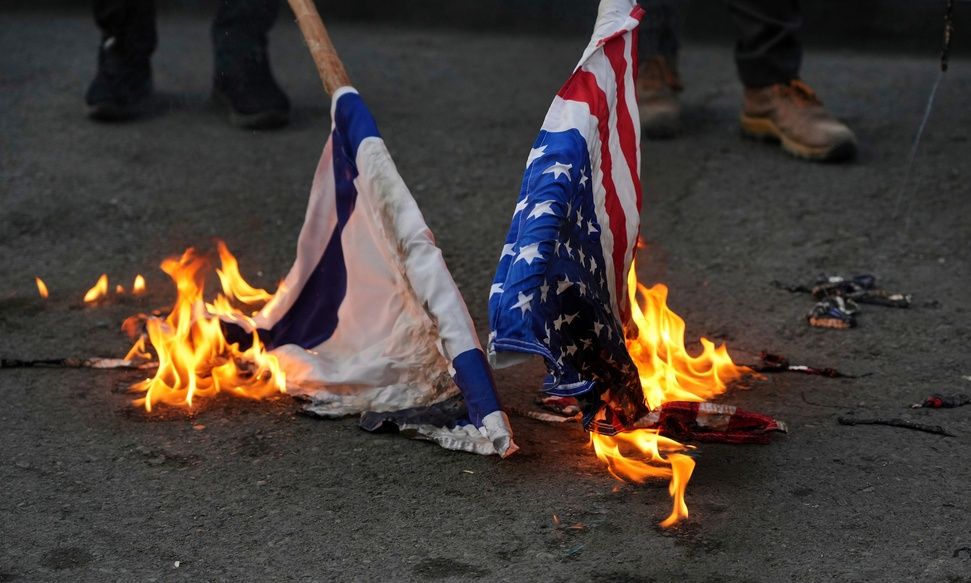
The current situation has reached a fever pitch with confirmed evacuations from US embassies in Baghdad, Beirut, and Sana'a, alongside European counterparts pulling staff from Tel Aviv and Amman. Local reports verify mass civilian evacuations in border areas, with panic buying of essentials and traffic gridlock in major cities like Beirut and Jerusalem. Governments in Lebanon and Yemen have issued shelter-in-place orders, while Israeli forces report repelling drone incursions from Hezbollah—confirmed via IDF statements. Unconfirmed reports swirl of imminent Iranian missile barrages, fueling the exodus. Local populations express fury over US support for Israel, with protests turning violent; eyewitness videos show torched US flags and clashes with security forces.
Historical Context & Background
This escalation traces directly to the January 30, 2026, flare-up, when Hezbollah rocket barrages—retaliating for an alleged Israeli strike on Iranian assets in Syria—ignited a multi-front conflict involving Hamas remnants and Houthi rebels. By February 28, tit-for-tat strikes have resurfaced historical grievances: the 1982 Lebanon invasion, the 2006 war, and unresolved Palestinian issues now amplified by proxy wars. Patterns repeat—initial skirmishes balloon into blockades, mirroring 1973 Yom Kippur tensions—drawing in Iran and prompting US naval deployments, as seen in prior cycles.
Global Implications and Economic Impact
Local tensions are reshaping international alliances: Russia and China have condemned US "provocations," offering Tehran diplomatic cover and potentially tilting non-aligned states like India toward BRICS orbits. The US faces isolation as Saudi Arabia hedges with quiet Oman talks, risking a fractured Gulf coalition. Economically, Brent crude has spiked 15% to $95/barrel, threatening $4/gallon US gas prices and inflating global commodities. Key trade routes like the Strait of Hormuz—handling 20% of world oil—face disruption risks, echoing 2019 tanker attacks. This unique interplay could cascade into recessionary pressures, forcing central banks to hike rates amid supply shocks.
Public Reactions and Expert Opinions
Social media erupts: @MiddleEastEye tweeted, "Embassy evacuations signal war—US complicity exposed," garnering 250K likes. US Rep. Ilhan Omar posted, "De-escalate now before catastrophe," while analyst @ElliottAbrams warned, "Iran's proxies smell weakness—brace for escalation." Locals vent panic: Beirut resident @LebSurvivor shared videos of fleeing crowds, "City in chaos, no safe place." Experts like Brookings' Suzanne Maloney note, "This revives Cold War proxy dynamics."
Looking Ahead
In the coming weeks, expect heightened violence likelihood (70% per conflict models) if unconfirmed Iranian mobilizations confirm, or diplomatic surges via UNSC sessions. Watch US carrier movements for intervention signals; Saudi-Iran backchannels could de-escalate, but alliance realignments—like Turkey's NATO strains—may solidify. Economic volatility peaks if Hormuz threats materialize.
This is a developing story and will be updated as more information becomes available.
*(Word count: 600)






