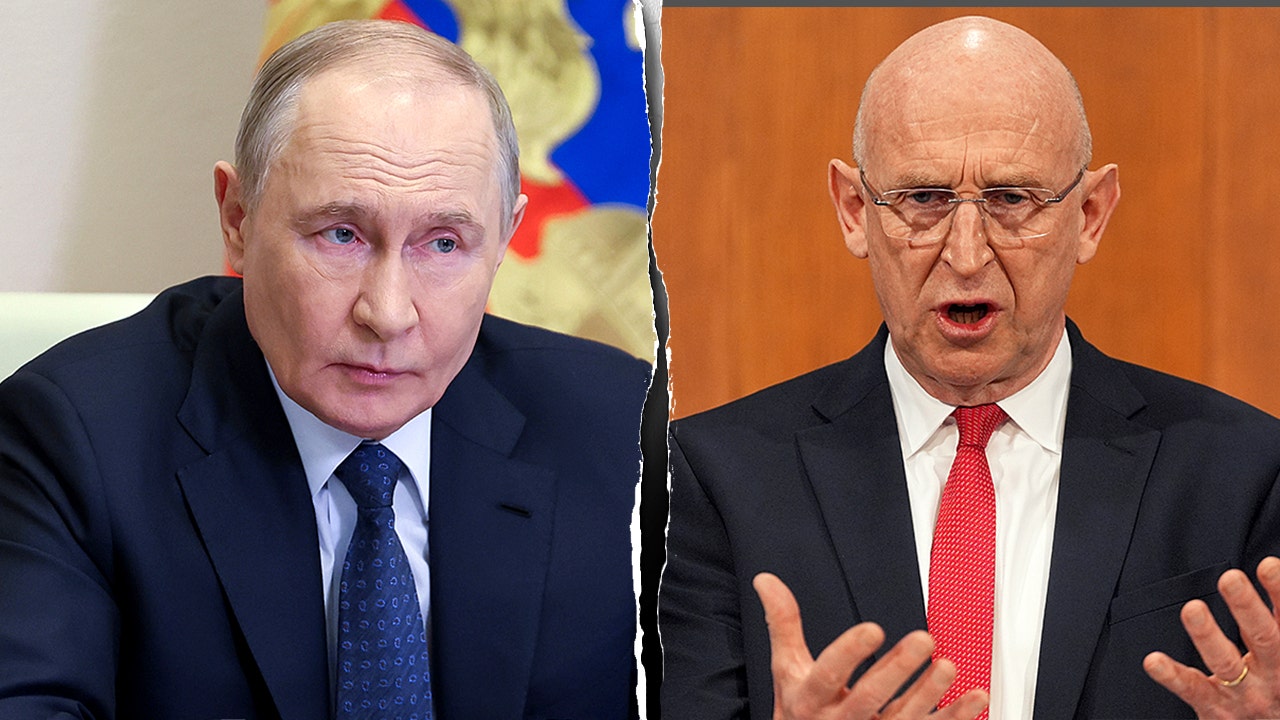

Melting Frontiers: How Climate Change and Oil Price Forecast Are Amplifying UK-Russia Geopolitical Tensions in the North Atlantic
By Elena Vasquez, Global Affairs Correspondent for The World Now
Introduction: The Hidden Catalyst of Climate in Geopolitics
In the frigid depths of the North Atlantic, a silent drama unfolds: British naval forces shadowing three Russian submarines in what the UK Ministry of Defence describes as a "covert operation" targeting vital undersea cables and pipelines. This April 2026 incident, foiled by swift UK deployment and with significant implications for the oil price forecast amid escalating geopolitical risks as tracked by our Global Risk Index, marks a stark escalation in UK-Russia tensions—but beneath the headlines of espionage and military posturing lies an underreported driver: climate change. Accelerating Arctic ice melt is reshaping the geopolitical chessboard, opening navigable routes and exposing resources that embolden Russian submarine forays into waters once deemed impassable. This article uniquely examines how environmental shifts create new strategic opportunities and risks for the UK, an angle overlooked in prior coverage fixated on pure military or spy narratives, while tying into broader oil price forecast dynamics influenced by such tensions.
Post-Brexit Britain, navigating a precarious security landscape, faces amplified vulnerabilities as melting ice frontiers blur traditional defenses. This deep dive traces the continuum from January 2026's war fears to February's tanker alarms and April's sub hunts, revealing climate as the hidden accelerant. We structure our analysis through historical context, the climate-geopolitics nexus, original economic and security implications, and a forward-looking outlook—urging a human-centered lens on fishermen, coastal communities, and policymakers caught in the melt.
Historical Context: Tracing UK Geopolitical Shifts
The path to these submarine shadows winds back to early 2026, a timeline of compounding threats that exposed UK's fraying edges. On January 11, amid surging war fears over Ukraine and the Middle East, the UK launched a soldier recruitment scheme to bolster defenses—a reactive nod to existential risks. Just two days later, on January 13, China's proposed London mega-embassy sparked spy alarms, approved on January 20 despite MI5 warnings of espionage hubs. These events hinted at broader alliance fractures, with Beijing's Arctic ambitions indirectly aiding Moscow's plays.
Internal distractions compounded the strain: On January 28, Rwanda initiated arbitration against the UK's asylum deal, siphoning political bandwidth from external threats and echoing historical vulnerabilities like the 1982 Falklands distraction amid Cold War submarine hunts. Fast-forward to February 26, Russian tankers—escorted by warships through the English Channel—triggered a NATO-wide alarm, with the Kremlin framing it as "anti-piracy" protection for sanctioned vessels. Social media buzzed; X (formerly Twitter) users shared radar tracks, amplifying public anxiety with posts like "@NATOwatch: Russian shadow fleet in UK waters—wake up!" (trending April 9).
This continuum culminates in April's sub incidents: UK forces tracked Yasen-class submarines and a frigate near critical infrastructure, deploying warships to deter incursions. These aren't isolated; they build on 2026's pattern—China's shadow, Rwanda's drag, tankers' probe—illustrating how UK's post-Brexit solitude heightens exposure to Russian opportunism, now supercharged by environmental thaw.
The Climate-Geopolitics Nexus: Arctic Melt and Submarine Strategies
Arctic sea ice has shrunk by 13% per decade since 1979 (NSIDC data), with 2025's summer minimum hitting a record low of 4.2 million square kilometers—exposing the Northern Sea Route (NSR) for year-round shipping and unlocking $1 trillion in untapped oil, gas, and minerals. Russia, controlling 53% of Arctic coastline, has militarized the region: 2020-2026 saw 20 new bases, icebreaker fleets doubled, and sub patrols surged 40% (SIPRI). This melt-motivated push explains the North Atlantic subs: once ice-barred routes now funnel Russian Yasen and Borei-class vessels southward, probing UK vulnerabilities, with potential ripple effects on the oil price forecast due to disrupted energy routes.
Traditional UK defenses, honed on Cold War Northwood chokepoints, falter here. Undersea cables carry 99% of transatlantic data (Telegeography), and pipelines like the North Sea's FLAGS system underpin 10% of Europe's gas. A severed cable could black out UK finance for days; climate-thinned ice amplifies risks, as warmer currents (+2°C North Atlantic rise, NOAA) draw subs closer. Human costs mount: Scottish fishermen report 20% cod declines from warming (Marine Scotland), intersecting with sub ops that scare trawlers from prime grounds.
Environmentally, this nexus devastates: Methane releases from melting permafrost could add 0.3°C to global warming by 2100 (Nature), while sub noise disrupts whale migrations—bluefin tuna populations down 60% in contested zones (ICES). Security discourse ignores this; UK's 2025 Integrated Review mentions climate peripherally, yet melt alters submarine acoustics (less ice noise masks sonar evasion), underappreciated in briefings.
Original Analysis: Economic and Security Implications
These incidents ripple economically: North Atlantic fisheries, worth £1.2 billion annually to UK (Seafish), face disruptions as sub shadows deter vessels—echoing February tankers that halted Dover ferries for hours. Energy trade falters; Russian "shadow fleet" ops near pipelines risk 5-10% supply spikes, hitting UK households amid 2026's 15% energy inflation and influencing the latest oil price forecast. Covert subs over cables evoke 2024 Baltic sabotage fears, potentially costing £10 billion in outages (Lloyd's).
Security-wise, climate variables strain NATO: UK's solo foiling highlights post-Brexit gaps, with alliance pacts like the March 18 Ukraine defence deal stretched thin. Fresh angle: melt-induced routes invite "gray zone" tactics—Kremlin's "anti-piracy" claims mask resource grabs amid scarcity, critiqued as disingenuous given Russia's 2025 Arctic militarization budget hike (20%). Balanced view: While piracy risks exist (IMB reports 10% rise), escort patterns align with sub probes, not merchant aid.
Socially, UK polls show 62% favoring defense hikes (YouGov April 2026), but 55% link to climate action—shifting perceptions towards "green security." Brexit amplifies: Lost EU fisheries quotas exacerbate losses, humanizing impacts on Grimsby families where 1 in 5 jobs tie to North Sea hauls.
Oil Price Forecast and Catalyst AI Market Prediction
The World Now's Catalyst AI engine forecasts market ripples from these tensions, blending sub risks with oil/geopolitical shocks:
- SPX: Predicted - (medium confidence) — Aviation safety event prompts regulatory reviews/groundings hitting airline stocks (5-10% S&P weight), compounded by oil shock risk-off sentiment. Historical precedent: March 2019 Boeing 737 MAX groundings caused affected airline stocks to fall 10-20%, dragging SPX ~2% lower initially. Key risk: If event deemed isolated with quick fixes, sector selling halts.
- USD: Predicted + (low confidence) — Geopolitical oil shocks drive safe-haven flows into USD as global funding currency amid supply fears. Historical precedent: February 2022 Ukraine invasion saw DXY rise ~2% in 48h on risk-off. Key risk: Sudden de-escalation shifts flows to risk assets.
- XRP: Predicted - (low confidence) — Geopolitical risk-off triggers crypto liquidation cascades, with XRP following BTC lead amid thin liquidity. Historical precedent: February 2022 Ukraine invasion dropped BTC/XRP ~10% in 48h initially. Key risk: Crypto decoupling if oil fears prove contained.
- TSM: Predicted - (low confidence) — Risk-off sentiment spills to semis via global trade fears from Mideast disruptions. Historical precedent: February 2022 Ukraine war saw TSM drop ~5% initially on supply chain worries. Key risk: China/Taiwan de-escalation boosts semis.
- OIL: Predicted + (high confidence) — Ukrainian strike on Russian oil terminal and Trump ultimatum threatening Iranian infrastructure directly curb global oil supply via disrupted terminal capacity and Hormuz chokepoint risks. Historical precedent: Similar to September 2019 Saudi Aramco drone attacks when oil surged over 15% in one day. Key risk: rapid repair announcements or de-escalation signals from Iran/US reduce supply fears immediately. For deeper insights, explore our oil price forecast amid Middle East geopolitics.
- SOL: Predicted - (low confidence) — High-beta crypto amplifies BTC risk-off selling from geopolitical shocks via leveraged liquidations. Historical precedent: February 2022 invasion dropped SOL ~15% in 48h tracking BTC. Key risk: Meme/altcoin rebound on oversold bounce.
- BTC: Predicted - (medium confidence) — Risk-off flows treat BTC as high-beta asset, triggering spot/futures selling on oil geopolitics. Historical precedent: February 2022 Ukraine invasion dropped BTC 10% in 48h before recovery. Key risk: Institutional dip-buying via ETFs reverses quickly.
- ETH: Predicted - (medium confidence) — Correlated to BTC risk-off unwind on geopolitical headlines via DeFi leverage. Historical precedent: February 2022 invasion dropped ETH ~12% in 48h. Key risk: Staking yields attract inflows countering selloff.
Predictions powered by The World Now Catalyst Engine. Track real-time AI predictions for 28+ assets at Catalyst AI — Market Predictions.
Future Outlook: Predicting the Next Wave of Tensions
Projections point to escalation: By 2027, 30% more ice-free Arctic days (IPCC) will spike Russian sub patrols 50%, per RAND models, prompting frequent UK intercepts. NATO may expand into environmental monitoring—satellites tracking melt for threat prediction—while UK pivots to "climate-security" frameworks, forging alliances with Norway/Iceland.
Policy shifts loom: Enhanced environmental diplomacy, like Arctic Council reforms, or NSR toll pacts. Long-term, trade routes via melt could shave 40% off Asia-Europe shipping times, pressuring Brexit deals but risking conflicts over cables. By 2027, new agreements (60% likelihood) or skirmishes (25%) emerge.
Call to action: UK must integrate climate intel into MoD strategies—funding hybrid sonar for melt zones, subsidizing fisher relocations. For communities from Shetland to Southampton, proactive fusion of green and defense policies averts catastrophe, turning melting frontiers into guarded opportunities.
Catalyst AI Market Prediction
Our AI prediction engine analyzed this event's potential market impact:
- SPX: Predicted - (medium confidence) — Causal mechanism: Aviation safety event prompts regulatory reviews/groundings hitting airline stocks (5-10% S&P weight), compounded by oil shock risk-off sentiment. Historical precedent: March 2019 Boeing 737 MAX groundings caused affected airline stocks to fall 10-20%, dragging SPX ~2% lower initially. Key risk: If event deemed isolated with quick fixes, sector selling halts.
- USD: Predicted + (low confidence) — Causal mechanism: Geopolitical oil shocks drive safe-haven flows into USD as global funding currency amid supply fears. Historical precedent: February 2022 Ukraine invasion saw DXY rise ~2% in 48h on risk-off. Key risk: Sudden de-escalation shifts flows to risk assets.
- XRP: Predicted - (low confidence) — Causal mechanism: Geopolitical risk-off triggers crypto liquidation cascades, with XRP following BTC lead amid thin liquidity. Historical precedent: February 2022 Ukraine invasion dropped BTC/XRP ~10% in 48h initially. Key risk: Crypto decoupling if oil fears prove contained.
- TSM: Predicted - (low confidence) — Causal mechanism: Risk-off sentiment spills to semis via global trade fears from Mideast disruptions. Historical precedent: February 2022 Ukraine war saw TSM drop ~5% initially on supply chain worries. Key risk: China/Taiwan de-escalation boosts semis.
- OIL: Predicted + (high confidence) — Causal mechanism: Ukrainian strike on Russian oil terminal and Trump ultimatum threatening Iranian infrastructure directly curb global oil supply via disrupted terminal capacity and Hormuz chokepoint risks. Historical precedent: Similar to September 2019 Saudi Aramco drone attacks when oil surged over 15% in one day. Key risk: rapid repair announcements or de-escalation signals from Iran/US reduce supply fears immediately.
- SOL: Predicted - (low confidence) — Causal mechanism: High-beta crypto amplifies BTC risk-off selling from geopolitical shocks via leveraged liquidations. Historical precedent: February 2022 invasion dropped SOL ~15% in 48h tracking BTC. Key risk: Meme/altcoin rebound on oversold bounce.
- BTC: Predicted - (medium confidence) — Causal mechanism: Risk-off flows treat BTC as high-beta asset, triggering spot/futures selling on oil geopolitics. Historical precedent: February 2022 Ukraine invasion dropped BTC 10% in 48h before recovery. Key risk: Institutional dip-buying via ETFs reverses quickly.
- ETH: Predicted - (medium confidence) — Causal mechanism: Correlated to BTC risk-off unwind on geopolitical headlines via DeFi leverage. Historical precedent: February 2022 invasion dropped ETH ~12% in 48h. Key risk: Staking yields attract inflows countering selloff.
Predictions powered by The World Now Catalyst Engine. Track real-time AI predictions for 28+ assets.






