
Magnitude 6.4 Earthquake Hits Remote Area of Papua New Guinea During Earthquakes Today
Earthquakes today struck several countries on September 19, 2026, including a magnitude-6.4 event in Papua New Guinea, a magnitude-5.2 tremor in Peru’s Amazonas region, and magnitude-4.3 and 4.0 quakes in Colombia’s Chocó department. A magnitude-6.4 earthquake occurred at a depth of 104.3 km, 49 km NNE of Kainantu, Papua New Guinea. [3] Peru’s location on the Pacific Ring of Fire causes frequent seismic activity, and authorities urge residents to maintain emergency kits and follow official updates. [1] Colombian officials encourage citizens to report felt effects via the Sismo Sentido platform to help assess local intensity, which can vary by location even when magnitude is fixed. [2]
Major Earthquake Strikes Papua New Guinea
A magnitude-6.4 earthquake occurred at a depth of 104.3 km, 49 km NNE of Kainantu, Papua New Guinea. [3] This event formed the strongest recorded quake among earthquakes today. The parameters place the focus at a significant depth beneath a remote area, consistent with the details released by monitoring agencies. Such depth can influence how widely the shaking is perceived at the surface. The location 49 km NNE of Kainantu situates the epicenter in a region where seismic events are tracked through international networks. No additional details on aftershocks or immediate impacts appear in the available reports for this specific quake.
Magnitude 5.2 Temblor Reported in Peruvian Amazon
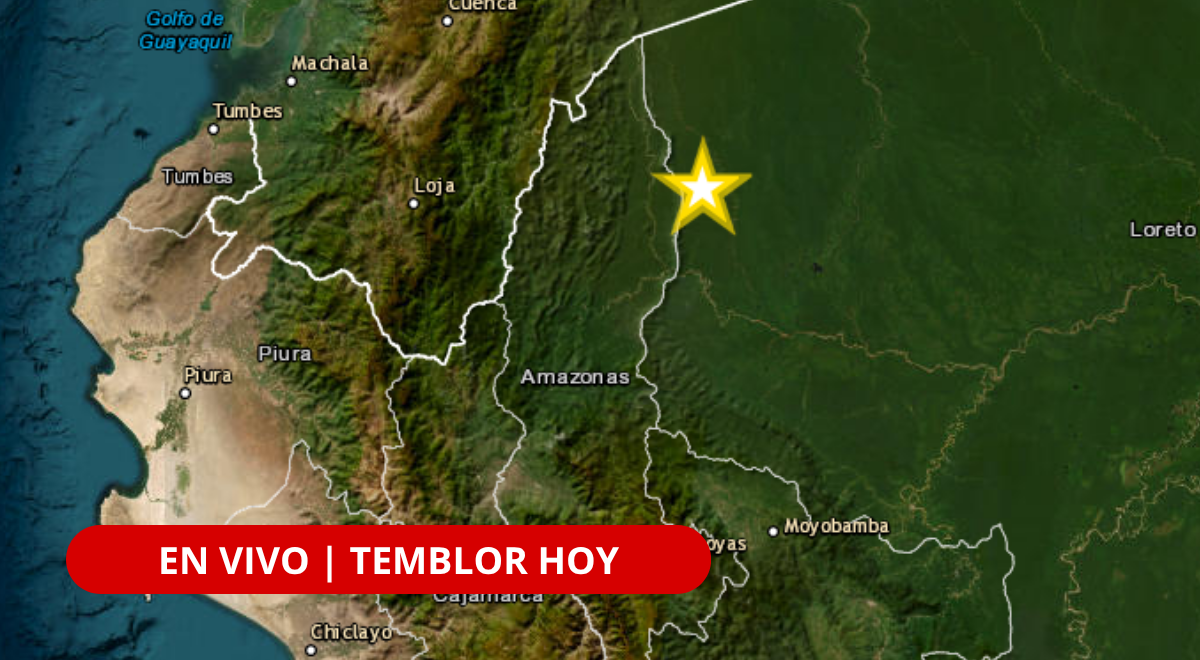
Peru’s Instituto Geofísico del Perú reported a magnitude-5.2 quake at 02:12:30 local time on 19 September 2026, 15 km deep and 96 km northeast of Santa María de Nieva in Amazonas, with intensity III. [1] The report came from the Centro Sismológico Nacional (CENSIS) under the Instituto Geofísico del Perú. The coordinates listed are latitude -3.85 and longitude -77.43. Intensity III indicates light shaking that can be felt indoors by some people but causes no damage. Peru registers movements sísmicos de manera constante debido a su ubicación en el Cinturón de Fuego del Pacífico. [1] The IGP maintains ongoing monitoring of seismic activity across the national territory and directs the public to its official channels for updates.
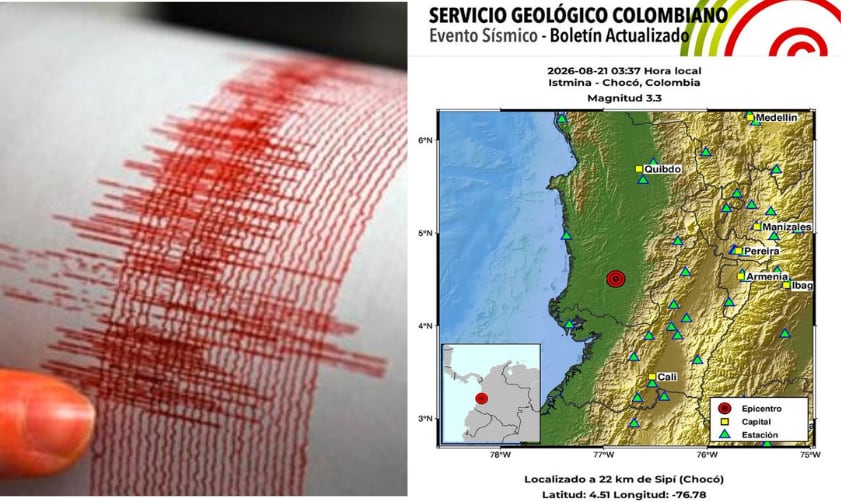
A magnitude 4.1 earthquake struck Colombia on Saturday. — Source: gdelt
Back-to-Back Quakes Hit Colombia’s Chocó Region
Colombia’s Servicio Geológico Colombiano recorded a magnitude-4.3 shallow earthquake near Istmina, Chocó, at 6:20 p.m. local time, followed hours earlier by a magnitude-4.0 event at 44 km depth also near Istmina that was felt in Cali and Pereira. [2] The later event reached a magnitude of 4.3 according to the preliminary bulletin. The earlier quake occurred at 5:28 p.m. with a reported magnitude of 4.0 and a depth of 44 kilometers, its reference point located about 27 kilometers from Sipí. Some residents in Cali and Pereira confirmed they perceived that earlier movement. The Servicio Geológico Colombiano asked people who felt either quake to submit reports through the Sismo Sentido platform. This tool gathers citizen observations on location and effects to evaluate intensity in different zones. The agency notes that magnitude and intensity represent different concepts, with magnitude measuring overall size while intensity varies by place and observed effects. [2]
Safety Guidance and Emergency Preparedness
Peru’s location on the Pacific Ring of Fire causes frequent seismic activity, and authorities urge residents to maintain emergency kits and follow official updates. [1] Recommended items for an emergency backpack include water, non-perishable foods, a flashlight, a battery-powered radio, a first-aid kit, medicines, bandages and adhesive strips, alcohol or disinfectant, blankets, hygiene articles, and specific products for babies, older adults, or people with special needs. [1] After a strong movement, residents should avoid approaching damaged structures and stay attentive only to information from official authorities. Colombian guidance for a larger-magnitude event stresses remaining calm and acting in an organized manner. During shaking, the general recommendation is to drop, cover, and hold on by seeking a safe spot, protecting the head and neck, and staying away from windows, glass, falling objects, and unsecured items. [2] Inside a building, people should stay put for the duration of the quake and avoid elevators. Once shaking stops, they should assess conditions and evacuate only via established routes without running or pushing. In public spaces, individuals are advised to move away from facades, poles, electrical cables, trees, and other elements that could detach. Drivers should slow down and stop in a safe location, steering clear of bridges, tunnels, and areas near structures that might collapse. If injuries occur, help should be requested from emergency services without moving those with serious wounds unless immediate danger exists. [2]
Ongoing Seismic Monitoring in Affected Countries
Peru’s Instituto Geofísico del Perú maintains monitoring through the Centro Sismológico Nacional (CENSIS), the official service that reports on earthquakes in Peruvian territory. [1] Colombia’s Servicio Geológico Colombiano issues preliminary bulletins and directs the public to consult its official updates amid ongoing seismic activity. [2] International data from the USGS contributed details on the magnitude-6.4 event in Papua New Guinea. [3] These agencies collectively track activity across the affected regions and provide channels for residents to access verified information rather than unconfirmed reports.
What to watch next: The IGP will continue releasing new seismic reports through CENSIS, while the SGC invites further citizen submissions via Sismo Sentido to refine intensity assessments for recent events in Chocó.