
Magnitude-4.5 Quake Strikes Off Alaska as Peru and Mexico Record Multiple Tremors
Recent Moderate Quakes Strike Alaska, Arctic, Peru and Mexico
A magnitude-4.5 earthquake struck at a depth of 57.9 km and was located 41 km southwest of Karluk, Alaska. [1] A magnitude-4.8 earthquake occurred at 10 km depth and was located 219 km west-southwest of Longyearbyen in Svalbard and Jan Mayen. [4] Peru’s Instituto Geofísico del Perú reported at least 15 earthquakes between 11–16 August 2026 with magnitudes ranging from 3.3 to 4.5. [2] Mexico’s Servicio Sismológico Nacional recorded magnitude-4.3 and 4.0 earthquakes southwest of Ciudad Hidalgo, Chiapas, on 17 August 2026, plus a magnitude-3.2 event near San José del Cabo, Baja California Sur. [3] These events form part of a cluster of moderate tremors reported across multiple regions in mid-August 2026. [1][2][3][4]
The Alaska event was recorded by the USGS at the specified depth and distance from Karluk. [1] The Svalbard event was recorded by the USGS at the specified depth and distance from Longyearbyen. [4] In Peru the events were concentrated in Lima, Ica, Piura, Junín, Huancavelica, Ayacucho, Moquegua, and Huánuco. [2] In Mexico the two Chiapas events occurred during the early hours of 17 August 2026 and followed a magnitude-7.4 quake on 17 July that had produced 1,751 aftershocks by 16 August. [3]
Peru’s Persistent Seismic Activity on the Ring of Fire
Peru’s Instituto Geofísico del Perú reported at least 15 earthquakes between 11–16 August 2026 with magnitudes ranging from 3.3 to 4.5. [2] The country lies on the Pacific Ring of Fire where the Nazca Plate subducts under the South American Plate. [2] Specific events included a magnitude-4.5 quake on 15 August 2026 located 52 km southwest of Sechura in Piura, a magnitude-4.2 quake on 15 August 2026 located 85 km south of Pisco in Ica, and a magnitude-4.2 quake on 11 August 2026 located 25 km southeast of Panao in Huánuco. [2] Additional events included magnitude-4.0 quakes on 14 August 2026 in Huancavelica and Ayacucho, along with multiple magnitude-3.3 to 3.5 events in Lima, Junín, and Moquegua. [2]
The subduction process causes energy to accumulate and release as seismic waves, which explains the frequency of tremors in the region. [2] The Instituto Geofísico del Perú recommends maintaining an updated family emergency plan, identifying evacuation routes in advance, keeping an equipped emergency backpack, participating in national drills, and consulting information only through official sources. [2] Emergency numbers listed include Bomberos at 116, Policía Nacional del Perú at 105, SAMU at 106, and INDECI through local and regional authorities. [2]
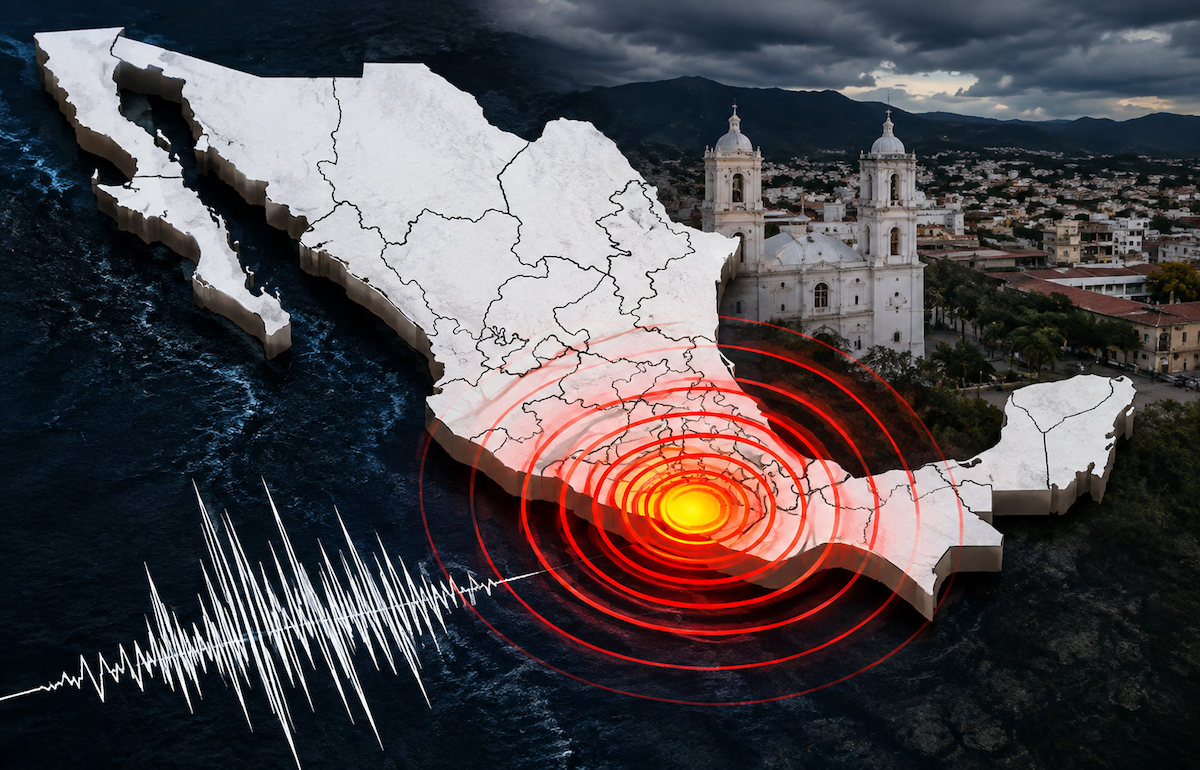
Map shows earthquake epicenters recorded in Chiapas, Mexico on 17 August 2026. — Source: gdelt
Chiapas Aftershocks Continue Months After July 7.4 Quake
Mexico’s Servicio Sismológico Nacional recorded a magnitude-4.3 earthquake at 02:50:51 on 17 August 2026 with its epicenter 152 km southwest of Ciudad Hidalgo, Chiapas, at a depth of 12 km. [3] A magnitude-4.0 earthquake followed at 04:30:43 on the same day with its epicenter 160 km southwest of Ciudad Hidalgo, Chiapas, at a depth of 10 km. [3] A separate magnitude-3.2 event occurred at 01:43:29 near San José del Cabo, Baja California Sur, at a depth of 11.9 km. [3] These tremors add to the sequence that began with the magnitude-7.4 quake on 17 July 2026, which had generated 1,751 aftershocks by 16 August 2026. [3]
The Servicio Sismológico Nacional continues to monitor the region and notes that aftershocks can occur for days, weeks, or longer after a major event, though the timing and magnitude of any next movement cannot be predicted precisely. [3] Authorities advise remaining attentive to official channels and maintaining a family civil-protection plan. [3]
Recovery Progress in Indonesia After Magnitude-7.7 NTT Quake
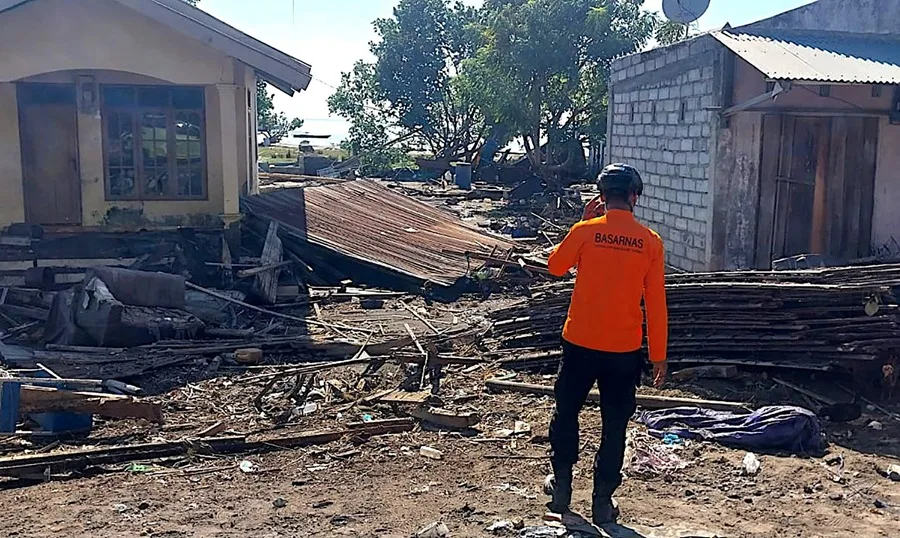
Infrastructure recovery continues in Indonesia’s East Nusa Tenggara province after the earlier magnitude-7.7 earthquake. [5] Of the 566,797 electricity customers affected, 99.5 percent have been restored, leaving 2,732 customers still requiring attention. [5] The telecommunications network managed by PT Telkom in Flores Island has reached 95.4 percent recovery, with East Manggarai at 76.3 percent. [5] Road access is generally now passable, albeit on a limited basis. [5]
A joint search-and-rescue team from the National Search and Rescue Agency and related agencies remains on standby in seven affected districts. [5] The Health Ministry has sent two field hospitals to Ruteng in Manggarai District and Nagekeo District, along with two health crisis management teams stationed in Sikka and Ende Districts. [5] Two emergency medical teams were also deployed, one focused on Ende, Nagekeo, and West Manggarai and the other on Sikka District. [5] The government deployed 1,467 joint personnel from the Indonesian military, the National Police, and other agencies, supported by 10 defense equipment units. [5] Coordinating Minister for Human Development and Cultural Affairs Pratikno stated that the presence of ministers and government agency heads in East Nusa Tenggara since the first day of the disaster reflects the government’s concern and commitment to assisting affected communities. [5]
Global Context and Official Monitoring Sources
The USGS recorded the magnitude-4.5 event near Karluk, Alaska, and the magnitude-4.8 event near Svalbard. [1][4] Peru’s Instituto Geofísico del Perú reported the series of 15 events between 11–16 August 2026. [2] Mexico’s Servicio Sismológico Nacional recorded the Chiapas and Baja California Sur events on 17 August 2026 and tracked the 1,751 aftershocks from the July mainshock. [3] Indonesia’s National Disaster Mitigation Agency provided the latest updates on infrastructure recovery percentages and deployed assets. [5] Readers are advised to consult only official channels such as the USGS, Instituto Geofísico del Perú, and Servicio Sismológico Nacional for real-time seismic information. [1][2][3][4][5]
What to watch next: Aftershocks in Chiapas may continue for an undetermined period following the July mainshock, while remaining electricity customers in East Nusa Tenggara are expected to be addressed in the coming days.