M2.9 and M4.0 earthquakes today Strike California and Alaska with No Damage Reported
Multiple low-intensity earthquakes today struck various global locations over the past 24 hours, including a magnitude 2.9 temblor near Pinnacles, California, a magnitude 4.0 event off the coast of Alaska, a magnitude 2.2 quake in Venezuela, and a magnitude 3.5 tremor in Peru's Junín region, with no major damage reported from these low-intensity events.
Recent Seismic Activity Overview
A M2.9 earthquake occurred at a depth of 6.5 km, located 11 km NW of Pinnacles, California. [1] A M4.0 earthquake struck at a depth of 16.8 km, 193 km WSW of Adak, Alaska. [2] Venezuela's Funvisis recorded a M2.2 earthquake at 11:44 pm on November 20 with a shallow depth of 3.2 km, epicenter 44 km southwest of Machiques in Zulia state; no damage or injuries reported. [3] Peru's IGP reported a M3.5 earthquake on November 21 at 9 km depth, 13 km southwest of Chupaca in Junín with intensity II-III; safety guidance issued but no widespread impacts detailed from this specific event. [4] A prior M6.7 quake in Junín on November 20 caused a rockfall in Huánuco that nearly struck a vehicle, highlighting risks from stronger regional seismicity. [4] These events were all recorded by official agencies including the USGS and national seismological institutes, confirming the low magnitudes involved. [1] [2] [3] [4]
California Earthquake Details
A M2.9 earthquake occurred at a depth of 6.5 km, located 11 km NW of Pinnacles, California. [1] The USGS reported the precise parameters for this event, which remained well below levels associated with any structural effects. [1] No additional details on aftershocks or secondary impacts were noted in the official record for this California temblor. [1] The location 11 km northwest of Pinnacles places the epicenter in a region monitored continuously for seismic activity. [1]
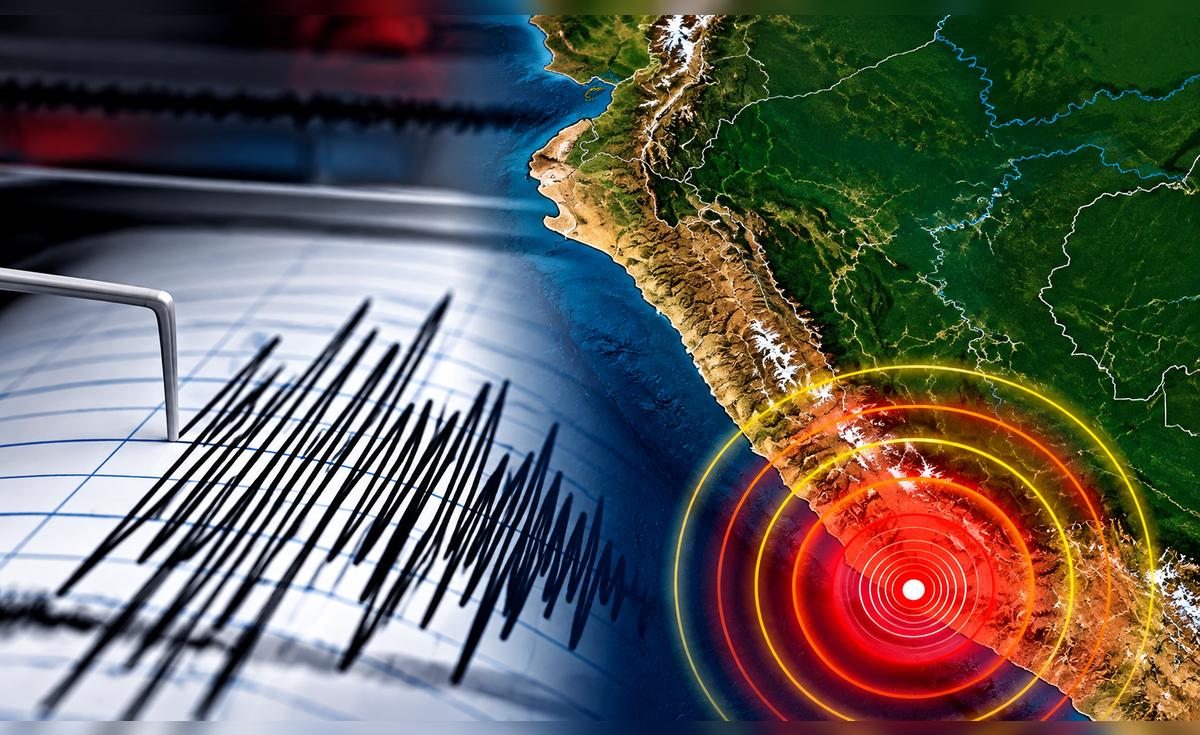
A magnitude 3.5 earthquake struck 13 km southwest of Chupaca in Peru's Junín region. — Source: gdelt
Alaska Offshore Quake Report
A M4.0 earthquake struck at a depth of 16.8 km, 193 km WSW of Adak, Alaska. [2] The USGS documented this offshore event with coordinates placing it west-southwest of Adak at the stated depth. [2] No damage reports accompanied the M4.0 reading, consistent with its distance from populated areas. [2] The depth of 16.8 km contributed to the limited surface effects observed from this Alaska earthquake. [2]
Venezuelan Sismo in Zulia
Venezuela's Funvisis recorded a M2.2 earthquake at 11:44 pm on November 20 with a shallow depth of 3.2 km, epicenter 44 km southwest of Machiques in Zulia state; no damage or injuries reported. [3] The event registered at coordinates 9.82° north latitude and -72.86° west longitude according to the national agency. [3] Funvisis described the quake as leve due to its low magnitude and reiterated calls for citizens to maintain calm during such natural events in a tectonically active country. [3] No material damages or affected persons were reported near the epicenter in Zulia state. [3]
Peru earthquakes today Tremors and Regional Impacts
Peru's IGP reported a M3.5 earthquake on November 21 at 9 km depth, 13 km southwest of Chupaca in Junín with intensity II-III; safety guidance issued but no widespread impacts detailed from this specific event. [4] The report from IGP/CENSIS/RS 2026-0820 listed the exact local date and time along with the magnitude, depth, latitude of -12.15, longitude of -75.37, and intensity range. [4] A prior M6.7 quake in Junín on November 20 caused a rockfall in Huánuco that nearly struck a vehicle, highlighting risks from stronger regional seismicity. [4] The rockfall occurred in the district of Tomay Kichwa along the Carretera Central, where passengers inside the vehicle were spared direct impact. [4] Peru's IGP continues to issue updates on seismic events to inform the public of characteristics such as hour, magnitude, depth, and epicenter location. [4]
Safety Guidance from Authorities
Peru's IGP and Indeci provided detailed recommendations following the recent events. Maintain calm and proceed to established security zones. [4] Attend to minors, elderly persons, and individuals with different abilities. [4] Move away from windows, exterior doors, walls, mirrors, and glass. [4] Keep distance from electrical cables and poles in the street. [4] Regional authorities ask residents to stay calm and identify safe zones inside and outside homes to avoid damage. [4] An emergency backpack should contain masks, tools, alcohol, basic canned foods, a portable radio, and other essentials. [4] After a quake, check for gas leaks that could cause fire. [4] Call emergency numbers such as firefighters at 116, Cruz Roja at (01) 2660481, and SAMU at 106. [4] Assist the injured while watching for possible aftershocks. [4] Avoid proximity to houses affected by the quake. [4] If near the sea, move away from the zone until any tsunami possibility is ruled out. [4] Keep evacuation routes clear of furniture, boxes, and other obstacles that could impede movement. [4] Recognize exits and safe zones in homes, workplaces, or schools in advance. [4] An emergency backpack must include water, non-perishable foods, flashlight, radio, batteries, first-aid kit, masks, important documents, and hygiene articles. [4] Contents should be adapted for children, older adults, people with disabilities, and pets. [4] After a quake, avoid prolonged phone calls to prevent network congestion; use text messages or messaging apps for brief updates to family. [4] The magnitude measures total energy released at the source while intensity measures felt effects and damage at a specific place. [4] Depth is a key parameter alongside magnitude and epicenter location for understanding recorded movements. [4] Reports from IGP allow tracking of event time, magnitude, depth, and epicenter, with updates issued as new movements are registered. [4]
What to watch next includes continued monitoring by IGP for any additional tremors in Junín and updates from Funvisis on activity in Zulia state.