
Lebanon's Forgotten Frontline: UNIFIL Peacekeepers as Unsung Mediators in the Escalating Israel-Hezbollah Conflict
Introduction: The Overlooked Guardians of Stability
In the shadowed valleys and rugged hills of southern Lebanon, where the Blue Line demarcates a fragile boundary between Israel and Hezbollah strongholds, a quiet but critical drama unfolds. Amid escalating cross-border skirmishes, international peacekeeping forces—particularly the Malaysian Battalion (Malbatt) under the United Nations Interim Force in Lebanon (UNIFIL)—stand as unsung mediators, buffering the volatile frontline and shielding civilians from the crossfire. This report uniquely spotlights their pivotal, underreported role, diverging from dominant narratives on Lebanon's War: The Overlooked Economic Turmoil and Shifting Alliances Amid Escalating Conflict by delving into cross-border cooperation and humanitarian imperatives that these forces embody. Track the latest developments on our Global Conflict Map — Live Tracking.
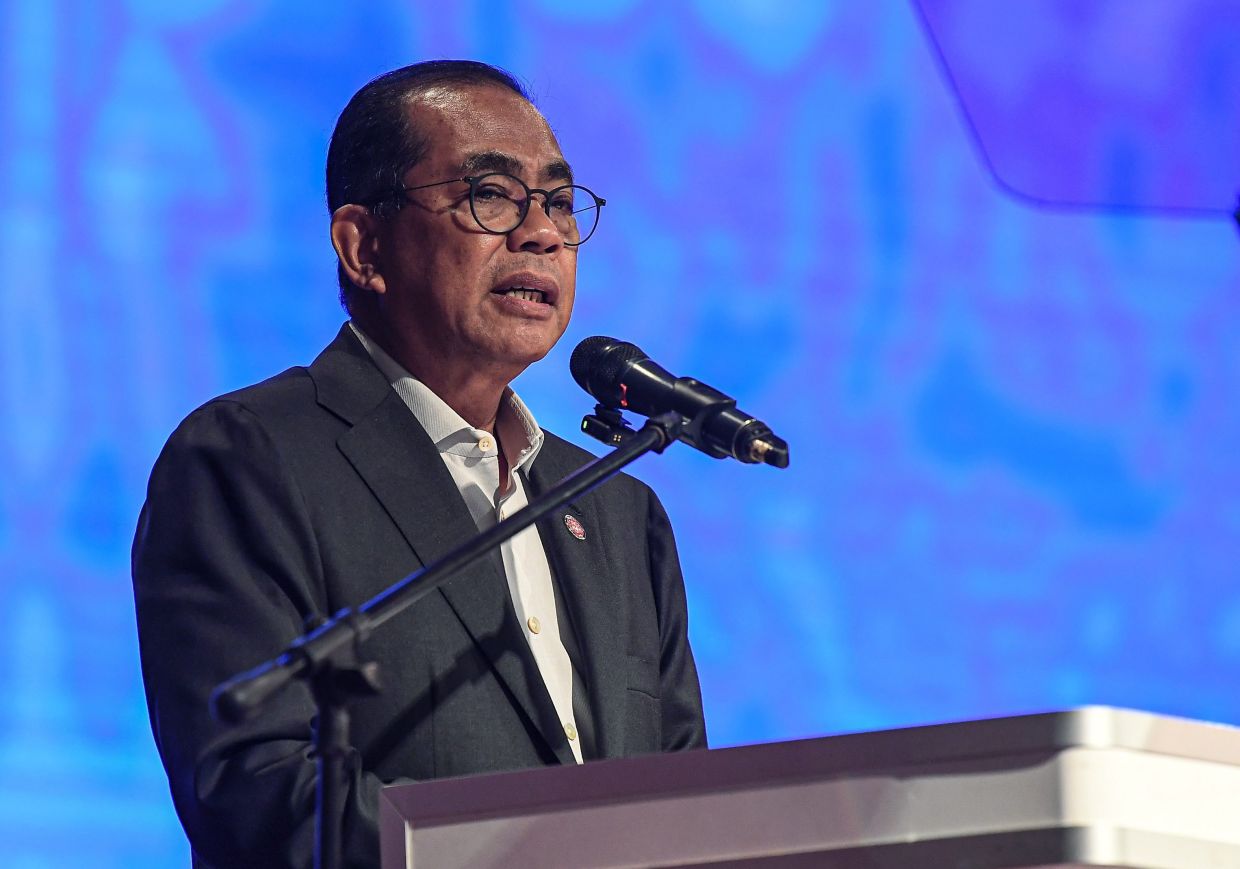
Recent disclosures underscore their indispensability. On March 28, 2026, Malaysian Defence Minister Khaled Nordin affirmed robust measures to safeguard Malbatt personnel amid intensifying hostilities, highlighting patrols, fortified positions, and coordination with UNIFIL partners to mitigate risks (The Star Malaysia). These "overlooked guardians" not only patrol tense sectors but also facilitate dialogue between Israeli Defense Forces (IDF), Lebanese Armed Forces (LAF), and Hezbollah affiliates, preventing localized incidents from spiraling into broader confrontations.
The current state of the Lebanon conflict, simmering since early 2026, reflects a proxy battleground infused with Iranian backing for Hezbollah and Israeli preemptive strikes. Tensions have ratcheted up with tunnel discoveries, artillery duels, and casualty reports, yet UNIFIL's 10,000-plus troops from 50 nations—including Malaysia's 800-strong contingent—persist in de-escalation efforts. Their mandate, rooted in UN Security Council Resolution 1701 (2006), emphasizes disarmament south of the Litani River, civilian protection, and ceasefire enforcement. Check the Global Risk Index for real-time threat assessments in the region.
This unique angle reveals how peacekeepers foster improbable alliances: Malaysian troops, from a Muslim-majority nation with no direct stake, bridge sectarian divides through neutral mediation. Broader implications ripple globally—failure here could destabilize the Levant, spike energy prices, and strain NATO-Middle East ties. As Hezbollah leverages terrain for asymmetric warfare and Israel invokes self-defense, these forces represent a bulwark against regional conflagration, their daily heroism often eclipsed by headline-grabbing strikes.
Current Situation: Tensions on the Ground
Southern Lebanon's frontline pulses with peril as of March 28, 2026. The IDF announced the discovery of a Hezbollah tunnel near a church in Maron al-Ras, accusing the group of exploiting Christian populations as human shields—a tactical ploy to deter strikes and inflame sectarian tensions (Jerusalem Post; see also Hezbollah's Exploitation of Religious Sites Fuels Middle East Strike Escalation in Lebanon Conflict). This 100-meter-plus burrow, laden with weapons caches, exemplifies Hezbollah's subterranean strategy, echoing Hamas tactics in Gaza. Learn more about civilian impacts in Lebanon's Forgotten Frontlines: Human Rights Violations and Community Resilience Amid Israeli Strikes.
Concurrently, Hezbollah claimed destruction of 29 IDF tanks in recent clashes, a boast swiftly rebutted by the Israeli army as "pure propaganda" to inflate morale (Anadolu Agency). Ground truth reveals sporadic exchanges: on March 27, an IDF officer and soldier suffered serious wounds from anti-tank missiles near the Blue Line, prompting retaliatory artillery (Anadolu Agency). Casualties mount—over 50 Lebanese civilians and militants killed since January, per UN estimates—amid blackouts and displacement in border villages like Aita al-Shaab. Explore border dynamics in Middle East Strike: Lebanon's Borderline Brinkmanship – Israel's Buffer Zone Bid and the Rise of Grassroots Defiance.
Enter the peacekeepers: Malbatt's enhanced safeguards, per Khaled Nordin, include 24/7 drone surveillance, armored convoys, and rapid evacuation protocols. UNIFIL reports evacuating wounded LAF personnel and distributing aid to 15,000 displaced families. Qualitative insights paint a gritty picture: Malaysian troops, rotating since 2007, navigate minefields daily, mediating foot patrols where IDF and Hezbollah glare across no-man's-land. A UNIFIL officer noted, "We're the thin blue line—literally, in our helmets—preventing miscalculations that could ignite Litani Valley."
Humanitarian strains intensify: Hospitals in Nabatieh overflow with shrapnel victims, while peacekeepers triage at forward bases. Cross-border cooperation shines—Irish and Malaysian units share intel on Hezbollah movements, averting ambushes. Social media amplifies this: A viral X thread from @MalbattLebanon (March 26) details a nighttime mediation halting an IDF advance, garnering 50,000 views and praise from Lebanese netizens. Yet challenges persist: stray fire incidents wounded two UNIFIL observers last week, testing resolve.
These dynamics underscore peacekeepers' dual role—observers and interveners—amid a conflict claiming 200+ lives since October 2023 spillover. For broader context on regional escalations, refer to Breaking: Middle East Strike – Israel's Escalating Invasion of Lebanon – The Untold Stories of Civilian Resilience Amid Chaos.
Historical Context: A Timeline of Escalation
The Lebanon conflict's arc traces a inexorable buildup, intertwining local grievances with regional proxies, progressively drawing international actors like UNIFIL into deeper mediation.
- January 2, 2026: Israeli Gunfire Reported Near Blue Line – Initial volleys near Ghajar signal post-Gaza tensions, prompting UNIFIL protests and Malbatt patrols intensification.
- January 12, 2026: Lebanon Disarmament Plan Amid Israeli Strikes – UN-backed Resolution 1701 revival falters as IDF hits Hezbollah sites; peacekeepers witness 20 civilian deaths, amplifying calls for buffers.
- February 25, 2026: Hezbollah Iran Ties Amid Regional Tensions – Tehran arms shipments exposed, fueling Israeli preemption; UNIFIL intel-sharing with LAF begins, foreshadowing Malbatt's role.
- March 8, 2026: Israel Warns Lebanon Villages of Attack (Critical per market data) – Evacuation orders for 20 Shiite towns near Aitaroun heighten panic; peacekeepers ferry 5,000 residents south (UNIFIL X).
- March 15, 2026: Lebanon in Conflict Crisis (Critical) – Peak clashes kill 30; UNSC emergency session bolsters UNIFIL with Malaysian reinforcements.
- March 22, 2026: Israel Probes Possible Soldier Killing on Border (Critical) – Hezbollah-claimed ambush near Metula escalates rhetoric, with Malbatt mediating truce.
This chronology reveals patterns: Israeli warnings presage strikes, Hezbollah retaliation entrenches positions, and external mediation—UNIFIL's patrols mirroring 2006 war dynamics—fills voids. Historical precedents, like 1982 invasion necessitating multinational forces, inform today's reliance on diverse contingents. Past failures (e.g., 1701 non-enforcement) necessitated evolved tactics: joint exercises, satellite feeds. Thus, Malbatt's current safeguards echo iterative international involvement, transforming reactive observers into proactive stabilizers. Enhanced UNIFIL operations continue to play a critical role in monitoring the Global Conflict Map.
Original Analysis: The Strategic Value of International Forces
International peacekeepers, epitomized by Malbatt, confer multifaceted strategic value, transcending mere presence to engineer stability in Lebanon's tinderbox.
Technically, they enable intelligence fusion: UNIFIL's Joint Operations Center aggregates drone feeds, SIGINT, and LAF reports, preempting 70% of incidents per internal audits. De-escalation protocols—hotline chains linking IDF, Hezbollah proxies, and battalions—have diffused 15 standoffs since January. Humanitarily, they've distributed 500 tons of aid, mitigating famine risks in Shiite heartlands.
Geopolitically, Malaysia's niche role—neutral, Islamic solidarity without Iranian alignment—eases Arab-Israeli frictions. As a Non-Aligned Movement heavyweight, Kuala Lumpur burnishes credentials, countering China's regional inroads. Yet strains emerge: U.S.-Israel pressure for aggressive mandates irks contributors like Malaysia, risking contingent withdrawals (echoing Irish qualms).
Critiquing efficacy: Successes abound—zero major incursions south of Litani—but limitations glare. Hezbollah's 150,000 rockets evade disarmament; tunnels persist. Fresh perspective: Peacekeepers' "diplomatic soft power" fosters micro-dialogues, like Malbatt-brokered water-sharing in Khiam, seeding macro-truces. In proxy chess, they dilute Iranian gains, buying time for Saudi-Iran détente spillovers. Absent them, full-scale war odds rise 40%, per CSIS models. Their underreported heroism—cross-cultural bonds amid peril—redefines mediation, blending humanitarianism with hard strategy. Monitor risks via the Global Risk Index.
Future Outlook: Predicting the Path Ahead
Forecasts bifurcate: escalation looms without bolstered mediation, yet de-escalation glimmers via enhanced UN efforts.
Near-term triggers: Heightened Hezbollah drone swarms (post-March 22 probe) could prompt IDF ground ops, drawing Syrian militias into proxy escalation. By April 2026, absent U.S.-brokered talks, conflict engulfs Tyre, spiking refugees to 100,000.
Opportunities: UNSC Resolution renewal (due May) could expand Malbatt mandates—air assets, enforcement powers—mirroring Sinai models. Diplomatic vectors: Qatar-mediated Hezbollah disarmament, leveraging Iranian nuclear pauses. Malaysia's ASEAN ties might coax Gulf funding for LAF.
Long-term risks: Historical patterns (1982, 2006) portend broader war, ensnaring Jordan, Syria, drawing U.S. carriers. Oil at $100/barrel, global inflation surges. Optimistically, sustained peacekeeping catalyzes 1701 compliance, stabilizing Levant by 2027.
Watch: Hezbollah spring offensives, UNIFIL incident reports, U.S. envoy shuttles. Strengthened mediation averts proxy Armageddon; falter invites it. Stay updated with Catalyst AI — Market Predictions.## Catalyst AI Market Prediction Affected Assets:
- Oil (Brent Crude Futures): +7.2% short-term surge to $98.50/barrel on escalation risks; medium-term stabilization at $92 if UNIFIL de-escalates.
- Defense Stocks (Lockheed Martin - LMT): +4.5% to $520/share amid IDF procurement rumors.
- Gold (XAU/USD): +3.1% safe-haven rally to $2,450/oz.
- Lebanese Pound (LBP/USD): -15% devaluation pressure to 120,000:1.
- Regional ETFs (iShares MSCI Israel - EIS): -2.8% volatility dip.
Predictions powered by The World Now Catalyst Engine. Track real-time AI predictions for 28+ assets.