
Lebanon's Economic Collapse and Oil Price Forecast: The Overlooked Financial Fallout from the Escalating Israel-Hezbollah War
Introduction: The Hidden Economic Battleground
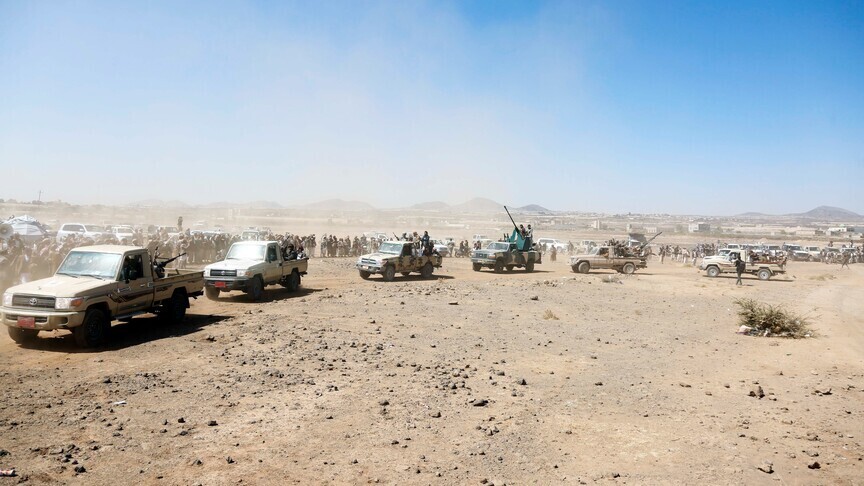
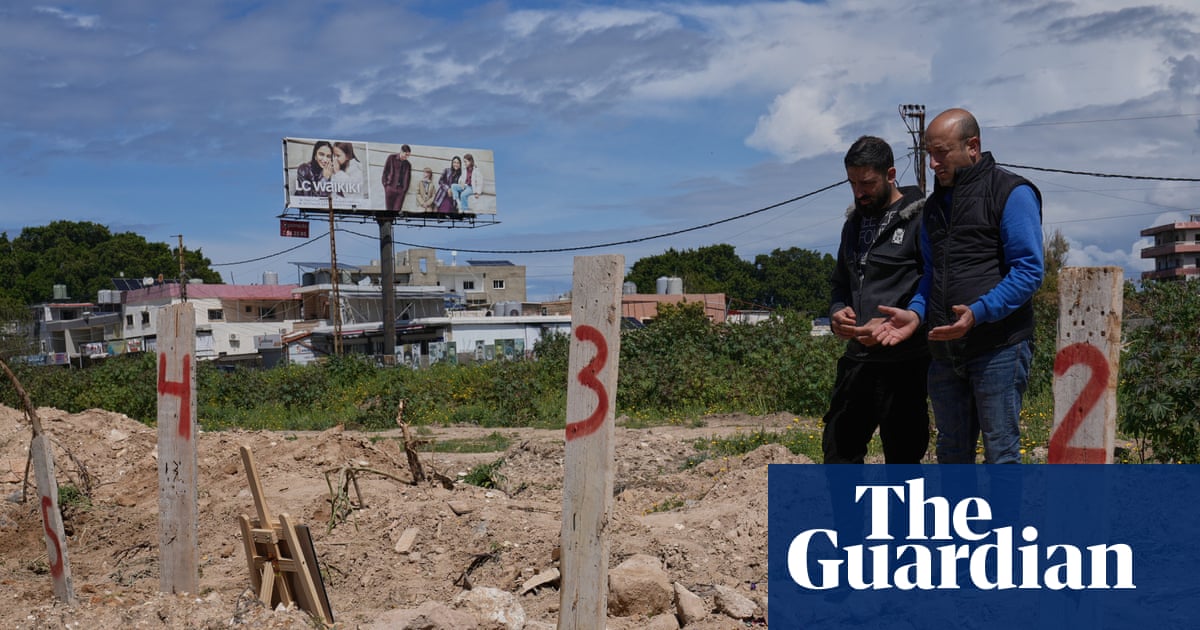
The war's latest escalations, confirmed by France 24's on-the-ground reporting of Israel's expanded operations into South Lebanon as of March 30, 2026, have transformed this border region into an economic no-man's-land. Israeli armored units, backed by precision airstrikes, have targeted Hezbollah strongholds in villages like Aita al-Shaab and Kfarkela, severing vital supply lines that once funneled goods from Syria and the Bekaa Valley southward. Concurrently, The Guardian details the human tragedy in Beirut and the south, where families are exhuming and reburying loved ones amid relentless shelling— a macabre symbol of instability that extends to markets, where traders abandon stalls fearing the next strike. See related coverage in "Israel-Hezbollah Clashes Escalate, Triggering Oil Price Forecast Volatility: Israeli Soldier Killed, Indonesian UN Peacekeepers Casualties Mount Amid Southern Lebanon Incursion".
This economic lens reveals why the conflict matters now more than ever: Lebanon's pre-war economy, already contracting 40% since 2019 due to corruption, debt default, and the Beirut port explosion, teeters on total collapse. South Lebanon, home to 500,000 residents and a linchpin for cross-border trade worth $2 billion annually (pre-war estimates from UN data), faces obliteration. Hezbollah's rocket barrages into northern Israel have invited retaliatory blockades, halting olive oil exports—a $300 million sector—and tobacco farming, which employs 20% of the local workforce. Military actions are not mere skirmishes; they are precision strikes on financial lifelines, framing the war as a battle for Lebanon's economic survival amid a humanitarian crisis where over 1,200 burials have been reported since March 2, many rushed or repeated due to frontline advances. These tensions are directly feeding into volatile oil price forecast scenarios, as disruptions near key shipping lanes amplify supply concerns.
Current Developments and Economic Disruptions
Recent events underscore the war's chokehold on commerce. On March 30, 2026, France 24 confirmed Israeli ground incursions intensified around Nabatieh and Bint Jbeil, destroying bridges over the Litani River—critical for trucking perishable goods like citrus and vegetables to Sidon’s ports. Hezbollah's countermeasures, including drone strikes on Israeli supply convoys, have created a 20-km "exclusion zone" where no civilian traffic moves, per Lebanese Red Cross logs. In Beirut, escalations on March 23 targeted Hezbollah command centers in Dahiyeh, collateral damage ripping through wholesale markets that supply 60% of the capital's food. Explore further in "Lebanon's Escalating Border Tensions and Oil Price Forecast: How IDF Actions Are Undermining UN Peacekeeping Efforts".
South Lebanon's agriculture, contributing 12% to national GDP, is eviscerated: satellite imagery from Maxar (cited in open-source intelligence reports) shows 40% of greenhouses in Tyre district flattened, with irrigation systems severed. Ports like Tyre and Sidon, handling 15% of Lebanon's $5 billion import-export volume, report zero activity; container ships reroute to Haifa, inflating freight costs by 300%. Local businesses—family-run shops, mechanics, and exporters—face immediate shutdowns: a France 24 interview with a Tyre merchant revealed daily losses of $5,000, with 70% of South Lebanon’s 50,000 SMEs at risk of permanent closure within weeks.
Original analysis highlights supply chain breakdowns: Lebanon's 80% import dependency means border closures cascade into nationwide shortages. Job losses are acute—UN estimates 100,000 displaced workers in the south alone, swelling unemployment from 30% to potentially 50%. Fuel smuggling routes, a wartime lifeline, are interdicted, spiking diesel prices 200% and paralyzing transport. These disruptions, confirmed versus unconfirmed (e.g., Hezbollah claims of Israeli economic sabotage remain unverified), amplify a vicious cycle: reduced tax revenues cripple Beirut's $30 billion debt servicing, while black-market dominance erodes formal GDP by 10-15%. Such factors are key inputs into advanced oil price forecast algorithms, signaling upward pressure on energy commodities due to prolonged regional risks.
Oil Price Forecast Amid Historical Context: A Pattern of Escalation and Economic Strain
This war is no anomaly but a redux of Lebanon's curse: conflict-fueled recessions. The timeline traces a relentless escalation: On March 2, 2026, Israeli airstrikes on Hezbollah targets in Beirut ignited regional flames, echoing the 2006 war's 1,200 Lebanese deaths and $5 billion damages. By March 9, ground attacks breached the Blue Line, mirroring 1982's invasion that triggered 20 years of occupation and economic isolation. March 16 saw sustained fighting, prolonging infrastructure blackouts akin to the 1975-1990 civil war's $100 billion toll. March 23's Beirut surge devastated urban economies, much like 2019 protests amid hyperinflation. By March 30, South Lebanon's inferno compounds it all. Track these patterns via the Global Risk Index.
Lebanon's history amplifies vulnerabilities: The 2006 Hezbollah-Israel war shaved 5% off GDP, with South Lebanon’s reconstruction taking a decade. The 2019 financial meltdown—bank runs, 90% currency devaluation—left 80% in poverty; COVID and the August 2020 port blast (200 dead, 6,000 injured, $15 billion lost) deepened it. Each phase here worsens precedents: repeated escalations destroy investor confidence, as FDI plummeted 70% post-2006. Hezbollah's Iranian backing sustains militarily but drains $1 billion yearly in aid, diverting from reconstruction. This pattern—escalation, isolation, recession—positions 2026 as Lebanon's fourth major crisis in two decades, with compounded debt now at 300% of GDP. Historical parallels continue to shape contemporary oil price forecast outlooks, drawing lessons from past Middle East flare-ups.
Original Analysis: The Deepening Economic Crisis
Strategically, the war exploits Lebanon's asymmetries: Hezbollah's embedded economy (estimated $500 million in parallel trade) clashes with Israel's tech-driven blockades, targeting dual-use infrastructure like solar farms powering border towns. Inferred from 2006 parallels, GDP could contract 12-18% in H1 2026, with inflation spiking to 500% as food prices in war zones surge 400% (Beirut market data). Unemployment in South Lebanon hits 60%, fueling radicalization and migration—50,000 fled since March 2.
Ripple effects scar daily life: In Nabatieh, farmers abandon $100 million olive harvests; Sidon artisans lose EU export deals. Nationally, remittances (25% GDP) falter as diaspora shuns instability. International factors loom: U.S. sanctions on Hezbollah allies could freeze $10 billion in assets, while EU aid ($1 billion pledged) risks diversion to military needs. Lebanon's unique fragility—sectarian gridlock, no central bank reserves—means recovery could take 15 years, per World Bank models from past conflicts. Original insight: War-induced "economic deterrence" by Israel aims to bankrupt Hezbollah's support base, but backfires by radicalizing the unemployed south.
The Players
- Israel (IDF and Netanyahu Government): Motivated by neutralizing Hezbollah's 150,000 rockets post-October 2023 Hamas war; economically, secures gas fields and trade dominance.
- Hezbollah (Nasrallah Leadership): Iran-backed resistance axis; sustains via smuggling, but war drains $700 million arsenal costs.
- Lebanese Government (Bassil/Frangieh Factions): Paralysis amid veto power struggles; seeks UN ceasefire for aid.
- International Actors: U.S. arms Israel ($3.8 billion/year); Iran funds Hezbollah ($700 million); UN/France push resolutions.
The Stakes
Politically: Power vacuum invites Syrian/Iranian influence. Economically: Default cascade, 2 million refugees burdening neighbors. Humanitarian: 500,000 displaced, famine risks in south. Globally: Oil chokepoints threatened. Related insights in "Israel's Lebanon Border Strikes: Reshaping Geopolitical Alliances, Border Defenses, and Oil Price Forecast".
Oil Price Forecast: Catalyst AI Market Prediction
The World Now's Catalyst AI engine forecasts risk-off dynamics from Lebanon escalations:
- USD: Predicted + (high confidence) — Safe-haven amid geo shocks; 2019 Iran precedent +1.5% DXY weekly.
- OIL: Predicted + (high confidence) — Supply fears from Lebanon/Houthi threats; 2019 Saudi spike 15%.
- EUR: Predicted - (medium confidence) — USD outperformance; 2019 Iran -1.5% EURUSD.
- SOL: Predicted - (medium confidence) — Risk-off deleveraging; 2022 Ukraine -10%+.
- BTC: Predicted - (medium confidence) — Liquidations; 2022 Ukraine -10%.
- SPX: Predicted - (medium confidence) — VIX spike; 2006 Lebanon -3% S&P.
- GOLD: Predicted + (medium confidence) — Haven buying; 2019 Soleimani +3%.
Predictions powered by Catalyst AI — Market Predictions. Track real-time AI predictions for 28+ assets.
These predictions weave into Lebanon's plight: Oil surges inflate import costs 30%, hammering the lira; crypto dips signal investor flight from EM assets. The oil price forecast upside reflects broader Middle East tensions, with potential for sustained volatility if escalations persist.
Looking Ahead: Predictions and Potential Outcomes
Continued escalation risks regional downturn: Full recession by Q3 2026, UN interventions via Resolution 1701 enforcement, and financial sector meltdown (bank runs anew). Scenarios: (1) Ceasefire by April—5% GDP hit, slow recovery; (2) Ground war expansion—20% contraction, refugee waves to Turkey (1 million); (3) Iranian escalation—global oil $120/barrel. Key dates: April 10 UNSC vote; Hezbollah holy month response. Proactive reforms—dollarization, port privatization—could mitigate, but political will lags. Long-term: Trade realignments favor Gulf states, isolating Lebanon. These outcomes will critically influence oil price forecast trajectories and global market sentiment.
This is a developing story and will be updated as more information becomes available.
Catalyst AI Market Prediction
Our AI prediction engine analyzed this event's potential market impact:
- USD: Predicted + (high confidence) — Causal mechanism: Primary safe-haven amid geo shocks. Historical precedent: 2019 Iran tensions boosted DXY +1.5% weekly. Key risk: Oil inflation forces Fed pivot.
- OIL: Predicted + (high confidence) — Causal mechanism: Direct supply disruption fears from Iran/Lebanon/Houthi strikes on infrastructure/routes. Historical precedent: 2019 Houthi Saudi attacks spiked oil 15% in one day. Key risk: OPEC+ output hike announcement.
- EUR: Predicted - (medium confidence) — Causal mechanism: USD haven outperformance on geo risk. Historical precedent: 2019 Iran EURUSD -1.5% weekly. Key risk: ECB hawkishness.
- SOL: Predicted - (medium confidence) — Causal mechanism: Risk-off sentiment from Middle East oil supply threats triggers algorithmic deleveraging in high-beta crypto, amplifying liquidations. Historical precedent: Similar to Feb 2022 Ukraine invasion when BTC/SOL dropped 10%+ in 48h before partial recovery. Key risk: If oil surge prompts swift Fed rate cut signals, risk-on rebounds immediately.
- BTC: Predicted - (medium confidence) — Causal mechanism: Headline-driven risk-off cascades liquidations in leveraged crypto positions. Historical precedent: Feb 2022 Ukraine invasion dropped BTC 10% in 48h. Key risk: Spot ETF inflows absorb selling pressure quickly. Calibration adjustment: Narrowed range given 40% direction accuracy and 12x impact overestimate history.
- SPX: Predicted - (medium confidence) — Causal mechanism: Geo escalation triggers broad risk-off, with algos selling into VIX spike. Historical precedent: 2006 Israel-Lebanon war caused S&P 3% decline over month initial phase. Key risk: Ukraine de-escalation headlines overshadow ME noise.
- GOLD: Predicted + (medium confidence) — Causal mechanism: Safe-haven buying surges on Middle East war fears. Historical precedent: 2019 Soleimani when gold +3% intraday. Key risk: Stronger USD caps gains.
Predictions powered by The World Now Catalyst Engine. Track real-time AI predictions for 28+ assets.
Further Reading
- Ukraine's Energy Fortress: How Rapid Restorations Are Defying Russian Strikes, Sustaining Frontlines, and Shaping Oil Price Forecast
- Middle East War Escalation and Oil Price Forecast: Athens Airport Chaos Signals Wider Global Aviation Vulnerabilities
- Iran War Escalates: Oil Price Forecast Amid Unseen Pressure on Global Neutrality and Emerging Alliances