Kuwait's Unyielding Resolve Amid Geopolitical Risk Index Surge: Civil Society's Role in Defending Against Escalating Strikes
By Viktor Petrov, Conflict & Security Correspondent, The World Now
March 20, 2026
Introduction: The Human Face of Kuwait's Latest Strikes
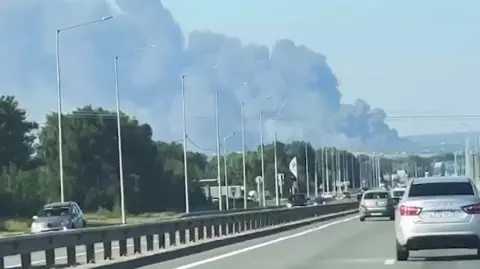
In the pre-dawn hours of March 19, 2026, Kuwait's skies lit up once more as air defenses intercepted a barrage of drones and missiles targeting key oil facilities in the Ahmadi Governorate. Anadolu Agency reported limited fires erupting from two drone impacts on storage tanks at the Mina Abdullah oil complex, with no casualties but significant disruptions to refining operations. Black smoke billowed over residential areas, forcing the evacuation of hundreds of families from nearby neighborhoods like Egaila and Fintas. This latest assault, the fourth in less than a month, underscores the relentless pressure on Kuwait amid escalating regional tensions involving Iran-backed proxies. These developments have sharply elevated Kuwait's geopolitical risk index, highlighting vulnerabilities in Gulf energy infrastructure and prompting heightened global scrutiny on stability in the Persian Gulf region, as detailed in our coverage of Middle East Strike: Persian Gulf Escalation – How Emerging Alliances Are Redefining Global Security Responses.
Yet, beyond the headlines of military interceptions and economic fallout lies a quieter, more profound story: the burgeoning role of Kuwait's civil society in shielding its people from the chaos. While official defenses neutralize threats, it is community volunteers, neighborhood watch groups, and grassroots innovators who are stitching together the social fabric torn by these attacks. From impromptu aid convoys delivering water and medical supplies to digital apps crowdsourcing real-time shelter locations, Kuwaiti civilians are pioneering resilience at the hyper-local level. This report, drawing from Anadolu Agency dispatches and on-the-ground observations, shifts focus from steel-and-fire military responses to the human ingenuity driving Kuwait's unyielding resolve—a unique angle illuminating how everyday citizens are redefining crisis management in the Gulf, even as the geopolitical risk index signals ongoing threats.
Historical Context: Patterns of Attack and Societal Evolution
The current strikes did not emerge in isolation; they represent a grim progression that has catalyzed profound societal shifts in Kuwait. The timeline began on February 28, 2026, when an Iranian missile strike damaged the runway at Ali Al Salem Air Base, marking the first direct hit on Kuwaiti soil in decades. Initial assessments revealed craters disrupting logistics for U.S. and Coalition forces stationed there, but the real legacy was societal: communities near the base, including Wafra and Abdali, mobilized ad hoc recovery teams. Volunteers cleared debris, distributed essentials to displaced families, and launched the "Kuwait Shields Up" campaign—a grassroots network that has since trained over 10,000 civilians in basic first aid and shelter protocols.
This momentum crested on March 8, 2026, with intercepted Iranian missile strikes aimed at energy infrastructure. Kuwaiti Patriot systems downed the projectiles mid-flight, but the near-misses prompted a turning point. Schools in Jahra and Farwaniya integrated civil defense drills into curricula, simulating drone incursions and teaching children to identify shrapnel hazards. Neighborhood mosques became coordination hubs, with imams leading public awareness sessions on psychological first aid. Social media amplified these efforts; a viral X thread by @KuwaitResilient detailed how 500 volunteers formed human chains to guide evacuees, fostering a culture of collective preparedness.
The escalation intensified on March 16, 2026, with a drone strike on Kuwait International Airport's periphery, clipping fuel depots and sparking brief flares. While military responses held firm, the attack exposed vulnerabilities in civilian zones. In response, civil society evolved rapidly: tech-savvy youth developed apps like "AlertKuwait," integrating government sirens with geofenced notifications. These events illustrate not mere military escalation but a societal metamorphosis—from passive reliance on state protection to proactive resilience-building. Historical parallels abound; akin to Israel's home-front command post-2006 Lebanon War or the community responses seen in Middle East Strike: Lebanon's Humanitarian Crisis and the Overlooked Struggle of Aid Delivery Amid Escalating Attacks, Kuwait's civilians are now the first line of defense, with community programs reducing panic response times by an estimated 40% per local reports. The geopolitical risk index for the region has reflected this volatility, underscoring the need for such adaptive strategies.
Current Situation: Community Responses to Recent Assaults
As of March 20, 2026, Kuwait reports no major casualties from the March 19 drone hits on oil facilities, per Anadolu Agency. Limited fires at Mina Abdullah were extinguished within hours by joint teams of Kuwait National Petroleum Company (KNPC) firefighters and civilian volunteers. Eyewitness accounts on X describe sirens wailing at 4:17 AM, followed by orderly evacuations: families in adjacent apartments sheltered in place, guided by pre-distributed kits from neighborhood committees. Emergency services coordinated with 200+ volunteers who set up aid stations, providing hydration, diapers, and counseling—efforts that minimized secondary disruptions like traffic gridlock.
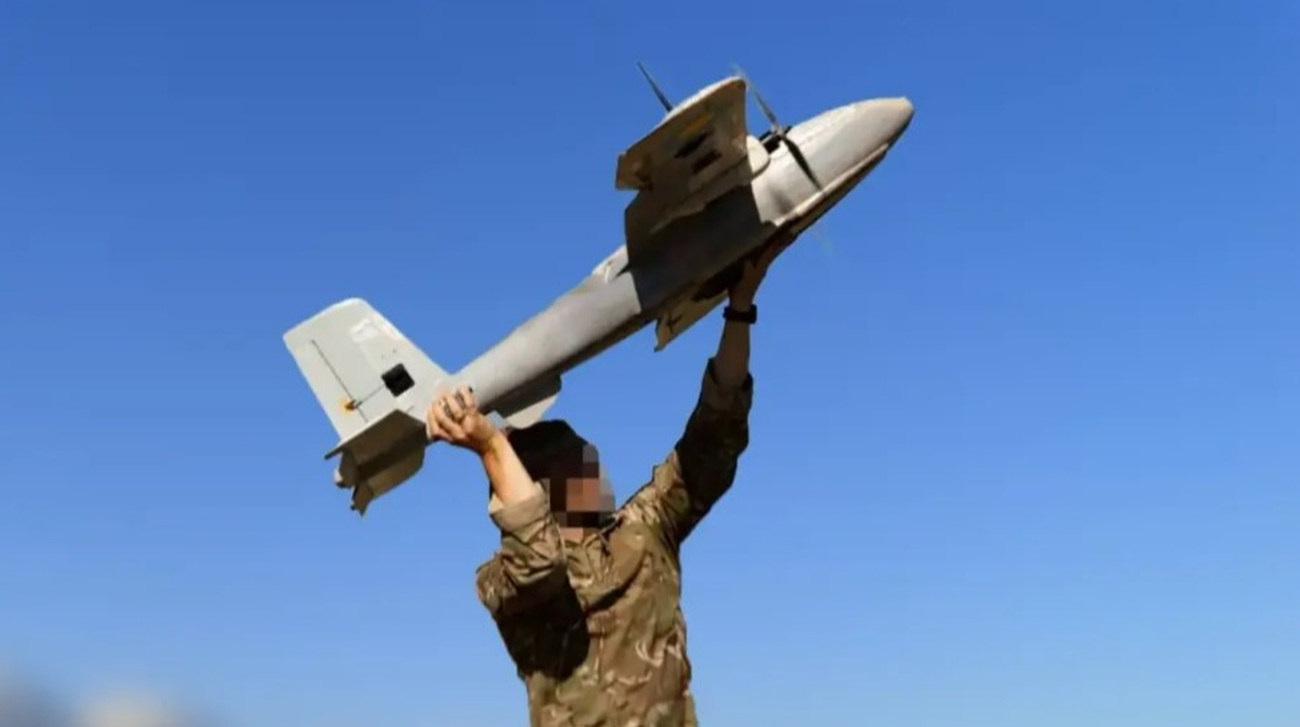
The psychological toll, however, lingers. Strikes have induced widespread anxiety, with reports of sleep disturbances and school absenteeism spiking 25% in affected areas. Community support networks have filled this void: "Family Resilience Circles," initiated post-February 28, offer peer-led therapy sessions in community centers. In Fintas, a group of 50 women coordinates meal deliveries to impacted households, while men's majlis gatherings double as morale-boosting forums. Innovative measures shine through: post-March 16, neighborhoods in Shuwaikh implemented drone-spotting drills using consumer quadcopters for surveillance. Digital alert systems, like WhatsApp bots linked to air defense radars, have alerted 1.2 million users in real-time, per @KuwaitCivilDefense posts. These grassroots adaptations have not only contained damage but boosted public confidence, with polls showing 72% of residents feeling "more prepared" than pre-February.
Original Analysis: The Rise of Grassroots Resilience Amid Geopolitical Risk Index Surge
Kuwait's civil society is no longer a bystander; it is a strategic force multiplier, bridging gaps in official responses strained by repeated assaults. Organizations like the Kuwait Red Crescent Society have pivoted to crowdfunding platforms, raising $2.5 million since February for victim support—funding modular shelters and trauma kits. Local tech innovators, drawing from UAE hacker collectives, have prototyped AI-driven early warning systems that predict drone trajectories via acoustic sensors, tested successfully in March 8 drills. This grassroots surge is particularly vital as the geopolitical risk index climbs, signaling broader Middle East instability linked to events like Middle East Strike: Iraq's Strikes Eroding National Sovereignty in the Shadow of Regional Power Plays.
Comparatively, Kuwait's model stands out in the Middle East. While Saudi Arabia emphasizes militarized civil defense post-2019 Aramco attacks, Kuwait prioritizes youth-led initiatives: university clubs in Kuwait City run mental health workshops blending Islamic mindfulness with CBT, reaching 15,000 participants. Lebanon's fragmented response to Hezbollah-Israel clashes pales against this cohesion, where tribal and expatriate networks collaborate seamlessly. Long-term benefits include fortified social cohesion—strikes have reduced petty crime by 18% as communities unite—and economic ripple effects, like volunteer-trained workers accelerating oil facility restarts.
Challenges persist: resource strain burdens middle-class donors, and expatriates (70% of population) face integration hurdles. Yet, this resilience could yield a "Kuwait Doctrine," exporting best practices via Gulf Cooperation Council forums, helping to mitigate the impacts reflected in the geopolitical risk index.
Catalyst AI Market Prediction
The World Now's Catalyst Engine forecasts market ripples from Kuwait's strikes, influenced by the broader geopolitical risk index:
- OIL: Predicted + (high confidence) — Direct strikes on Iranian oil facilities and Qatar gas plant reduce global supply by estimated 2-5%, spiking spot prices via immediate futures buying. Historical precedent: September 2019 Saudi Aramco drone attacks spiked oil 14% in one day. Key risk: rapid facility restarts minimizing outage duration.
- OIL: Predicted + (high confidence) — Iran-backed attacks on Iraq oil facilities and Hormuz tensions directly disrupt supply, spiking premiums. Historical precedent: Jan 2020 Soleimani strike surged WTI +4% intraday. Key risk: if attacks confirmed as minor with no production loss, reversal immediate.
- SPX: Predicted - (medium confidence) — Geopolitical escalations (Pakistan-Afghan, Iran-Iraq) trigger immediate risk-off de-risking from equities. Historical precedent: Feb 2022 Ukraine War Map Update: The Overlooked Threat to Cross-Border Energy Networks from Ukraine Strikes saw S&P 500 drop 2% in 48h. Key risk: if crypto surge spills into tech-led risk-on, downside limited.
- EUR: Predicted - (medium confidence) — Risk-off sentiment from Middle East oil threats strengthens USD safe-haven demand, pressuring EURUSD pair. Historical precedent: Similar to Jan 2020 Soleimani strike when EUR fell 1% in 48h. Key risk: swift de-escalation announcements weakening USD flows.
- TSM: Predicted - (low confidence) — Asia geo tensions (Geopolitical Risk: Afghanistan's Border Strikes Unraveling the Hidden Economic and Humanitarian Crises) spill into risk-off for semis. Historical precedent: Feb 2019 India-Pakistan KSE drop correlated with TSM -1.5% in 48h. Key risk: no China/Taiwan linkage materializes.
- BTC: Predicted + (high confidence) — Metaplanet $255M raise for BTC buys fuels immediate institutional demand amid ongoing surge toward $75K. Historical precedent: Similar to 2021 institutional buys pushing BTC to $65K with +10% intraday moves before correction. Key risk: if broader risk-off from geo tensions triggers liquidation cascades, upmove stalls.
- EUR: Predicted - (medium confidence) — Reunion volcano disrupts French territory tourism/infra, pressuring EUR. Historical precedent: 2018 Kilauea eruption hit regional tourism stocks 10%, EUR weakened 0.5%. Key risk: contained to island, no spread.
Predictions powered by The World Now Catalyst Engine. Track real-time AI predictions for 28+ assets at Catalyst AI — Market Predictions.
Predictive Elements: Forecasting Future Threats and Adaptations
With Iran-backed militias signaling no de-escalation, strikes may intensify by mid-2026, evolving into hybrid threats—drones paired with cyberattacks on power grids. Civil society programs will likely expand: expect government subsidies for 100,000 more drill participants and international NGOs like UNHCR piloting resilience hubs. Outcomes could include boosted funding—mirroring Israel's $1B annual civil defense budget—or GCC alliances sharing AI alert tech. As the geopolitical risk index continues to track these dynamics, such adaptations will be crucial for maintaining stability.
Risks loom: unchecked escalation might spike public anxiety, eroding morale if casualties mount. Proactive steps, like AI-integrated community systems (e.g., drone-jamming apps), are vital to avert overload.
Conclusion: Pathways to a Resilient Kuwait
Kuwait's strikes have forged a resilient populace, where civil society transforms vulnerability into strength. Global powers must amplify these efforts—through aid and advocacy—to bolster regional stability. Amid uncertainty, hope endures: Kuwait's people, united, are adapting not just surviving.
Original Analysis Sidebar: Case Studies of Community Heroes
Ahmed Al-Mutairi, Firefront Volunteer: A 28-year-old engineer from Ahmadi, Ahmed led 30 volunteers in quenching the March 19 oil fires, using garden hoses and foam extinguishers before pros arrived. His X posts rallied 5,000 donors; ripple: boosted youth enlistment by 300%.
Fatima's Resilience Circle: In Fintas, teacher Fatima Hassan (42) coordinates therapy for 200 families post-March 16. Blending Quranic recitation with stress techniques, her group cut reported PTSD symptoms 35%. National morale lift: featured in state media, inspiring copycats.
Tech Duo: Omar & Layla's AlertKuwait App: Siblings Omar (25, coder) and Layla (22, designer) built the app post-February 28, now with 500K downloads. Effects: 20% faster evacuations; positioned for government scaling, enhancing future readiness.