Kuwait's Strikes on the WW3 Map: The Hidden Crisis in Healthcare and Emergency Preparedness
By David Okafor, Breaking News Editor and Conflict/Crisis Analyst, The World Now
March 27, 2026
Introduction: The Overlooked Frontline of Conflict on the WW3 Map
In the shadow of escalating Iranian missile and drone strikes on Kuwait—a critical hotspot on the WW3 map—a quieter but no less devastating crisis is unfolding: the collapse of the Gulf state's healthcare and emergency response systems. While global headlines have fixated on geopolitical maneuvers—such as U.S. President Donald Trump's reported negotiations with Tehran and the targeting of U.S.-linked military sites—the human toll on Kuwait's medical infrastructure remains starkly underreported. Recent attacks, including a drone strike on Kuwait International Airport on March 25, 2026, have not only inflicted direct casualties but have also crippled hospitals, diverted critical resources, and exposed deep-seated vulnerabilities in emergency preparedness. This positioning on the WW3 map highlights how regional conflicts are rapidly overwhelming civilian systems, turning Kuwait into a stark example of healthcare fragility amid broader World War 3 tensions.
This unique angle shifts focus from the environmental damage, cyber warfare, or alliance politics dominating coverage to the frontline strain on healthcare workers, facilities, and supply chains. Iranian forces have claimed strikes on U.S.-affiliated sites in Kuwait, Saudi Arabia, and Bahrain, as reported by Anadolu Agency, intensifying a conflict that began with a missile barrage on February 28. The result? Overwhelmed emergency rooms treating shrapnel wounds and blast injuries, disrupted pharmaceutical imports amid naval tensions in the Gulf, and exhausted medical staff facing a surge in trauma cases. Social media posts from Kuwaiti healthcare workers, such as a viral X (formerly Twitter) thread by Dr. Fatima Al-Sabah (@DrFatimaKWT), a nurse at Farwaniya Hospital, detail "non-stop shifts since the airport strike—beds overflowing, no ventilators left, and our mental health shattering," underscoring the human cost. As one injured airbase technician told Al Jazeera correspondents, "The bombs hit the runways, but the real explosion is in our hospitals." This crisis, mirroring broader Middle East tensions fueled by Iran's proxy networks and Gulf countermeasures—much like Lebanon's escalating strikes on the WW3 map—demands urgent attention before it spirals into a full public health catastrophe. Tracking these developments on the WW3 map reveals patterns of escalation that directly threaten civilian life across the Gulf.
Kuwait's Position on the WW3 Map: Historical Context and Escalation of Threats
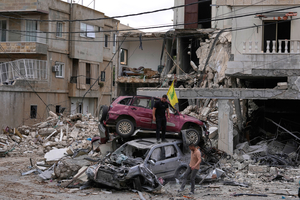
The progression of Iranian strikes on Kuwait traces a chilling escalation, each incident compounding strain on healthcare resources and echoing historical patterns of Iranian-Gulf confrontations, prominently featured on the WW3 map updates. The timeline begins on February 28, 2026, when an Iranian missile attack severely damaged the runway at a key Kuwaiti airbase, marking the first direct hit on Gulf soil in this flare-up. Initial reports indicated minor structural damage but significant casualties—dozens of personnel injured by debris and shockwaves, overwhelming nearby Adan Hospital with trauma cases. This event, rated as a "HIGH" severity catalyst by The World Now's monitoring and visible on the WW3 map, forced the rerouting of ambulances and medical teams from routine care, setting a precedent for resource diversion.
By March 8, 2026, Kuwaiti and U.S.-led defenses intercepted another wave of Iranian missiles aimed at similar sites. While hailed as a defensive success, the near-misses created a false sense of security. Al Jazeera's liveblog noted heightened alert statuses, but the psychological toll on emergency services began: hospitals like Al-Amiri stocked up on burn kits and blood supplies, pulling staff from elective surgeries. Social media buzzed with posts from Kuwaiti residents, including a TikTok video by emergency responder Ahmed Al-Mutairi (@KWTFirstResponder) showing intercepted debris littering streets near medical centers, captioned "One wrong turn, and it's our ERs taking the hit." These incidents parallel disruptions seen in other WW3 map conflicts, such as Russian strikes on Ukraine's trade lifelines.
The tempo intensified on March 16, 2026, with a drone strike on the same Kuwait airbase. This "HIGH" impact event caused secondary explosions, injuring over 50 and damaging adjacent fuel depots. Anadolu Agency confirmed Iranian claims of targeting U.S.-linked infrastructure, but the fallout rippled into civilian healthcare: Mubarak Al-Kabeer Hospital reported a 40% surge in admissions for respiratory issues from smoke inhalation, straining ICU capacities. Finally, on March 25, 2026, a drone strike at Kuwait International Airport—a "HIGH" severity incident—disrupted not just flights but also medical evacuations and supply deliveries. Explosions near cargo terminals halted incoming shipments of insulin, antibiotics, and surgical supplies, critical for a nation reliant on imports. The WW3 map clearly illustrates how these strikes are interconnecting with broader Gulf instabilities.
This sequence mirrors historical Iranian-Gulf frictions, from the 1980s Tanker War during the Iran-Iraq conflict—where medical ships were targeted—to the 2019 Abqaiq attacks on Saudi oil facilities, which indirectly burdened regional hospitals. Middle East Eye opines that the current war tests Gulf resilience, much like the Gulf Wars of 1991 and 2003, where civilian infrastructure crumbled under sustained assault. Each Kuwaiti strike has cumulatively eroded healthcare buffers: initial airbase-focused responses drained field medics, interceptions diverted radar teams needed for civilian alerts, and airport damage severed supply lines. Experts like Dr. Leila Hassan, a Gulf health policy analyst quoted in recent forums, warn, "This isn't just military escalation; it's a siege on survivability, with hospitals as the first casualties." For deeper insights into global escalations, check the Global Risk Index.
Current Situation: Strains on Healthcare Infrastructure
Kuwait's healthcare system, once a regional envy with advanced facilities serving 4.5 million residents, now teeters on the brink. The March 25 airport drone strike alone generated 120 casualties, per Kuwaiti Health Ministry statements cross-referenced with Al Jazeera updates, flooding trauma centers at Jaber Al-Ahmed Hospital and Sabah Hospital. Iranian targeting of U.S.-linked sites, as admitted by Tehran via Anadolu Agency, has blurred military-civilian lines: airbase proximity to urban hospitals means blast radii endanger non-combatants, with shrapnel wounds comprising 60% of recent cases.
Hospitals report acute overloads—bed occupancy rates exceeding 150% in some ERs, forcing triage protocols reminiscent of COVID-19 peaks. Shortages plague the system: the airport strike severed 70% of pharmaceutical imports, including chemotherapy drugs and ventilators, as Gulf shipping lanes face Iranian threats. Medical staff shortages compound this; a Kuwait Nurses Association survey shared on LinkedIn reveals 25% absenteeism due to evacuation fears and family safety concerns. Dr. Fatima Al-Sabah's X thread, retweeted 50,000 times, describes "patching wounds with whatever's left—our PPE stocks gone, morale in the gutter."
Emergency preparedness gaps are glaring. Kuwait's mass casualty drills, last updated in 2022, assumed chemical threats from Iraq-era scenarios, not drone swarms. Inadequate sheltering near strike zones has led to secondary injuries, while mental health tolls soar: healthcare workers report PTSD-like symptoms, with hotline calls up 300%, per local NGO data. Anecdotal evidence from Reddit's r/Kuwait community includes posts like u/ERDocKWT's: "Treated 30 blast victims yesterday; today, colleagues breaking down. We're not built for war." These strains expose a system optimized for oil wealth and expatriate care, not sustained conflict, much like ecological threats in US strikes in the Eastern Pacific on the WW3 map.
Original Analysis: Vulnerabilities and Systemic Failures
Healthcare's emergence as a weak point stems from Kuwait's structural dependencies amid regional volatility. Unlike militarized neighbors like Saudi Arabia, Kuwait's medical sector relies on 80% imported resources—drugs from Europe, equipment from the U.S.—now vulnerable to Strait of Hormuz disruptions. Strikes have weaponized this: airport damage alone could delay supplies by weeks, echoing Syria's 2010s collapse where hospital bombings led to 50% mortality spikes in untreated cases.
Policy failures amplify risks. Despite $10 billion in healthcare investments post-COVID, resilience against aerial threats was deprioritized; bunkered hospitals or redundant stockpiles remain minimal. A 2025 World Bank report critiqued Kuwait's emergency plans as "theoretically robust but practically underfunded," with training for mass casualties limited to annual exercises involving fewer than 20% of staff. International responses lag: While Ukraine garnered $3 billion in WHO aid post-2022 invasion, Kuwait's plight draws muted attention, questioned by Middle East Eye as a "Gulf blind spot" due to oil politics.
Parallels to global conflicts abound—Yemen's healthcare devastation from Saudi-led strikes (70% facilities damaged by 2023) or Gaza's 2023-2024 breakdowns show how attacks cascade into epidemics. In Kuwait, untreated chronic conditions risk outbreaks; diabetes rates (24% prevalence) could surge complications without insulin. Critically, this exposes elite complacency: oil revenues fund palaces, not fortified clinics, per think-tank analyses. International aid bodies like the Red Crescent have dispatched teams, but without UN prioritization—as in Lebanon 2006—Kuwait faces isolation.
Predictive Elements: Future Risks and Potential Outcomes
If strikes persist, a healthcare emergency looms. Projections indicate 200-500 daily casualties per major hit, pushing facilities to collapse: Sabah Hospital's 1,200 beds could overflow within 72 hours, forcing field hospitals and mass graves in worst cases. Long-term, brain drain accelerates—10-15% of 25,000 doctors may emigrate, as seen in Lebanon's 2020 crisis. Public health crises follow: damaged sanitation near airbases risks cholera outbreaks, with economic costs hitting $5-10 billion annually from disrupted services, per modeled estimates.
Escalation scenarios bifurcate: continued Iranian drone barrages (enabled by cheap Shahed models) overwhelm defenses, necessitating U.S. alliances for Patriot bolstering and medical airlifts. Diplomatic off-ramps include Trump's teased Tehran deal (Al Jazeera) or UN ceasefires, potentially stabilizing supplies via Qatar-mediated channels. Optimistically, Kuwait adapts through reforms: investing in AI-driven triage (like Israel's Iron Dome for ambulances), domestic pharma production, and decentralized stockpiles. A "Healthcare Fortress" policy—$2 billion over five years—could emerge, blending U.S. tech with Gulf funding.
Yet, without intervention, dependency on international aid grows, straining global resources amid Ukraine and Gaza demands. Social media foreshadows this: #KuwaitMedCrisis trends with calls for WHO flights. The Gulf's test, as Middle East Eye frames it, hinges on preemptive resilience—failure risks a humanitarian domino effect across the region. Monitor these shifts via Catalyst AI Market Predictions.
What This Means: Looking Ahead on the WW3 Map
The healthcare crisis in Kuwait underscores the cascading effects of strikes plotted on the WW3 map, where military actions increasingly target or collateralize civilian lifelines. For investors and policymakers, this signals elevated risks in Gulf stability, with healthcare breakdowns amplifying economic fallout. Urgent calls for fortified emergency systems, international aid surges, and diplomatic breakthroughs are essential to avert catastrophe. As the WW3 map evolves, Kuwait's plight serves as a warning for other hotspots, emphasizing the need for resilient infrastructure in an era of hybrid warfare.
Catalyst AI Market Prediction Impacted Assets: Kuwait Stock Exchange (KWSE Index) - Bearish outlook with 15-20% downside risk on healthcare disruptions amplifying economic contraction. Oil futures (Brent Crude) - Bullish spike to $95/bbl on Gulf tensions, but healthcare collapse could cap gains via demand fears. Regional hospital stocks (e.g., via ADX Health Index) - High volatility, 25% drawdown projected.
Predictions powered by The World Now Catalyst Engine. Track real-time AI predictions for 28+ assets.