
Japan Earthquake Death Toll Climbs to 35 as Rescuers Search Rubble
Japanese authorities raised the death toll from the magnitude 7.1 earthquake that struck Kumamoto Prefecture on Tuesday to 35, with rescue teams continuing to search for survivors under rubble more than 72 hours later amid a severe heat wave. The Japan earthquake left hundreds injured and prompted ongoing operations in damaged structures while utilities stayed disrupted.
Death Toll Rises to 35
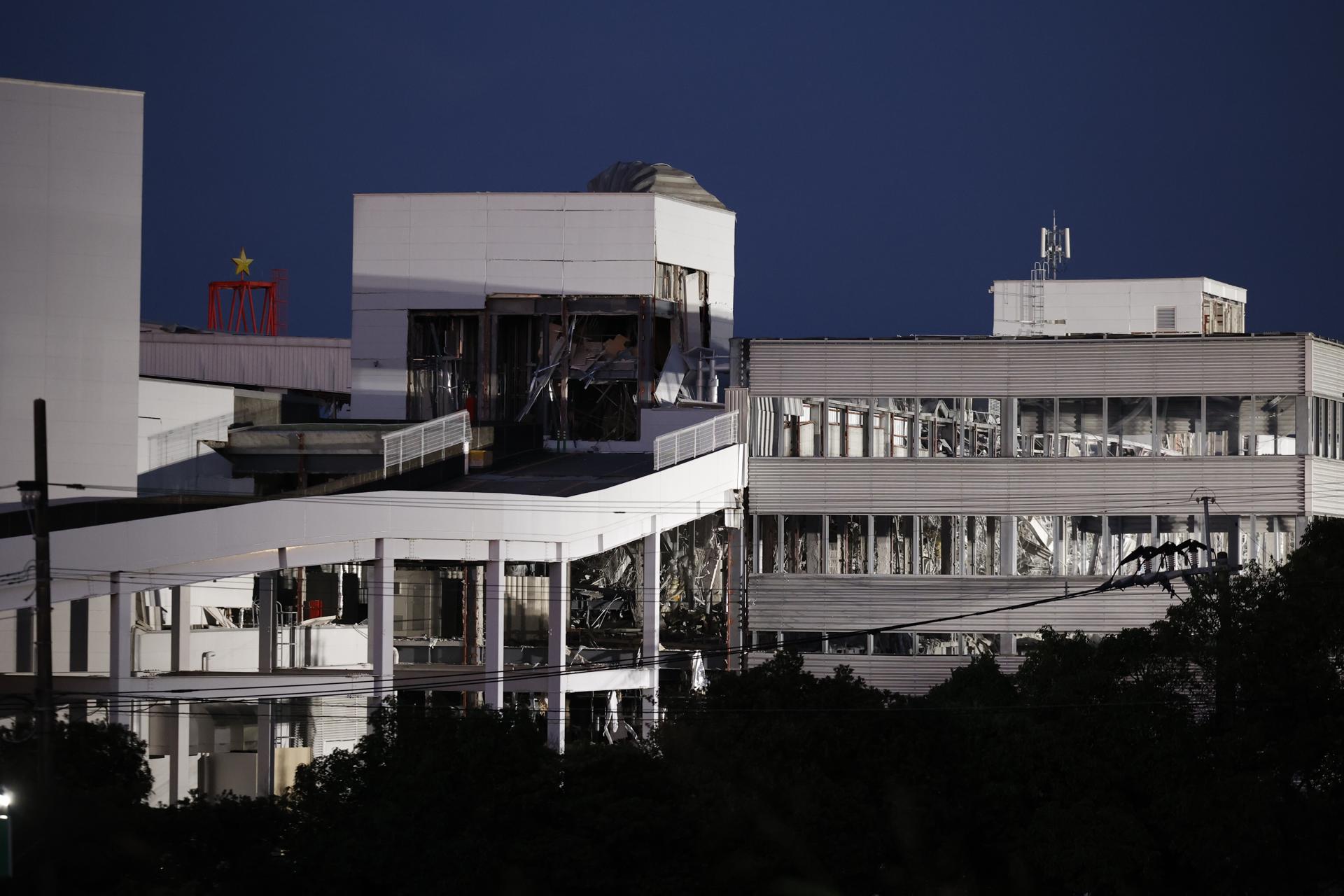
Local authorities in Kumamoto Prefecture raised the death toll from the Japan earthquake to 35 on Friday. This count includes seven deaths at the Aeon Mall in Kashima after a post-quake gas explosion. It also covers eight or nine deaths from the collapse of a chimney at the Nippon Paper Industries factory in Yatsushiro. The central government spokesman Minoru Kihara maintained a figure of 30 deaths based on police information. More than 9,000 people remain in evacuation centers according to prefecture authorities. [1] [2] [3] [4] [5]
Rescue Operations at Aeon Mall and Factory
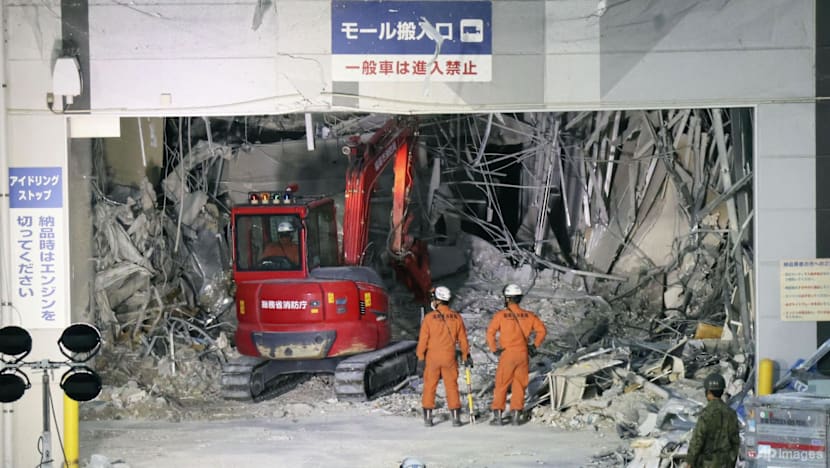
Rescue teams continued searching for trapped survivors at the Aeon Mall in Kashima more than 72 hours after the Japan earthquake, a period experts describe as critical for finding people alive. Twelve people were rescued from the debris at the shopping center, where five others were injured following the gas explosion. At the Nippon Paper Industries factory in Yatsushiro, eleven people were rescued from the site of the chimney collapse. Operations involved search dogs deployed by the Ministry of Defense and faced challenges from extreme tension in the early hours. One rescuer from the NGO Peace Winds Japan, Mototaka Inaba, noted that teams worked without rest under strong heat because reports indicated people remained trapped. [2] [3] [4] [5]
Ongoing Aftershocks and Tsunami Alert
The Japan earthquake struck at 16:27 local time Tuesday with its epicenter about 10 km deep under Kumamoto Prefecture. It registered a maximum 7 on Japan's intensity scale and caused major structural damage including partial collapse of Kumamoto Castle. The Japan Meteorological Agency issued a brief tsunami alert that produced no major incidents. Hundreds of aftershocks have followed the Japan earthquake, including a magnitude 5.8 tremor on Wednesday night. Authorities have warned that a stronger quake could occur in the coming days. [2] [3] [4]
Heat Wave Complicates Relief Efforts
Temperatures reaching 35°C with high humidity have complicated relief efforts after the Japan earthquake. More than 9,000 people remain evacuated in roughly 400 centers while utilities remain cut. The Ministry of the Environment issued heatstroke warnings for rescuers and urged frequent hydration. Local and Self-Defense Forces personnel installed air-conditioning units in evacuation centers. People in areas without power face elevated risks of heatstroke. [2] [3] [4]
Government Response and Aid
The central government has provided proactive assistance after the Japan earthquake by sending supplies before local requests arrived. Prime Minister Sanae Takaichi stated that aid focuses on food, water, toilet paper, and electric vehicles. Coordination continues between local authorities, Self-Defense Forces, and NGOs such as Peace Winds Japan. [2] [5]
Japan's Seismic Setting
Japan lies on the Pacific Ring of Fire, one of the world's most active seismic zones. The country experiences earthquakes with relative frequency, and its infrastructure is designed to withstand tremors. [2] [3] [4]
What to watch next: Authorities continue to monitor seismic activity across the region and have warned that stronger aftershocks remain possible in the days ahead.